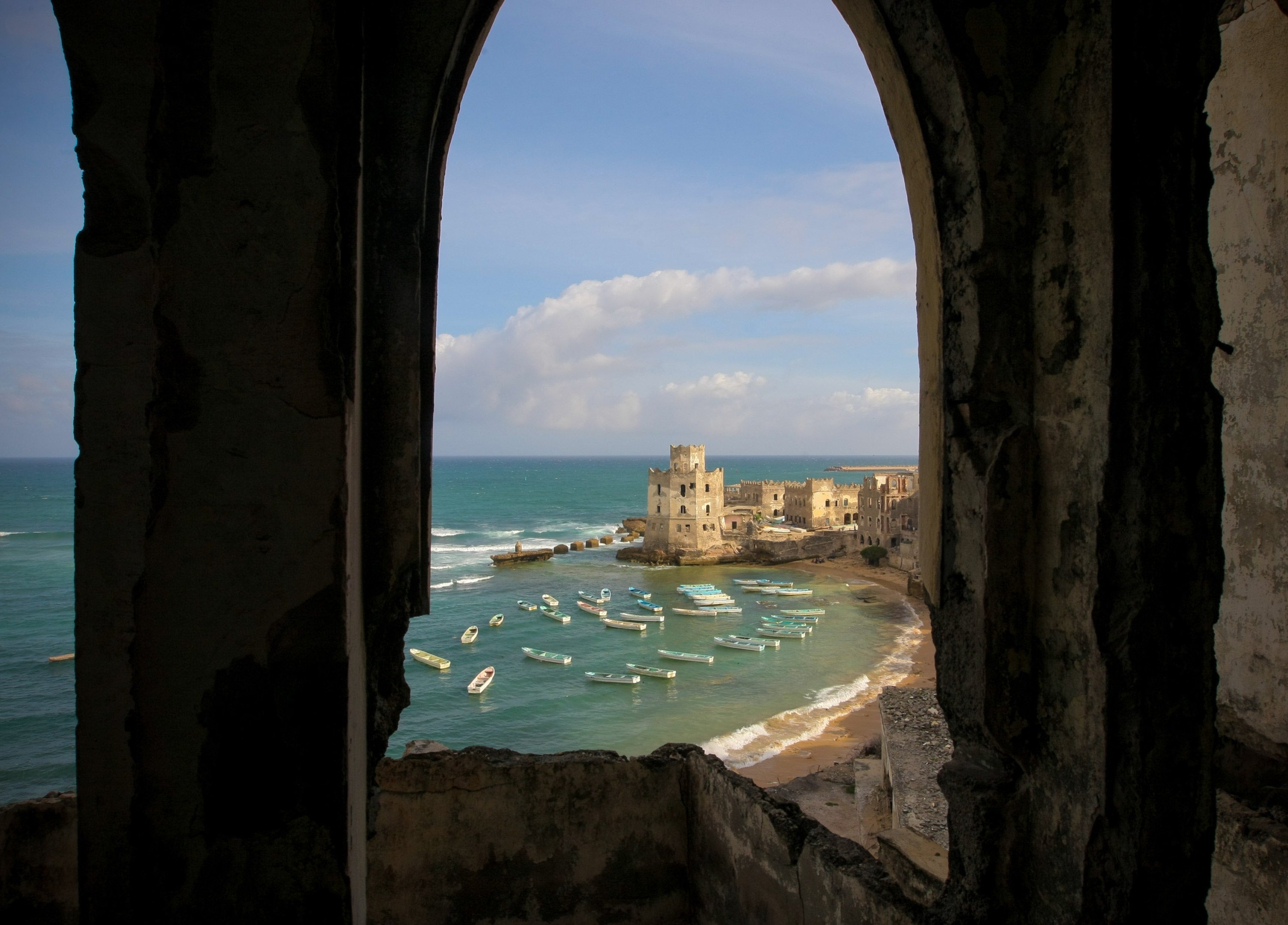
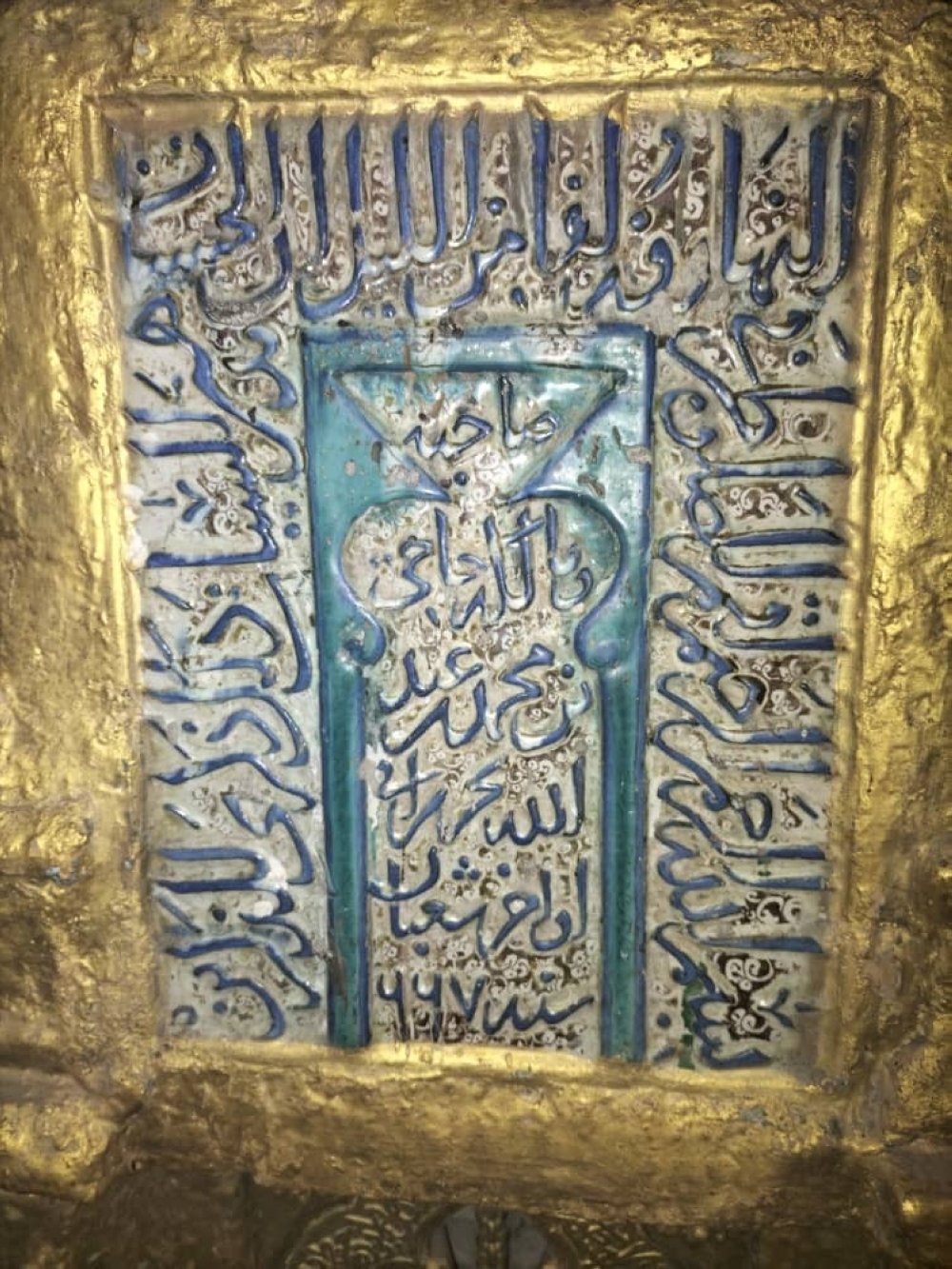
In the old district of Xamar Weyne – the heart of the Somali capital – Fakhr ad-Din Mosque stands quietly. Built no later than 1269, it remains one of Somalia’s most significant medieval monuments. Even though it is among the best-known landmarks in the region, it is one of the least studied. I finally saw it for myself in 2023, when I examined it as my central case study to document historical architecture in southern Somalia. After extensive negotiation with military patrols and the mosque’s imam, I managed to record drone footage of the monument and even collected a tiny sample from its ancient wooden door, thanks to the elders of the mosque. Through this experience, I studied first-hand its Gujarati marble mihrab and other notable features, many of which are now hidden under layers of paint but nonetheless testify to centuries of exchange between the Horn of Africa and the rest of the world.
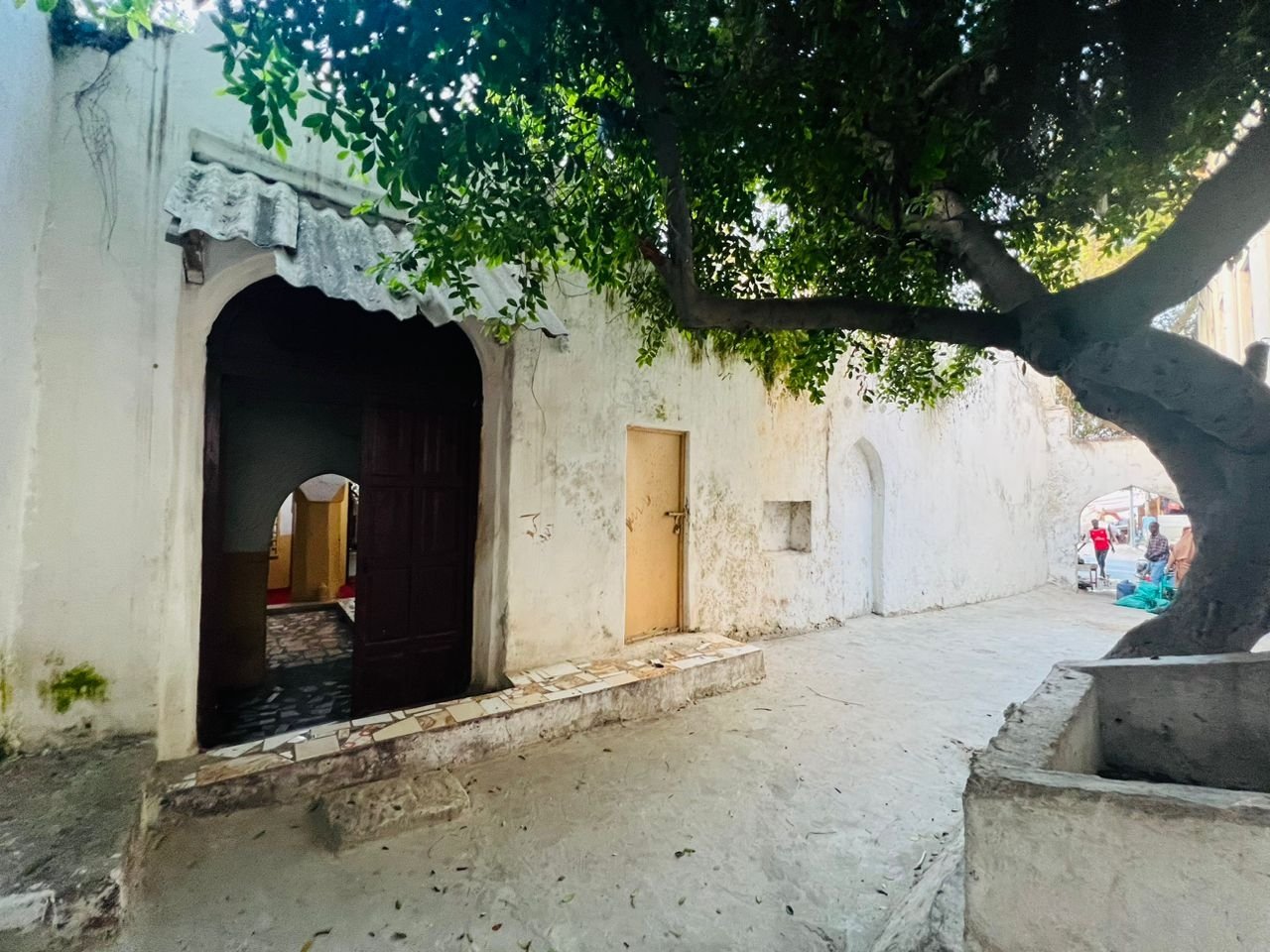
These fleeting, fragile moments of research reminded me that heritage work is still very precarious in Mogadishu. While international initiatives, many of which are supported by Turkish entities, have begun restoring sites like the mosques of Arbaa Rukun and Abdul Aziz, Fakhr ad-Din awaits attention. The condition of this significant but little-known mosque illustrates the importance of studying these monuments, as their stones bear stories of trade, faith and resilience. Before the civil war began in 1991, academic studies of Somali heritage were gaining momentum: the first International Congress of Somali Studies was held in 1980, and UNESCO was also active in the country around this time. Ahmed Dualeh Jama was the first Somali to earn a doctorate in Archaeology in 1991, but rising conflict changed the possibilities and priorities of the nation, and much of the country’s urban fabric was destroyed. As the city and the nation continue to undergo rapid transformation, this heritage is at risk of losing its history, whether through new developments or deterioration. The monuments and their caretakers need time, resources, safety and the attention and support of scholars and publics alike to ensure that the past is not silenced.
Since the war, the Somali diaspora has flourished and is dedicating increasing attention to the nation’s heritage. I belong to one of these collective efforts, which is called Somali Architecture. We create 3D models of renowned monuments from the region based on our research of the physical sites and resources available online, which we collect and share with larger audiences. By posting our work to the Internet, sharing it through VR headsets and touring exhibitions across North America, Europe and Africa, we explore the themes of architecture and migration to celebrate the past and inform our present. As our exhibitions engage members of the Somali diaspora across diverse countries, we collectively respond to our heritage not only as a record of the past, but also as a living expression of a global community and identity.
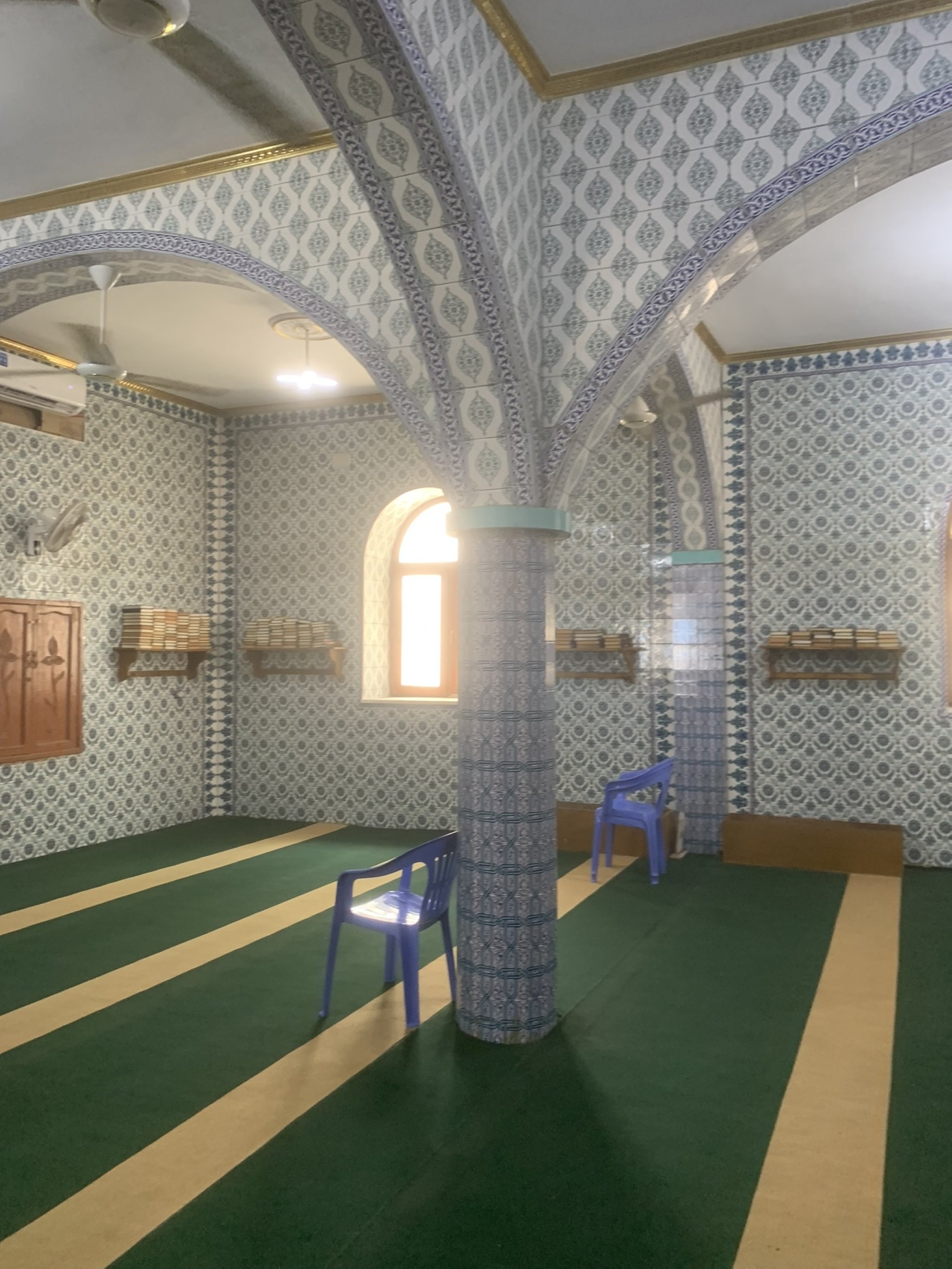
While we try to rebuild these monuments in digital and virtual spaces, their physical remains are threatened. Years of war and other crises have understandably compromised the safeguarding of this heritage and the skills needed to protect it, but it is still important to care for our past as the country charts a new future. The ruins of Mogadishu’s lighthouse, for example, recently collapsed, killing multiple people. In other cases, attempts to repair historical buildings often use techniques that disrespect the original buildings. Lack of support has led to the use of cheap materials, such as concrete, where local Somali building traditions with coral stone and mortar should have been used instead. Other restoration efforts were conducted without careful attention to the monuments' historical contexts. This was the case with the mosque of Arbaa Rukun, which was covered with Iznik-style tiles that completely transformed its medieval interior.
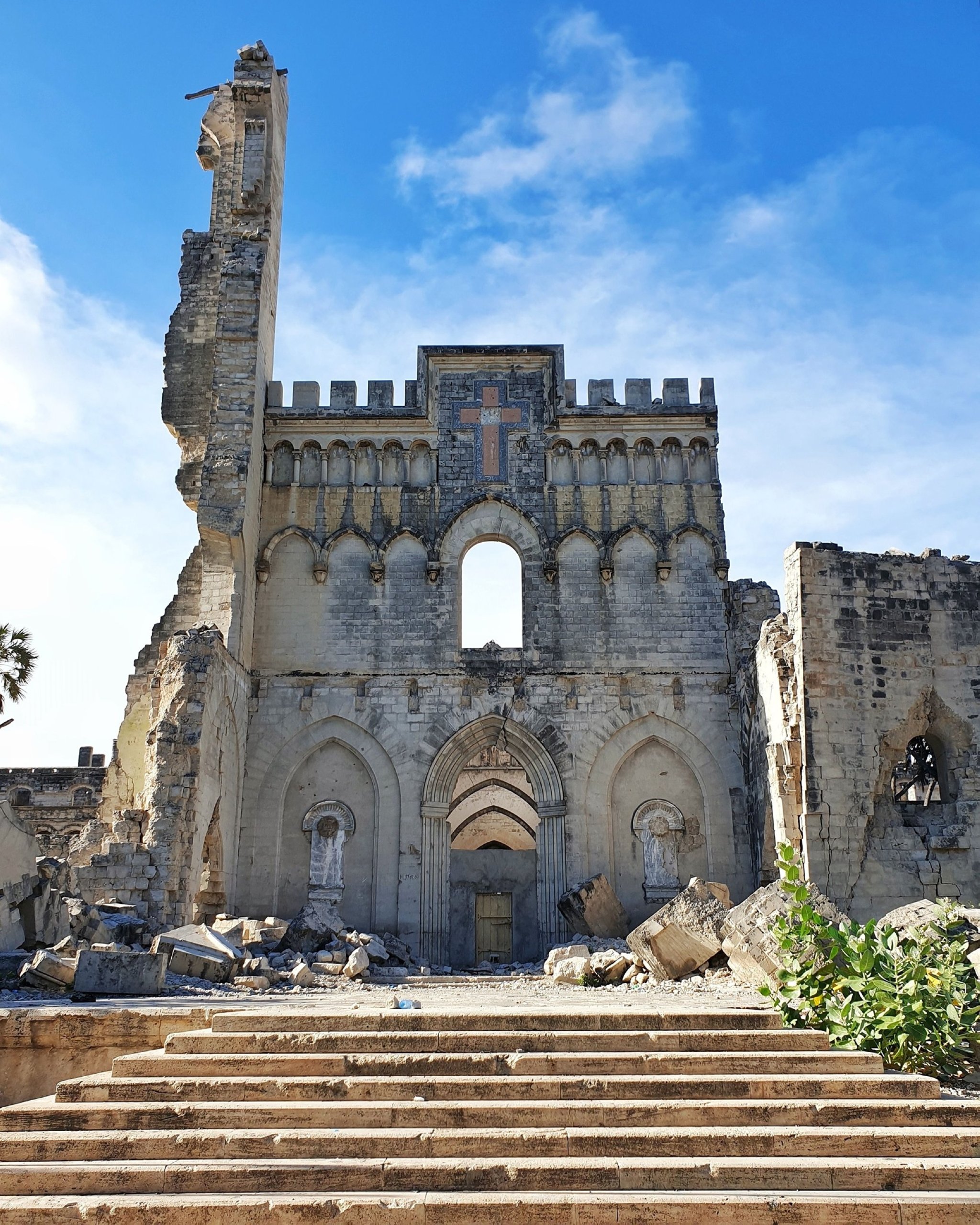
Additional challenges affect the relics of Italian occupation, the fates of which remain uncertain. While some of these buildings were repurposed by the Somali government after the country achieved independence, other monuments – such as the Catholic cathedral and the triumphal arch dedicated to Umberto II of Savoy – do not exactly align with the priorities of local communities. Some residents of Mogadishu would prefer that such landmarks be demolished, but scholars like Iman Mohamed warn against "colonial amnesia."
No matter what the future holds for these monuments, it is important to record and remember their history, which is increasingly at risk. Much information about this heritage is already lost and most of what survives is stored in colonial archives. Other information presumably persists in the memories passed down by generations of Italians and Somalis, which are inaccessible to broader publics. A larger network of scholars is needed to research and share this information in ways that will support Somalia in addressing this heritage. For example, Claire Dillon’s recent discoveries about the cathedral are changing our understanding of its design and the motives behind it, contributing a medievalist's insight to come to terms with this neo-medieval building. Only through the collective efforts of individuals with different skills, perspectives and resources can this history be responsibly recorded and represented for larger audiences.
These stories expose the many meanings of architecture as an instrument of recollection, colonization and reclamation. With Türkiye investing heavily in Somali development, new historical insights and digital reconstructions are arriving at a pivotal moment, and they offer important perspectives from Somali-led efforts to support preservation. Coordinated international initiatives, with significant Somali representation from within the country and across the diaspora, will help reconnect fragmented narratives, rebuild damaged landmarks and restore a sense of continuity after decades of conflict and displacement. However, the path ahead still remains uncertain. Preserving these buildings and reviving Mogadishu’s vanishing past requires more than documentation: it demands a collective commitment to understanding the importance of the past and protecting it for the sake of the present. The work of Somali Architecture and other Somali-led initiatives demonstrates that preservation is a critical step toward shaping the future of the country and its diaspora. The future of Mogadishu’s heritage will depend on collaborations that respect local knowledge, empower Somali voices and represent the city through its present and future potential rather than its past losses. Preserving these monuments is ultimately an act of imagining what Somalia wishes to carry forward.