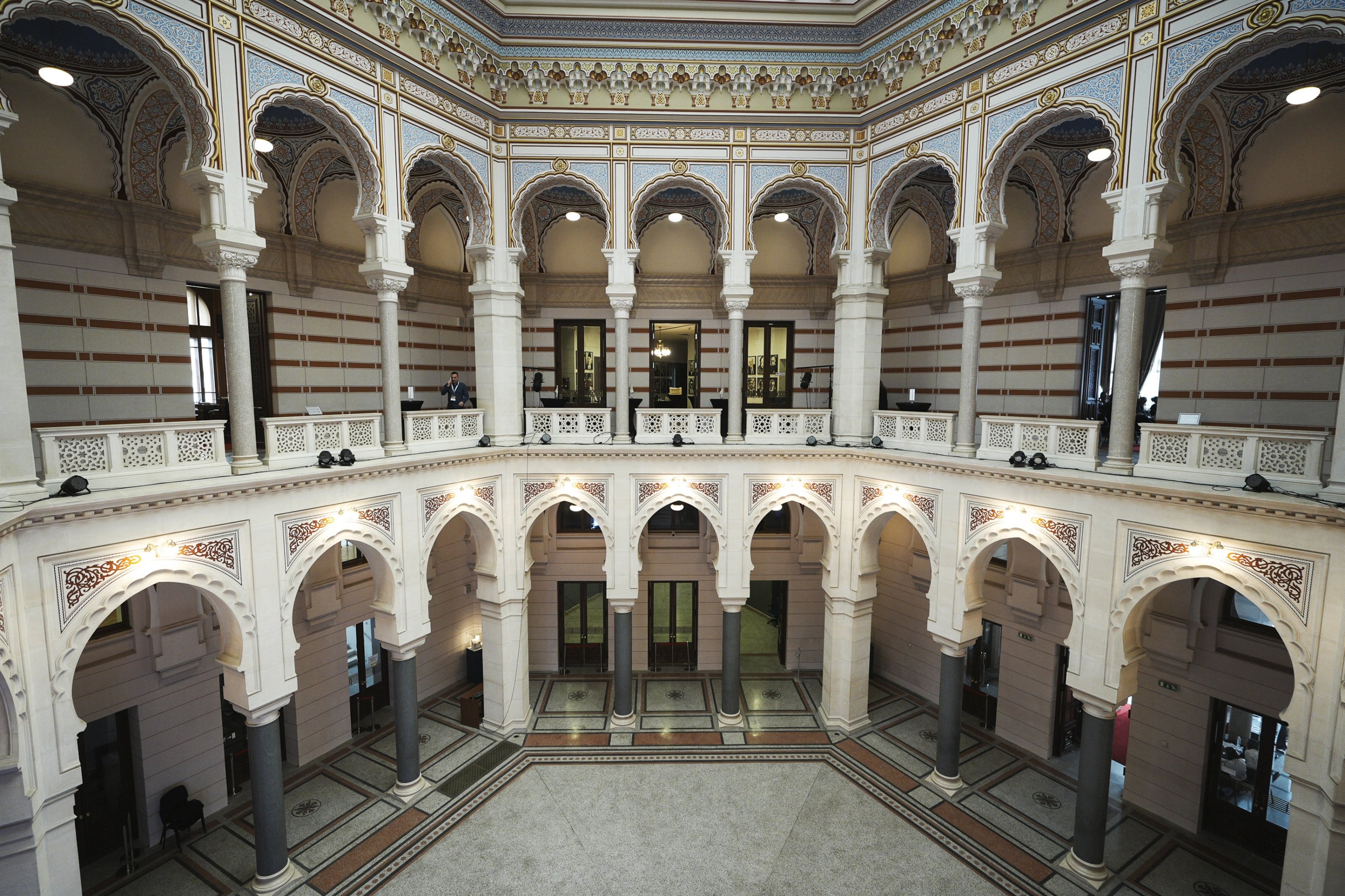
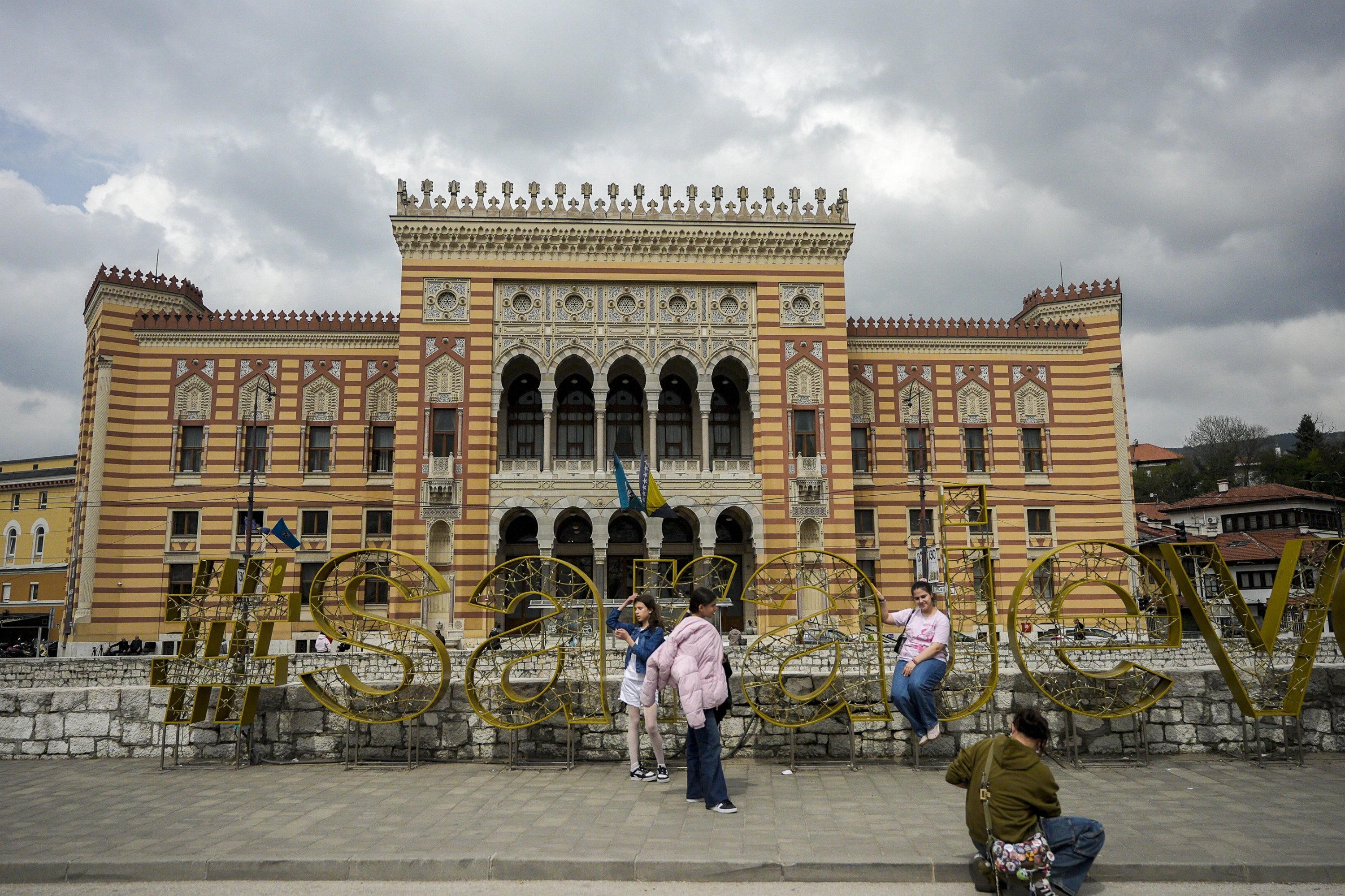
The Vijecnica, one of Sarajevo’s most recognizable landmark buildings, continues to welcome visitors today as the National Library, 130 years after it first opened as the city’s town hall.
Built during the Austro-Hungarian period, the structure stands out among Sarajevo’s historic architecture for its Andalusian-inspired design. Architect Aleksandar Witek began the project in 1892, incorporating design elements influenced not only by Andalusian styles but also by mosques and madrasas in Cairo, Egypt, according to historical accounts of the building’s design.
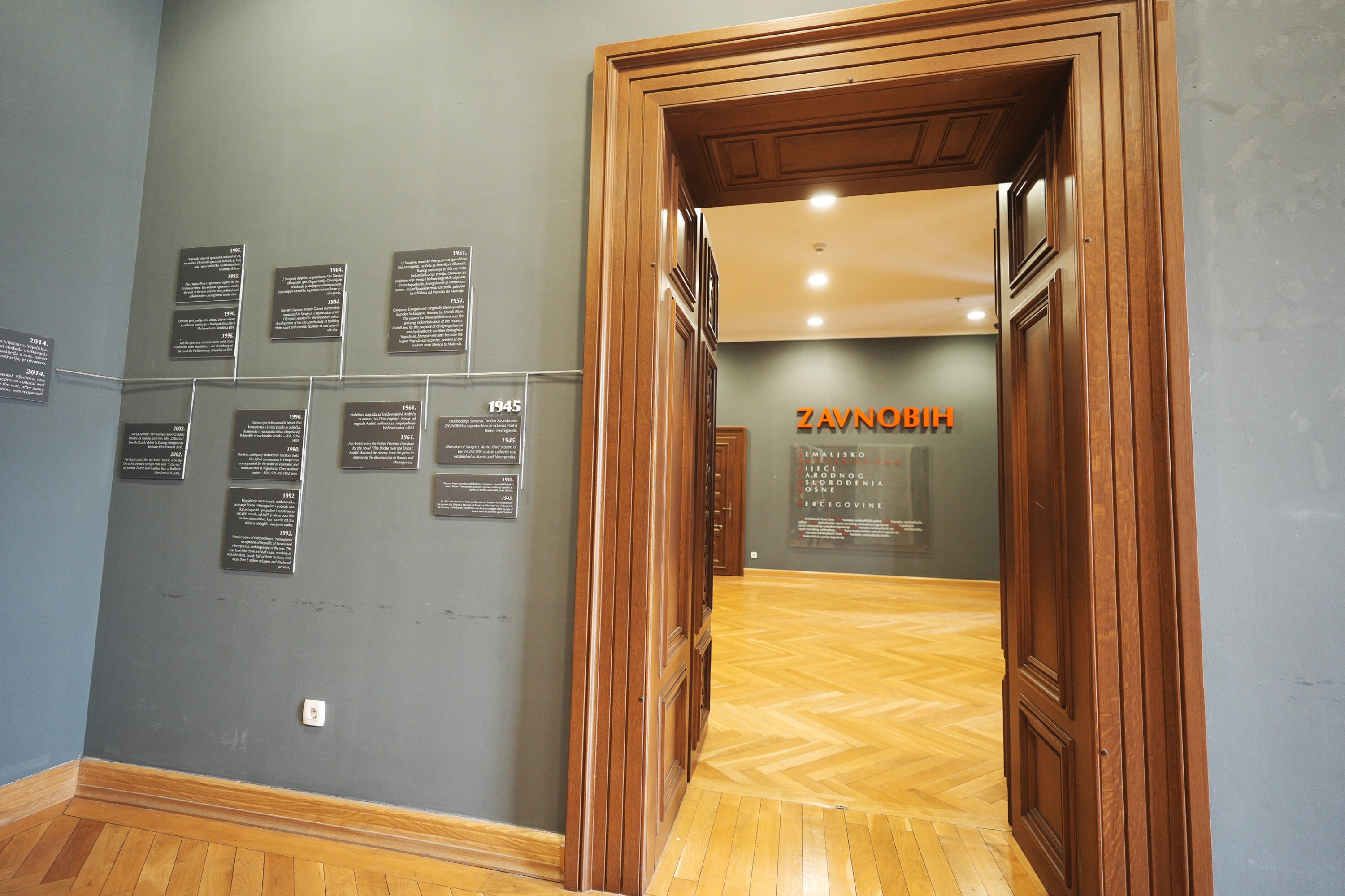
The building was formally inaugurated on April 20, 1896. It served as Sarajevo’s city hall until the end of World War II, when it lost its municipal function. In 1945, it was repurposed as the National Library and has since been widely referred to as “the memory of Sarajevo.”
Distinct in appearance and prominent in the city skyline, Vijecnica has become one of Sarajevo’s most visited sites.
The building’s long history did not spare it from destruction during the 1992–1995 Bosnian War. On Aug. 25, 1992, during some of the most intense days of the siege of Sarajevo, Serb forces shelled the structure.
The attack sparked a major fire that engulfed the building. The blaze burned for three days before it was brought under control, leaving the historic landmark severely damaged. During the 1,425-day siege of Sarajevo, local residents reportedly attempted to save materials from the library despite the ongoing attacks.
An estimated 155,000 manuscripts and nearly 2 million other items were destroyed in the fire. Before the war, Vijecnica housed approximately 6 million books and archival documents, including manuscripts from the Ottoman period and works belonging to Bosniak, Serb, Croat and Jewish communities, making it one of the region’s most important shared cultural archives.
After the war ended, restoration work began in 1996. Following an 18-year reconstruction process, Vijecnica reopened on May 9, 2014.
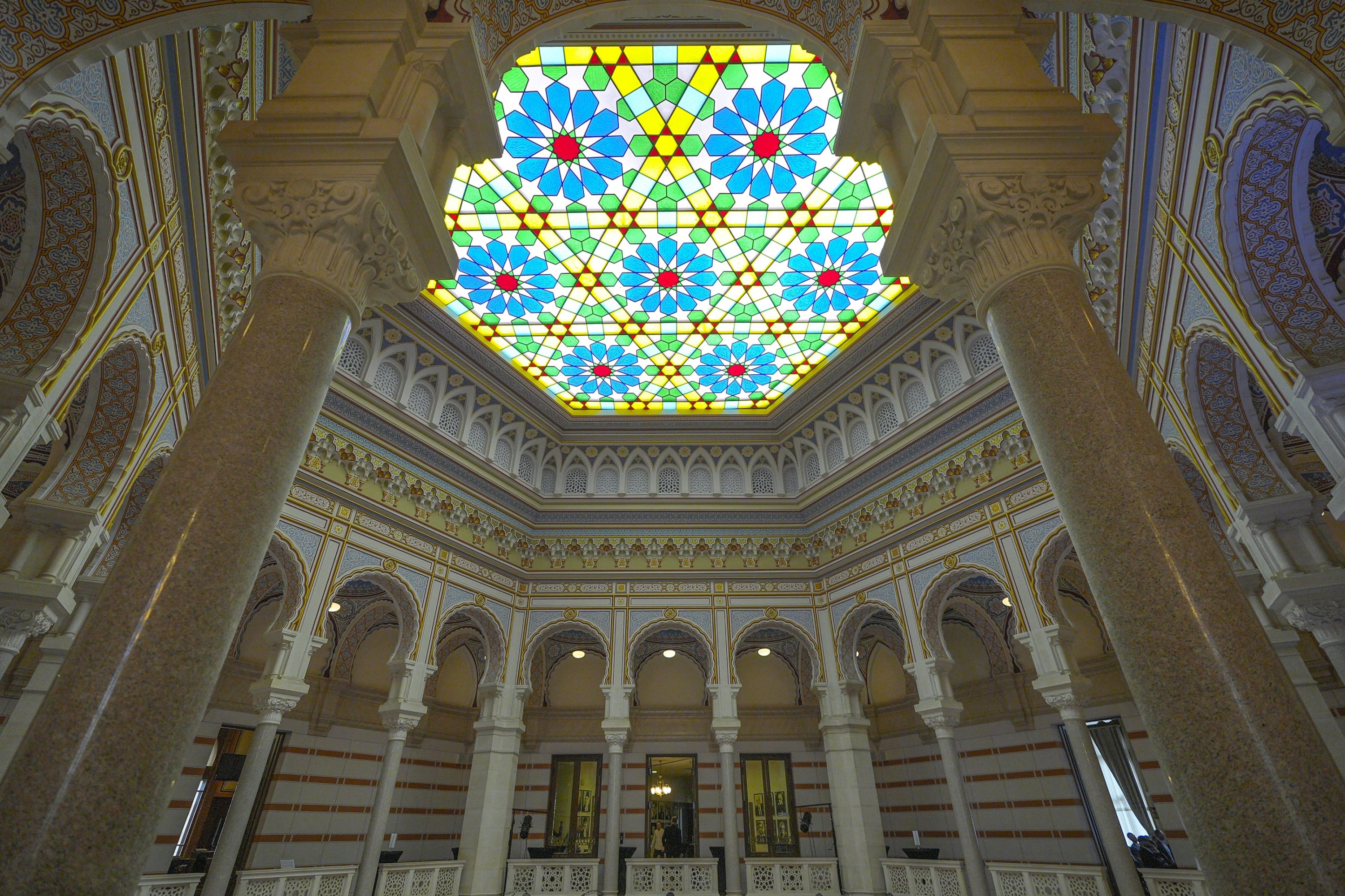
Today, the restored building functions as both a museum and cultural venue, hosting exhibitions, events and official gatherings. It remains a major attraction for both domestic and international visitors to Sarajevo.
Frequently included on tourist itineraries, Vijecnica now draws hundreds of thousands of visitors each year. Its restored façade and distinctive architecture have made it a popular site for photography, while its history as both a cultural treasure and a war survivor continues to define its significance in the city.