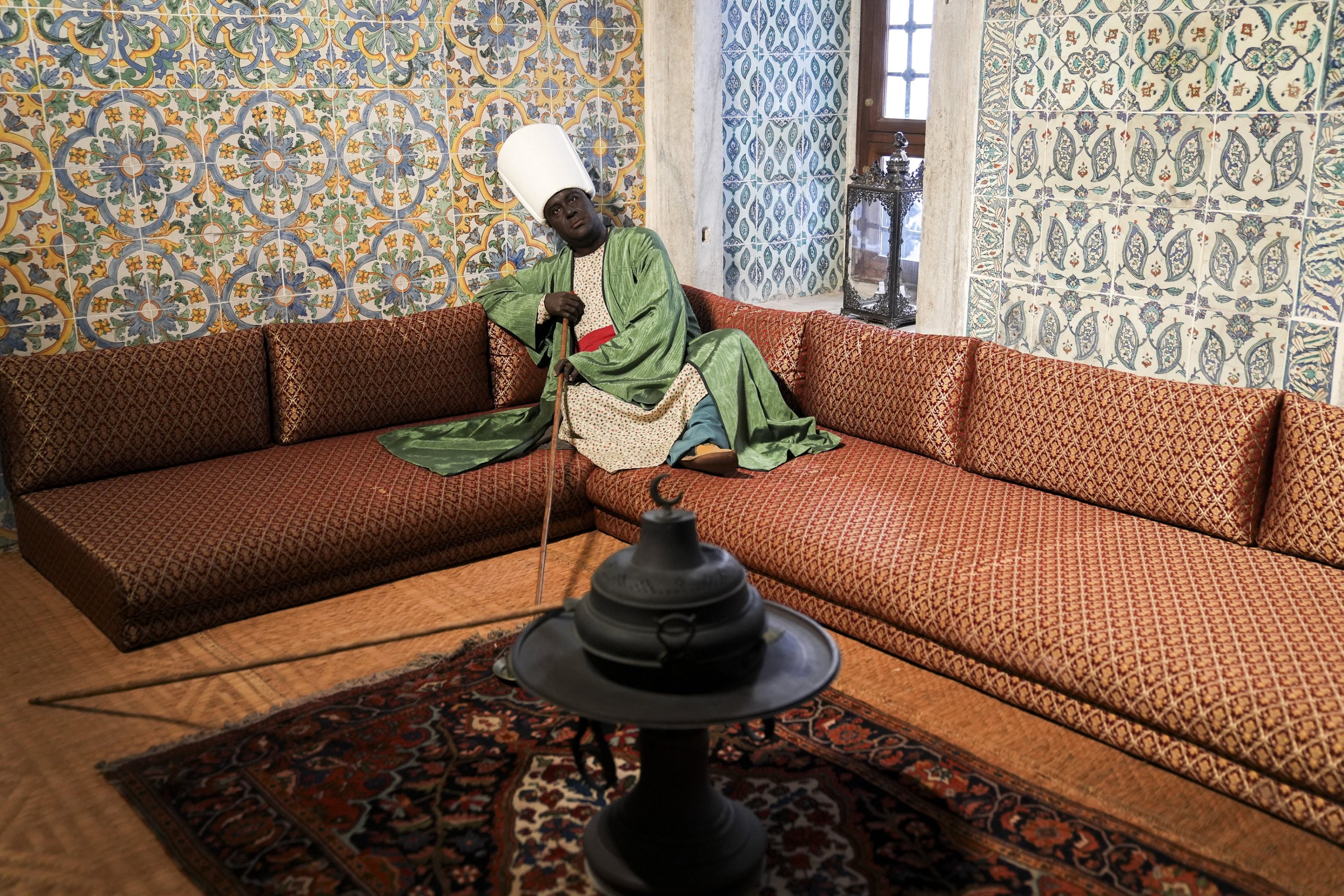
The Karaağalar Koğuşu (Dormitory of the Black Eunuchs), located within Topkapı Palace and managed by the Presidency of National Palaces, has been opened to the public for the first time following the completion of a comprehensive restoration project.
Situated in the Harem-i Hümayun (Imperial Harem), the ward once served as the living quarters of the "Karaağalar" – the black eunuchs responsible for the safety of the sultan and his family. The newly accessible site draws attention for both its architectural beauty and its cultural and historical significance.
Built in 1665 during the reign of Sultan Mehmed IV, the Karaağalar Ward was constructed after a major fire destroyed earlier harem quarters. With its three-story structure, intricate tile work, painted decorations (kalem işi) and original Ottoman cabinetry (Edirnekari), the ward reflects the classical Ottoman architectural style.
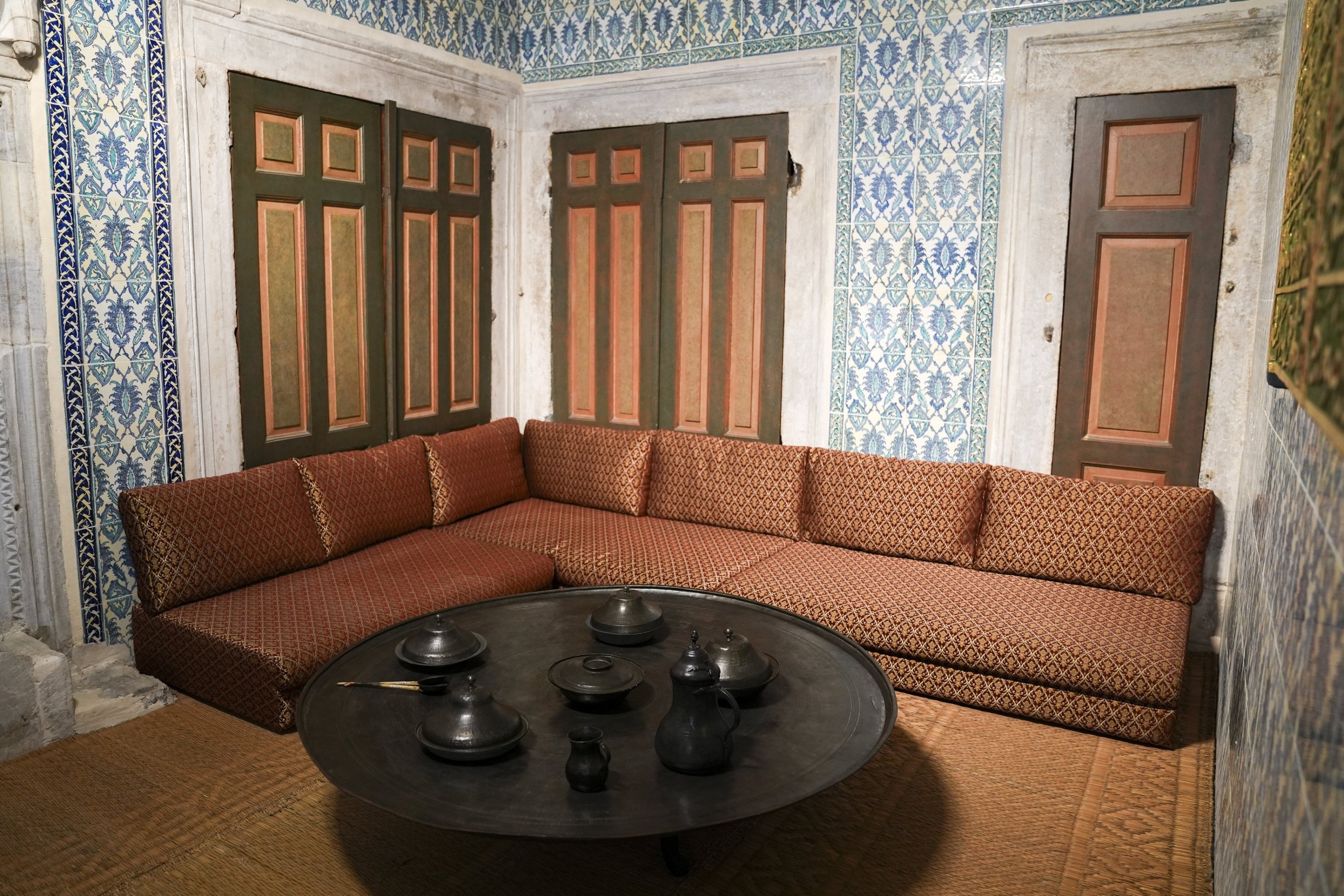
Yasin Yıldız, president of Türkiye's National Palaces Administration, emphasized that the building is one of the most authentic examples from the classical period of the Topkapı Harem. “Due to its historical importance and delicate condition, the restoration process required exceptional care,” he noted.
The Black eunuchs were brought primarily from North Africa – including Sudan, Somalia and Ethiopia – to serve in the palace, particularly in the harem. These individuals held significant responsibilities in the palace hierarchy, ranked just below the grand vizier in state protocol.
Many Black eunuchs accumulated wealth and founded numerous charitable endowments (vakıfs), which funded mosques, inns and fountains across Istanbul. Perhaps most notably, they served as custodians of Islam’s holiest sites, including the Kaaba in Mecca and the Prophet’s Tomb in Medina.
The ward functioned as more than just housing; it operated as a kind of school for young eunuchs. Newly arrived Black eunuchs began their service on the upper floors and, as they gained experience and rank, moved to the lower levels.
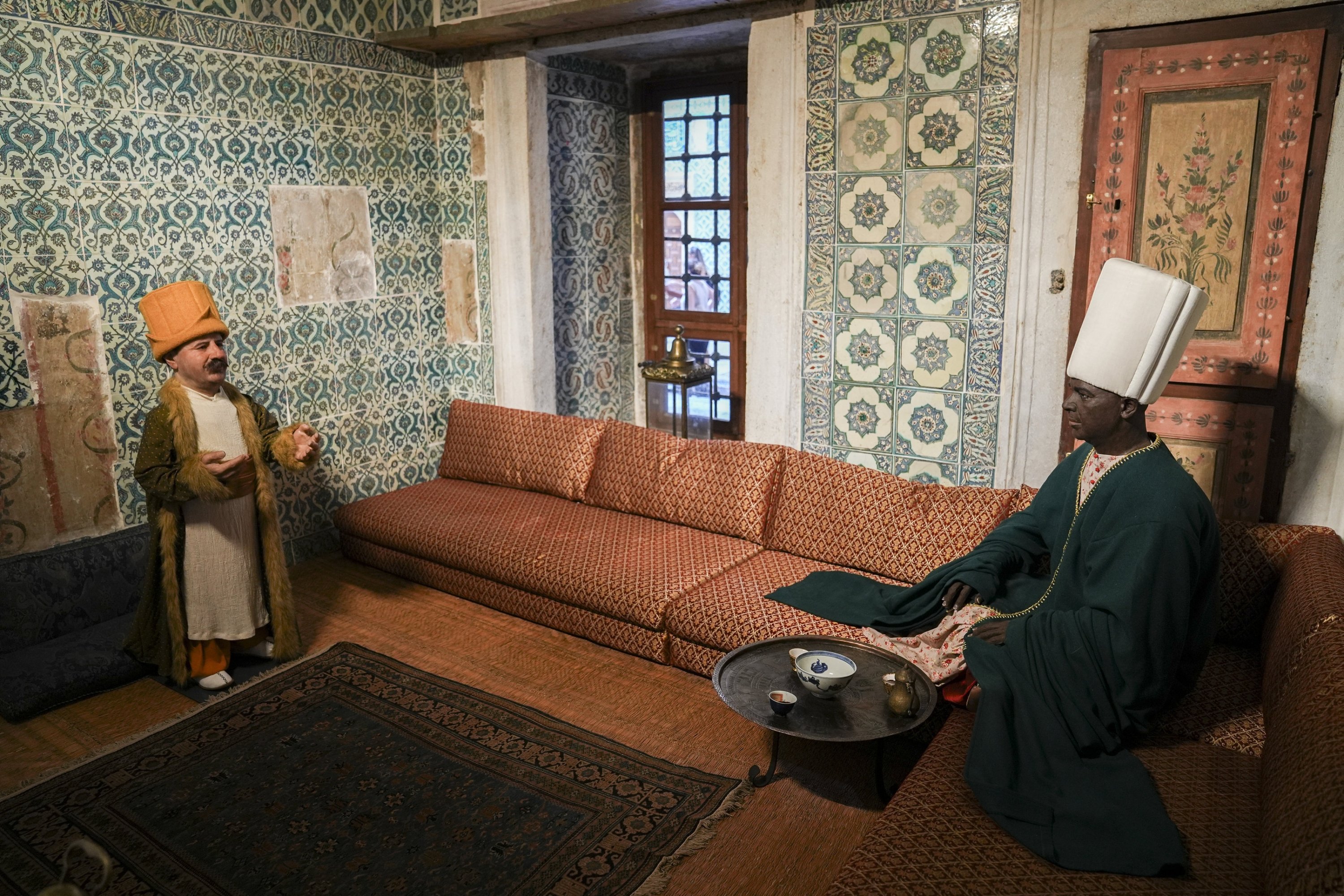
“This architectural layout mirrors their position within palace protocol,” said Yıldız, who added that the dormitory also includes a collection of original items that reflect the lifestyle and internal organization of its former residents.
The restoration took over a decade and was carried out by expert art historians, architects and conservators. Efforts included structural repair, conservation of wall paintings, woodwork treatments and surface cleaning – all with strict adherence to historical materials and methods.
The opening of Black eunuch ward is part of a broader effort to gradually restore and open all sections of the arem to the public. Previously restored areas such as the "Room of Sultan Ahmed I" and the "Fruit Room" (Yemiş Odası) have already been included in visitor routes.
Yıldız stated that the restoration included both the architectural structure and movable artifacts. Historical wall inscriptions and information about charitable foundations established by the Black eunuchs are now on display for visitors.
Across from the ward is the "Cüceler Koğuşu" ("Ward of the Dwarfs"), where restoration is nearing completion. Work also continues in the Court of the Concubines ("Kadınefendiler Dairesi"), known for its exquisite 16th- and 17th-century tilework and ornamentation.
“Our ultimate goal,” Yıldız explained, “is to open the entire Harem to visitors, without interrupting access to other sections during restoration.”
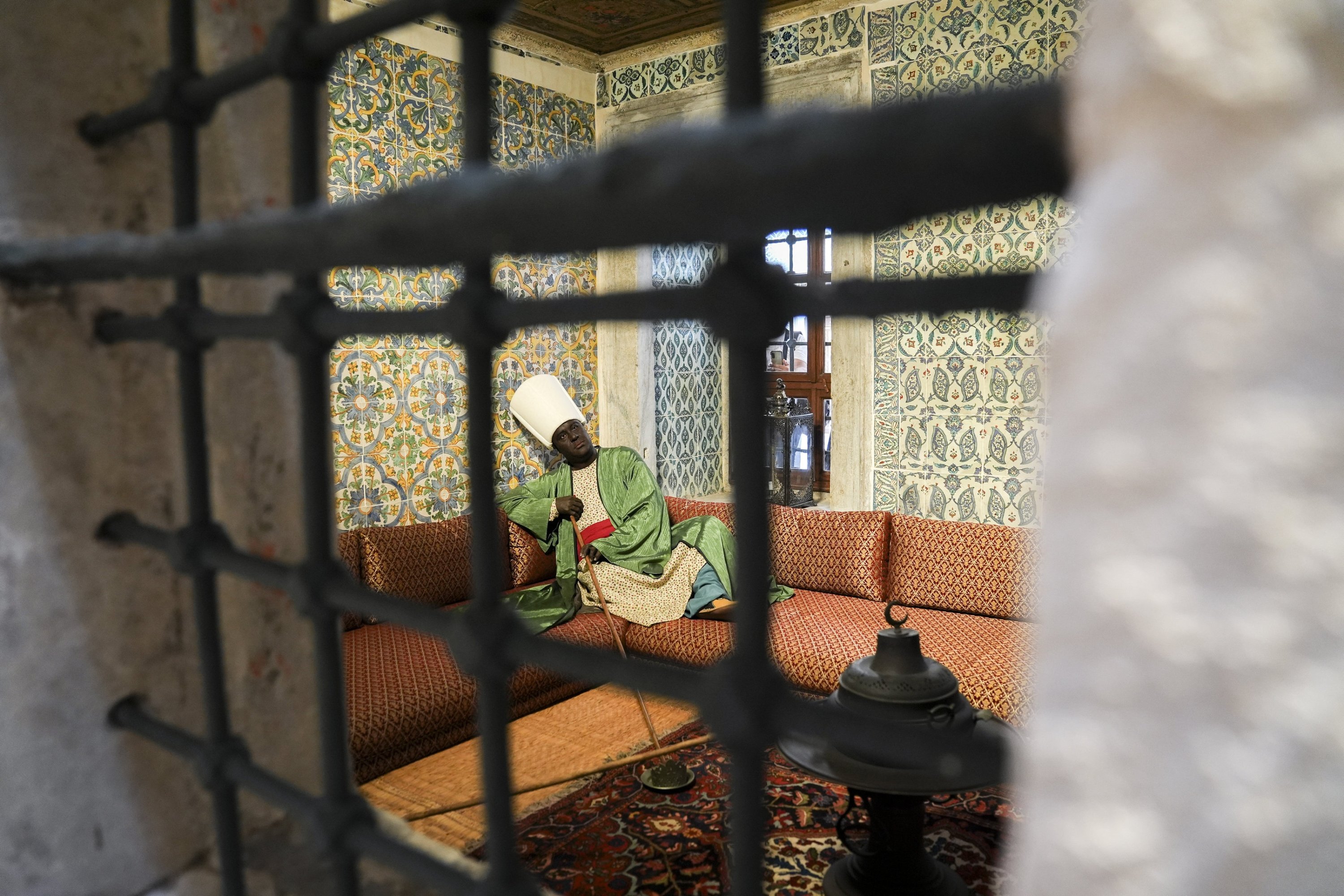
In Ottoman palace life, eunuchs were categorized as akağalar (white eunuchs) and karaağalar (black eunuchs). While the former served in the outer sections of the palace, the latter held exclusive roles within the harem. Typically brought to the palace at a young age, these individuals received rigorous training before joining the court, where they served with loyalty, discipline and dignity.
The highest-ranking among them was the darüssaade ağası (chief Black eunuch), who was second only to the grand vizier and oversaw all harem affairs, as well as the administration of Islamic holy endowments.
The current structure was rebuilt after a devastating fire in 1665. Notable features at the entrance include an inscription of the "Besmele" (In the name of God), a reference to “Sultan Gazi Mehmed Han, son of Ibrahim Han,” and a 1667 (Hijri 1078) prayer inscription: “O Opener of Doors, open for us the best of doors.”
Thanks to the restoration, visitors can now experience not only the physical architecture but also the cultural life of the Karaağalar. Wax figures and original household items illustrate their daily routines, while period-specific furnishings, murals and archival visuals provide historical context.