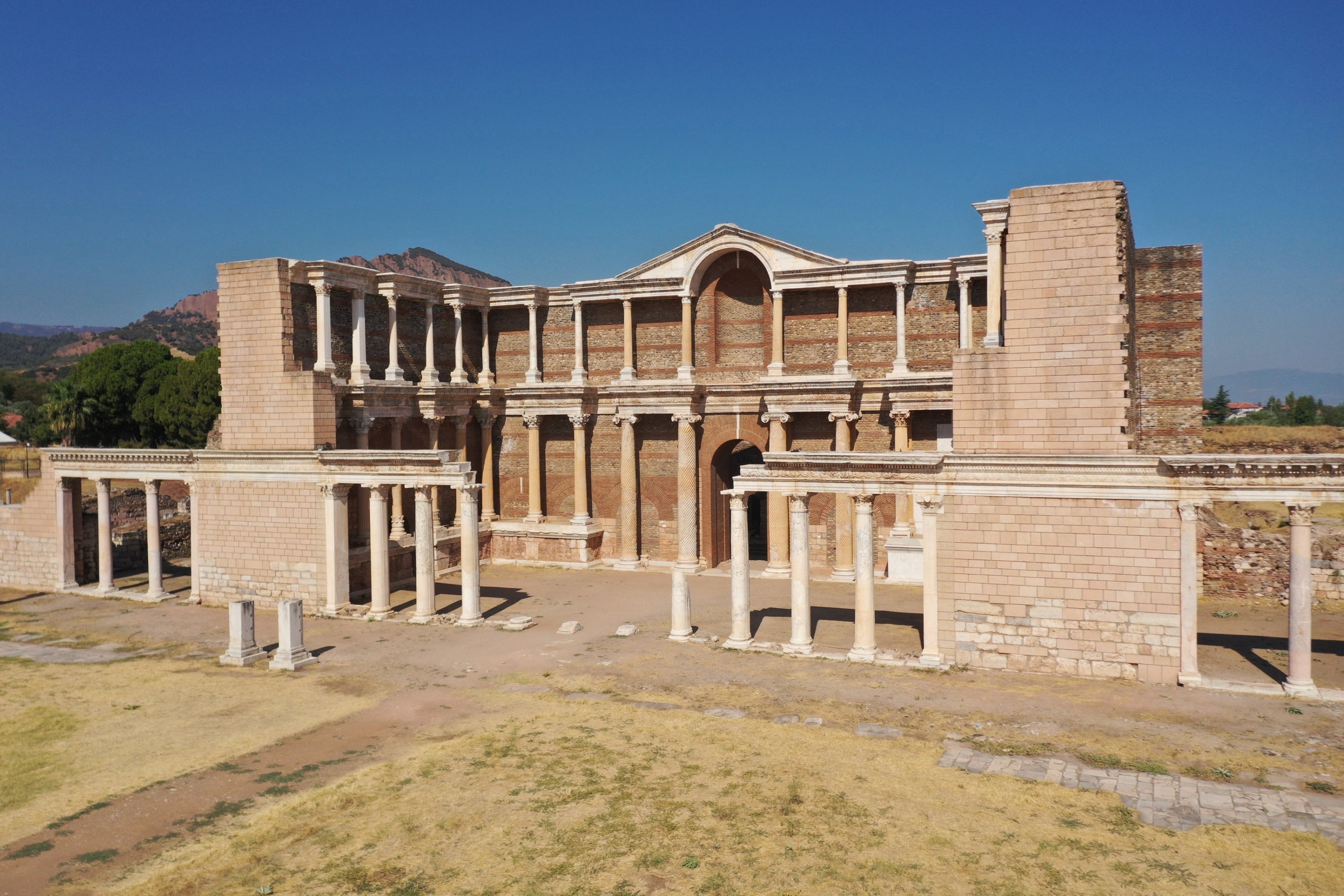
Archaeological efforts are underway to open newly uncovered Lydia period remains to the public at Sardes Ancient City, a UNESCO World Heritage site, following over 120 years of excavations.
Located in Manisa’s Salihli district, western Türkiye, Sardes is historically renowned as the first place where coinage was officially minted under state authority. The ancient capital of the Kingdom of Lydia, the site attracts visitors with its rich multicultural heritage, including the Temple of Artemis from the polytheistic era, the largest known synagogue from antiquity, a church referenced in the Gospel of John and monumental Roman baths and gymnasium ruins.
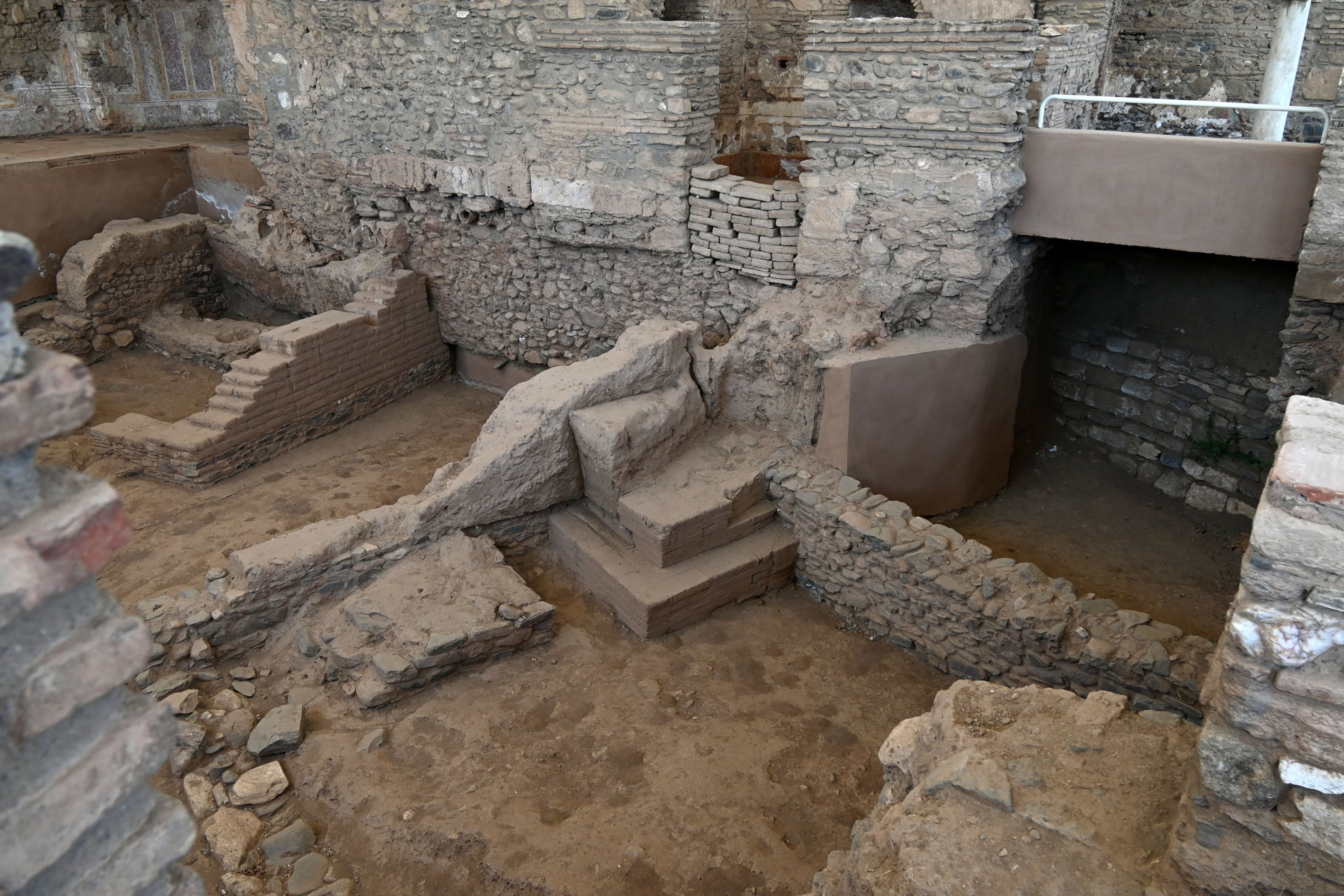
The archaeological layers at Sardes reveal successive dominations: Byzantine, Roman, Hellenistic, Persian and beneath them, Lydia. Until now, visitors have primarily explored the Hellenistic, Roman and Byzantine periods. However, recent efforts focus on excavating and showcasing artifacts dating back to Lydia and evidence of Persian destruction, pushing the historical narrative further back to around the 12th century B.C.
Professor Nicholas Cahill from the University of Wisconsin-Madison, who leads the excavation team, highlighted the difficulty of reaching Lydia-era remains due to the layers of civilizations that have been built atop one another. “Because Roman and Hellenistic structures overlay Lydia’s cityscape, uncovering Lydia’s urban fabric without disturbing these layers is extremely challenging. That’s why we could only excavate a small area so far,” he explained.
Among the significant finds awaiting public display are a Lydia kitchen with around 30 ceramic dishes, a hearth, cooking pots and iron skewers for roasting meat. Intriguingly, they also discovered the skeleton of an elderly person believed to have lived in the house, as well as a rare type of glass factory producing deep red, blood-colored glass – unlike the transparent glass typical in Greece of that era and more commonly associated with Mesopotamia.
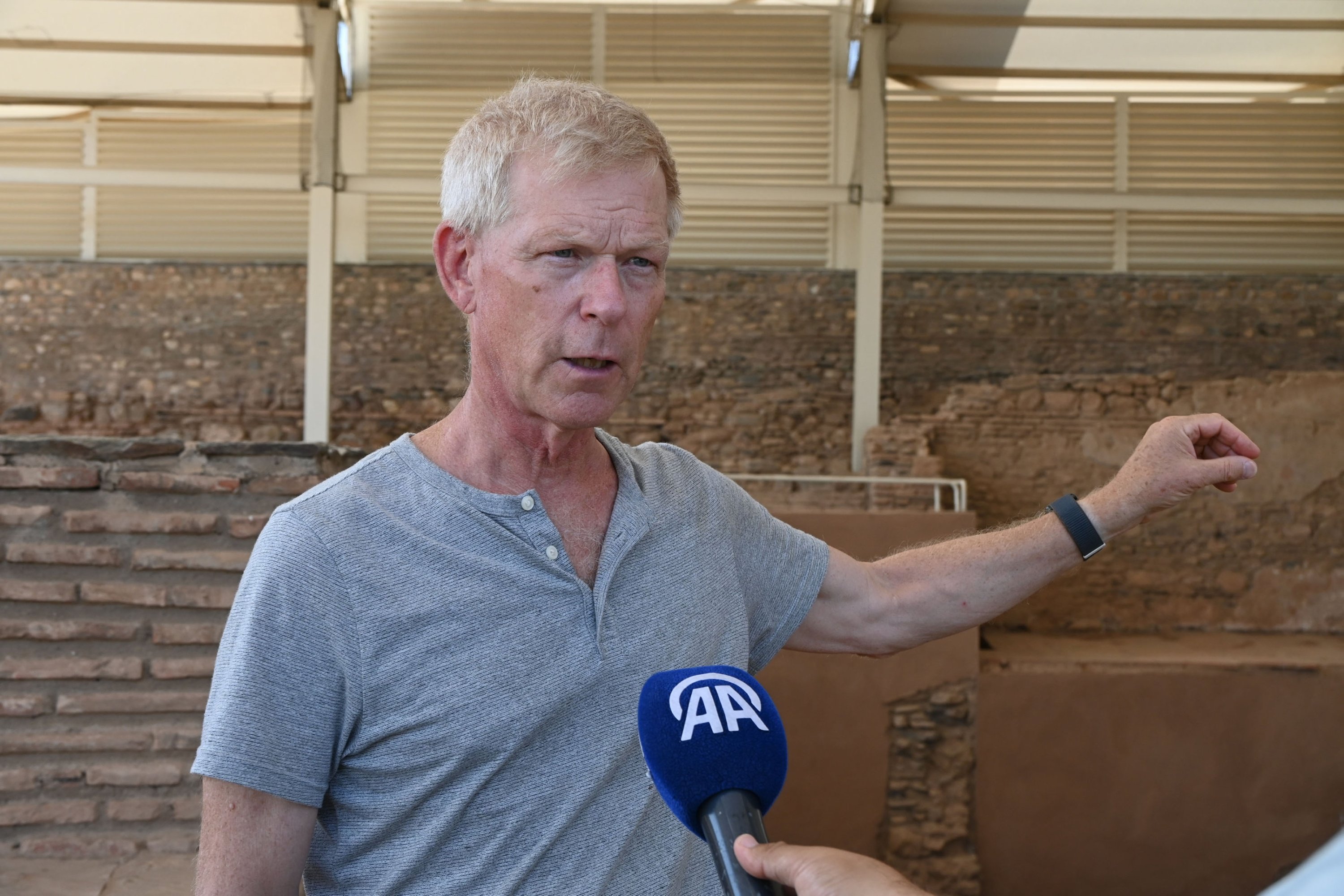
The team plans to create a visitor trail leading down into a deep excavation pit where guests will see the remains of Lydia’s defensive city walls, burnt mudbrick layers and residential structures. “For the first time, visitors will be able to experience the Lydia city and culture directly,” Cahill said. “Although Sardes is known as Lydia’s capital and some Lydia remains have been excavated, they haven’t been presented to tourists in an accessible and understandable way. This project aims to change that.”
The excavation and visitor path are expected to be completed and opened to the public by mid-next year, offering a rare glimpse into one of the earliest and most influential civilizations of Anatolia.