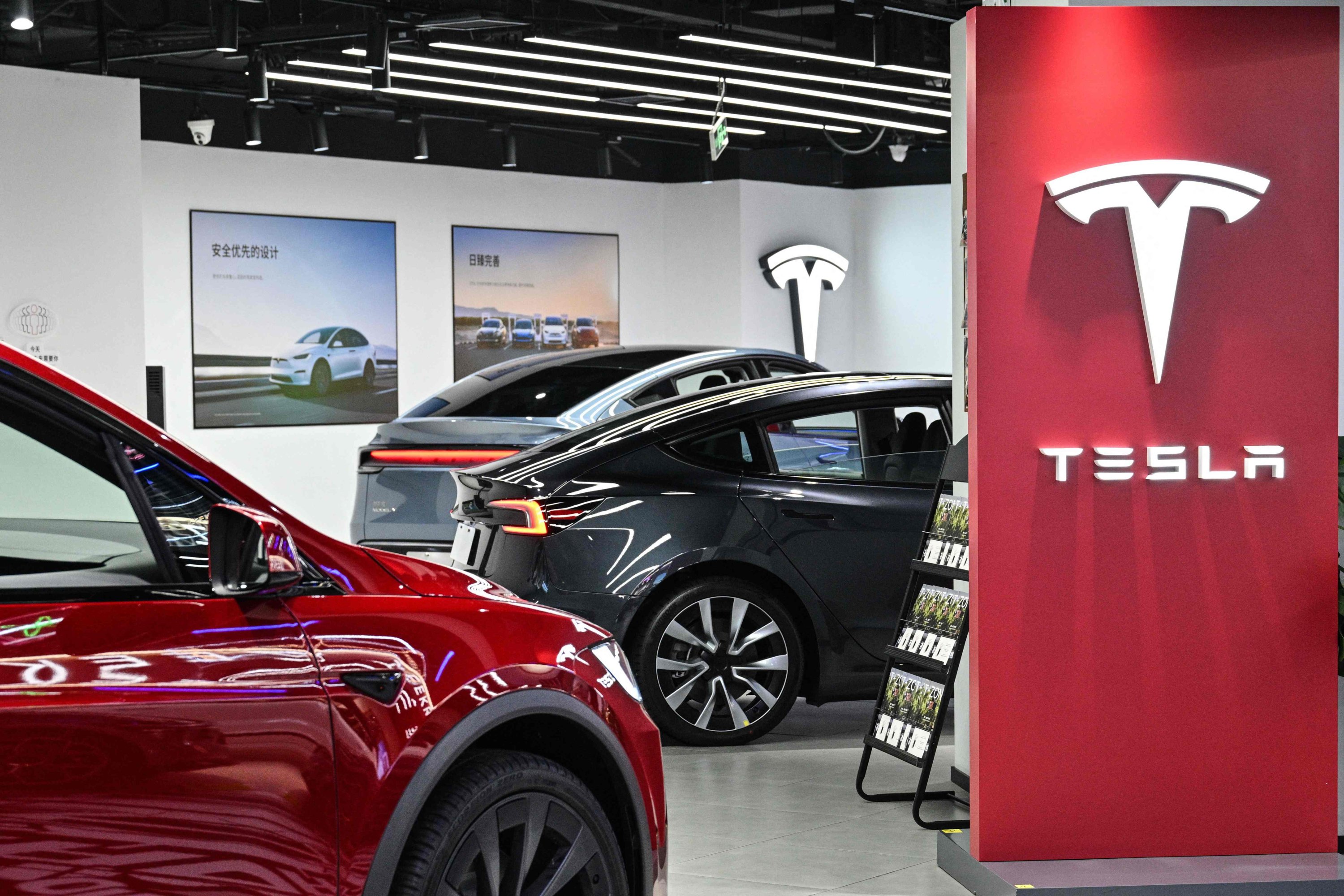
The sales of electric maker Tesla nearly halved across Europe in January, when compared to the same month last year, data from a top association revealed on Tuesday, in what critics attributed to waning demand originating from the profile of its chief Elon Musk and his proximity to U.S. President Donald Trump.
The U.S.-based electric vehicle giant's sales in Europe dropped by 45.2% in January compared to the same month in 2024, the European Automobile Manufacturers' Association (ACEA) data showed.
Tesla sold 9,945 units in January, down from 18,161 units in January 2024 in Europe – including the EU, the European Free Trade Association (EFTA) and the U.K.
The company's share of the market dropped to 1% from 1.8%.
Only in the EU, Tesla's sales fell by 50.3% to 7,517 units in January 2025, versus the same month last year.
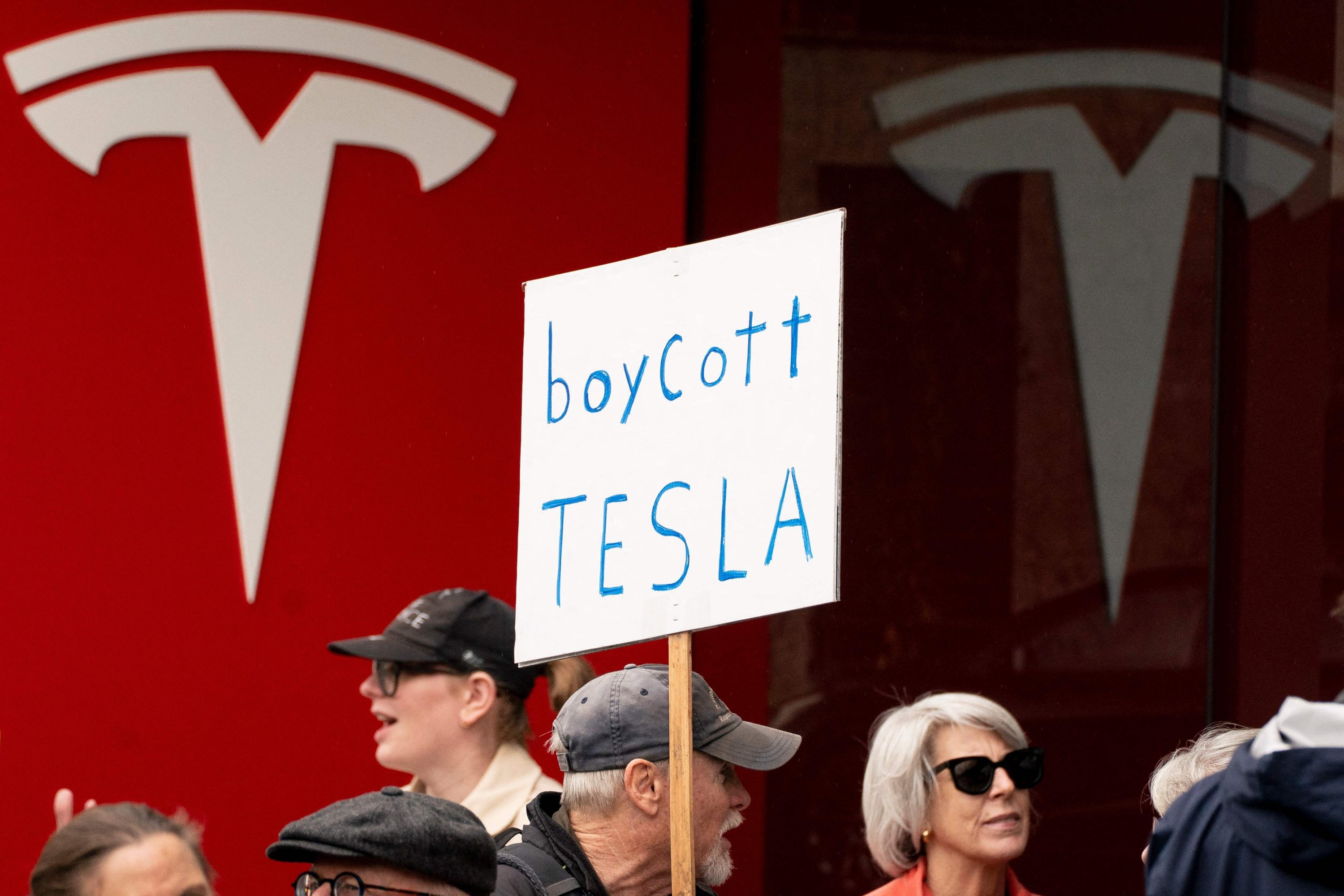
Analysts recently warned that Musk's close relationship with Trump, the backing of some European far-right parties and attacks on diversity policies could drive European buyers away from his company.
This appears to be reflected in sales in the first month of the year.
The backlash has been particularly strong in Germany, where Musk has voiced firm support for the far-right AfD party – a political taboo in a country where the Nazi past remains a sensitive subject.
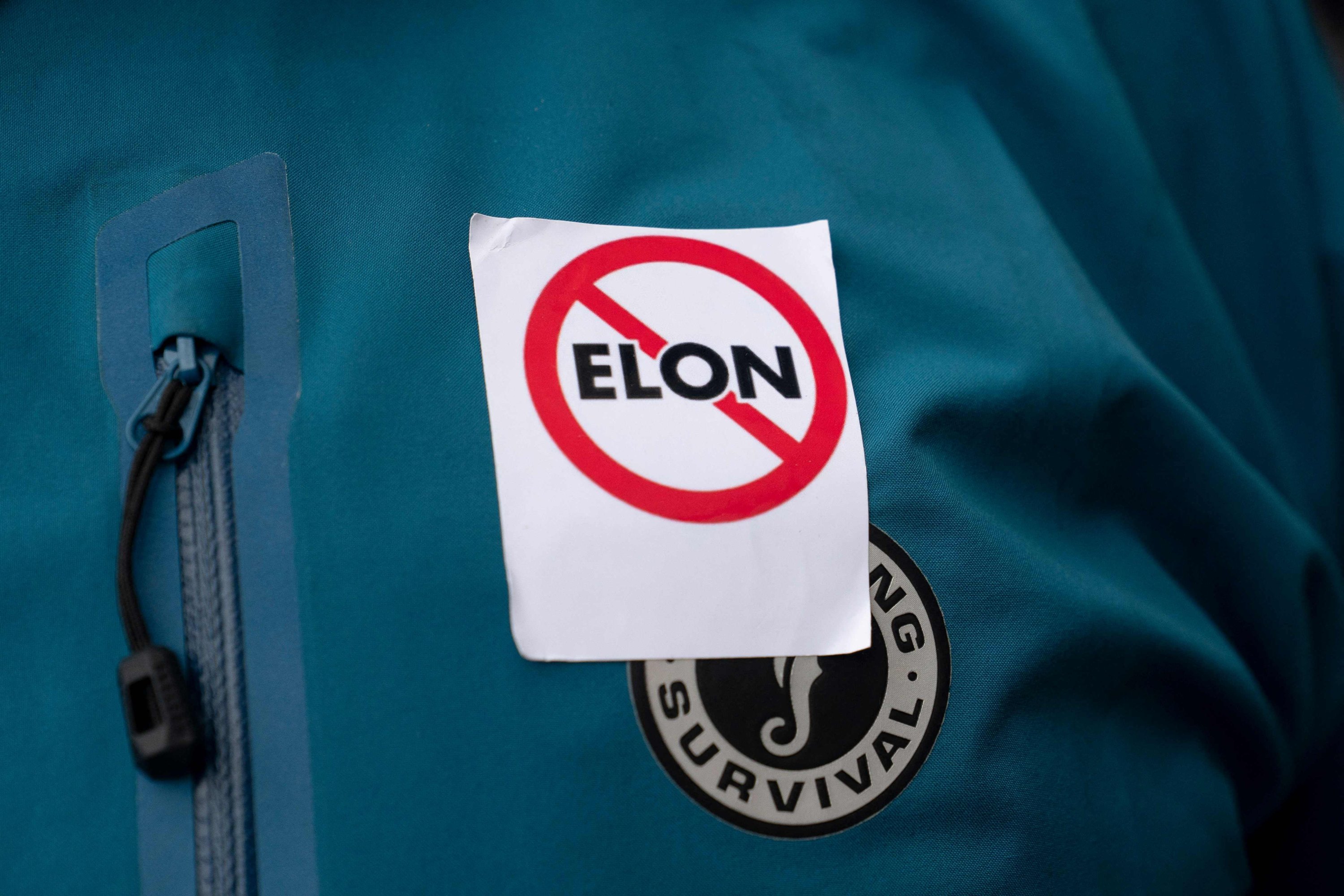
Stickers bearing the message "I bought this car before Elon went crazy" started showing up on German Tesla cars, as they had in the U.S.
Musk, also leading the newly formed Department of Government Efficiency (DOGE) agency in the U.S., has been at the forefront in the first month of Trump's new term as he began a downsizing initiative, investigating key agencies, and consequently raising concerns over confidentiality and conflict of interest.
Looking at the EU passenger car market overall, the data revealed it contracted by 2.6% year-over-year in January, with 831,203 new automobile registrations, according to the ACEA.
Notably, almost all of the EU's major car markets posted declines, with France falling at 6.2%, followed by Italy (5.8%) and Germany (2.8%). Spain conversely recorded a 5.3% increase.
In January, battery electric vehicles (BEVs) made up 15% of the market share, up from the low baseline of comparison of 10.9% in January 2024, the ACEA said.
Hybrid-electric vehicles surged ahead, commanding nearly 34.9% of the market and becoming again the first most preferred choice among EU car buyers. Meanwhile, the combined market share of petrol and diesel cars fell to 39.4% in January 2025, down from 48.7% one year ago.
Despite the recent trend, particularly in the rising popularity of hybrid vehicles, EU carmakers are facing growing competition from Chinese rivals and are also bracing for the potential impact of the U.S. tariffs. The carmakers are at the same time urging the European Commission to grant relief from potential fines resulting from carbon dioxide car emission targets that came into effect in January.
Some automakers have increased the prices of petrol engine models to encourage EV adoption, but the industry fears that customers will buy fewer cars.