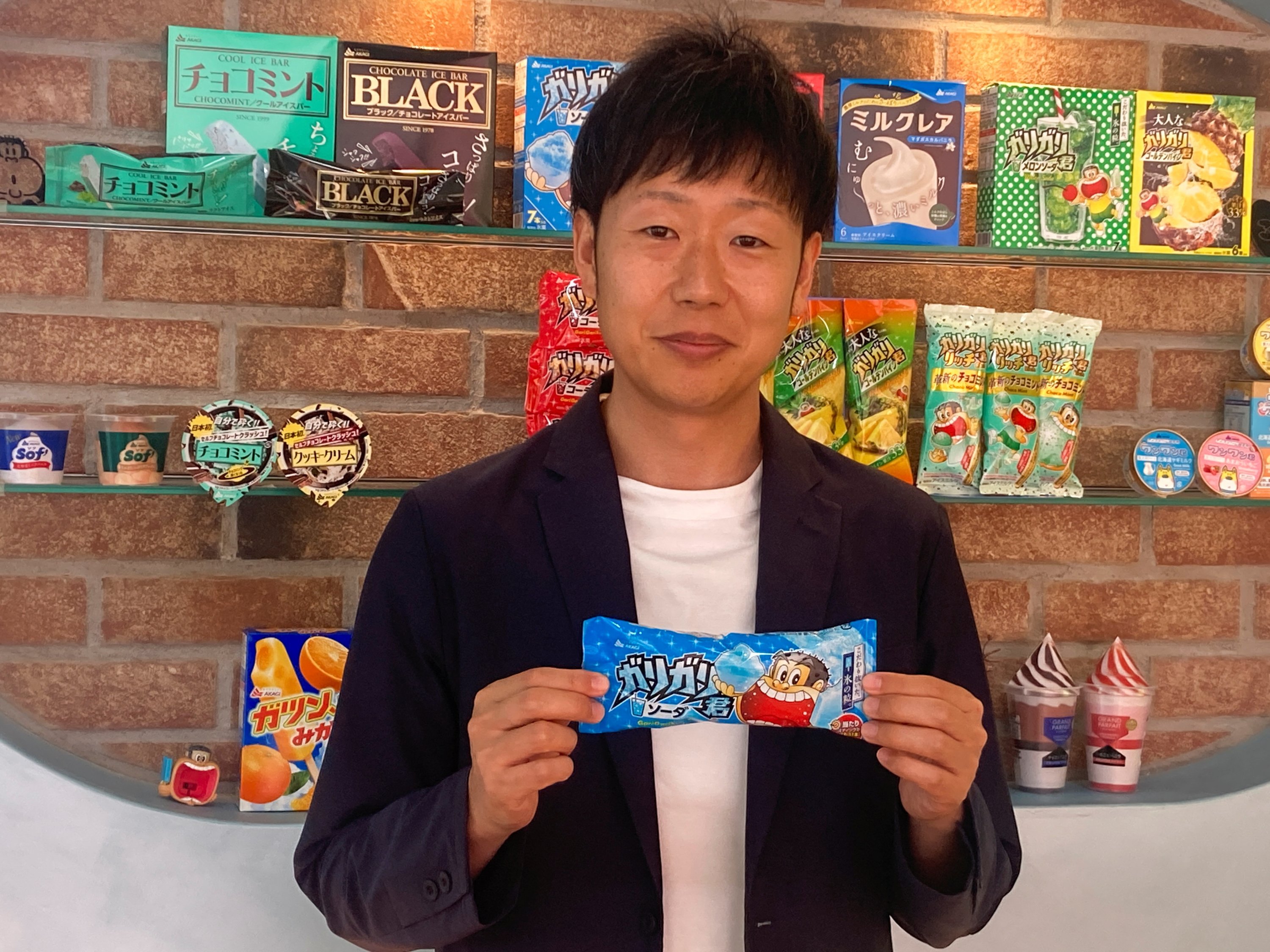
When Japanese ice pop maker Akagi Nyugyo raised its prices by only 10 yen ($ 0.07) in 2016, its somber-looking management appeared in a one-minute commercial, bowing silently in apology as a melancholy folk song lamented the inevitability of price hikes.
Almost a decade later, the Saitama-based company has changed its tune – a tongue-in-cheek advertising campaign last year promised in a series of photos to bow successively deeper for each of its subsequent three price hikes.
The lighter-hearted spin comes as Japanese firms, after decades of deflation, find a rare moment that allows them to raise prices without triggering the intense public backlash that once made such moves taboo.
"Compared to when we raised prices in 2016, I'd say there's more of a sense now that the public is more accepting of price hikes," the company's marketing team leader Hideyuki Okamoto said. "The sentiment that price hikes are evil is receding."
That shift in consumer mindset is driven by the most significant pay hikes in three decades and has given companies more confidence to pass on rising costs – something they long avoided for fear of losing customers. If sustained, the change could embolden the central bank to raise interest rates further, though that is dependent on just how much more households can absorb.
The Bank of Japan (BOJ) is expected to keep its benchmark rates unchanged at this week's policy meeting but could signal its intention to resume rate hikes later in the year.
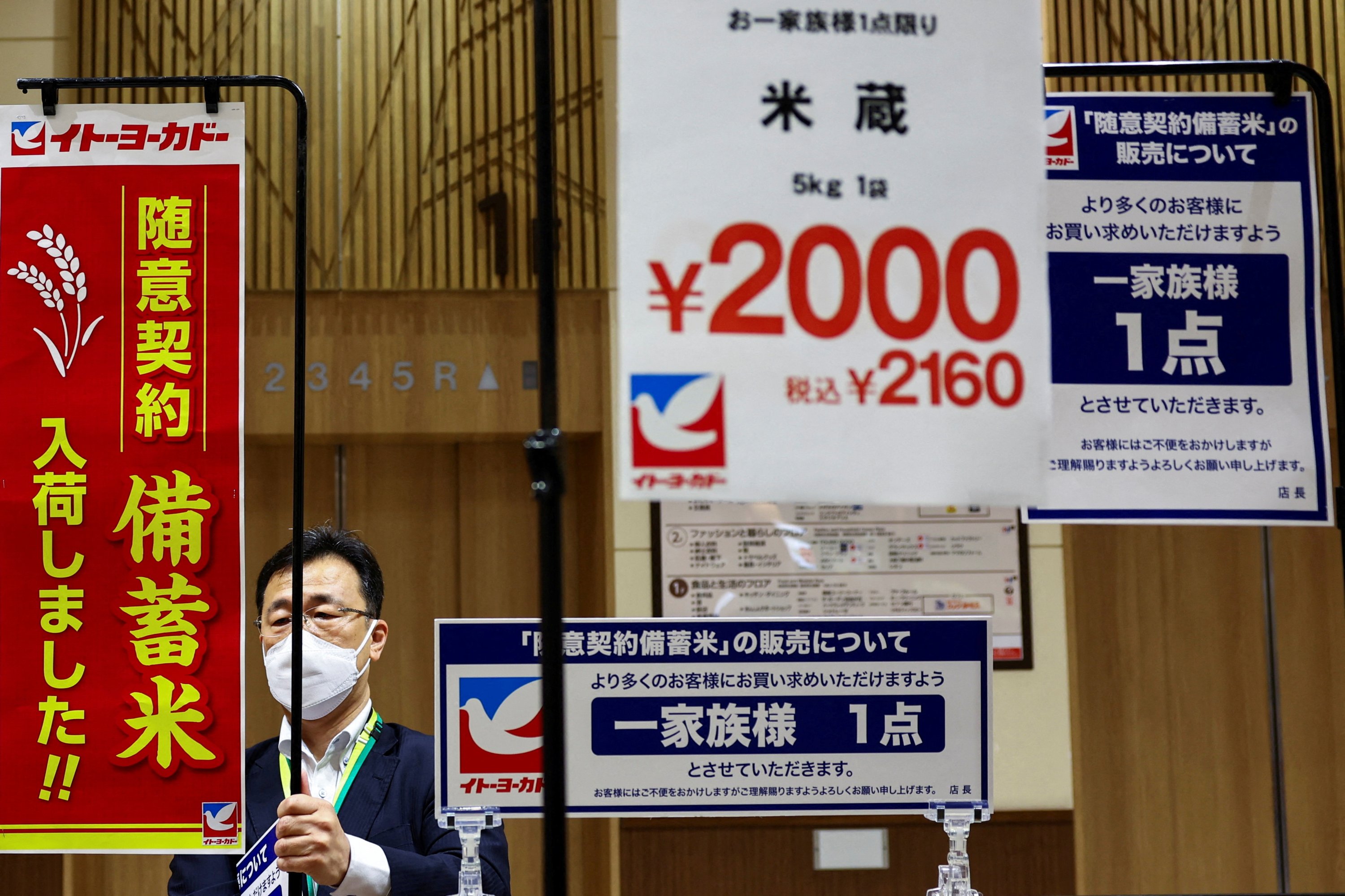
Japan's consumer inflation has stayed above 2% for three years, mainly driven by rising food prices, a sharp departure from the decades of near-zero inflation that followed the asset bubble collapse in the early 1990s. Nearly 200 major food makers expect to hike prices for 2,105 items in July – up fivefold from year-before levels – by an average 15%, a private think tank survey showed recently.
"A few years ago, people would make a fuss over one or two items going up. Now it's dozens, even hundreds. You can't keep track anymore. There are just too many to remember," said Fusako Usuba, a 79-year-old pensioner.
"But there's no way around it, because we all need to eat to survive," she added.
Japan's wave of price hikes initially began in 2022, triggered by external shocks such as post-pandemic supply chain disruptions, the war in Ukraine and the yen's subsequent depreciation.
However, economists argue that it is consumers' greater tolerance for higher prices – underpinned by three consecutive years of robust wage growth – that has sustained the trend.
"Japanese consumers have come to realize they are now living in an era of persistent price increases," said Tsutomu Watanabe, emeritus professor of economics at the University of Tokyo. He said consumers are beginning to shift their focus from low prices to higher wages, as intensifying labor shortages give workers more bargaining power.
According to a survey led by Watanabe, Japanese consumers were the most resistant to price hikes among five major countries four years ago, with a majority saying they would switch supermarkets if prices rose by 10%.
However, in the same survey last year, most respondents indicated that they would continue shopping at the same stores and purchasing the same items, aligning them with consumers in other countries.
The key question now is whether the trend is sustainable.
Meiji, Japan's top chocolate maker, has implemented nine price hikes since 2022, reflecting the soaring costs of cocoa.
"Back in 2022, we met resistance from retailers asking us to hold off a bit longer," said Akira Yoshida, general manager at Meiji's cacao marketing division. "Nowadays, they accept our price hikes more smoothly, so we assume their customers are also reluctantly going along."
But Meiji, which holds a 25% market share and effectively sets industry prices, is now seeing signs of price fatigue.
A 20% price hike in June, the biggest in recent years, led to a more than 20% drop in sales volume at some retailers, unlike in previous rounds where volume declines were smaller than the scale of price hikes.
"We're increasingly concerned. There's only so much more we can raise prices," Yoshida said. "I think we'll need to change how people view chocolate – not as a commodity, but as a luxury."
Rei Ihara, a food sector analyst at UBS Securities, said the scope for further price hikes is narrowing, as Japan's Engel coefficient – the share of household spending on food – reached 28.3% in 2024, the highest in 43 years.
"With prices rising year after year, consumers appear to be adjusting their purchasing habits, opting for less expensive options like chicken instead of beef, for example. For inflation to be sustainable, it must be supported by solid wage growth," he said.
Inflation has outpaced nominal pay gains, pushing real wage growth into negative territory for months, fuelling frustration among voters that led to a major defeat of Prime Minister Shigeru Ishiba's coalition in recent house elections.
The outlook for wage growth is increasingly uncertain due to sweeping U.S. tariffs. Japanese exporters have so far avoided major price hikes in the U.S. to stay competitive, sacrificing profits. If that continues, it could limit their ability to raise wages next year.
"We're at a turning point now," Watanabe said. "If this wage-driven price momentum fails, we may not see another opportunity like this in our lifetime. This moment is that rare."