China is studying ways to manage capital inflows to prevent turbulence in the domestic market as authorities are “very worried” about the risk of bubbles bursting in foreign markets and the nation’s property sector, its top banking and insurance regulator said Tuesday.
The warning sparked fresh concerns about further tightening in the world’s second-biggest economy. Stocks dropped across Asia.
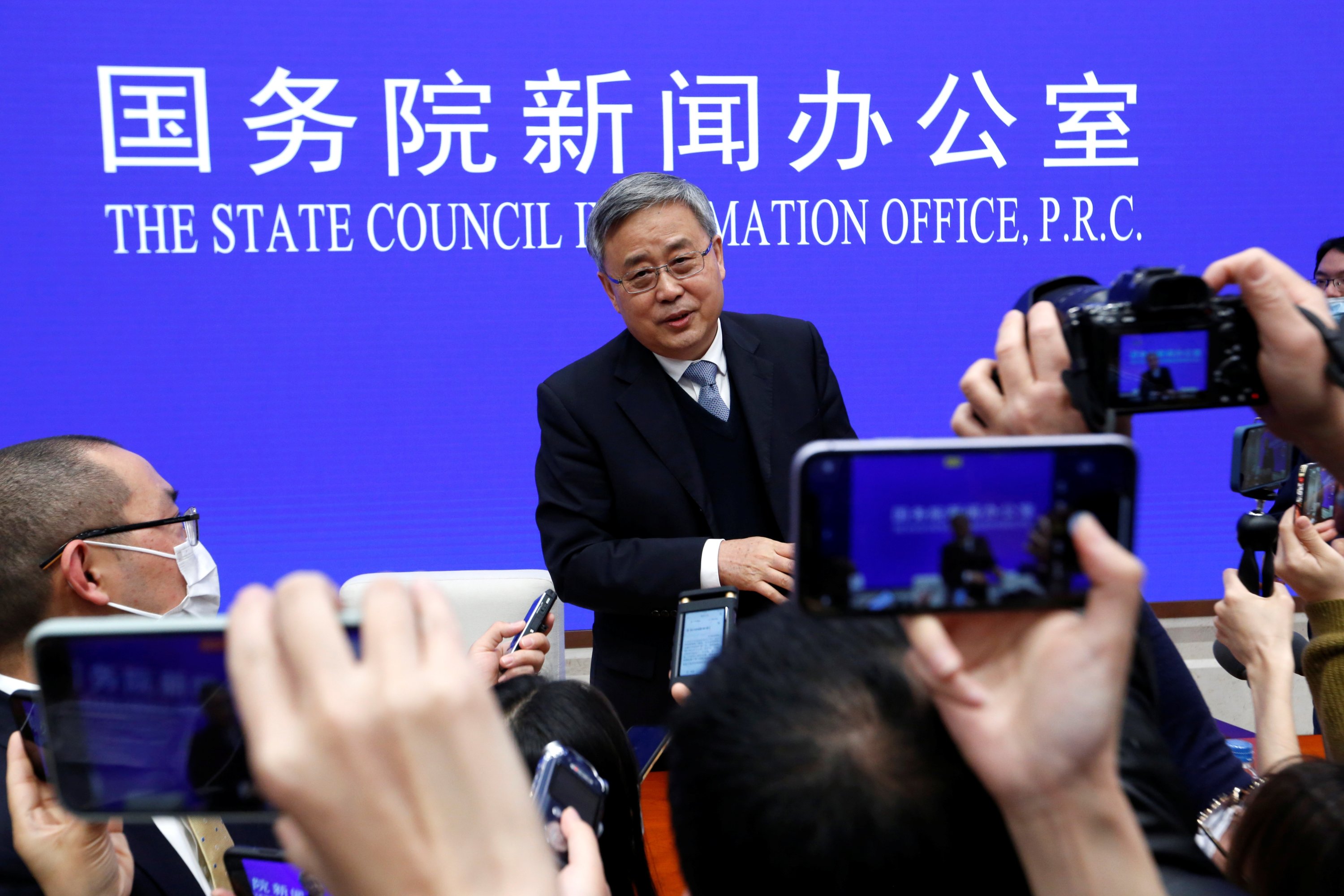
Global markets are starting to see side effects of fiscal and monetary policy steps in response to the COVID-19 pandemic, Guo Shuqing, head of the China Banking and Insurance Regulatory Commission, told a news conference.
“Financial markets are trading at high levels in Europe, the U.S. and other developed countries, which runs counter to the real economy,” Guo said, adding that they will have to face corrections “sooner or later.”
As the economy has become highly globalized, foreign capital flowing into China will increase significantly due to economic recovery and attractive asset prices, he said.
“Financial markets should reflect the situation of the real economy, if there’s a big gap in between, problems will occur and the markets will be forced to adjust. So we are very worried about the financial markets, particularly the risk of the bubble bursting of foreign financial assets.”
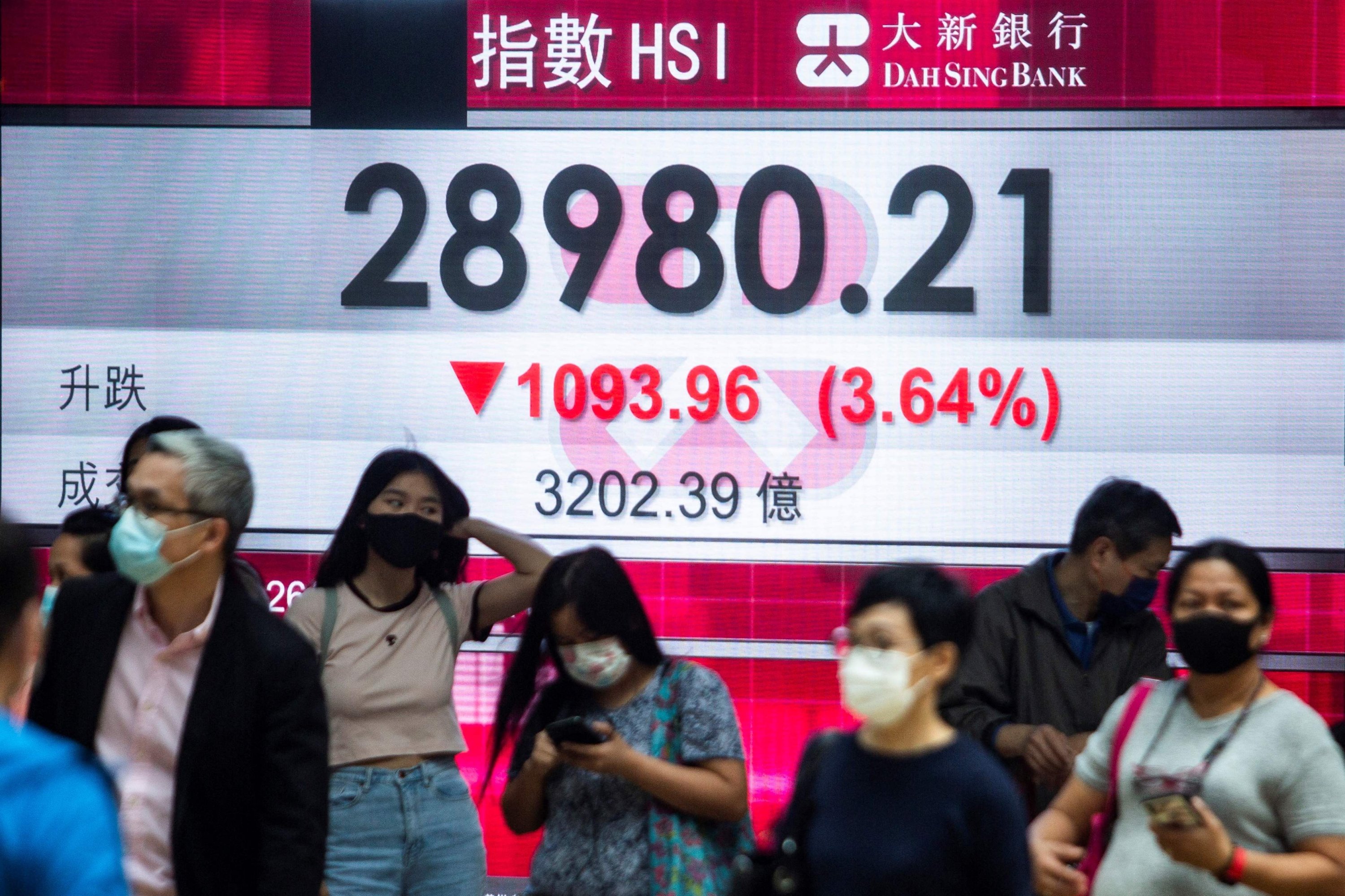
Shares in mainland China and Hong Kong fell after Guo’s remarks.
Chinese blue chips slipped 1.3%, while Hong Kong's Hang Seng Index lost 1.2%.
MSCI’s broadest index of Asia-Pacific shares outside Japan slipped 0.33%. Japan’s Nikkei was down 0.8% as some investors booked profits on defensive energy and utility shares before the end of the fiscal year this month.
“Market sentiment has been harmed somewhat by comments from the head of China’s regulator that the bubble in financial markets may one day pop,” said Connor Campbell, a financial analyst at SpreadEx.
Steady capital inflows against the backdrop of widened interest rate differentials between China and other major economies have supported the Chinese currency.
Guo also highlighted bubble risk as a core issue facing China’s property sector.
“It is quite dangerous that many people are buying homes not for living in but for investment or speculation.”
If the housing market goes down, the value of properties held by people will suffer from huge losses, leading to a vicious cycle of unpaid mortgages and economic chaos, he said.
Guo said China would continue some policies, including pushing banks to surrender some profits, to support the real economy, but he expected lending rates to rise this year in tandem with higher market interest rates.
“Because market interest rates have been picking up this year, I expect lending rates to rebound also,” Guo said without elaborating.
Policymakers will scale back support for the economy this year after last year’s raft of stimulus measures but will tread warily for fear of derailing a recovery that remains uneven, as consumption lags and small firms struggle, policy insiders said.
The central bank is widely expected to keep its benchmark lending rate – the loan prime rate (LPR) – steady this year.
“In order to contain financial risks, Chinese leaders will probably push forward the task of stabilizing macro-leverage,” said Ken Cheung, chief Asian FX strategist at Mizuho Bank in Hong Kong.
“Kicking off of a rate hike cycle could attract more foreign capital inflows. We reckon that the PBOC would stabilize the leverage by phasing out the pandemic loan support schemes and regulation tightening.”
Investors now eye China’s annual session of parliament beginning on Friday, which is expected to chart a course for economic recovery and unveil a five-year plan to fend off stagnation.