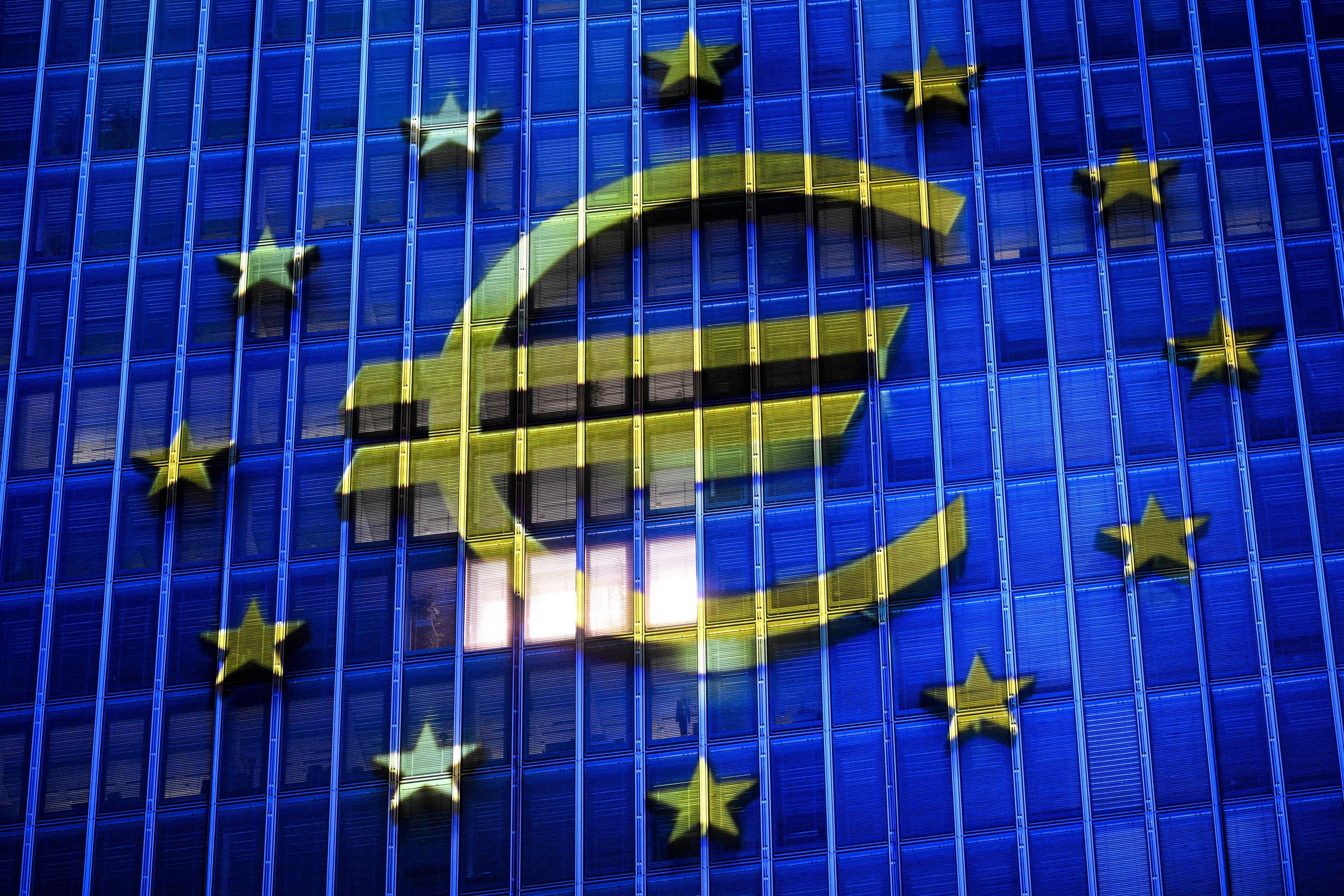
Both the European Central Bank (ECB) and the Bank of England (BoE) kept their interest rate policy unchanged on Thursday, as expected, despite inflation being largely under control in the eurozone area, while the vote in London was once again divided.
BoE said its main interest rate is unchanged at 3.75%, as inflation remains above target and economic growth is showing signs of picking up.
The decision was widely anticipated in financial markets, but the split on the nine-member rate-setting panel was much closer than expected. Five members of the Monetary Policy Committee (MPC) opted to keep rates unchanged, while four voted for a quarter-point cut.
The central bank, which sets interest rates for the whole of the U.K., has been steadily reducing interest rates over the past 18 months, more often than not every three months. It last cut its key rate in December and indicated that further reductions are likely this year.
At that meeting, the policymakers were also split in the vote, which ended 5-4 in favor of the cut.
Economic forecasts accompanying the decision reinforced the view that further rate cuts are in the offing, as the bank is predicting that inflation will fall back to its 2% target in the coming months. It currently stands at 3.4%.
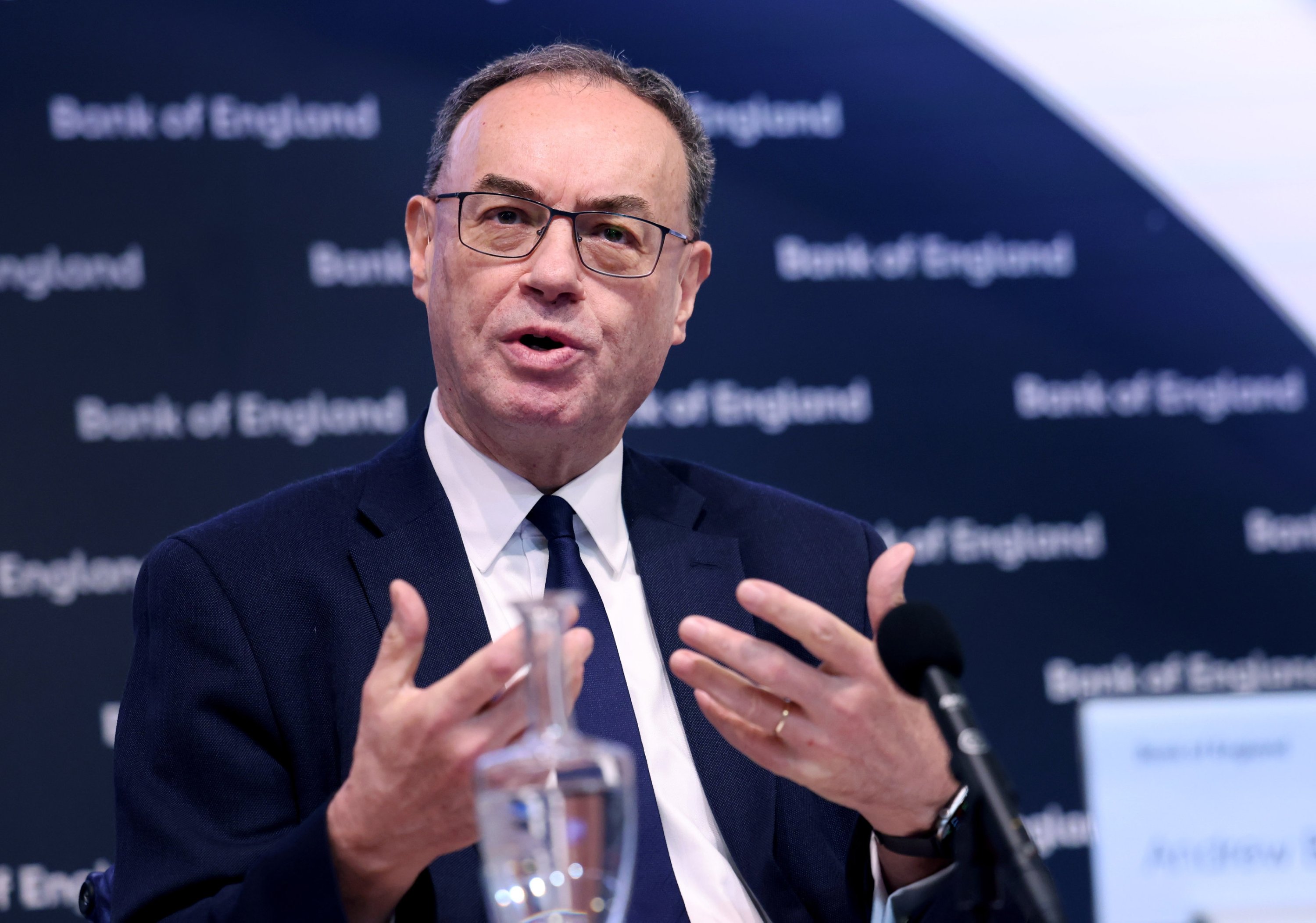
"We now think that inflation will fall back to around 2% by the spring," said BoE Bank Governor Andrew Bailey. "That’s good news. We need to make sure that inflation stays there, so we’ve held rates unchanged at 3.75% today. All going well, there should be scope for some further reduction in Bank Rate this year.”
Britain’s Labour government, which has lost significant support since it won the general election in 2024, partly because of the economy, is counting on inflation falling sharply this year, which would allow the central bank to further reduce borrowing costs.
Lower interest rates help spur economic growth by reducing borrowing costs, which can lead to increased spending by consumers and boost investment by businesses. But that can also fuel higher prices.
Central bankers have to weigh those competing forces, trying to prevent inflation from eroding the value of earnings and savings without putting an unnecessary brake on economic growth.
Meanwhile, later on Thursday, the ECB also kept interest rates unchanged, shrugging off a dip in inflation while continuing to warn about an uncertain geopolitical environment.
The ECB left the rate it pays on bank deposits at 2%, where it has been since June, and reaffirmed that it expects inflation to stabilize at its goal, which is also 2%.
"(The ECB's) updated assessment reconfirms that inflation should stabilize at its 2% target in the medium term," the eurozone's central bank said in a press release.
The bank said the economy remained "resilient in a challenging global environment," highlighting low unemployment, solid private sector balance sheets and the gradual rollout of public spending on defence and infrastructure.
But it repeated its long-standing warning about an uncertain outlook, "owing particularly to ongoing global trade policy uncertainty and geopolitical tensions."
Price growth in the 21 countries that share the euro slipped to 1.7% last month, its lowest level since September 2024, and is expected to stay slightly below the ECB's target for at least a year.
The eurozone economy has nevertheless been picking up pace, with consumption and investments kicking into higher gear in the last three months of 2025.
But last week's tumble in the U.S. dollar, volatility in commodity markets, the Trump administration's war of words over Greenland and its pressure on the Federal Reserve (Fed) to cut rates are some of the reminders that the situation could quickly change.
With Thursday's decision, the interest rates that banks pay to borrow at the ECB's weekly and daily auctions were left unchanged at 2.15% and 2.40%, respectively.