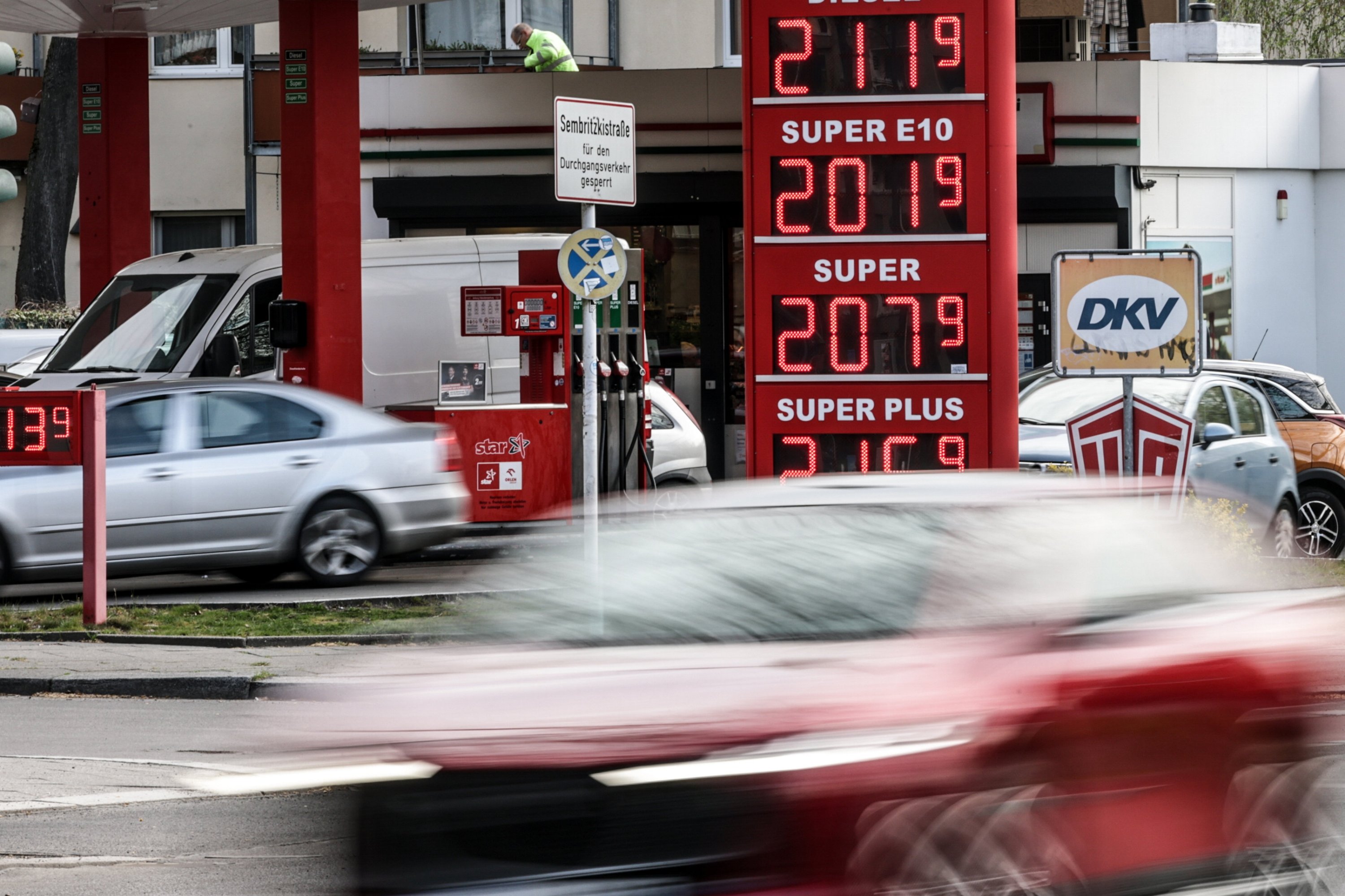
EU Energy Commissioner Dan Jorgensen warned on Tuesday of the rising energy costs for the bloc triggered by the war in Iran and the subsequent blockade of the Strait of Hormuz.
"Since the outbreak of the conflict in the Middle East, the European Union member states have already spent over 30 billion euros (more than $35 billion) more on fossil fuel imports without receiving any additional supply," Jorgensen told journalists in Brussels on Tuesday.
"The world is facing what is arguably the most severe energy crisis ever, one that is testing the resilience of our economies, our societies, and our partnerships," he said.
Roughly a fifth of the world's traded oil and liquefied gas normally passes through the Strait of Hormuz.
Since the start of U.S.-Israeli attacks on Iran, Tehran has effectively halted shipping through the chokepoint through threats and attacks, while Washington has imposed a naval blockade on vessels entering or leaving Iranian ports.
In addition, energy production facilities in several Gulf countries have been damaged by Iranian strikes in the past months.
European Commission President Ursula von der Leyen recently said the conflict and the Hormuz closure is costing the EU almost 500 million euros a day, raising prices at the pumps and fears of a jet fuel shortage within weeks.
Jorgensen warned of the long-term consequences of the damage, saying gas production in the region "will take probably even years to remedy" while oil production is expected to recover quicker.
The EU commissioner said that the bloc was preparing for potential fuel supply issues. "We are not there yet, but it can happen, especially on jet fuel," he said.
The European Commission is expected to present guidelines to airlines later this week.