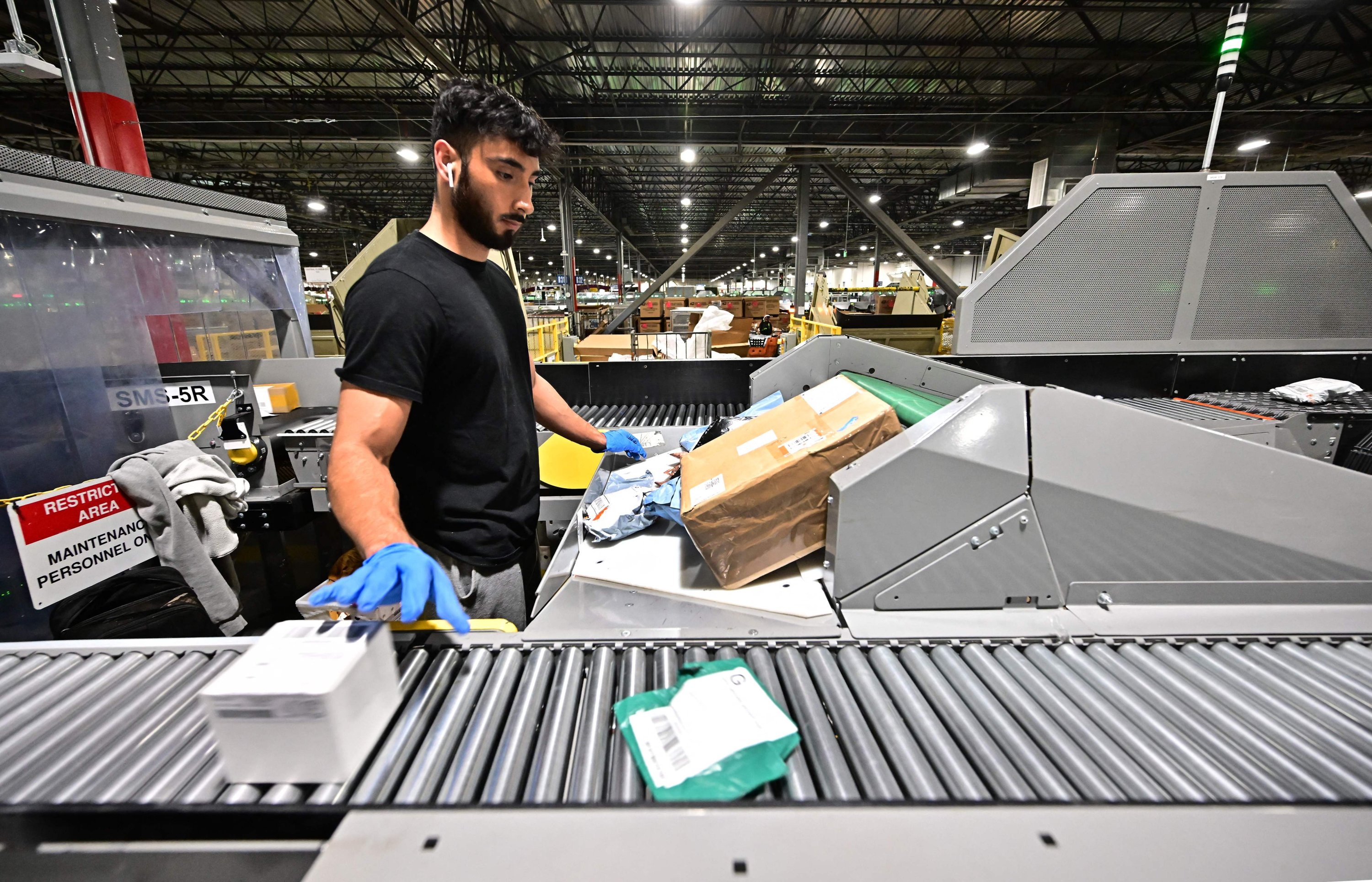
The United States on Friday ended the duty-free imports of packages worth less than $800, the so-called "de minimis" exemption that has fueled a surge in shipments from global sellers to U.S. consumers who will now likely face higher prices.
The U.S. Customs and Border Protection (CBP) agency began collecting normal duty rates on all global parcel imports, regardless of value, country of origin, or mode of transportation at 12:01 a.m. EDT (0401 GMT) on Friday. It offered a flat-rate duty option of $80 to $200 per package shipped from foreign postal agencies for six months.
President Donald Trump announced on July 30 the repeal of the duty-free treatment of parcels from every country effective a month later. The tariffs make shipments to the U.S. from overseas retailers more expensive, unless the sellers absorb the tariff costs.
With this, the administration has expanded a May move to impose tariffs on these shipments from China and Hong Kong, affecting retailers such as Shein and Temu, which primarily ship from China.
Here's what the new step means for U.S. buyers as well as some small businesses that work with overseas suppliers.
The Trump administration has cracked down on de minimis because it says the exemption has enabled traffickers to easily send parcels containing fentanyl into the country.
"President Trump's ending of the deadly de minimis loophole will save thousands of American lives by restricting the flow of narcotics and other dangerous prohibited items, and add up to $10 billion a year in tariff revenues to our Treasury," White House trade adviser Peter Navarro told reporters on Thursday.
"This is a permanent change," a senior administration official said, adding that any push to restore the exemptions for trusted trading partner countries was "dead on arrival."
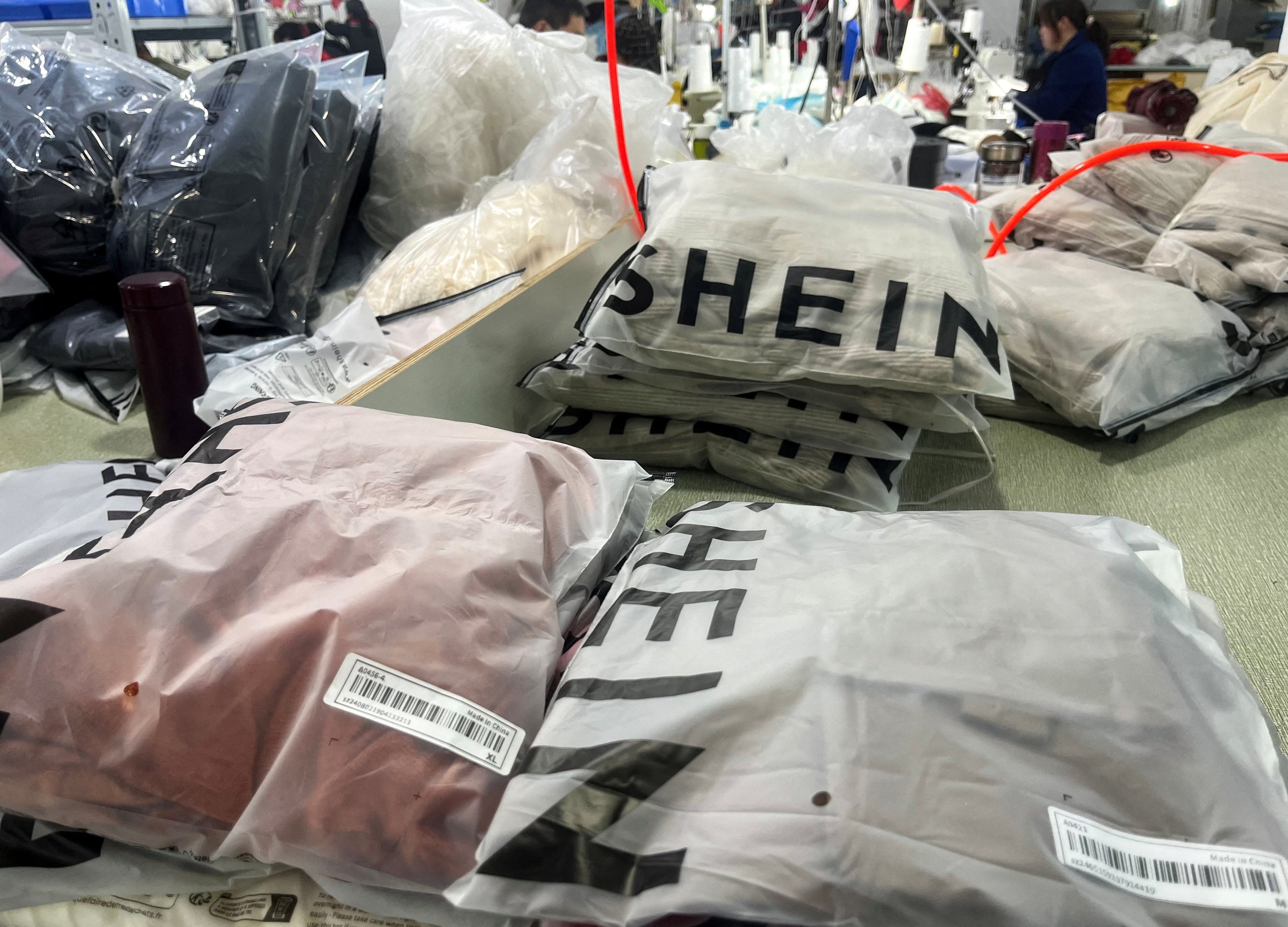
U.S. retailers and industry groups also opposed the exemption in the belief it gave an unfair advantage to foreign e-commerce companies such as Shein and Temu as well as some third-party sellers on Amazon.
For example, prices of merchandise at Walmart or Target already reflect tariffs paid by the retailers when they import the goods, making them comparatively more expensive.
The de minimis exemption enabled a cross-border e-commerce surge as U.S. shoppers snapped up bargains like $12 dresses on Temu. Until May 2, orders landed on their doorsteps free of duties as long as their packages were valued at less than $800.
The exemption has been in place since 1938, starting at $5 for gift imports and was raised from $200 to $800 in 2015 as a means to foster small business growth on e-commerce marketplaces.
But direct shipments from China exploded after Trump raised tariffs on Chinese goods during his first term, creating a new direct-to-consumer business model.
The number of packages claiming the de minimis exemption jumped nearly 10-fold from 139 million in fiscal 2015 to 1.36 billion in fiscal 2024, a rate of nearly 4 million per day, with a declared value of $64.6 billion.
According to U.S. government data, about 73% of de minimis packages entering the U.S. originated from China in 2024.
Canada, Mexico and the United Kingdom are the next biggest senders, according to the CBP figures.
Logistics provider Red Stag Fulfillment said other significant sources include South Korea, India, Vietnam and Thailand.
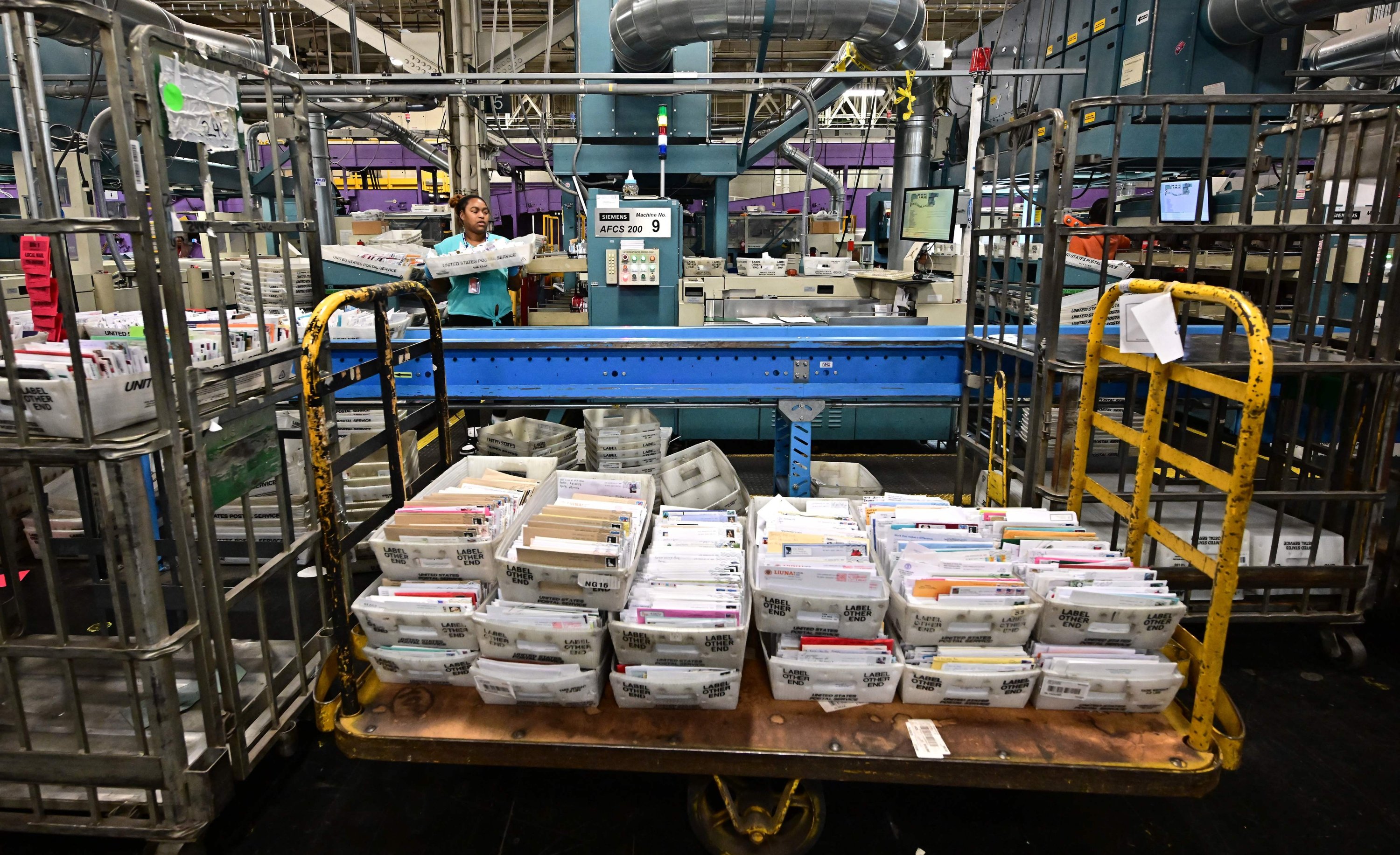
Since the China exemption was eliminated on May 2, de minimis volumes have already fallen by about a third, Red Stag said.
Small British businesses selling online to U.S. shoppers have already alerted customers to price increases. Sewing pattern and fabric company Merchant & Mills, for example, announced in an Instagram post that it would increase its U.S. prices by 15% to cover duties.
The change has caused turmoil in postal services across the world, with Australia Post, Britain's Royal Mail, Germany's DHL, Japan Post, Korea Post and others pausing shipments to the U.S. as they work to adapt.
Foreign postal agencies can opt to collect and process the duties based on the value of the package contents, or opt for the flat rate method by collecting a flat tax based on Trump's "reciprocal" tariff rates currently in place on goods from the country of origin.
Based on CBP guidance issued on Thursday, parcels would be charged $80 from countries with Trump-imposed duty rates below 16%, such as Britain and the European Union, $160 from countries between 16% and 25%, such as Indonesia and Vietnam, and $200 from countries above 25%, including China, Brazil, India and Canada.
But postal services must shift to full "ad valorem" duty collection based on the value of the shipments by February 28, 2026, according to a Trump administration official.
"It's very challenging for the post to go into an environment where they have to collect duties, when they've never collected duties," said Clint Reid, founder and CEO at Zonos, whose software helps businesses calculate, collect and remit duties.
CBP said it was taking the necessary actions to implement the order.
The new tariff regime will also increase paperwork for sellers as U.S. customs requires information on the origin and type of goods in packages.
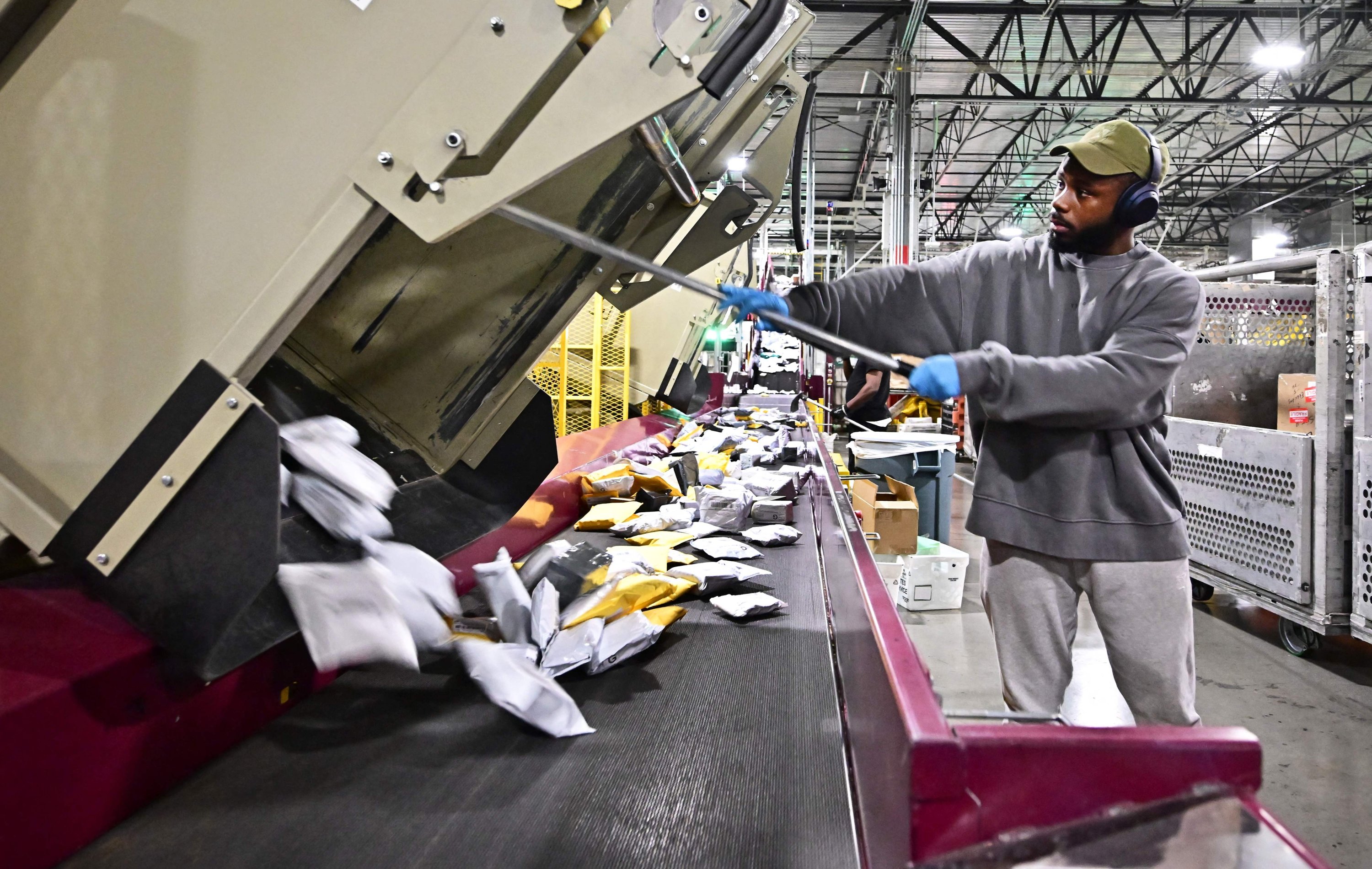
In February, the Trump administration paused its initial ban on de minimis shipments from China, as packages piled up at U.S. customs.
E-commerce giants Shein and Temu have had time to adapt to the change since May. While prices on Shein have started to increase, the latest change may put it in a better position than some rivals, said Yao Jin, associate professor of supply chain management at Miami University.
"It is now economical to ship out of China on a relative basis, simply because the cost of shipping direct from other countries has also risen," Jin said.
It's harder for small businesses to absorb tariffs, and some are planning to increase their prices to offset tariff costs.
Platforms like eBay and Etsy, where individuals and small businesses sell everything from vintage soccer shirts to electronics, are advising sellers to communicate with their customers about tariff-related price increases.