Weeks of conflict have worsened Iran's already fragile economy, raising the risk of severe postwar fallout, but the country appears capable of withstanding a standoff in the Gulf for now despite a U.S. blockade that has choked off energy exports.
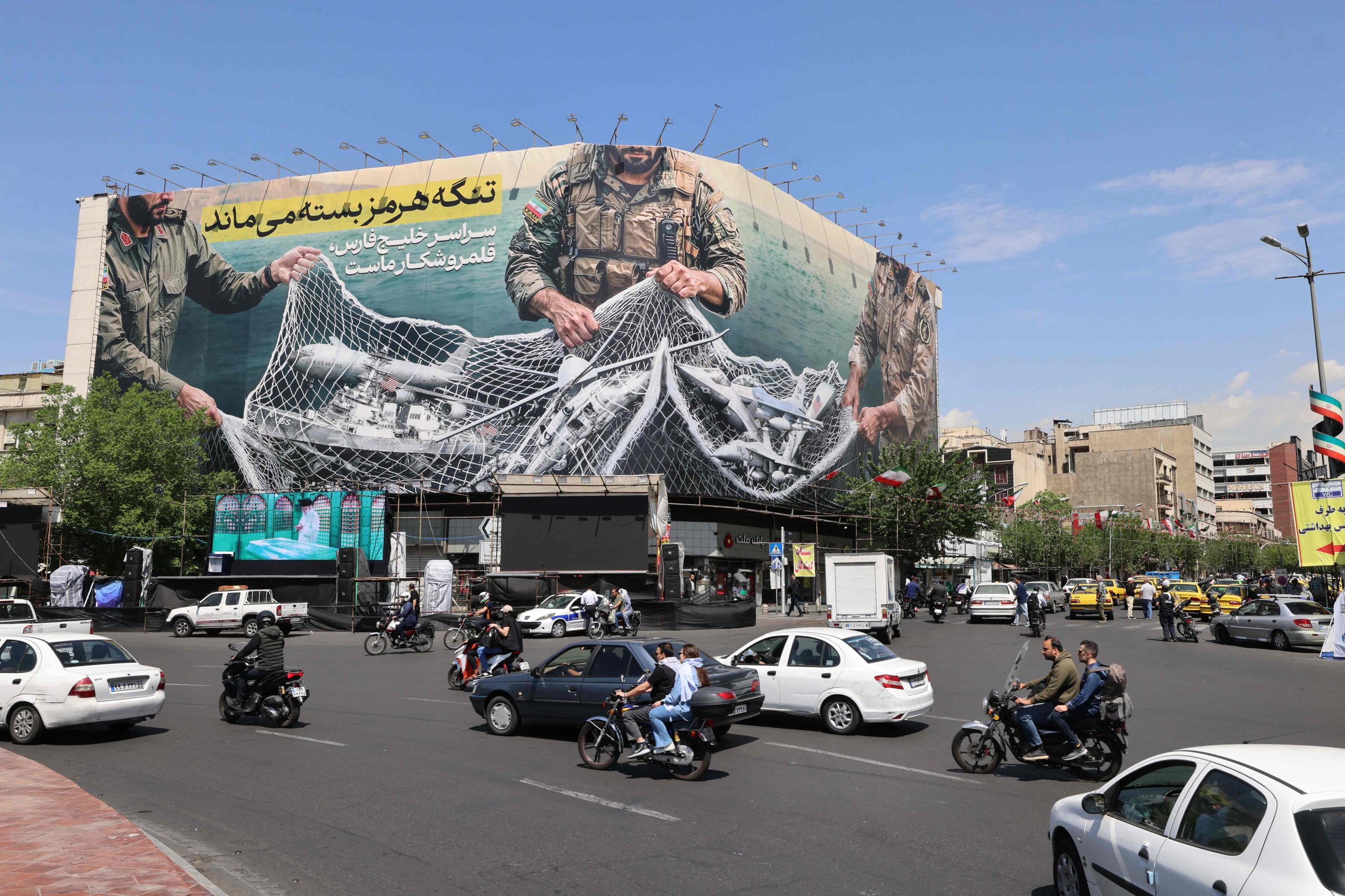
With major fighting paused by an April 8 truce, Iran is locked in a stalemate with the United States and Israel. Talks for a lasting cease-fire are stalled while Tehran keeps the Strait of Hormuz shut and Washington blocks Iranian Gulf ports.
Despite heavy damage to infrastructure and industries and an oil-export squeeze, Iran has plentiful internal supplies, steady trade with neighbors and only limited signs of immediate stress from state-revenue losses caused by the blockade.
If U.S. President Donald Trump expects Iran to blink first in their game of economic chicken, with global inflation rising and midterm elections approaching, he may be waiting a while.
"I think that they have calculated a longer runway than I think economists or Western policymakers are anticipating," said Sanam Vakil, head of the Middle East program at the Chatham House thinktank in London, referring to Iran's leaders.
Facing what they see as an existential threat to the country, Iran's ruling clerics and Revolutionary Guards are able to use their iron grip on the country to hold out for a sustainable deal from Washington, Vakil said.
"They are quite known to use repressive capacity. They're relying on people using their savings," she said, adding that Tehran was falling back on its "resistance economy" approach of relying on internal resources and trading across land borders.
The extent of economic damage from the war – and the likelihood of imminent economic crisis – are hard to gauge given the lack of reliable official data and a partial internet blackout since January.
Vakil said she anticipated a double-digit drop in Iran's GDP this year. The rial currency, which fell by 70% last year, worsening inflation that contributed to mass protests in January, has dropped by 15% over recent days, but after stabilizing through March, is not far off its prewar value.
There are few other indications of immediate fiscal stress. The authorities have not curbed bank withdrawals, rationed fuel or food staples, or delayed state-salary payments. Supermarket shelves remain full, and offices and banks have stayed open.
Shipping data from April 13 to 25 showed only around 300,000 barrels of oil per day moved out into the Indian Ocean from over 1 million bpd loaded onto tankers during that period. Storage capacity is limited but energy analysts believe Iran may be able to go another two months before curbing production.
Iran built up extra revenue through energy sales when sanctions were waived earlier in the war. Limited volumes of oil are being shipped overland, but not enough to replicate the blockaded sea routes.
A senior source at Iran's Central Bank told Reuters the country had substantial gold reserves, "tons of it," that it could deploy if needed and that after decades of evading sanctions, Tehran knew how to maintain imports by paying a little more.
"Iran is the largest food importer in the region. But it is also important to note that Iran is the least food-insecure country in the region," said Ishan Bahnu, head agricultural commodities analyst at Kpler.
With an expected better-than-usual harvest approaching, the need for wheat imports is reduced, Bahnu said, reducing vulnerability to any extension of the maritime blockade to grain shipments and putting off some foreign currency spending.
The U.S. blockade has so far been limited to Gulf ports, not Iran's Chabahar on the Arabian Sea, and has focused on oil tankers, Bahnu said, citing monitored vessel movements.
Officials in Türkiye, Iraq and Pakistan told Reuters there was no indication of a slump in cross-border trade yet. Russia has also boosted trade across the Caspian this year, shipping 500,000 tons of corn, 180,000 tons of barley and 4,000 tons of wheat across the inland sea from January to March, according to Russian Agriculture Ministry data, bypassing blockaded Gulf ports.
As Trump's threats of military action increased in January, Iran increased imports to stockpile six months' worth of essentials, the parliament's agriculture commission head Mohammad Javad Asgari said in state media this month.
Soon after the conflict began, the Iranian central bank introduced a support package waiving penalties for late payments of small loans and raised bank withdrawal limits to reassure depositors.
Still, on the streets of Tehran, the economic pain is intense. Iranian businesses have been crushed by high prices, supply chain disruption and the internet blackout, causing spiralling unemployment.
"Rising prices of basic goods, especially products like ours that are directly linked to people's tables definitely put pressure on people," said Abbas Smaeelzade, a rice and grain seller. Smaeelzade estimated that his sales had fallen by around 40% since the war began.
Mechanic Hossein Amiri said far fewer customers were bringing cars to his workshop compared to before the war. "Our business has basically come to a standstill," he said, warning that things could get far worse.
Hanging over the authorities is the fear of another round of mass protests. Thousands of demostrators died in January's unrest.
To avert the impending economic disaster, Iran would need to include sanctions relief in any deal with Washington, Vakil said.
"They do need access to their foreign currency abroad that is housed in banks around the world, but also a degree of sanctions relief. They need to ramp up oil sales, but also be able to trade properly," she said.