Two key reports on Thursday revived fears of stagflation in the U.S., exposing the strains households and businesses face and leaving the Federal Reserve (Fed) with few easy choices as it weighs how to support a slowing economy without letting inflation harden.
Data showing a jump in consumer prices alongside a spike in jobless claims come just as Fed policymakers prepare to cut rates next week under heavy market and political scrutiny.
Annual inflation in the U.S. increased 2.9% in August from a year earlier, as the price of gas, groceries and airfares jumped, the Labor Department said Thursday, up from 2.7% the previous month and the biggest jump since January.
Excluding the volatile food and energy categories, core prices rose 3.1%, the same as in July. Both figures are above the Fed's 2% target.
A separate government report Thursday showed that weekly applications for unemployment aid jumped 27,000 to 263,000, the highest in nearly four years. Requests for jobless benefits are a proxy for layoffs. Recent reports have also shown that hiring has weakened dramatically this year and was lower than previously estimated last year.
The data raises the specter of "stagflation,” a trend that last bedeviled the U.S. economy in the 1970s. The term refers to a period of slower growth, higher unemployment, along with rising inflation. It is unusual because a weak economy typically keeps inflation in check.
Such a scenario could create major headaches for the Fed as it prepares for a meeting next week, when policymakers are widely expected to cut their short-term rate to about 4.1% from 4.3%.
The Fed is under relentless pressure from President Donald Trump to cut rates. At the same time, stubborn inflation while the job market is weakening is difficult for the central bank because they are diverging trends that require polar reactions from Fed policymakers to address.
Typically, the Fed would cut its key rate when unemployment rises to spur more spending and growth. Yet it would do the opposite and raise rates – or at least keep them unchanged – in the face of rising inflation.
Last month, Chair Jerome Powell signaled that Fed officials are increasingly concerned about weaker hiring, setting the stage for a rate cut next week. Wall Street investors think there is an 85% chance the Fed will cut twice more after that, according to futures pricing tracked by CME Fedwatch.
"Consumer inflation came in mildly hotter than forecast, but not nearly high enough to prevent the Fed from starting to cut rates next week," Kathy Bostjancic, chief economist for Nationwide, said. "The labor market is losing steam and reinforces that the Fed needs to start cutting rates next week and that it will be the start of a series of rate reductions."
Where inflation heads next is a key question for the Fed.
While Thursday's report showed inflation picked up, data released Wednesday suggested prices at the wholesale level are cooling. Economists also noted that a separate measure of inflation that the Fed prefers, which will be released in about two weeks, should come in lower than Thursday's figures and paint a more benign picture of prices.
On a monthly basis, overall inflation accelerated, rising 0.4% from July to August, faster than the 0.2% pace the previous month. Core prices rose 0.3% for the second straight month.
Many economists and some key members of the Fed think that the current pickup in inflation reflects one-time increases from Trump's sweeping tariffs and won't lead to a lasting inflationary trend. They argue that a weaker job market will hold down wages and force companies to keep prices in check.
Subadra Rajappa, head of U.S. rates strategy at Societe Generale, said that while inflation was elevated last month, there were also signs that the cost of services moderated, suggesting that outside of tariffs, prices are cooling.
Yet Joe Brusuelas, chief economist at RSM, a tax and consulting firm, says that higher-income households are still spending sufficiently to push some prices higher, such as hotel and airfare costs, which leapt last month. Such spending could keep inflation stubbornly high even in a weak job market, he said.
"The Fed's getting ready to cut into a sustained increase in prices," he said. "Very unusual spot. ... we can see tariff-induced inflation in a slow, steady and methodical manner."
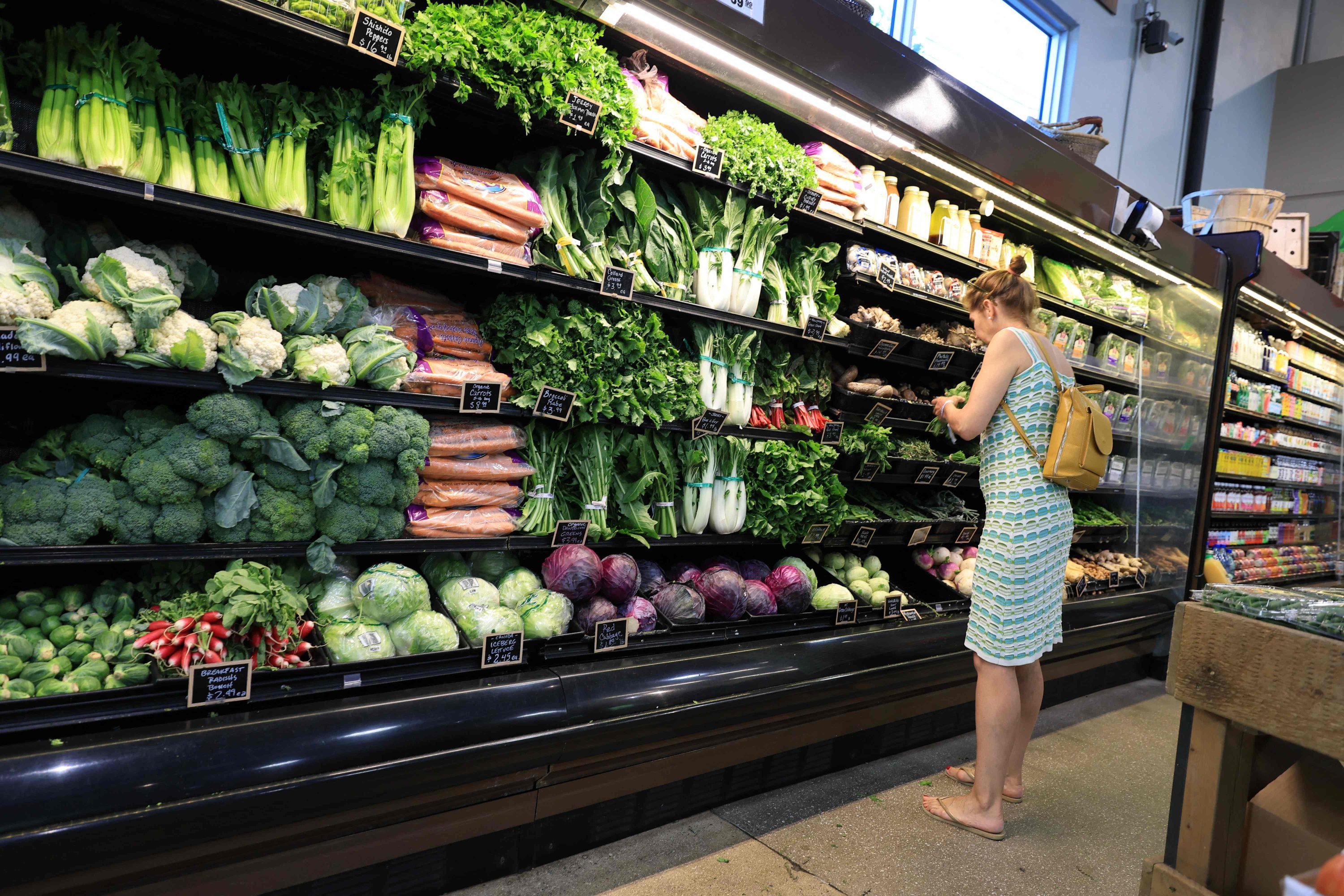
Goods prices picked up last month, a sign Trump's sweeping tariffs are pushing up costs. Gas prices jumped 1.9% just from July to August, the biggest monthly increase since a 4% rise in December. Grocery prices climbed 0.6%, pushed higher by more expensive tomatoes, apples, and beef. Rental costs also increased, rising 0.4%, faster than the previous month.
Clothing costs rose 0.5% just last month, though they are still just slightly more expensive than a year ago. Furniture costs rose 0.3% and are 4.7% higher than a year earlier.
Some restaurant owners have boosted prices to offset the rising costs of food. Cheetie Kumar, who owns Mediterranean eatery Ajja in Raleigh, North Carolina, said she's facing higher costs on everything ranging from spices she imports from India, coffee and chocolate she gets from Brazil, and soy she gets from Canada.
"Those are things that I cannot source locally, we do source a lot of produce and meat and everything else from local farmers, but I don’t know any nutmeg growers in North Carolina," she said.
Her overall costs are up about 10% from a year ago, with beef costs up 7%, and much bigger increases for things like coffee, chocolate (300%) and spices (100%).
She's raised prices on some of her menu items by $1 or $2, but said she's at the limit of how much she can do so before demand wanes and she stops earning a profit.
Bigger companies are also feeling the pinch.
E.L.F. Cosmetics said this spring that it was raising prices by $1. Last month, however, CFO Mandy Fields said it is no longer certain whether the $1 price increases will be enough to offset rising tariff costs.
Shoppers have yet to feel the big sting that economists had predicted earlier in the year. Many retailers ordered goods ahead of tariffs and have also absorbed a big chunk of the costs rather than passing them along to consumers, who’ve grown increasingly leery of price increases.
But Walmart and other big chains have warned of cost increases as they replenish their inventories, with the full impact of tariffs in effect.