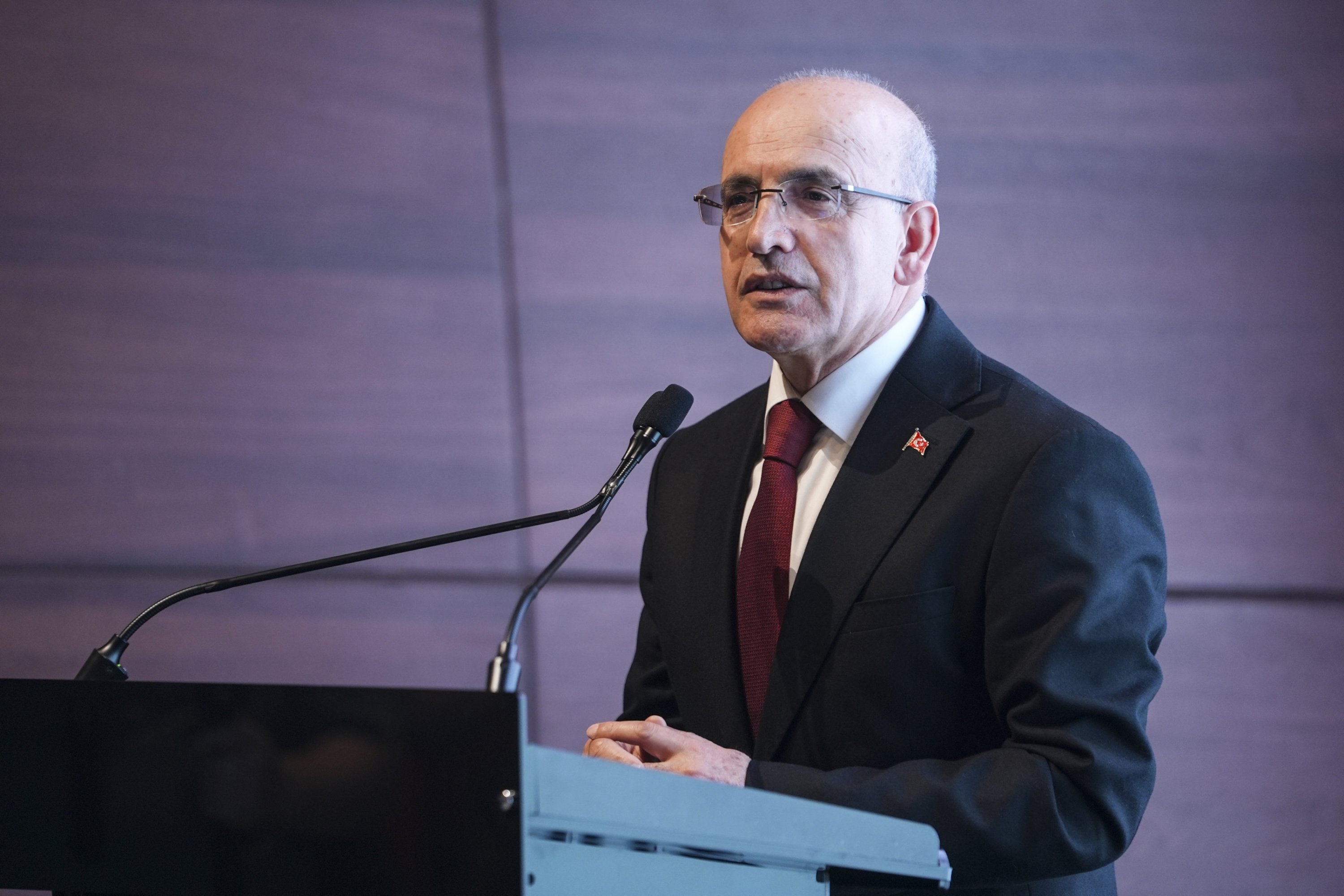
The economic impact of the ongoing U.S.-Israel-Iran conflict could remain manageable for Türkiye if it lasts no longer than one to two months, Treasury and Finance Minister Mehmet Şimşek said on Monday, but warned of broader risks if the war drags on.
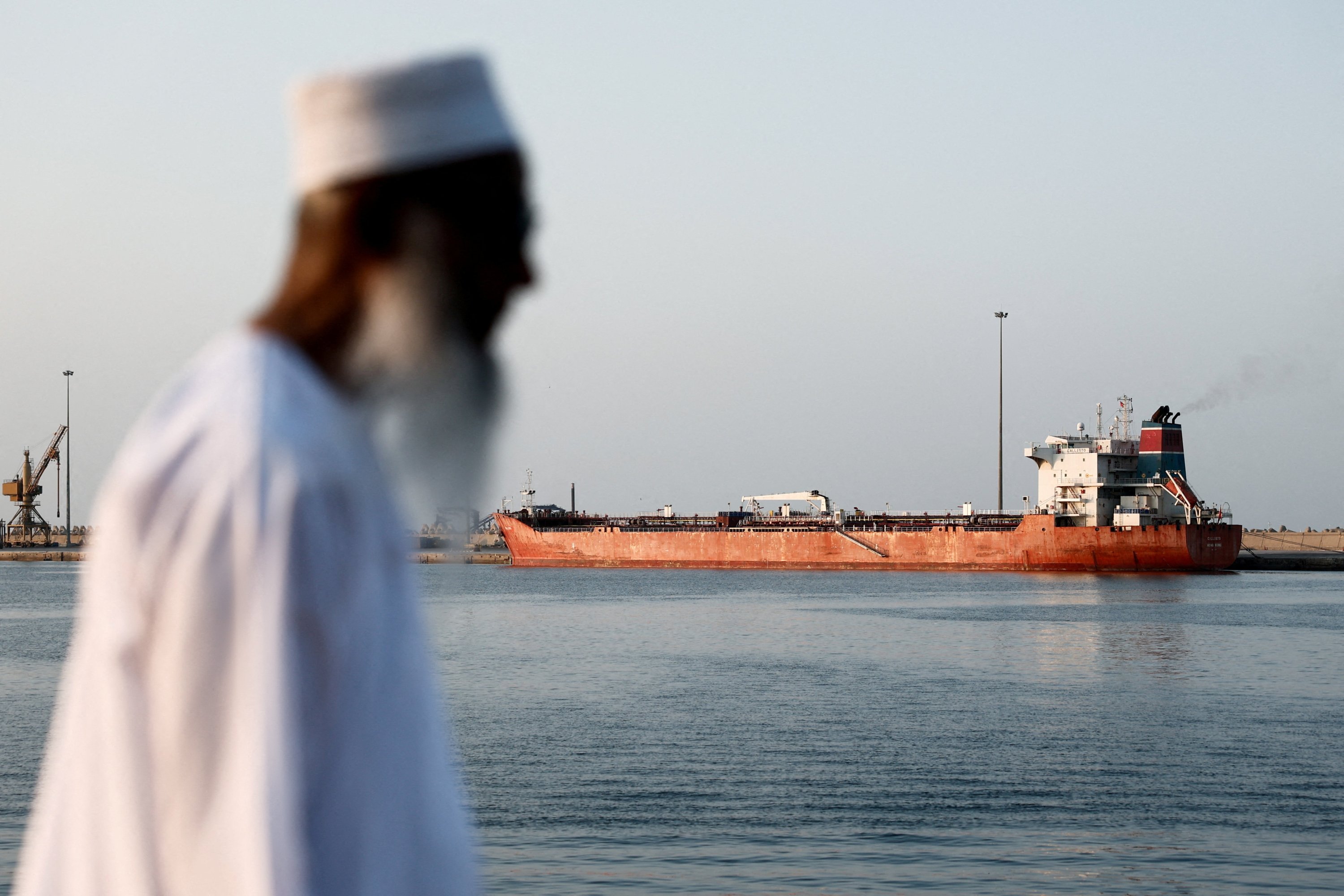
The war is in its third week, with no end in sight. The Strait of Hormuz remains largely closed off, with U.S. allies rebuffing U.S. President Donald Trump's request for help to reopen the critical waterway, raising energy prices and fears of inflation.
Şimşek said the conflict is unfolding in one of the world's most critical energy and trade corridors, which is why it could have a major impact not only on regional economies but also on global markets.
"The key issue is how long the war will last and whether it will spread further," he told an interview with broadcaster Akit TV, noting that the region accounts for nearly one-fifth of global oil supply.
Şimşek said disruptions to supply chains and surging energy prices are already being felt, raising concerns about global inflation.
Brent crude oil prices have risen more than 40% compared to pre-war levels, while natural gas prices in Europe have climbed over 56% and jet fuel prices have nearly doubled, he said.
He highlighted the strategic importance of the Strait of Hormuz, warning that any disruption there would have far-reaching consequences for global trade and energy flows.
"There are serious problems both in the Red Sea and Hormuz, affecting transport between Asia and Europe," Şimşek said, adding that a prolonged conflict could intensify inflationary pressures and disrupt global trade.
Şimşek said global risk appetite has weakened as investors shift toward safer assets, tightening financial conditions.
"There is a clear move away from risk. Capital is flowing from emerging markets to what are perceived as safer destinations," he said.
If the conflict persists, the global economy could face a combination of higher inflation, tighter financial conditions and slower growth, alongside risks of recession or even stagflation, he added.
For Türkiye, Şimşek said the economic impact would be limited if the conflict is short-lived.
"If it lasts one to two months, we think the effects will be manageable, but if it continues longer, it could have negative impacts on the current account deficit and inflation," he said.
Şimşek stressed that authorities have not underestimated the risks and are actively managing the situation.
The war-related market volatility prompted Şimşek to convene the Financial Stability Committee, which said it would take all necessary steps to ensure market functioning and contain the fallout.
Şimşek said Türkiye has taken proactive steps to limit the spillover effects on financial markets.
Despite being in the region, Türkiye's stock market has fallen by around 5.5% since the conflict began, compared with declines of over 10% in countries such as Indonesia, South Korea and South Africa, he noted.
However, he acknowledged that bond yields and risk premiums have risen due to heightened uncertainty.
To cushion the impact of rising energy prices, the government has reintroduced the sliding scale system, which adjusts the special consumption tax (ÖTV) on fuel products and prevents higher oil prices from being fully passed through to consumers.
Şimşek said without the mechanism, diesel prices in Ankara would have reached TL 83.10 ($1.88) per liter, compared with the current level of TL 67.10. Gasoline prices would have been TL 71.11 instead of TL 62.30.
But Şimşek said the system is not sustainable if high oil prices persist, as it is a burden on the budget. He said the government gave up a significant tax income with the scale system to limit the impact of higher oil prices on inflation and consumers' purchasing power.
"We wanted to limit (the high oil price) impact on our citizens. We believe this is temporary. Of course, if it becomes permanent, it's not sustainable ... We implemented this system assuming it would be temporary," Şişek said.
Şimşek said the conflict could weigh on Türkiye's external balances, particularly through higher energy import costs.
"I am somewhat concerned about the current account deficit, as oil prices directly increase it, but I believe it will remain manageable," he said.
Türkiye's exports to the region, including Iran, total around $30 billion annually, while imports stand at about $19 billion. The country also receives around 10 million tourists from the region, generating roughly $10 billion in tourism revenue.
Any disruption to trade routes or regional demand could therefore have broader economic implications, he noted.
Despite the shock, Şimşek said he expects inflation to continue declining this year, although uncertainty remains over the pace of disinflation.
"We are facing a serious shock due to the war, but assuming it is temporary, inflation will continue to fall this year," he said.
He reiterated the government's goal of bringing inflation below 20% this year but said it was too early to assess whether that target would be met under current conditions.
Annual inflation slowed from over 40% at the beginning of last year to just over 30% this January. But a rise to 31.5% last month signaled a slowdown in disinflation.
Encouraged by the downward trend, the Central Bank of the Republic of Türkiye (CBRT) has slashed interest rates by 900 basis points since mid-2025 to 37%.
But it halted its easing cycle last week due to fallout from the Iran war that it said could impact inflation.
The bank said it was closely watching the effects of "geopolitical developments" on the inflation outlook, and it was ready to take more liquidity steps if needed to support markets.
The CBRT also left unchanged its band of overnight lending and borrowing rates at 40% and 35.5%, respectively. It responded to the volatility amid the conflict by taking liquidity measures that lifted overnight rates to around 40%, up 300 basis points from pre-war levels.
Şimşek added that last year's economic program had proven its resilience despite multiple shocks, including domestic developments, global trade tensions and adverse weather conditions affecting agriculture.
He also pointed to improvements in fiscal and external buffers, saying the budget deficit has continued to narrow and Türkiye's reserves have increased.
Still, Şimşek warned that the conflict represents a major external shock with potential implications for the whole economy.
"The war is currently a significant source of uncertainty. We are facing a major external shock that could have serious potential impacts on the current account deficit, inflation, growth and the budget," said the minister.
"Nevertheless, I am speaking on the assumption that the shock will be temporary."