Daily Sabah logo

Politics
Diplomacy Legislation War On Terror EU Affairs Elections News Analysis
TÜRKİYE
Istanbul Education Investigations Minorities Expat Corner Diaspora
World
Mid-East Europe Americas Asia Pacific Africa Syrian Crisis Islamophobia
Business
Automotive Economy Energy Finance Tourism Tech Defense Transportation News Analysis
Lifestyle
Health Environment Travel Food Fashion Science Religion History Feature Expat Corner
Arts
Cinema Music Events Portrait Reviews Performing Arts
Sports
Football Basketball Motorsports Tennis
Opinion
Columns Op-Ed Reader's Corner Editorial
PHOTO GALLERY
JOBS ABOUT US RSS PRIVACY CONTACT US
© Turkuvaz Haberleşme ve Yayıncılık 2026

Daily Sabah - Latest & Breaking News from Turkey | Istanbul

  • Politics
    • Diplomacy
    • Legislation
    • War On Terror
    • EU Affairs
    • Elections
    • News Analysis
  • TÜRKİYE
    • Istanbul
    • Education
    • Investigations
    • Minorities
    • Expat Corner
    • Diaspora
  • World
    • Mid-East
    • Europe
    • Americas
    • Asia Pacific
    • Africa
    • Syrian Crisis
    • Islamophobia
  • Business
    • Automotive
    • Economy
    • Energy
    • Finance
    • Tourism
    • Tech
    • Defense
    • Transportation
    • News Analysis
  • Lifestyle
    • Health
    • Environment
    • Travel
    • Food
    • Fashion
    • Science
    • Religion
    • History
    • Feature
    • Expat Corner
  • Arts
    • Cinema
    • Music
    • Events
    • Portrait
    • Reviews
    • Performing Arts
  • Sports
    • Football
    • Basketball
    • Motorsports
    • Tennis
  • Gallery
  • Opinion
    • Columns
    • Op-Ed
    • Reader's Corner
    • Editorial
  • TV
  • Business
  • Automotive
  • Economy
  • Energy
  • Finance
  • Tourism
  • Tech
  • Defense
  • Transportation
  • News Analysis

Türkiye's CDS at lowest level since February after US-Iran deal

by Anadolu Agency

ISTANBUL Jun 15, 2026 - 2:42 pm GMT+3
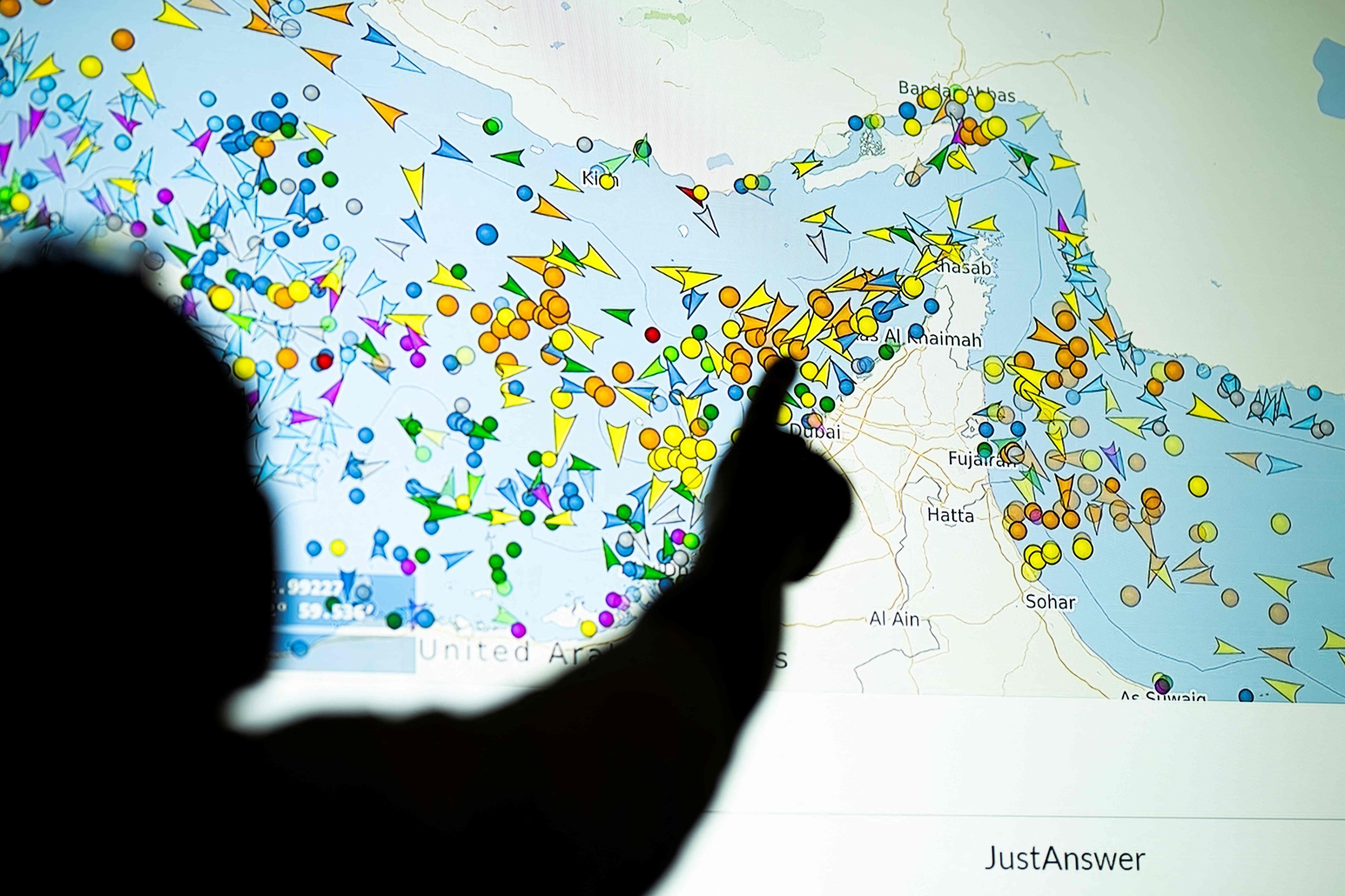
A photo illustration shows a person in front of a large screen displaying vessel movements in the Strait of Hormuz on a ship-tracking website, May 4, 2026. (AFP Photo)
by Anadolu Agency Jun 15, 2026 2:42 pm

Türkiye's five-year credit default swap (CDS), a key gauge of the country's sovereign risk, fell to 225 basis points on Monday, marking its lowest level since Feb. 26, as easing Middle East tensions lifted investor sentiment and boosted appetite for risk assets.

The decline coincided with a broad rally across global markets following the agreement between Washington and Tehran, which is expected to end months of conflict and pave the way for the reopening of the Strait of Hormuz, one of the world's most important energy transit routes.

On Sunday, U.S. President Donald Trump announced that an agreement with Iran had been finalized and said he was authorizing the reopening of the Strait of Hormuz and the removal of a U.S. naval blockade.

"The Deal with the Islamic Republic of Iran is now complete. Congratulations to all!" Trump said in a post on his Truth Social platform.

The easing of Middle East tensions supported emerging-market assets, while lower oil prices improved sentiment toward energy-importing economies such as Türkiye.

CDS contracts are widely used by investors to insure against the risk of default on sovereign or corporate debt. A lower CDS level generally indicates reduced perceived credit risk and can support more favorable external borrowing conditions.

Türkiye's risk premium had come under pressure earlier this year amid heightened regional tensions and concerns over potential energy supply disruptions.

The latest decline signals an improvement in market sentiment, supported by expectations that reduced energy-related risks could ease inflationary pressures and encourage capital flows into emerging markets.

Oil prices fell sharply following the U.S.-Iran agreement, as investors priced in the potential normalization of shipping through the Strait of Hormuz.

The decline in crude prices is particularly significant for Türkiye, which relies heavily on energy imports and is sensitive to movements in global oil and natural gas costs.

The improvement in Türkiye's CDS also reflected broader optimism across international markets, as investors returned to risk assets following the de-escalation of tensions in the Middle East.


  • shortlink copied
  • Last Update: Jun 15, 2026 5:42 pm
    KEYWORDS
    turkish economy economy credit default swap cds premiums iran war us-israel-iran war strait of hormuz energy
    The Daily Sabah Newsletter
    Keep up to date with what’s happening in Turkey, it’s region and the world.
    You can unsubscribe at any time. By signing up you are agreeing to our Terms of Use and Privacy Policy. This site is protected by reCAPTCHA and the Google Privacy Policy and Terms of Service apply.
    No Image
    World-class racing, mud, royals: Cheltenham Festival welcomes fans
    PHOTOGALLERY
    • POLITICS
    • Diplomacy
    • Legislation
    • War On Terror
    • EU Affairs
    • News Analysis
    • TÜRKİYE
    • Istanbul
    • Education
    • Investigations
    • Minorities
    • Diaspora
    • World
    • Mid-East
    • Europe
    • Americas
    • Asia Pacific
    • Africa
    • Syrian Crisis
    • İslamophobia
    • Business
    • Automotive
    • Economy
    • Energy
    • Finance
    • Tourism
    • Tech
    • Defense
    • Transportation
    • News Analysis
    • Lifestyle
    • Health
    • Environment
    • Travel
    • Food
    • Fashion
    • Science
    • Religion
    • History
    • Feature
    • Expat Corner
    • Arts
    • Cinema
    • Music
    • Events
    • Portrait
    • Performing Arts
    • Reviews
    • Sports
    • Football
    • Basketball
    • Motorsports
    • Tennis
    • Opinion
    • Columns
    • Op-Ed
    • Reader's Corner
    • Editorial
    • Photo gallery
    • DS TV
    • Jobs
    • privacy
    • about us
    • contact us
    • RSS
    © Turkuvaz Haberleşme ve Yayıncılık 2021