Foreign Minister Peter Szijjarto said on Wednesday he was traveling to Belgrade on the same day to discuss details of how Hungary will help Serbia after crude oil shipments from Croatia stopped.
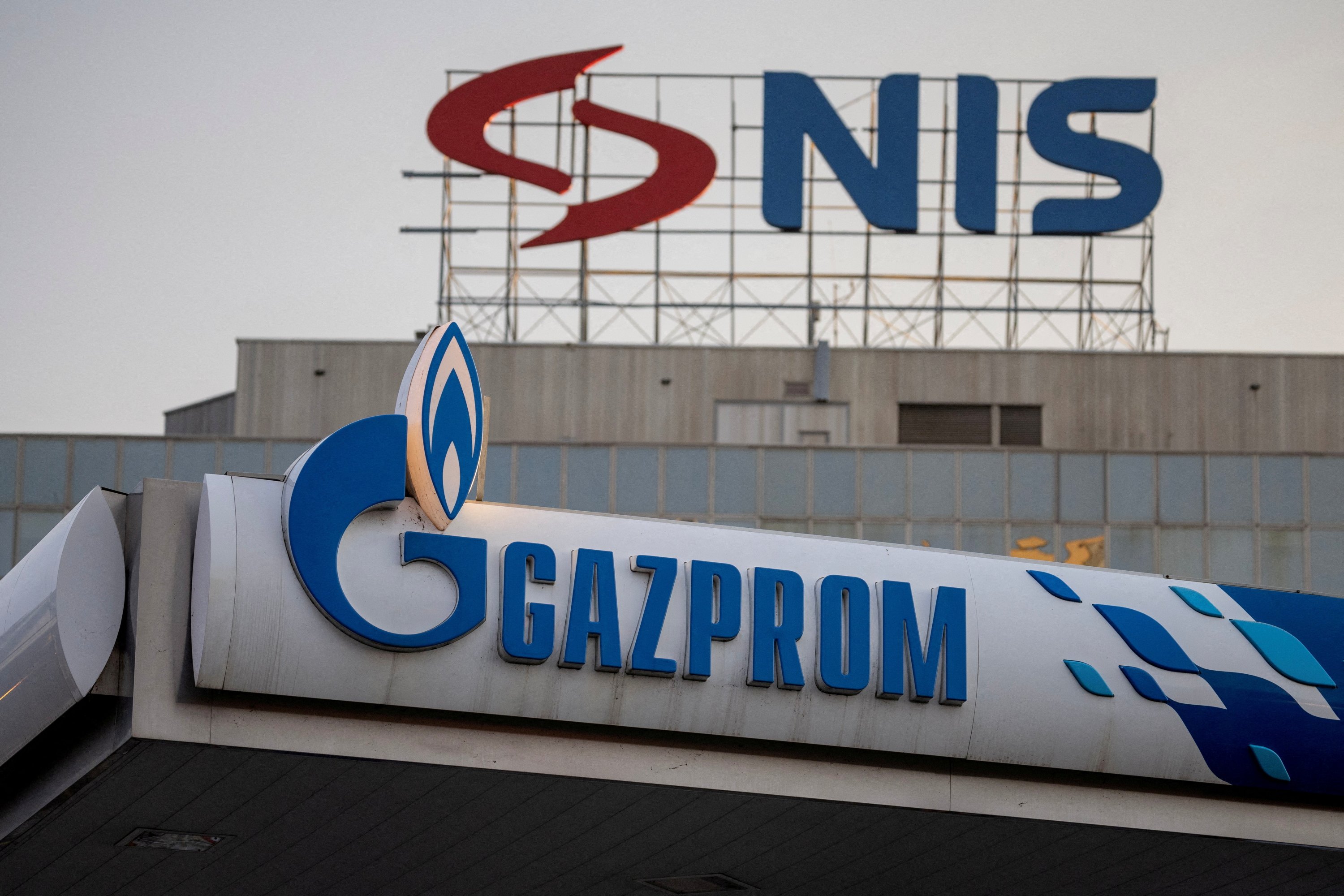
Serbian President Aleksandar Vucic said on Tuesday that the Russian-owned NIS oil refinery will shut down in four days if the U.S. does not lift sanctions on the project, risking fuel supplies ahead of winter.
Meanwhile, Serbia is preparing an amendment to the draft budget law that would enable it to take ownership of NIS, which is majority owned by Russia's Gazprom Neft and Gazprom, the parliament speaker told Euronews Serbia on Tuesday.
The U.S., which has implemented a series of measures against Russia-linked entities over the war in Ukraine, granted NIS repeated waivers before the sanctions finally came into effect last month, prompting neighboring Croatia to cut crude supplies.
"Serbia is in a tough situation. We Hungarians will obviously help Serbia and Serbian people and the Serbian economy, and we will discuss the details of this help in Belgrade today," Szijjarto said in a video published on his Facebook page.
Szijjarto said in October that Hungary's oil company MOL would increase deliveries to Serbia, but did not offer any details about the amount of the planned supply increase or the method of delivery.
Earlier this month, the Belgrade-based NIN weekly reported that MOL was considering buying Gazprom's 11.3% stake in NIS. A MOL spokesperson declined to comment on "market rumors" at the time.
Speaker Ana Brnabic, a close ally of Vucic, said on Tuesday evening that the Serbian parliament would start debating amendments to the budget law, prepared by the country's ruling SNS party, on either Wednesday afternoon or Thursday.
"One of the amendments that will be submitted will be the one that will foresee the circumstance that at some point we will take over NIS," Brnabic told Euronews.
An oil pipeline connecting Hungary and Serbia is in the planning phase, and could begin to meet all of Serbia's crude oil needs by 2028, Szijjarto said in April.
The pipeline is expected to have the capacity to transport 4 million to 5 million tons of Russian oil to Serbia through Hungary every year, the foreign minister said at the time.
Ties between Serbia and Hungary have strengthened in recent years, and their long-time leaders, Hungarian Prime Minister Viktor Orban and Serbian President Aleksandar Vucic, enjoy strong relations with Russia.