

Daily Sabah logo

Politics
Diplomacy Legislation War On Terror EU Affairs Elections News Analysis
TÜRKİYE
Istanbul Education Investigations Minorities Expat Corner Diaspora
World
Mid-East Europe Americas Asia Pacific Africa Syrian Crisis Islamophobia
Business
Automotive Economy Energy Finance Tourism Tech Defense Transportation News Analysis
Lifestyle
Health Environment Travel Food Fashion Science Religion History Feature Expat Corner
Arts
Cinema Music Events Portrait Reviews Performing Arts
Sports
Football Basketball Motorsports Tennis
Opinion
Columns Op-Ed Reader's Corner Editorial
PHOTO GALLERY
JOBS ABOUT US RSS PRIVACY CONTACT US
© Turkuvaz Haberleşme ve Yayıncılık 2025

Daily Sabah - Latest & Breaking News from Turkey | Istanbul

  • Politics
    • Diplomacy
    • Legislation
    • War On Terror
    • EU Affairs
    • Elections
    • News Analysis
  • TÜRKİYE
    • Istanbul
    • Education
    • Investigations
    • Minorities
    • Expat Corner
    • Diaspora
  • World
    • Mid-East
    • Europe
    • Americas
    • Asia Pacific
    • Africa
    • Syrian Crisis
    • Islamophobia
  • Business
    • Automotive
    • Economy
    • Energy
    • Finance
    • Tourism
    • Tech
    • Defense
    • Transportation
    • News Analysis
  • Lifestyle
    • Health
    • Environment
    • Travel
    • Food
    • Fashion
    • Science
    • Religion
    • History
    • Feature
    • Expat Corner
  • Arts
    • Cinema
    • Music
    • Events
    • Portrait
    • Reviews
    • Performing Arts
  • Sports
    • Football
    • Basketball
    • Motorsports
    • Tennis
  • Gallery
  • Opinion
    • Columns
    • Op-Ed
    • Reader's Corner
    • Editorial
  • TV
  • Business
  • Automotive
  • Economy
  • Energy
  • Finance
  • Tourism
  • Tech
  • Defense
  • Transportation
  • News Analysis

Japan signals return to nuclear power in bid to tackle energy crunch

by Agence France-Presse - AFP

TOKYO Aug 24, 2022 - 11:42 am GMT+3
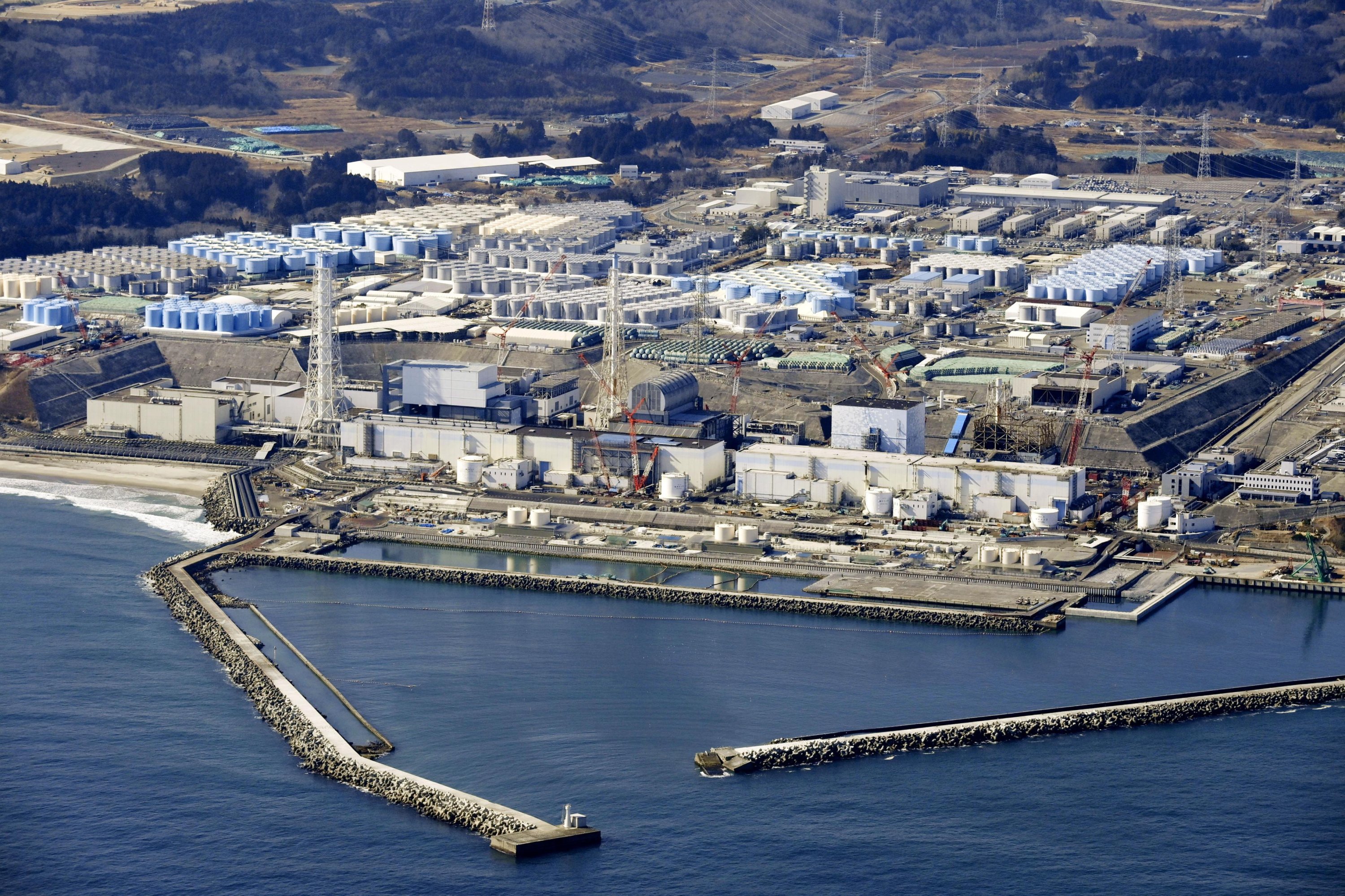
The Fukushima Daiichi nuclear power plant is seen in Okuma town, Fukushima prefecture, north of Tokyo, Japan, Feb. 13, 2021. (AP Photo)
by Agence France-Presse - AFP Aug 24, 2022 11:42 am

Japan’s prime minister on Wednesday called for a push to revive the country’s nuclear power industry in a bid to tackle soaring imported energy costs linked to the Ukraine war.

Such a move could set the stage for a major policy shift and could prove controversial after the 2011 Fukushima disaster led to the suspension of many nuclear reactors over safety fears.

The comments from Prime Minister Fumio Kishida – who also said Japan should look at developing next-generation reactors and extending the lifespan of existing reactors – highlight how the Ukraine crisis and soaring energy costs have forced both a change in public opinion and a policy rethink toward nuclear power.

Like many countries, Japan – which is aiming to become carbon neutral by 2050 – has faced a squeeze on its energy supplies since Russian forces entered Ukraine six months ago.

“Russia’s invasion of Ukraine has vastly transformed the world’s energy landscape” and so “Japan needs to bear in mind potential crisis scenarios,” Kishida said at an energy policy meeting.

Japan should consider building next-generation nuclear reactors, he said, while the government will also discuss bringing more nuclear plants online and extending the service life of reactors if safety can be guaranteed.

Japan has kept most of its nuclear plants idle in the decade since a massive earthquake and tsunami in March 2011 triggered a nuclear disaster at the Fukushima Daiichi power plant.

Kishida called for “concrete conclusions by the end of the year” on the topic, which remains a sensitive one after the tsunami in 2011 caused a meltdown at the Fukushima plant, the world's worst nuclear disaster since Chernobyl.

Eleven years on, 10 of Japan’s 33 nuclear reactors are back in action, although not all are operational year-round, and the country is heavily dependent on imported fossil fuels.

The national nuclear safety watchdog has approved in principle the restart of seven more reactors, but those moves often face opposition from local communities.

‘Politically challenging’

“In addition to securing the operations of the 10 reactors that are already back online, the government will spearhead an effort to do all it takes to realize the restart” of the others whose safety has been approved, Kishida said.

The prime minister, who joined the meeting remotely after testing positive for COVID-19, also urged policymakers to consider “constructing next-generation nuclear reactors equipped with new safety mechanisms.”

Before the Fukushima disaster, a third of Japan’s power generation came from nuclear sources, but in 2020 the figure stood at less than 5%.

Tom O’Sullivan, a Tokyo-based energy consultant at Mathyos Advisory, said building next-generation reactors in Japan would be a “major step,” because “all the current reactors are conventional ones.”

Bringing more existing nuclear plants online will need to be approved by local governors, which could prove “politically challenging,” O’Sullivan told Agence France-Presse (AFP).

“But again, there’s a different environment now after the Ukraine war,” he said.

For the Japanese public, “I don’t think it’s just the electricity costs. It’s the reliance on Russia, for natural gas, oil and coal ... the Japanese public have really woken up to that.”

The price of Japanese shares related to nuclear power surged in afternoon trade as local media reported the possible plans, with Tokyo Electric Power ending up 9.96% and Mitsubishi Heavy Industries jumping 6.85%.

Japan has imposed sanctions on Russia over the war in Ukraine along with other G-7 countries.

The government has also pledged to make efforts to reduce its energy dependency on Russia, which supplies around 8% of Japan’s liquefied natural gas (LNG) needs.

  • shortlink copied
  • KEYWORDS
    nuclear energy nuclear power plant japan energy imports energy market russia-ukraine war
    The Daily Sabah Newsletter
    Keep up to date with what’s happening in Turkey, it’s region and the world.
    You can unsubscribe at any time. By signing up you are agreeing to our Terms of Use and Privacy Policy. This site is protected by reCAPTCHA and the Google Privacy Policy and Terms of Service apply.
    No Image
    In photos: First week of Paralympics at Tokyo 2020
    PHOTOGALLERY
    • POLITICS
    • Diplomacy
    • Legislation
    • War On Terror
    • EU Affairs
    • News Analysis
    • TÜRKİYE
    • Istanbul
    • Education
    • Investigations
    • Minorities
    • Diaspora
    • World
    • Mid-East
    • Europe
    • Americas
    • Asia Pacific
    • Africa
    • Syrian Crisis
    • İslamophobia
    • Business
    • Automotive
    • Economy
    • Energy
    • Finance
    • Tourism
    • Tech
    • Defense
    • Transportation
    • News Analysis
    • Lifestyle
    • Health
    • Environment
    • Travel
    • Food
    • Fashion
    • Science
    • Religion
    • History
    • Feature
    • Expat Corner
    • Arts
    • Cinema
    • Music
    • Events
    • Portrait
    • Performing Arts
    • Reviews
    • Sports
    • Football
    • Basketball
    • Motorsports
    • Tennis
    • Opinion
    • Columns
    • Op-Ed
    • Reader's Corner
    • Editorial
    • Photo gallery
    • DS TV
    • Jobs
    • privacy
    • about us
    • contact us
    • RSS
    © Turkuvaz Haberleşme ve Yayıncılık 2021