Top European energy companies doubled down on oil and gas in 2024 to focus on near-term profits, slowing down and at times revoking their climate commitments, marking a significant shift to which they are likely to stick in 2025.
The retrenchment by oil majors comes after governments around the world slowed the rollout of clean energy policies and delayed targets as energy costs soared following Russia's invasion of Ukraine in 2022.
Big European energy companies that had invested heavily in the clean energy transition found their share performance lagging U.S. rivals Exxon and Chevron which had kept their focus on oil and gas.
Against this backdrop, the likes of BP and Shell this year sharply slowed their plans to spend billions on wind and solar power projects and shifted spending to higher-margin oil and gas projects.
BP, which had aimed for a twentyfold growth in renewable power this decade to 50 gigawatts (GW), announced in December it would spin off almost all its offshore wind projects into a joint venture with Japanese power generator JERA.
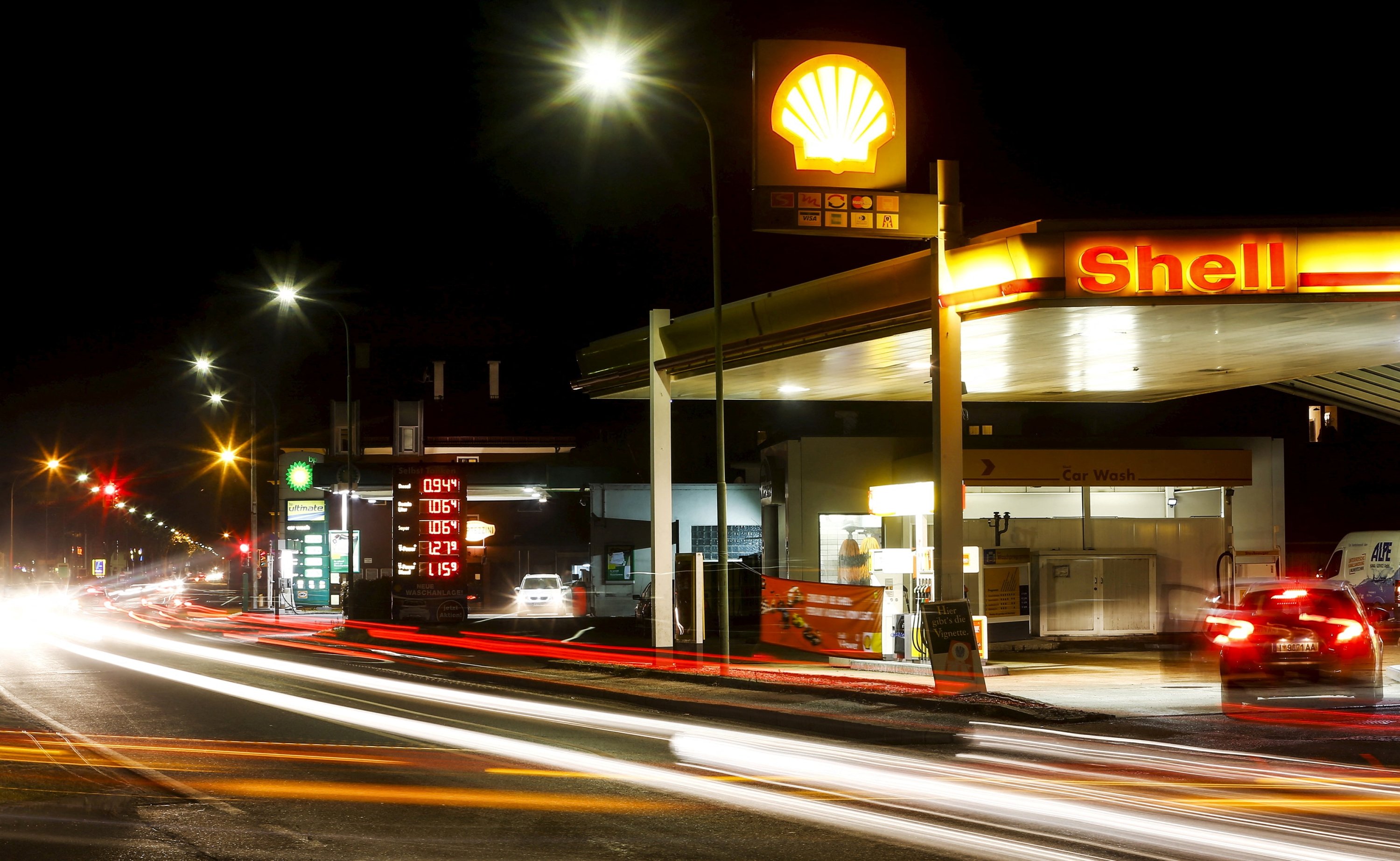
Shell, which once pledged to become the world's largest electricity company, largely stopped investments in new offshore wind projects, exited power markets in Europe and China and weakened carbon reduction targets.
Norway’s state-controlled Equinor also slowed spending on renewables.
"Geopolitical disruptions like the invasion of Ukraine have weakened CEO incentives to prioritize the low-carbon transition amid high oil prices and evolving investor expectations," Rohan Bowater, analyst at Accela Research, told Reuters.
He said BP, Shell and Equinor reduced low-carbon spending by 8% in 2024.
Shell told Reuters it remained committed to becoming a net zero emissions energy business by 2050 and continues to invest in the energy transition.
Equinor said, "The offshore wind segment has been through demanding times in the last couple of years due to inflation, cost increase, and bottlenecks in the supply chain, and Equinor will continue to be selective and disciplined in our approach."
BP did not respond to a request for comment.
The oil companies' retrenchment is bad news for efforts to mitigate climate change. Global heat-trapping carbon emissions are forecast to climb to a new high in 2024, which will be the warmest year on record.
And 2025 is shaping up to be another tumultuous year for the $3 trillion energy sector, with climate-sceptic Donald Trump returning to the White House. China, the world's biggest crude oil importer, is trying to revive its faltering economy, potentially boosting oil demand.
Europe faces continued uncertainty over the war in Ukraine and political turmoil in Germany and France.
All those tensions were laid bare at the annual United Nations climate conference in Baku, the capital of Azerbaijan, in November, when the host country's President Ilham Aliyev hailed oil and gas as "a gift from God."
That summit yielded a global climate finance deal but disappointed climate advocates who had hoped governments would coalesce around a phase-out of oil, gas and coal.
The energy companies will be watching to see if Trump follows through on promises to repeal President Joe Biden's landmark green energy policies, which have spurred investments in renewables across the United States.
Trump has vowed to remove the United States from global climate efforts and has appointed another climate skeptic, oil executive Chris Wright, as his energy secretary.
There are potential pitfalls in the energy majors' renewed emphasis on oil and gas.
Demand growth in China, which has driven global prices for two decades, is slowing, with growing signs that its gasoline and diesel consumption is plateauing.
At the same time, the Organization of the Petroleum Exporting Countries (OPEC) and top oil-producing allies have repeatedly delayed plans to unwind supply cuts as other countries, led by the United States, increase oil output.
As a result, analysts expect oil companies to face tighter financial constraints next year. Net debt for the top five western oil giants is expected to rise to $148 billion in 2024 from $92 billion in 2022, based on LSEG estimates.