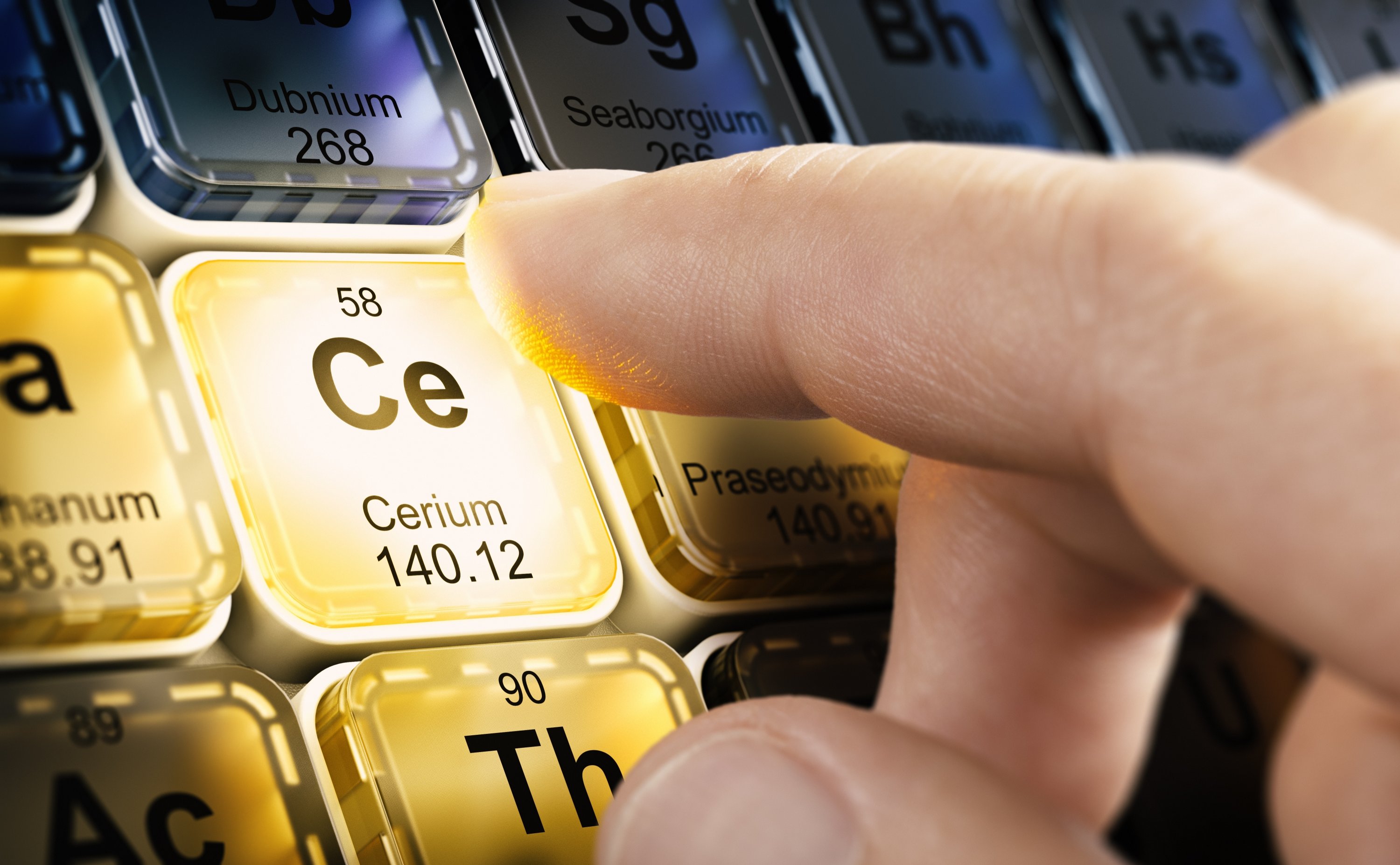
Türkiye is aiming to become one of the world's top five producers of rare earth elements (REEs), with international technology and investment partnerships expected to play a decisive role in achieving this goal, according to the experts in the field.
As global demand for rare earths continues to surge with advances in clean and high-tech industries, Türkiye is accelerating production at its Beylikova Fluorite, Barite and Rare Earth Elements Pilot Plant.
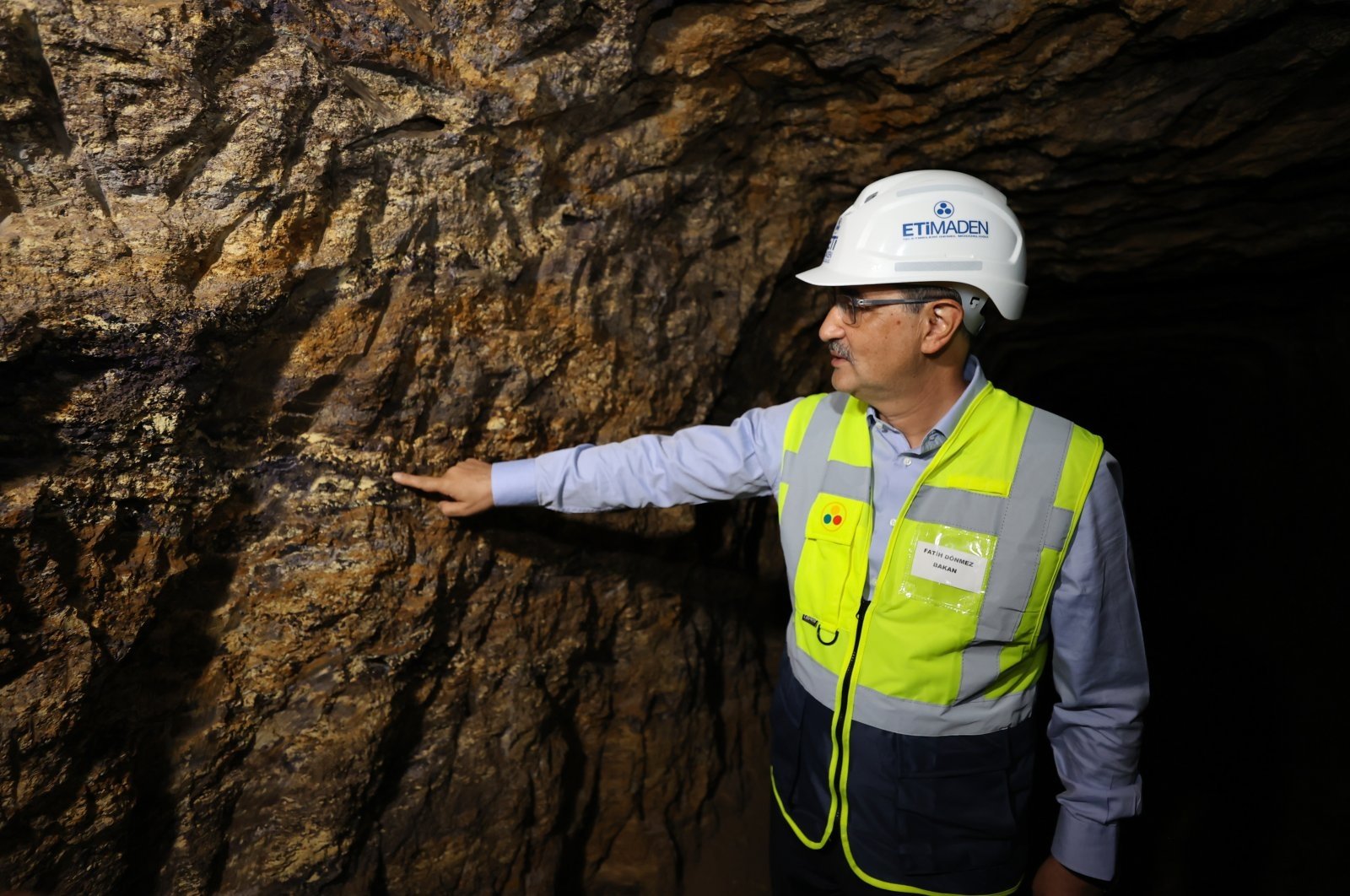
At the Beylikova site in the central province of Eskisehir, drilling has reached around 125,000 meters (410,105 feet) across 310 locations. The exploration has revealed total resources of 694 million tons, including significant deposits of rare earth elements, barite and fluorite.
The site is estimated to contain about 12.5 million tons of rare earth oxides, covering 10 of the 17 known rare earth elements. With these reserves, Beylikova ranks second globally after China's Bayan Obo Rare Earth Mine in western Inner Mongolia.
The pilot facility initially focuses on producing seven rare earth elements and will process their oxides for the first time.
In addition to fluorite, barite, lanthanum, cerium, praseodymium, samarium, gadolinium, europium and neodymium, the plant will also handle other REEs, as well as thorium, a nuclear fuel raw material.
Earlier this week, President Recep Tayyip Erdoğan also highlighted the goal of elevating Türkiye among the top five producers globally.
"The Beylikova field, which contains 10 of the 17 rare earth elements, contains about 12.5 million tons of rare earth oxides. We aim to become one of the world's top five rare earth element producers," Erdoğan said following the Cabinet meeting.
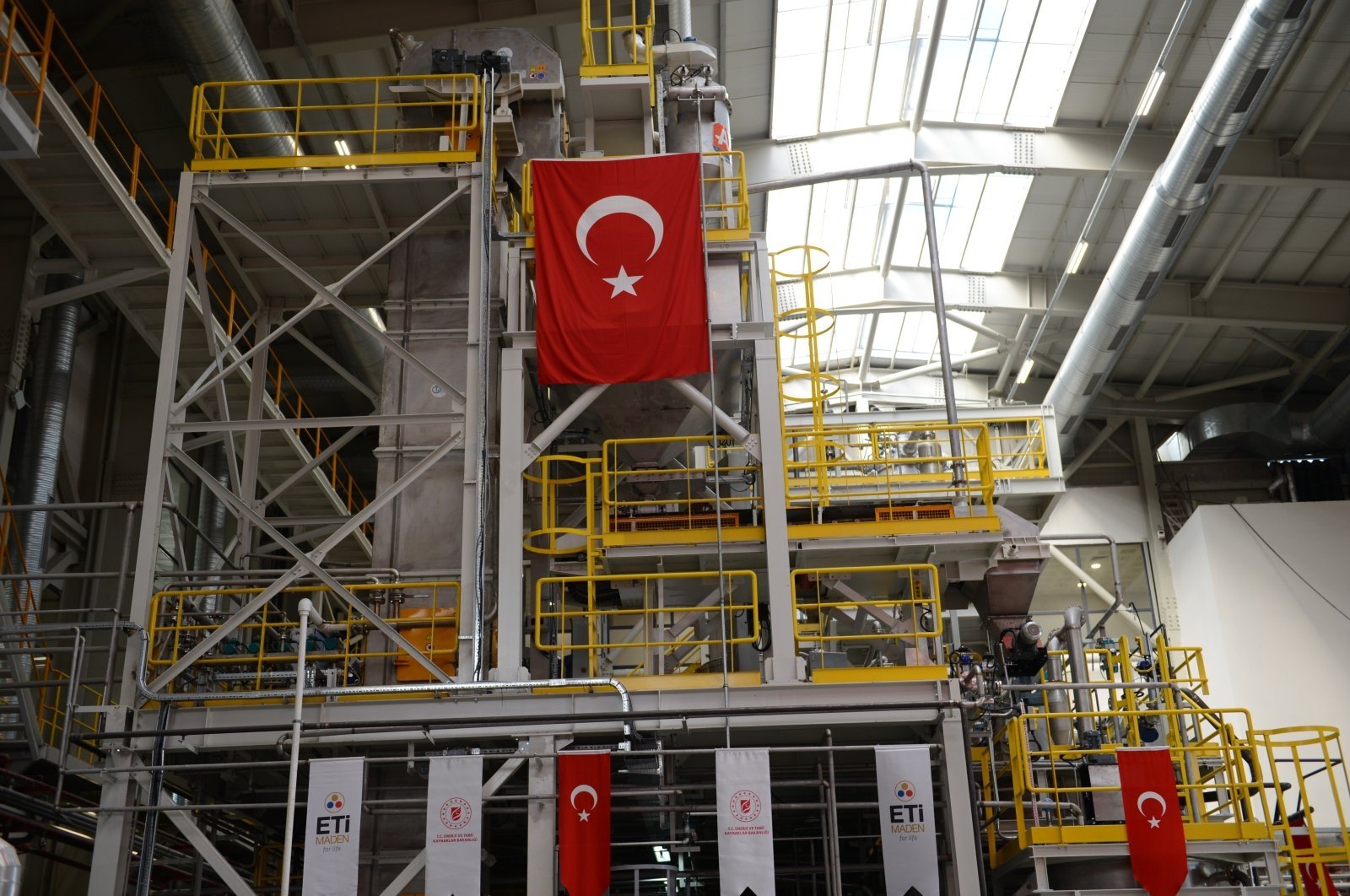
"We are continuing our efforts in this direction. Initially, we commissioned the Eti Maden Pilot Production Facility, which will process 1,200 tons of ore annually. We are continuing our work, including purification technology, to transform the pilot plant into an industrial facility," he added.
Countries and companies with rare earth element technology are "unfortunately" hesitant to share their experience in production processes in this area, he also noted, stating that overcoming this hurdle and rapidly integrating existing fields into the economy requires international collaboration.
Many countries have signed agreements with countries experienced in these areas for technology development, consultancy and technology transfer, he said, adding: "Türkiye is also talking with expert organizations of countries with technological expertise to develop collaborations."
He, however, stressed that "giving the rare earth element field in Beylikova over to any other country is out of the question."
Through the Beylikova Pilot Plant, Türkiye plans to process 1,200 tons of ore annually. Once upgraded to an industrial-scale facility, annual production is expected to reach 570,000 tons, potentially generating around $220 million in revenue.
Efforts are underway to develop advanced refining technologies to scale up the Beylikova Fluorite, Barite and Rare Earth Elements Pilot Plant into full industrial production, supporting Türkiye's ambition to rank among the world’s top five REE producers.
However, with rare earth elements being strategically critical for global technology and defense industries, and increasingly valuable under climate-focused industrial policies, knowledge sharing among producing countries remains limited.
China currently dominates the sector, accounting for 69% of global REE output and 85% of global processing capacity.
Western nations seeking to reduce their dependence on Beijing are pushing to diversify supply chains, a trend that increases the urgency for new producers like Türkiye to bring projects online and expand international collaboration.
Türkiye has the potential to meet its ambitions in rare earths with international cooperation, the founder of Turkish Critical Minerals Initiative Sait Uysal, told Anadolu Agency (AA).
"With China restricting technology transfers to maintain its leadership, Türkiye could position itself as an alternative for the West if it establishes win-win partnerships that include technology sharing," Uysal said.
"In that scenario, Türkiye would not just supply raw materials but become a center for value-added production," he added.
"Such a move would mark a major leap economically, financially and technologically (but) everything depends on strategy and execution," he noted.
Highlighting the lack of knowledge exchange in the sector, Uysal said: "It is strictly forbidden to export REE-related technology from China and the rules are tightly enforced. Even research institutes cannot provide know-how or consultancy to foreign entities without state approval."
Given these constraints, Uysal said international cooperation remains vital, adding that Türkiye could pursue joint projects with Japan, South Korea, the U.S. or European nations that face resource shortages but possess advanced technologies.
He also underscored the importance of developing human capital, urging Türkiye to encourage graduate and doctoral researchers to conduct REE-related studies in countries such as Australia, Malaysia and the U.S.
Uysal further suggested repositioning local rare earth research centers as national hubs for talent development, while noting that international collaboration will remain critical until a strong domestic knowledge base is established.
Moreover, Uysal underscored the value chain from raw materials to finished products.
"The global market for REE raw materials is worth about $7 billion. When used in magnet production, it expands to $40 billion; in electric motors and other components to $400 billion; and in final products such as wind turbines and electric vehicles, the value reaches as much as $4 trillion," he explained.
"That explains China's strategy to dominate high-value end products," Uysal concluded. "Mining is only the first stage of the chain, relatively low-cost and manageable."