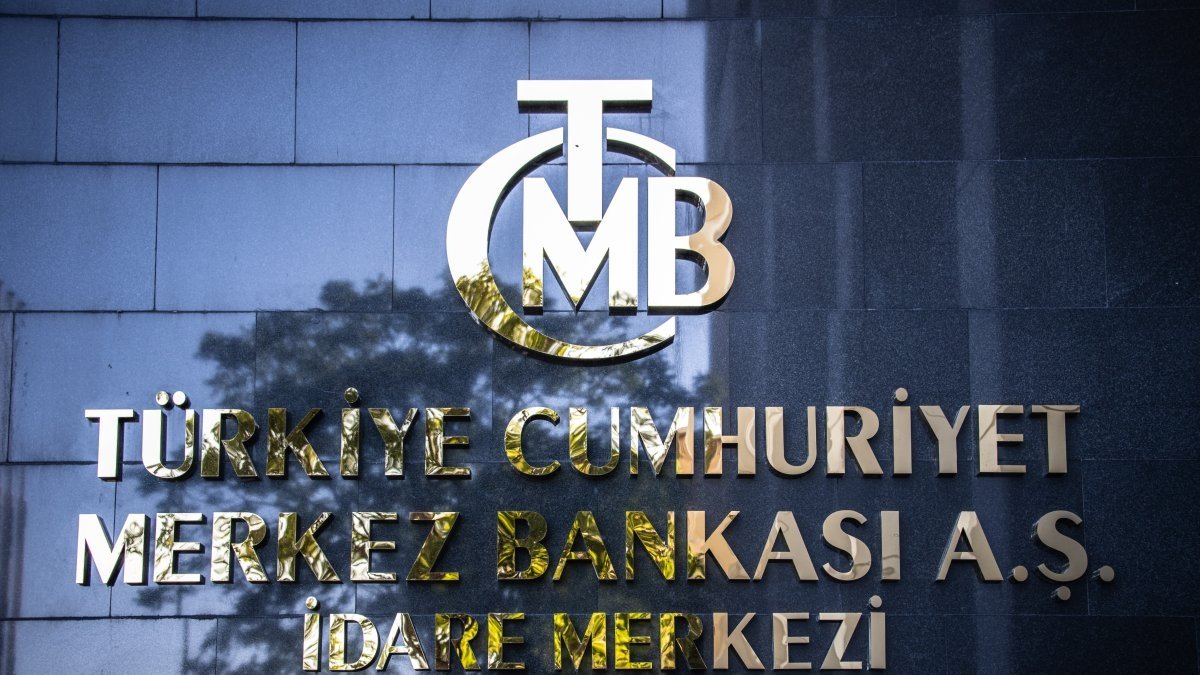
Central banks in Europe and Türkiye are heading into a week where they will deliver their latest decisions on monetary policy amid a fresh dilemma posed by the restart in tensions between the U.S. and Iran, which threaten to fuel energy price volatility and complicate the inflation outlook.
Both the European Central Bank (ECB), which oversees economic policy in the eurozone, and the Central Bank of the Republic of Türkiye (CBRT) are expected to hold interest rates on July 23, as conflict weighs on activity and adds fresh pressure on prices, analysts and polls suggest.
Still, markets would look at hints and predictions on the future inflation outlook for the remainder of the year, as well as for more details on what the policymakers currently consider to be the main sources of the strain.
After becoming the first among major banks to hike rates due to the U.S.-Iran war on June 11, the ECB is due to stay on hold this week but will hike for the second time this year in September as a renewed energy price surge raises the risk of more intense inflation pressures, according to a growing majority of economists polled by Reuters.
A 20% jump in oil prices following a re-escalation of war in the Middle East has prompted markets to price in two more rate hikes this year, compared to one until the cease-fire arrangement between the U.S. and Iran abruptly ended.
The ECB has already raised rates once this year, unlike many of its peers, including the U.S. Federal Reserve (Fed), the Bank of England (BoE) and the Bank of Canada.
While preliminary official data showed eurozone inflation eased to 2.8% in June, that is still above the ECB's 2.0% target, keeping alive the case for higher rates. But weak growth and limited evidence of second-round effects argue for caution.
All 74 economists in the July 13-16 Reuters poll expected the ECB to leave its deposit rate unchanged at 2.25% next week, in line with market pricing.
A 70% majority of respondents, 52 of 74, expected one more rate hike this year, probably in September, up from around 60% in last month's poll.
"The ECB probably would have needed to hike anyway, even if we hadn't had all of this extra noise around the Strait of Hormuz over the past week or so," said Chris Scicluna, head of economic research at Daiwa Capital Markets.
"Gas prices are significantly higher and electricity power prices are higher as well. The ECB is going to have to take account of this when it next updates its forecast in September. But for now, it will judge there's no urgency for it to raise rates just yet again."
Nearly 30% of economists still see rates unchanged for the rest of the year, while only three expect two more hikes.
Policymakers have struck a cautious tone on inflation risks, particularly second-round effects, but have called for vigilance.
"The balance in the Governing Council today is slightly more on the side of the hawkish people, even though everybody knows pretty well that because of the growth momentum we have today in the euro area, they have to be very cautious with a policy rate hike," said Alain Durre, head of Europe macro research at Natixis.
"It's very difficult to be confident about anything right now. But it's very clear to me the higher energy inflation goes ... the bigger the risk of second-round effects on wages and subsequently prices as firms raise their prices to pay a higher wage bill," said Simon Wells, chief European economist at HSBC.
"So yes, if we go into the September meeting with oil at $90 and still highly uncertain about where things are heading with possible upside risks to that, it may well be prudent for the ECB to hike again."
The eurozone economy contracted 0.2% in the first quarter but was expected to have grown 0.2% last quarter and expand at a similar pace in this one and the next, the poll showed, putting 2026 growth at 0.5%. That marked a fourth straight downgrade to forecasts.
The CBRT, which has kept interest rates unchanged at 37% in its last three meetings, in line with expectations, and has not changed the overnight lending and borrowing rates, is similarly expected to remain cautious and keep the policy rate within the same range.
Even though most economists predict that the bank would stay at 37%, some forecasted that the Monetary Policy Committee (MPC) meeting could result in an additional interest rate cut of 100 to 150 basis points, a report by Sabah newspaper said.
According to a survey conducted by Matriks Haber with the participation of 33 economists, 32 of the participants predicted that the policy rate would remain at 37%, while only one economist predicted a 300 basis point cut, bringing the rate down to 34%.
Moreover, the median and average expectations regarding the timing of the first interest rate cut pointed to September.
Türkiye's consumer price inflation moderated in June to the lowest level in three months, coming in at 32.1%, according to official data.
On a monthly basis, the prices increased 0.99% after rising 1.71% in May, coming in below a 1% rate for the first time since late 2025.