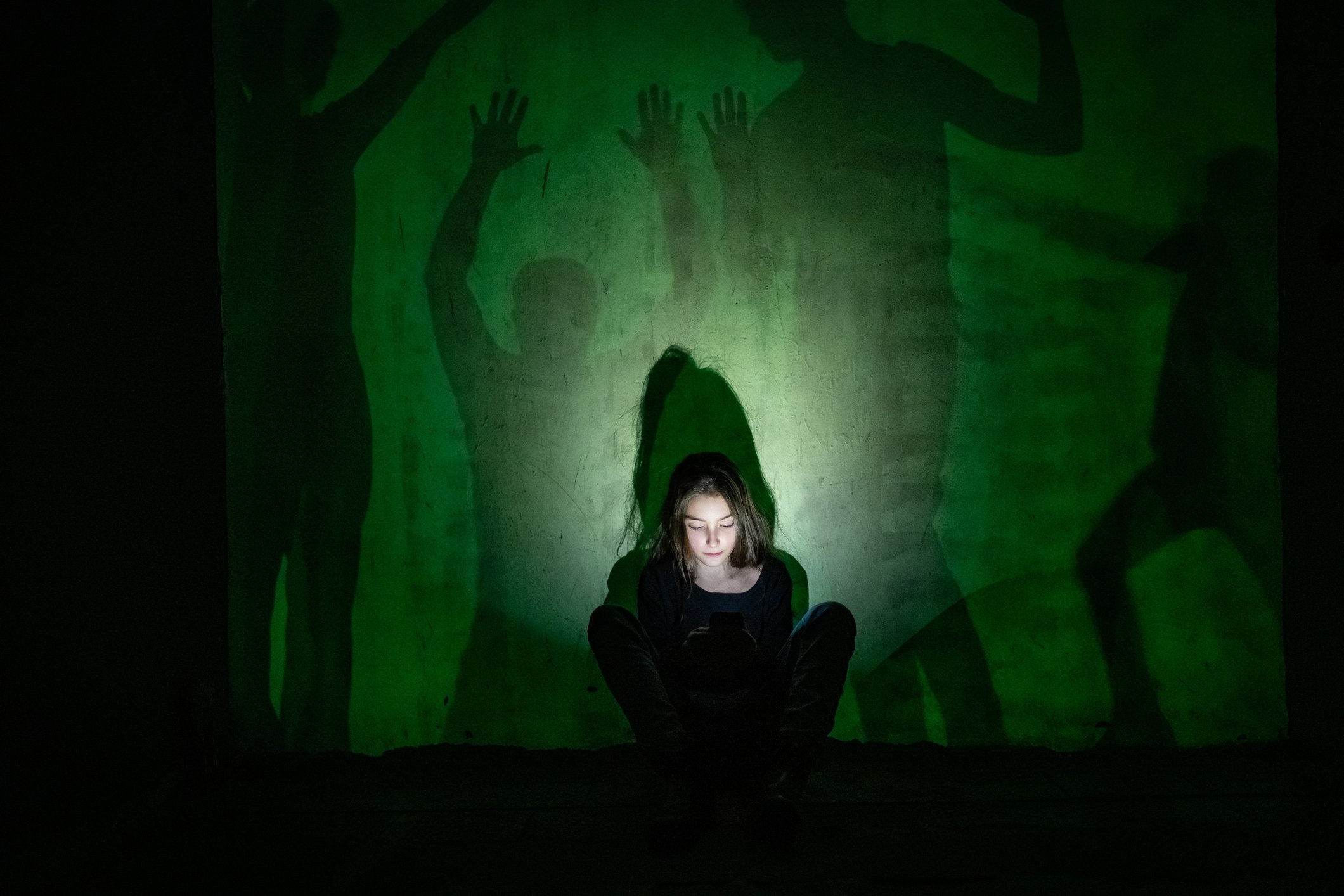
In the digital age, algorithms often speak louder than conscience.
The Turkish Language Association (TDK) has announced “digital conscience” as the word and concept of 2025, selected through public participation.
This choice points not only to a technological reality, but also to a deeper tension in how our age understands morality. Adding the adjective "digital" to an ancient and internal concept like conscience shows that humanity is forced to rethink the relationship between morality and technology.
The TDK defines conscience as the moral awareness that compels a person to judge their own actions. This definition implies that conscience is essentially an inner measure. Conscience operates where no one can see it; it doesn't need approval, applause, or witnessing. However, in the digital age, this inner realm seems to have increasingly spilled out. Morality is now judged more by what a person shares than by what they think. Today, digital conscience often shifts from self-accounting to mere reaction. Reacting is confused with conscience itself.
Silence, on the other hand, is considered a sign of insensitivity, not reflection. Yet conscience doesn't work hastily. It wants to pause, weigh things and sometimes chooses silence. The digital realm, however, does not tolerate this slowness; it demands clarity, speed, and a unified stance. The scene frequently encountered on social media in Türkiye clearly demonstrates this. In the face of a crisis, an injustice, or a tragedy, the same sentences, the same images and the same hashtags quickly circulate. Those who don't share are quickly questioned. The question, "Why are you silent?" often becomes more prominent than the issue itself. What is measured here is not the depth of conscience, but its visible presence.
A similar picture emerges on a global scale. Humanitarian crises in different parts of the world do not resonate equally on digital platforms. While some suffering is embraced with global sensitivity, others are almost invisible. Thus, conscience is shaped more by the selectivity of algorithms than by a universal sense of justice. What is visible is important; what is invisible is easily forgotten. Here, digital conscience ceases to be a moral compass and transforms into a security mechanism. People often act not so much on the basis of considering what is truly right, but on the reflex of not appearing to be on the wrong side. Conscience becomes less an inner voice searching for truth and more a reflex protecting public position.
Another problem is the comforting nature of digital conscience. Real conscience is unsettling; it pushes one out of their comfort zone and imposes long-term responsibilities.
Digital conscience, however, often provides only short-lived moral relief. People share, react, feel their duty is fulfilled and the flow moves on to a new agenda. Conscience is quickly consumed. Perhaps the real question today is: Are we truly more conscientious, or do we only appear so?
In the digital age, preserving conscience isn't about reacting instantly to everything; it's about questioning what we react to, why and how. We need a conscience that thinks more carefully, not one that speaks louder. Because morality is often built in moments of stillness.
As we rethink conscience in the digital age, what we should truly remember is that a person is responsible to oneself and to Allah. Is a morality possible that is not measured by visibility, not nourished by applause, and does not lose its meaning even when unrecorded? Islamic morality has answered this question from the same place for centuries: goodness gains meaning through intention; conscience guides us even in the absence of witnesses. Perhaps the most authentic morality in the digital age, in a world that forces us to show everything, is being content to let only Allah know certain things.