Daily Sabah logo

Politics
Diplomacy Legislation War On Terror EU Affairs Elections News Analysis
TÜRKİYE
Istanbul Education Investigations Minorities Expat Corner Diaspora
World
Mid-East Europe Americas Asia Pacific Africa Syrian Crisis Islamophobia
Business
Automotive Economy Energy Finance Tourism Tech Defense Transportation News Analysis
Lifestyle
Health Environment Travel Food Fashion Science Religion History Feature Expat Corner
Arts
Cinema Music Events Portrait Reviews Performing Arts
Sports
Football Basketball Motorsports Tennis
Opinion
Columns Op-Ed Reader's Corner Editorial
PHOTO GALLERY
JOBS ABOUT US RSS PRIVACY CONTACT US
© Turkuvaz Haberleşme ve Yayıncılık 2025

Daily Sabah - Latest & Breaking News from Turkey | Istanbul

  • Politics
    • Diplomacy
    • Legislation
    • War On Terror
    • EU Affairs
    • Elections
    • News Analysis
  • TÜRKİYE
    • Istanbul
    • Education
    • Investigations
    • Minorities
    • Expat Corner
    • Diaspora
  • World
    • Mid-East
    • Europe
    • Americas
    • Asia Pacific
    • Africa
    • Syrian Crisis
    • Islamophobia
  • Business
    • Automotive
    • Economy
    • Energy
    • Finance
    • Tourism
    • Tech
    • Defense
    • Transportation
    • News Analysis
  • Lifestyle
    • Health
    • Environment
    • Travel
    • Food
    • Fashion
    • Science
    • Religion
    • History
    • Feature
    • Expat Corner
  • Arts
    • Cinema
    • Music
    • Events
    • Portrait
    • Reviews
    • Performing Arts
  • Sports
    • Football
    • Basketball
    • Motorsports
    • Tennis
  • Gallery
  • Opinion
    • Columns
    • Op-Ed
    • Reader's Corner
    • Editorial
  • TV
  • Life
  • Health
  • Environment
  • Travel
  • Food
  • Fashion
  • Science
  • Religion
  • History
  • Feature
  • Expat Corner

Antarctica faces new threats from invasive species, pollution

by Deutsche Presse-Agentur - dpa

WELLINGTON Aug 22, 2024 - 10:54 am GMT+3
Edited By Ayşe Sena Aykın
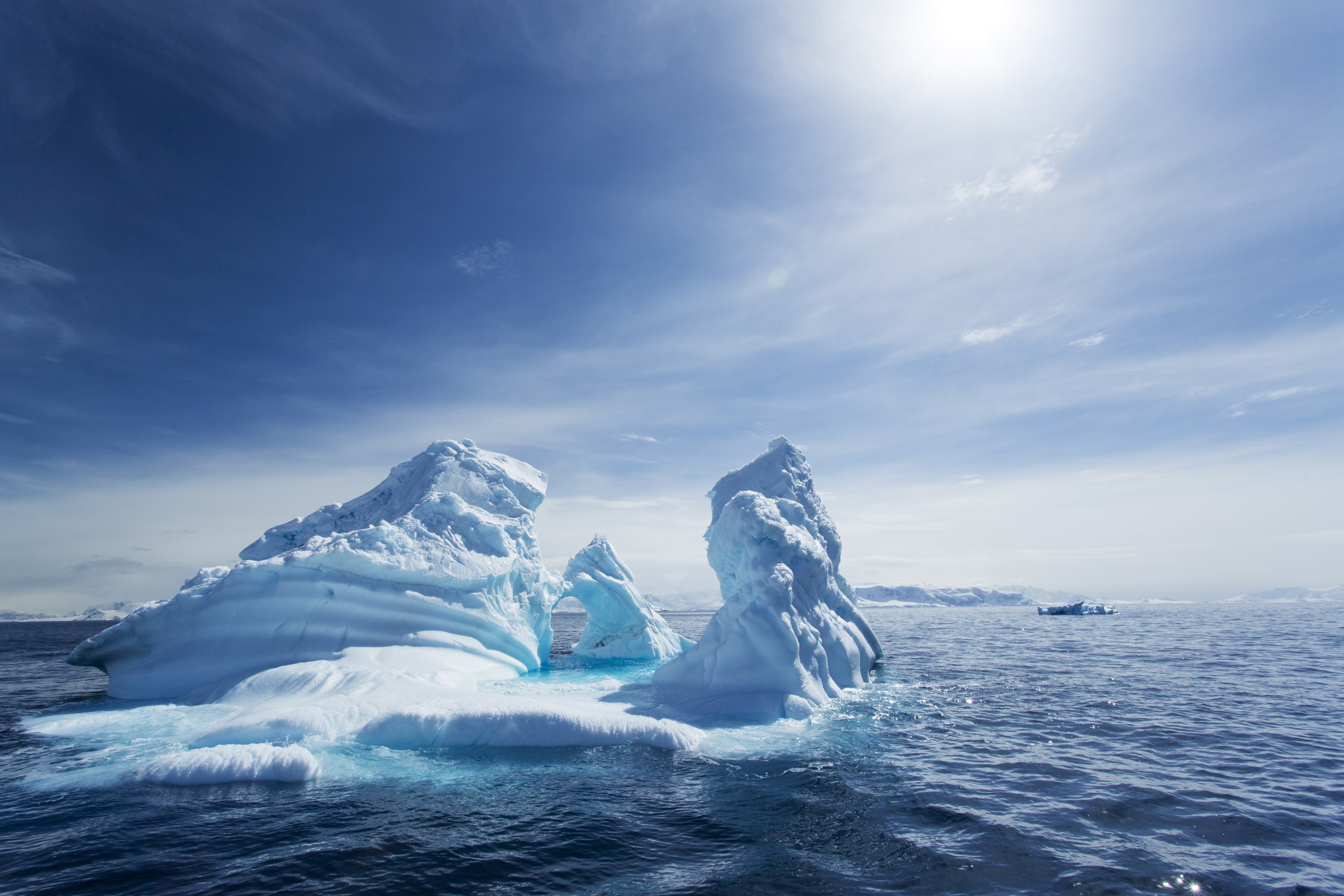
Massive iceberg floating in the spring sunshine in the Gerlache Strait, along the Antarctic Peninsula, Nov. 26, 2012. (Getty Images)
by Deutsche Presse-Agentur - dpa Aug 22, 2024 10:54 am
Edited By Ayşe Sena Aykın

Antarctica's ecosystems could be threatened by the arrival of non-native marine species and marine pollution from Southern Hemisphere landmasses, new oceanographic modeling shows.

Previously, scientists thought non-native species only drifted from remote and unpopulated islands in the Southern Ocean.

New research published in Global Change Biology on Thursday suggested they could reach the Antarctic coastline from all southern continents.

Scientists have said that non-native species could reach Antarctica by catching a ride on floating objects like kelp, driftwood, pumice and plastic.

Co-author Crid Fraser said that kelp could deal a potential "double whammy blow" to Antarctica's marine ecosystem.

"Southern bull kelp and giant kelp are very big – often more than 10 meters long – and create forest-like habitat for many small animals, which they can carry with them on the long rafting trips to Antarctica," she said.

"If they colonize Antarctica, marine ecosystems there could change dramatically."

Using modeled surface current and wave data from 1997 to 2015, scientists tracked the movement of floating debris from various Southern Hemisphere land sources toward Antarctica.

"We found that rafting objects reached the Antarctic coastline in each of the years simulated. There seems to be a constant bombardment of anything that floats – whether it's kelp or a plastic bottle," co-author Adele Morrison said.

Most of the rafting objects arrived at the tip of the Antarctic Peninsula, a region with relatively warm ocean temperatures and often ice-free conditions, making it a likely area for non-native species first to establish, the scientists said.

The dramatic drop in Antarctic sea ice made these rafting connections particularly concerning.

"Sea ice is very abrasive and so acts as a barrier for many non-native species to establish around Antarctica successfully," lead author Hannah Dawson said.

"If the recent decline in Antarctic sea ice continues, then living things floating at the surface or attached to floating objects could have an easier time colonizing the continent, which may have big impacts on ecosystems."


  • shortlink copied
  • Last Update: Aug 22, 2024 1:07 pm
    KEYWORDS
    antarctica ecosystem marine species pollution
    The Daily Sabah Newsletter
    Keep up to date with what’s happening in Turkey, it’s region and the world.
    You can unsubscribe at any time. By signing up you are agreeing to our Terms of Use and Privacy Policy. This site is protected by reCAPTCHA and the Google Privacy Policy and Terms of Service apply.
    No Image
    Makeshift camps, freezing cold: Migrants stuck at Poland-Belarus border
    PHOTOGALLERY
    • POLITICS
    • Diplomacy
    • Legislation
    • War On Terror
    • EU Affairs
    • News Analysis
    • TÜRKİYE
    • Istanbul
    • Education
    • Investigations
    • Minorities
    • Diaspora
    • World
    • Mid-East
    • Europe
    • Americas
    • Asia Pacific
    • Africa
    • Syrian Crisis
    • İslamophobia
    • Business
    • Automotive
    • Economy
    • Energy
    • Finance
    • Tourism
    • Tech
    • Defense
    • Transportation
    • News Analysis
    • Lifestyle
    • Health
    • Environment
    • Travel
    • Food
    • Fashion
    • Science
    • Religion
    • History
    • Feature
    • Expat Corner
    • Arts
    • Cinema
    • Music
    • Events
    • Portrait
    • Performing Arts
    • Reviews
    • Sports
    • Football
    • Basketball
    • Motorsports
    • Tennis
    • Opinion
    • Columns
    • Op-Ed
    • Reader's Corner
    • Editorial
    • Photo gallery
    • DS TV
    • Jobs
    • privacy
    • about us
    • contact us
    • RSS
    © Turkuvaz Haberleşme ve Yayıncılık 2021