Daily Sabah logo

Politics
Diplomacy Legislation War On Terror EU Affairs Elections News Analysis
TÜRKİYE
Istanbul Education Investigations Minorities Expat Corner Diaspora
World
Mid-East Europe Americas Asia Pacific Africa Syrian Crisis Islamophobia
Business
Automotive Economy Energy Finance Tourism Tech Defense Transportation News Analysis
Lifestyle
Health Environment Travel Food Fashion Science Religion History Feature Expat Corner
Arts
Cinema Music Events Portrait Reviews Performing Arts
Sports
Football Basketball Motorsports Tennis
Opinion
Columns Op-Ed Reader's Corner Editorial
PHOTO GALLERY
JOBS ABOUT US RSS PRIVACY CONTACT US
© Turkuvaz Haberleşme ve Yayıncılık 2025

Daily Sabah - Latest & Breaking News from Turkey | Istanbul

  • Politics
    • Diplomacy
    • Legislation
    • War On Terror
    • EU Affairs
    • Elections
    • News Analysis
  • TÜRKİYE
    • Istanbul
    • Education
    • Investigations
    • Minorities
    • Expat Corner
    • Diaspora
  • World
    • Mid-East
    • Europe
    • Americas
    • Asia Pacific
    • Africa
    • Syrian Crisis
    • Islamophobia
  • Business
    • Automotive
    • Economy
    • Energy
    • Finance
    • Tourism
    • Tech
    • Defense
    • Transportation
    • News Analysis
  • Lifestyle
    • Health
    • Environment
    • Travel
    • Food
    • Fashion
    • Science
    • Religion
    • History
    • Feature
    • Expat Corner
  • Arts
    • Cinema
    • Music
    • Events
    • Portrait
    • Reviews
    • Performing Arts
  • Sports
    • Football
    • Basketball
    • Motorsports
    • Tennis
  • Gallery
  • Opinion
    • Columns
    • Op-Ed
    • Reader's Corner
    • Editorial
  • TV
  • Life
  • Health
  • Environment
  • Travel
  • Food
  • Fashion
  • Science
  • Religion
  • History
  • Feature
  • Expat Corner

Greenhouse gases shrink stratosphere, threaten GPS, study finds

by Anadolu Agency

OVIEDO, Spain May 18, 2021 - 4:47 pm GMT+3
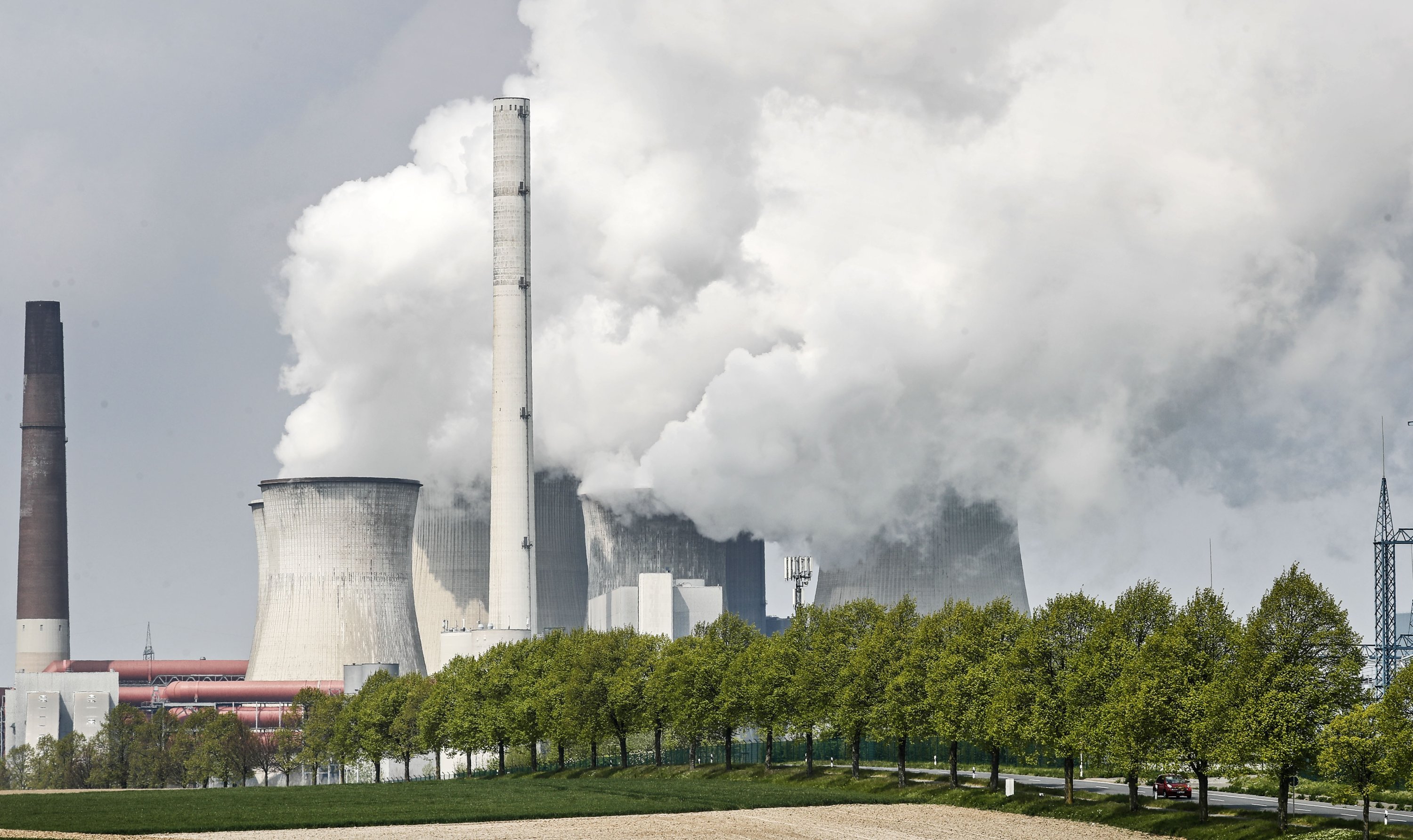
A coal-fired RWE power plant steams on a sunny day in Neurath, Germany, April 29, 2021. (AP Photo)
by Anadolu Agency May 18, 2021 4:47 pm

The negative effects of human-produced greenhouse gases on our planet become clearer day by day with more studies conducted on the subject, bringing to the forefront a gloomy environment for future generations if actions are not taken. Most recently, an international group of researchers found for the first time that emissions have been shrinking the planet's stratosphere.

The continued contraction of the second layer of the Earth’s atmosphere could eventually disrupt GPS satellites and radio waves, according to the study that was published in the journal Environmental Research Letters.

“We discovered that the stratosphere has been contracting by more than 100 meters (328 feet) per decade since 1980, and we have proved that it’s due to greenhouse gases,” said co-author Juan Antonio Anel of the University of Vigo in Spain.

“In a plausible climate change scenario, our planet’s stratosphere could lose 4% of its vertical extension (1.3 kilometers or 0.8 miles) from 1980 to 2080,” he said.

The stratosphere starts around 20 kilometers from the Earth’s surface at the equator and is around 40 kilometers thick. The ozone layer is part of the stratosphere and absorbs most of the sun’s Earth-bound radiation.

At the turn of the millennium, scientists discovered that global warming was causing the troposphere, the atmospheric layer where most known biological life lives, to expand.

Researchers had hypothesized that climate change could affect the stratosphere as well. Not only is it pushed up by the expanding troposphere, but it also has the complete opposite reaction to greenhouse gases.

Instead of warming and expanding as a reaction to carbon dioxide, the stratosphere cools and shrinks.

Now, using a complex ensemble of chemistry-climate models, researchers have found the first evidence that human activity is indeed affecting the conditions, even 60 kilometers above Earth.

Anel said it shows human effects on “the fragile balance of our planet.”

The paper suggests that besides satellites and radio waves, the shrinkage may also affect stratosphere dynamics or radiation transfer, though more research is needed in those areas.

They also suggest that monitoring the thickness of the stratosphere could be another way to keep track of climate change and the ongoing battle to reduce carbon emissions.


  • shortlink copied
  • Last Update: May 18, 2021 6:35 pm
    KEYWORDS
    greenhouse gas emission climate change carbon emissions environmental sustainability climate crisis
    The Daily Sabah Newsletter
    Keep up to date with what’s happening in Turkey, it’s region and the world.
    You can unsubscribe at any time. By signing up you are agreeing to our Terms of Use and Privacy Policy. This site is protected by reCAPTCHA and the Google Privacy Policy and Terms of Service apply.
    No Image
    All over the place: Stadiums that will host Euro 2020 matches
    PHOTOGALLERY
    • POLITICS
    • Diplomacy
    • Legislation
    • War On Terror
    • EU Affairs
    • News Analysis
    • TÜRKİYE
    • Istanbul
    • Education
    • Investigations
    • Minorities
    • Diaspora
    • World
    • Mid-East
    • Europe
    • Americas
    • Asia Pacific
    • Africa
    • Syrian Crisis
    • İslamophobia
    • Business
    • Automotive
    • Economy
    • Energy
    • Finance
    • Tourism
    • Tech
    • Defense
    • Transportation
    • News Analysis
    • Lifestyle
    • Health
    • Environment
    • Travel
    • Food
    • Fashion
    • Science
    • Religion
    • History
    • Feature
    • Expat Corner
    • Arts
    • Cinema
    • Music
    • Events
    • Portrait
    • Performing Arts
    • Reviews
    • Sports
    • Football
    • Basketball
    • Motorsports
    • Tennis
    • Opinion
    • Columns
    • Op-Ed
    • Reader's Corner
    • Editorial
    • Photo gallery
    • DS TV
    • Jobs
    • privacy
    • about us
    • contact us
    • RSS
    © Turkuvaz Haberleşme ve Yayıncılık 2021