The giant holding companies of the luxury world do not manage this sector only through individual products, but through an entire system. This includes brand storytelling, store experience, digital visibility, customer relationships, cultural positioning and global distribution.
In other words, the strength of a jewelry brand today does not come solely from the carat weight of the diamonds it uses, the clarity of the stones or the finesse of craftsmanship. When we look at the luxury jewelry world from a storefront perspective, we see independent brands that appear to shine separately from one another.
But behind the curtain, the picture is very different.
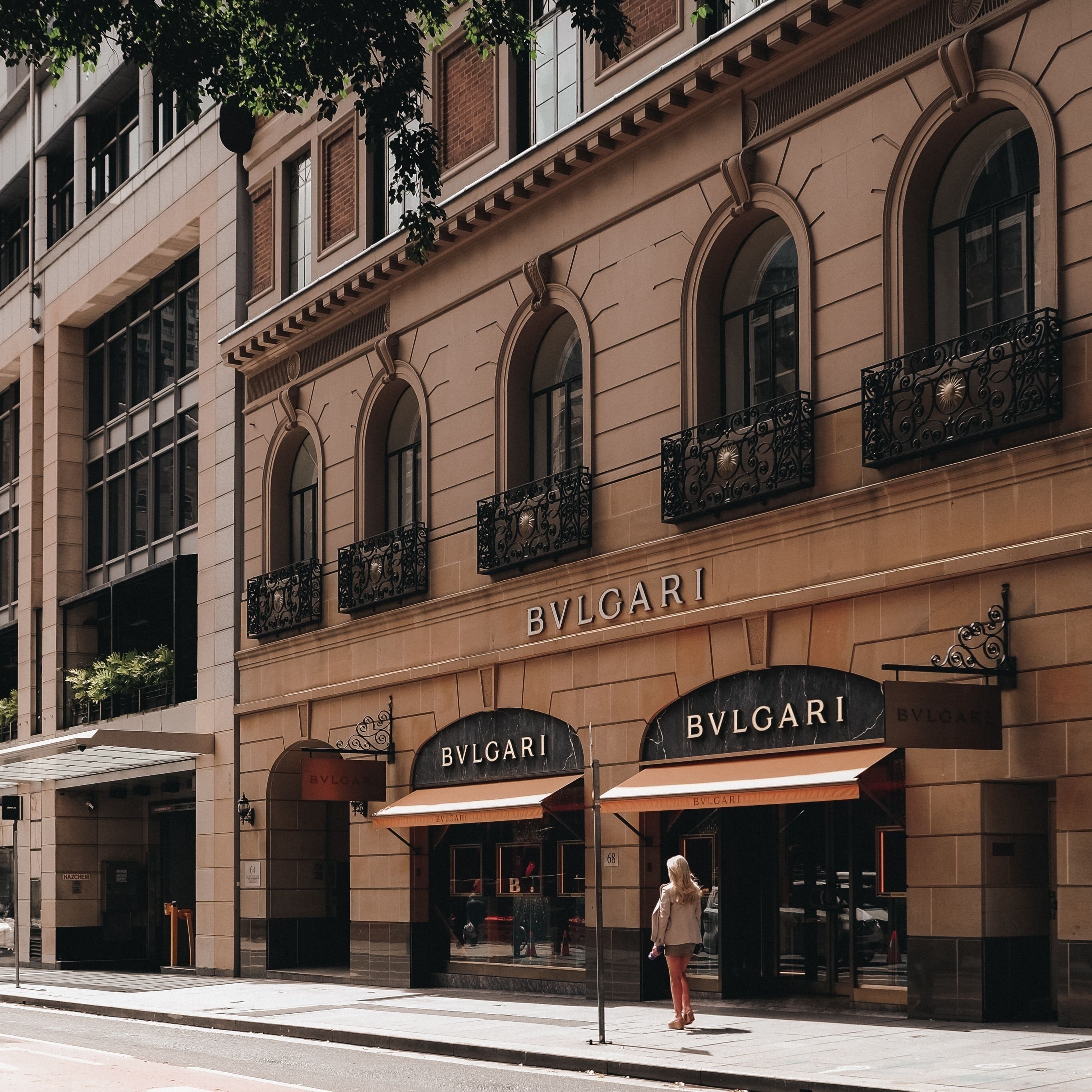
From Cartier to Van Cleef & Arpels, from Bvlgari to Tiffany & Co., a significant portion of this vast and influential world is shaped by three major groups: LVMH, Richemont and Kering.
Today, the luxury jewelry world is not limited to precious stones, metals or craftsmanship. It is also about capital, distribution, storytelling and global influence. And more often than not, what determines a brand’s real power is not the necklace in the window – but the group behind that window.
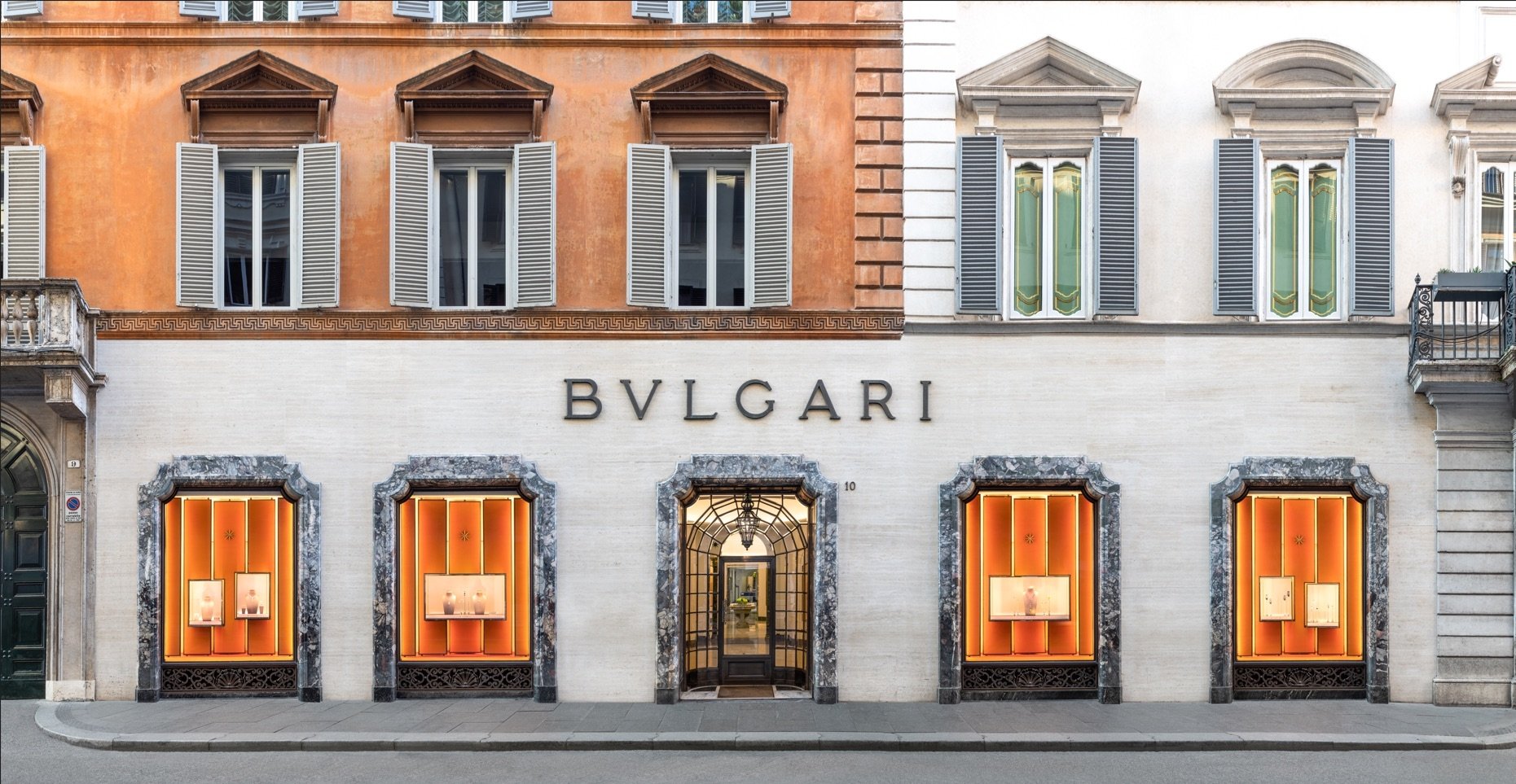
Just as celebrities on the red carpet are dressed by fashion houses owned by major conglomerates, the same logic applies to jewelry. These groups highlight different jewelry brands in different years. That is why one year we see Bvlgari bracelets everywhere, and the next year we see designs from Tiffany & Co. or Chaumet.
Sometimes, competing brands manage to capture attention through the right ambassadors, collaborations and marketing strategies, and suddenly, we start seeing Cartier or Van Cleef & Arpels everywhere again.
As mentioned, this is truly a battle of conglomerates.
When people think of luxury today, the first name that comes up is largely LVMH, led by Bernard Arnault. The group is extremely powerful not only in fashion but also in jewelry.
Alongside fashion houses such as Louis Vuitton, Dior, Fendi, Celine and Givenchy, LVMH also owns major jewelry houses such as Bvlgari and Tiffany & Co.
Its jewelry portfolio is not limited to these two brands. Chaumet, Fred and Repossi are also important maisons under the group.
LVMH operates not only in jewelry and fashion, but also in watches, hotels, perfumes and media. It functions less like a single holding company and more like a global luxury ecosystem.
Even though each maison appears to preserve its own history, identity and customer base, a much larger shared system operates behind them. Distribution, retail experience, digital presence and communication strategies are all strengthened by a centralized structure.
What looks like separate brands in storefronts is actually driven by the same engine.
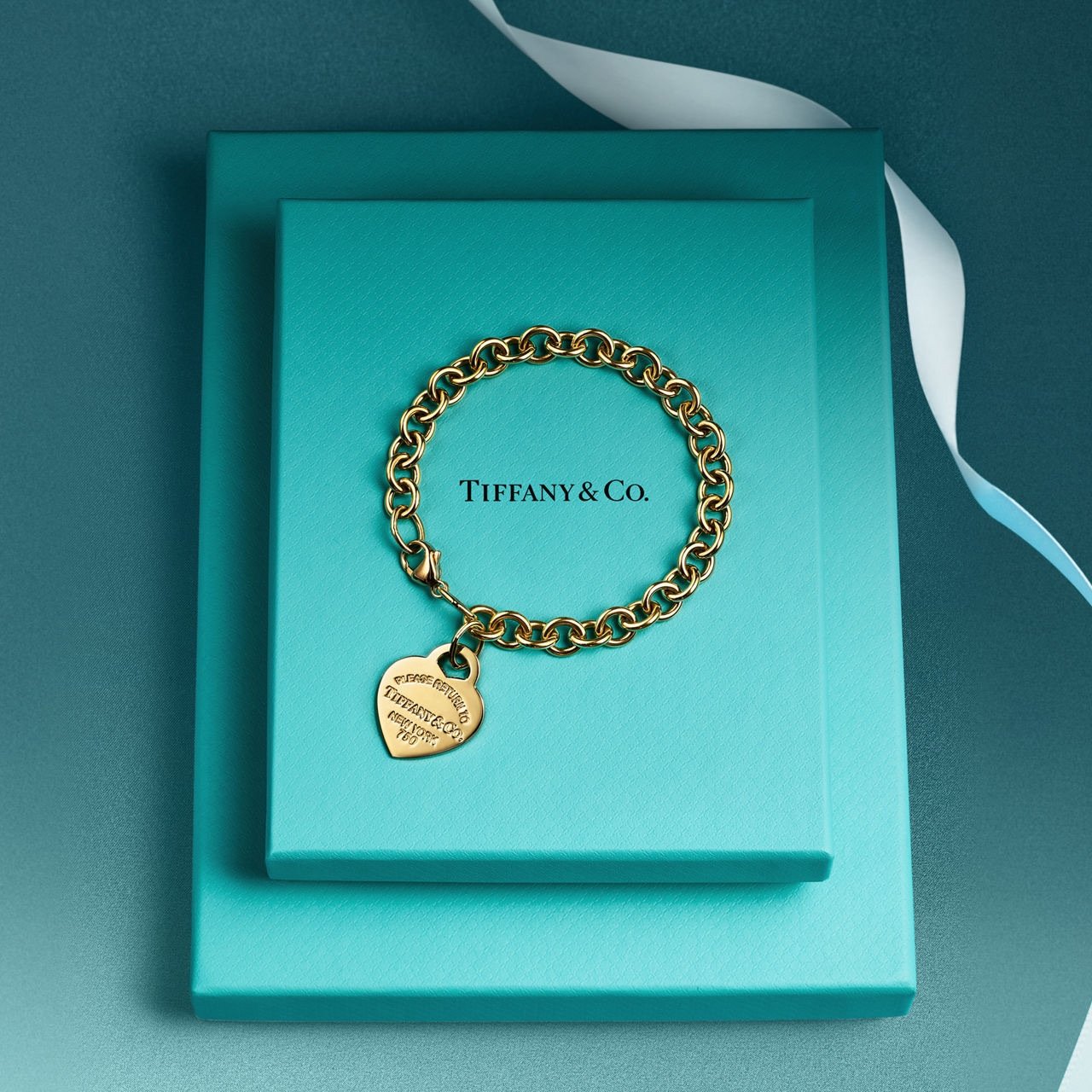
One of LVMH’s most important moves in jewelry was the acquisition of Tiffany & Co. in 2021 for approximately $15.8 billion. This was not just a major purchase. It significantly strengthened LVMH’s presence in North America and expanded its dominance in jewelry.
The group’s strategy is simple: acquire heritage brands, preserve their identity and connect them to a much larger global system.
Today, LVMH is the world’s largest luxury goods company. It has an estimated market value of around $459 billion, an annual revenue of approximately 80.8 billion euros (about $87.3 billion) and a net profit of around 10.9 billion euros. Founded in 1987, it now owns around 75 brands, operates thousands of stores worldwide and employs hundreds of thousands of people.
In short, not only the diamond in the window – but also the structure behind it – is extremely powerful.
Another of the most influential players in jewelry is Richemont. While it is not as dominant in fashion as LVMH, its impact in high jewelry and watchmaking is much deeper.
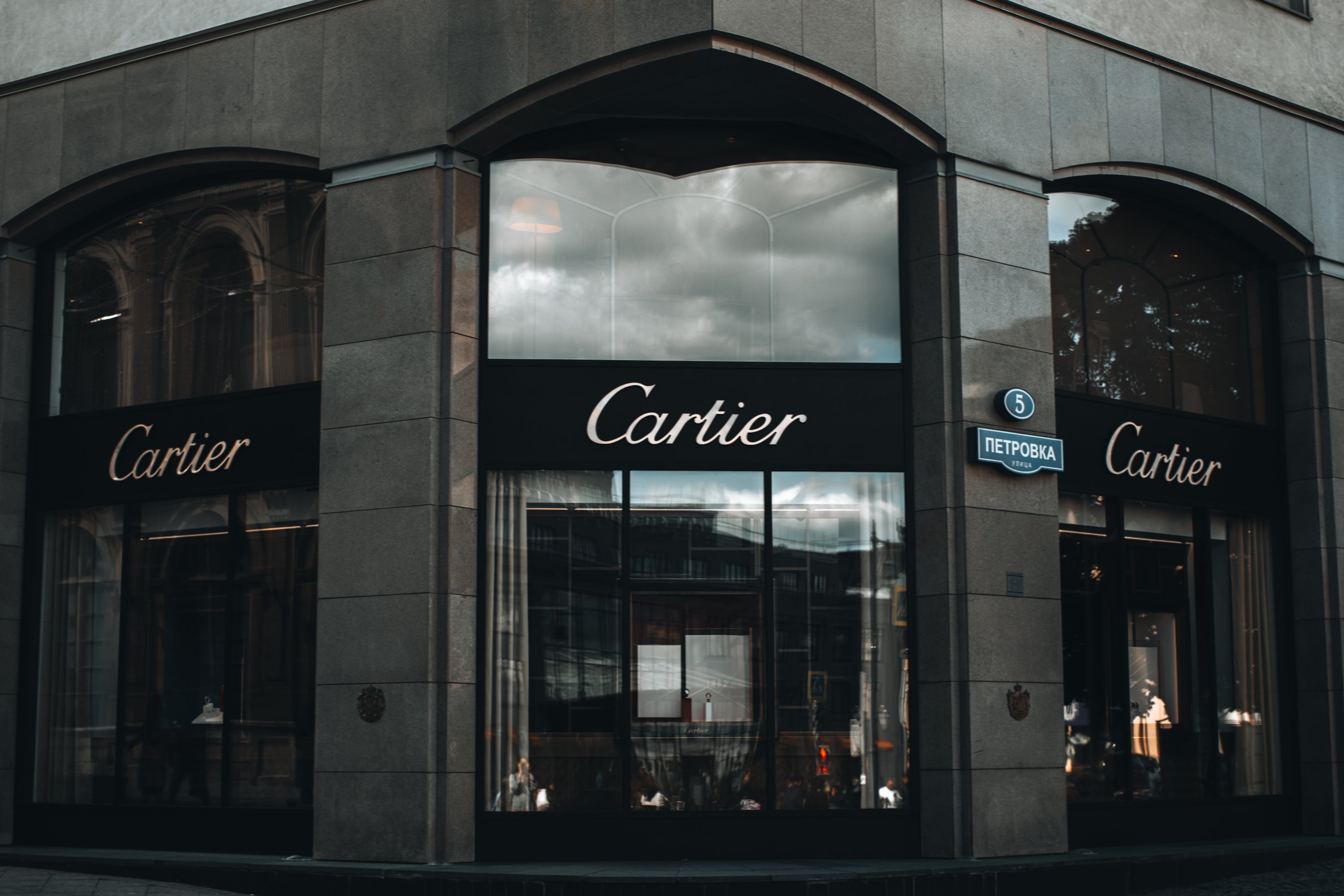
The group brings together names such as Cartier, Van Cleef & Arpels, Buccellati and Piaget. It is also home to Montblanc.
Richemont builds a world that values craftsmanship, heritage and mastery over speed, visibility and mass exposure. Its luxury language is quieter, more selective and more refined.
At first glance, Cartier’s timeless charisma, Van Cleef & Arpels’ poetic and fairy-tale-like aesthetic, and Buccellati’s Italian craftsmanship-driven design may seem very different. But they all operate under the same structure, as part of a selective growth model.
The same applies to its watchmaking portfolio, including Jaeger-LeCoultre, IWC Schaffhausen, Vacheron Constantin, A. Lange & Söhne and Panerai.
Richemont defines luxury not only through visible consumption, but also through knowledge, collectible value and technical excellence.
Founded in 1988, the group shifted fully toward luxury goods in the 2000s. Today, it has an estimated market value of around $90.2 billion, with 20.5 billion euros in annual revenue and 4 billion euros in net profit.
Its strong controlling influence is associated with Johann Rupert.
Richemont may speak less loudly, but it remains one of the most solid pillars of the luxury jewelry world.
When people think of Kering, they immediately think of Gucci, Saint Laurent, Bottega Veneta and Balenciaga.
This represents a more contemporary, fashion-driven and culturally influential form of luxury.
Although it is not as dominant in jewelry as LVMH or Richemont, Kering still plays a meaningful role through brands such as Boucheron, Pomellato, Qeelin and Dodo.
Under the leadership of François-Henri Pinault, Kering operates with a more selective portfolio compared to LVMH. It prioritizes impact over volume.
Gucci remains the group’s largest pillar, accounting for roughly half of total revenue on its own.
Other brands such as Saint Laurent, Bottega Veneta, Balenciaga and Alexander McQueen contribute to this modern luxury vision in different ways.
One of Kering’s key differences is the creative independence it allows its houses. Each brand is given space to build its own aesthetic world. This makes the group younger, more experimental and more direction-setting.
Another major focus is sustainability. Kering has been one of the early adopters of environmental impact awareness, alternative materials, traceability, and circular economy principles. Because of this, it is influential not only in design, but also in shaping the future of luxury.
Founded in 1963, Kering has a market value of around $49.3 billion, annual revenue of 19.6 billion euros and net profit of 3 billion euros.
It may appear smaller, but its influence is far greater than it seems.
Another important aspect of this picture is that, despite these giant groups, some brands have managed to remain independent.
Hermès and Chanel are the strongest examples of this.
Remaining under family control, these maisons operate with less shareholder pressure and make decisions with a much longer-term perspective. This gives them a powerful space both in terms of stylistic consistency and craftsmanship.
Sometimes, true luxury is not about growing endlessly. It is about maintaining a distinct identity without dilution. Staying desirable without becoming loud or overly expansive.
The continued strength of Hermes and Chanel is largely rooted in this philosophy.