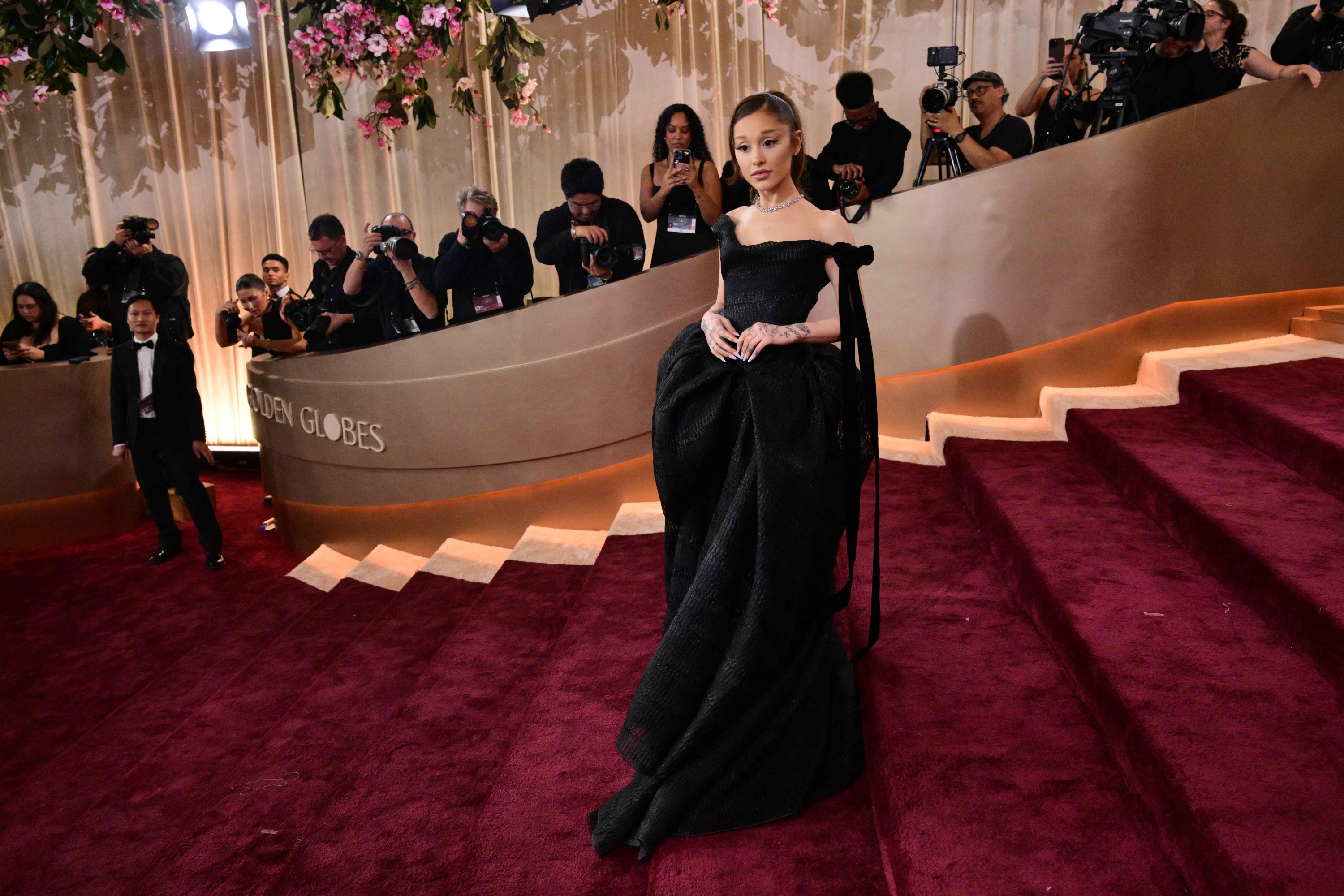
For decades, the red carpet has functioned as fashion’s loudest stage. A place where visibility equaled success, where extravagance translated into power and where the most memorable looks were often the most excessive ones. It was a world of volume, sparkle and immediate impact, designed to dominate headlines for a single night.
But something has shifted.
At this year’s Golden Globe Awards, fashion spoke a different language. It was quieter, more deliberate and far more intelligent. Instead of demanding attention, it invited interpretation. And in doing so, it revealed not only where fashion is today, but where culture itself is heading.
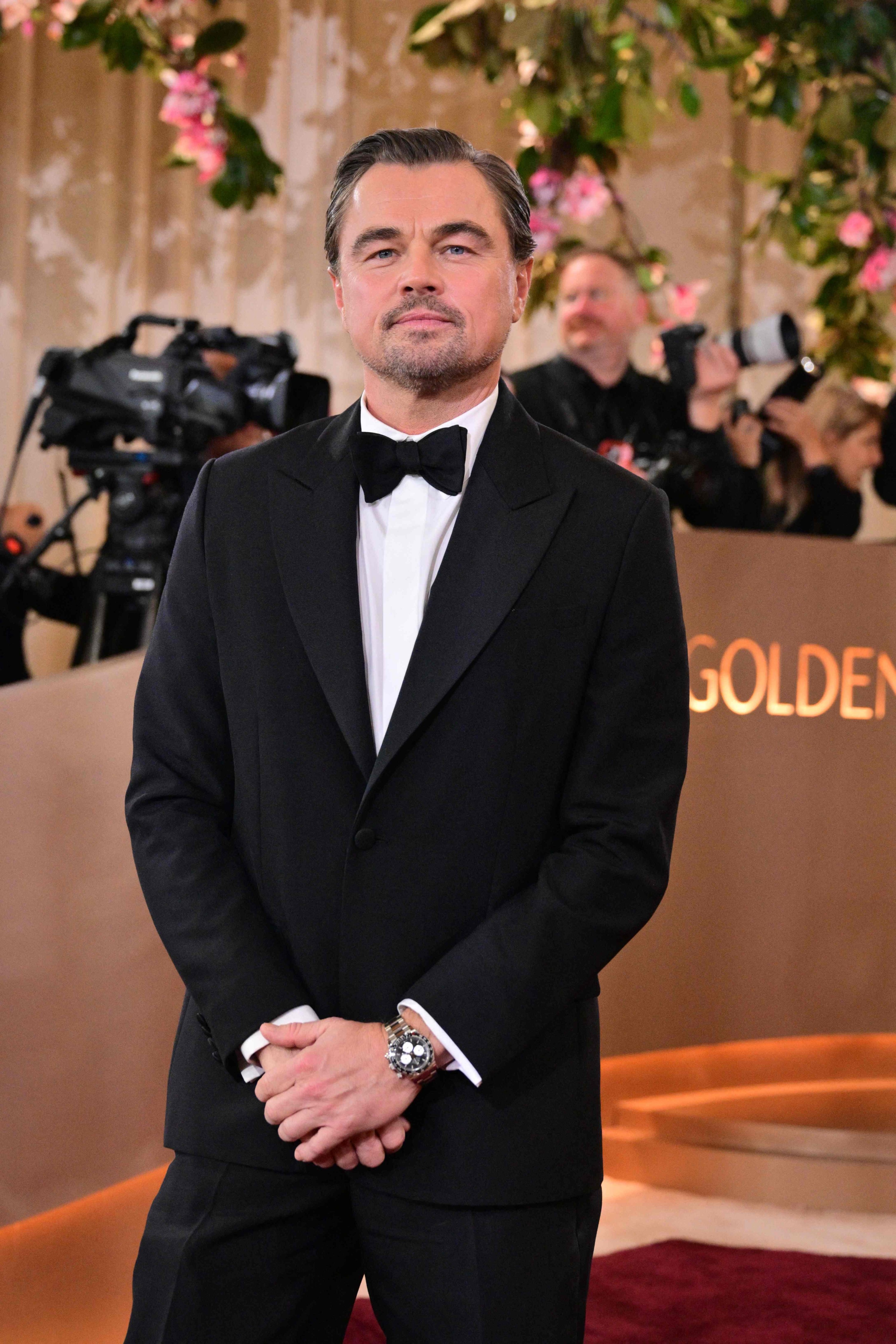
Cultural shift reflected in fabric
Red carpet fashion has always been a mirror of its time. The glamour of Old Hollywood reflected post-war optimism. The excess of the early 2000s mirrored a culture intoxicated by consumption. The last decade’s statement dressing echoed an era of urgency, activism and constant visibility.
Today, however, we are living in a moment of emotional saturation.
We are over-informed, over-exposed and constantly watched. In such a climate, loudness no longer feels powerful. Excess no longer feels aspirational. What feels radical now is restraint.
This is precisely what defined the Golden Globes red carpet this year.
The most striking change was the shift from performance to presence.
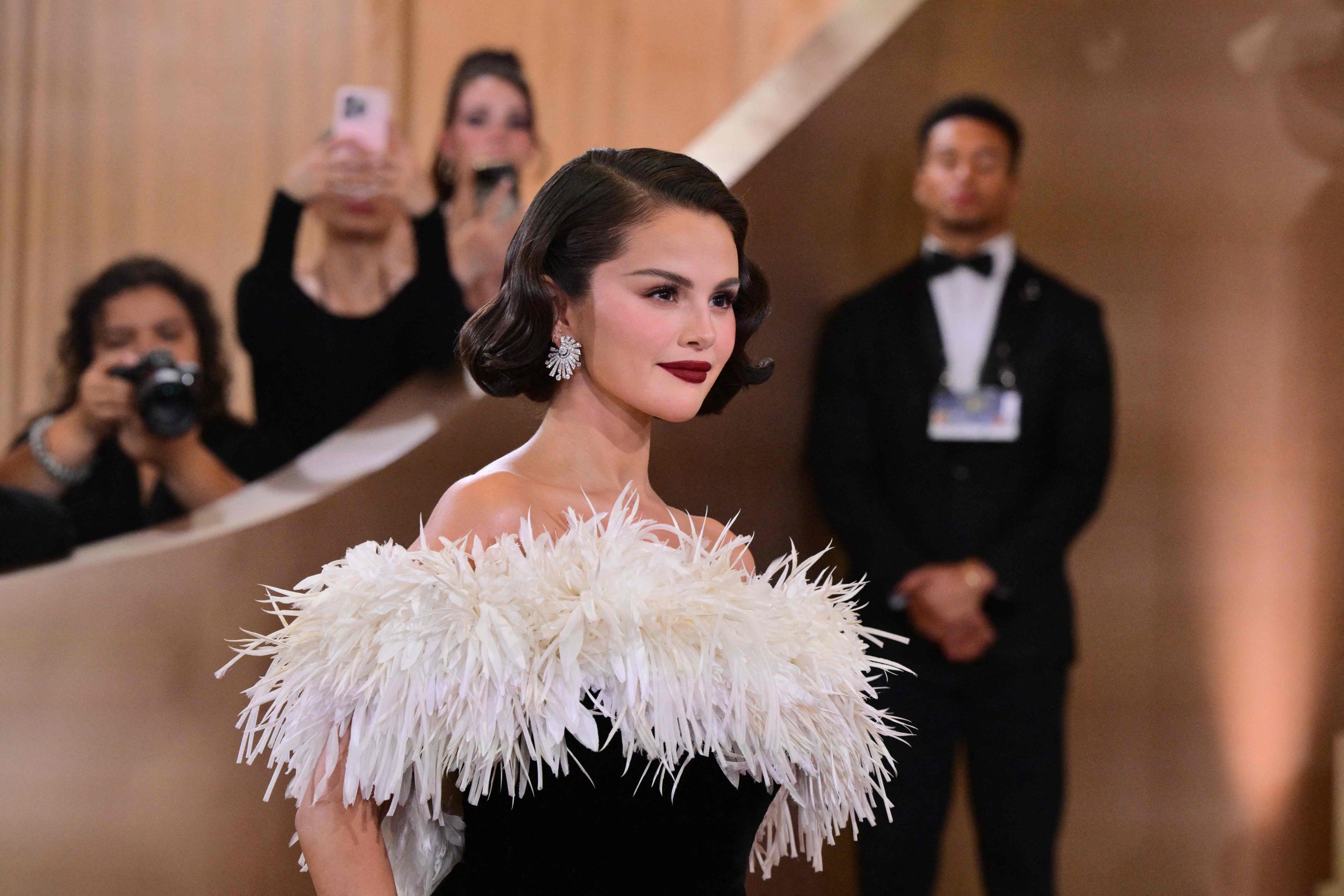
Gone were the theatrics designed purely for viral moments. In their place stood garments that felt grounded, intentional and deeply considered. Silhouettes were clean but not cold. Tailoring was precise without being rigid. Fabrics carried weight, not through embellishment, but through craftsmanship.
Fashion, in this new language, is no longer trying to outperform itself. It is trying to align.
Align with the wearer.
Align with values.
Align with time.
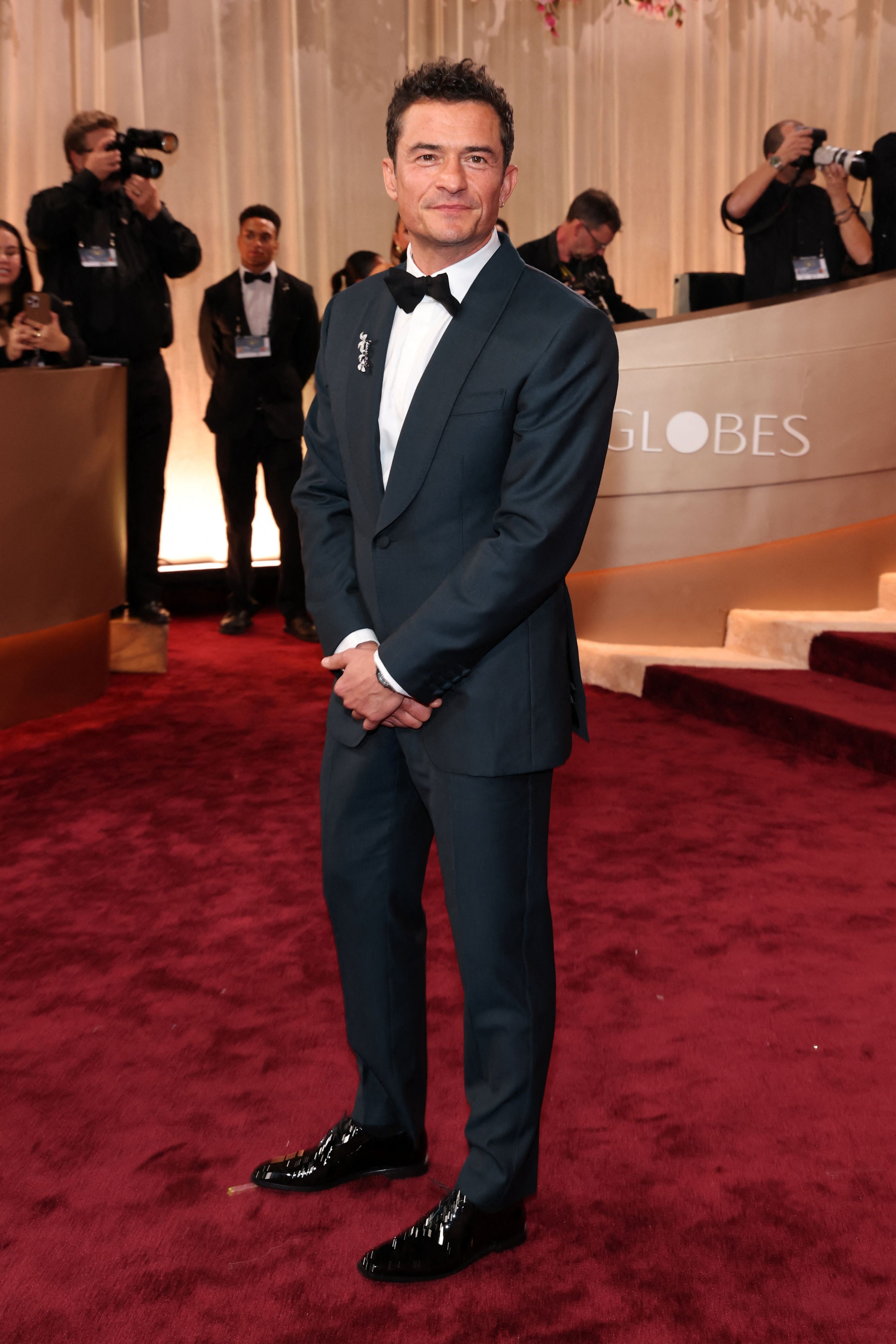
Intelligence of quiet luxury
The term “quiet luxury” has been widely used, sometimes excessively, but on the Golden Globes red carpet, it finally felt authentic.
Quiet luxury here was not about anonymity or neutrality. It was about confidence without justification. The confidence to choose simplicity in a culture addicted to spectacle. The confidence to trust that quality speaks louder than excess.
These looks did not seek validation. They assumed it.
This is an important distinction. When fashion stops asking for approval, it begins to communicate authority.
Another notable shift was the renewed emphasis on craft.
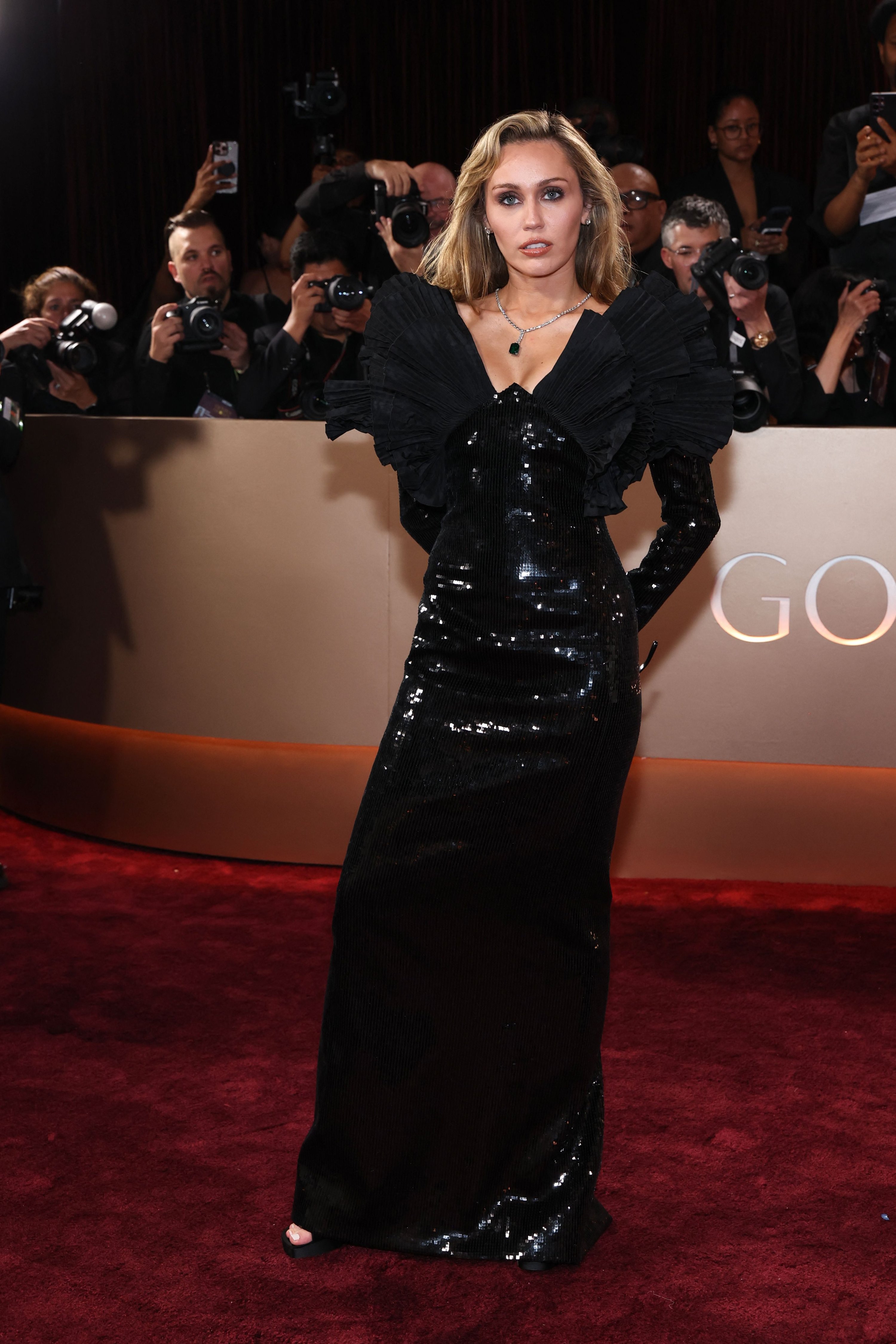
In recent years, fashion has often leaned heavily on concept, sometimes at the expense of execution. At the Golden Globes, however, construction mattered again. Cut, proportion, balance and fabric choice took center stage.
This return to craft signals a deeper hunger within the industry: a desire for longevity. In an era of fast cycles and disposable trends, garments designed with architectural integrity and timelessness feel like a form of resistance.
They say: I am not here just for tonight.
Perhaps the most compelling aspect of this new red carpet language was how deeply personal it felt.
Rather than wearing costumes, many attendees appeared to wear themselves. There were subtle nods to heritage, personal history and inner narratives, expressed not through obvious symbolism, but through detail and restraint.
This is fashion as identity rather than disguise.
In this context, the red carpet becomes less about transformation and more about alignment. Less about becoming someone else, and more about standing firmly in who you already are.
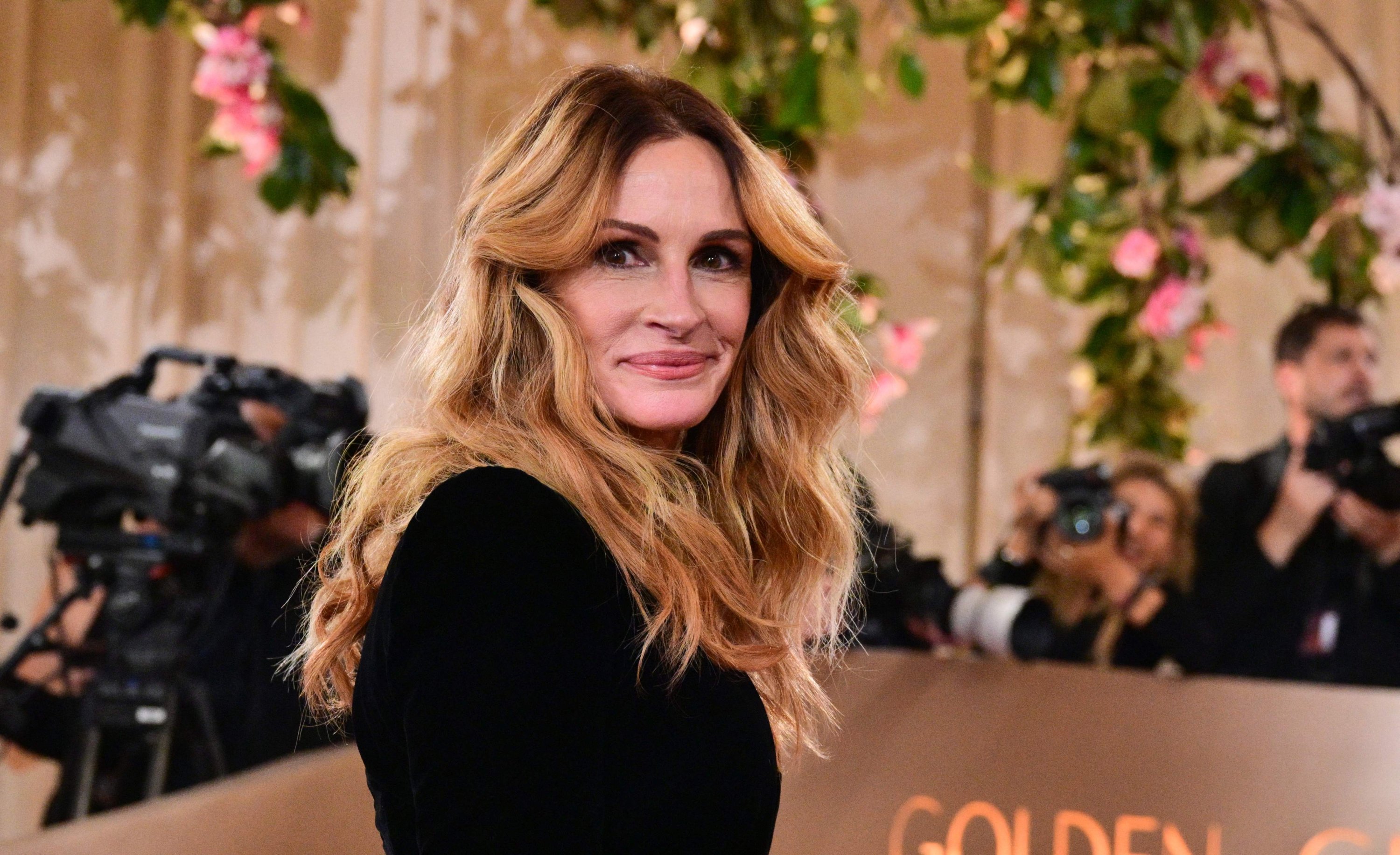
Another quiet revolution was the absence of over-explanation.
In previous years, fashion moments often came with press releases, slogans, or overt messaging. This year, many looks arrived without commentary and that silence felt intentional.
Fashion trusted the viewer.
It is trusted that meaning does not always need to be spelled out. That intelligence can be subtle. That ambiguity can be elegant.
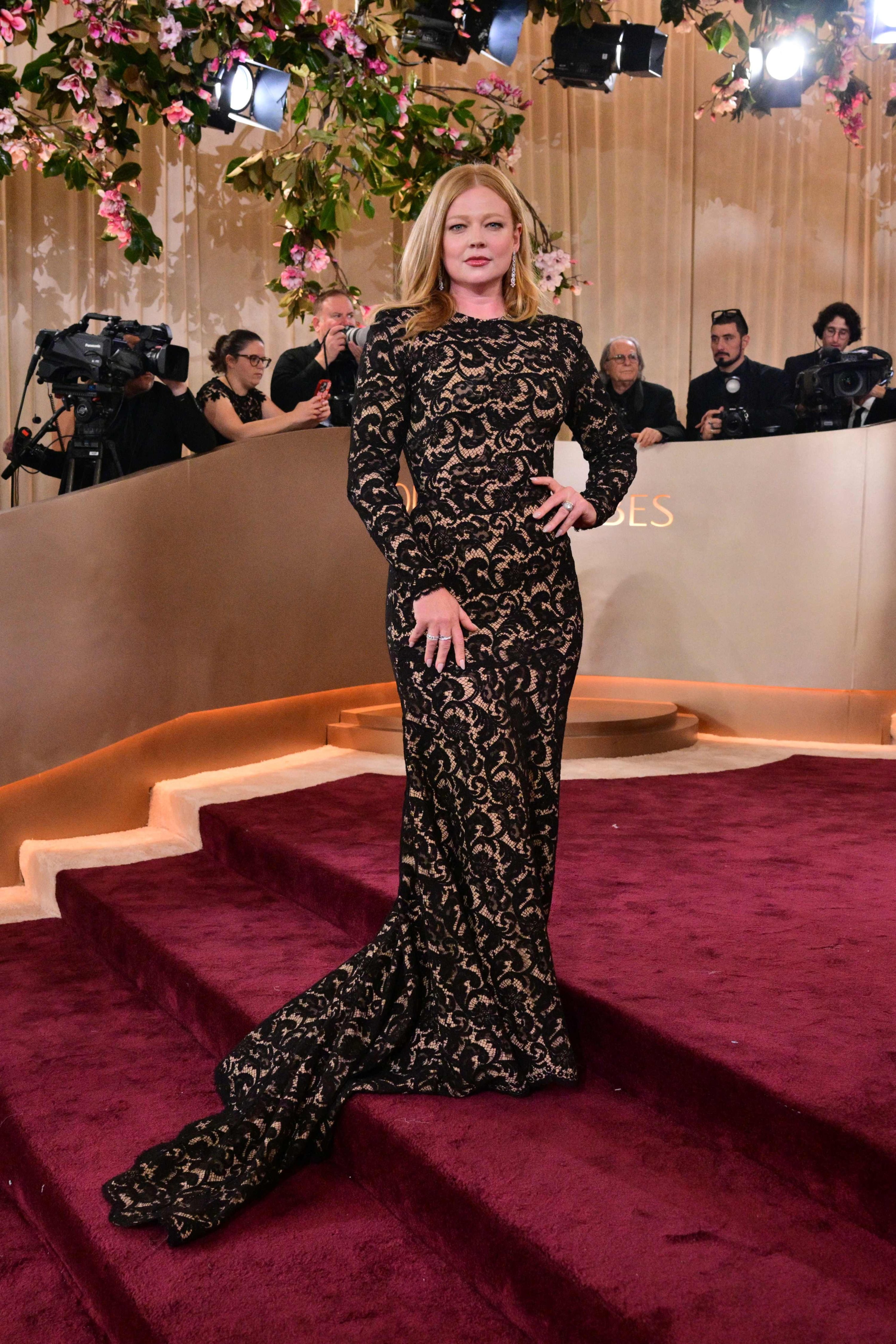
This trust marks a maturation, not only of fashion, but of its audience.
This shift in red carpet language is not a passing trend. It reflects a broader transformation in how we define success, beauty and power.
In uncertain times, people gravitate toward what feels real. Toward what feels grounded. Toward what feels honest.
Fashion, at its best, does not escape reality, it interprets it.
And right now, reality calls for depth over drama, intention over impact and presence over performance.
Looking ahead, this new red carpet language suggests a future where:
Designers prioritize meaning over momentary relevance
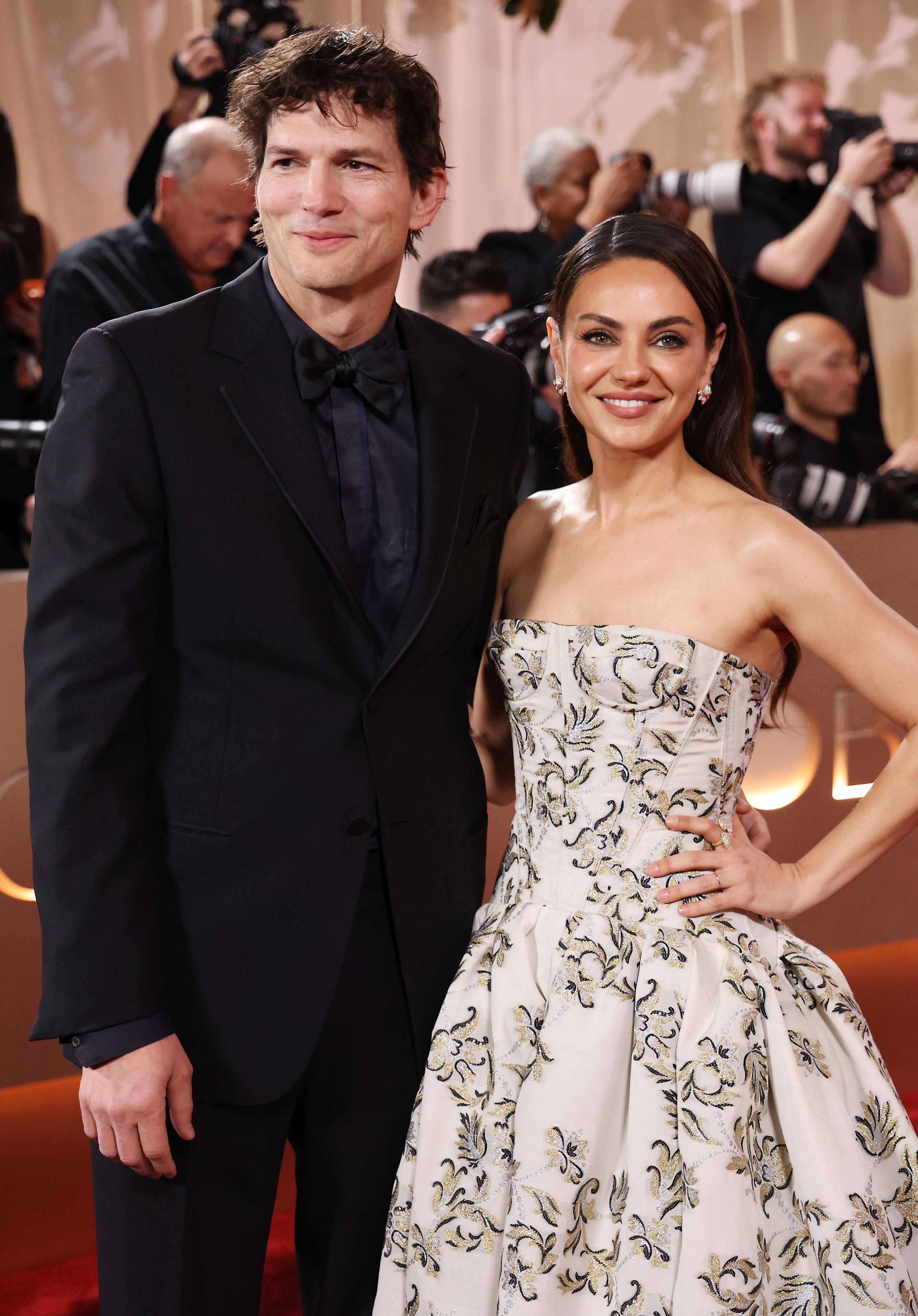
Wearers choose alignment over amplification
Luxury is measured by integrity rather than noise
This does not mean the end of glamour. It means the evolution of it.
Glamour, in this new era, is no longer about being unforgettable for one night. It is about being unmistakably oneself.
The red carpet has not lost its voice, it has refined it.
It no longer shouts to be heard.
It speaks quietly, expecting to be understood.
And perhaps that is the most powerful language of all.