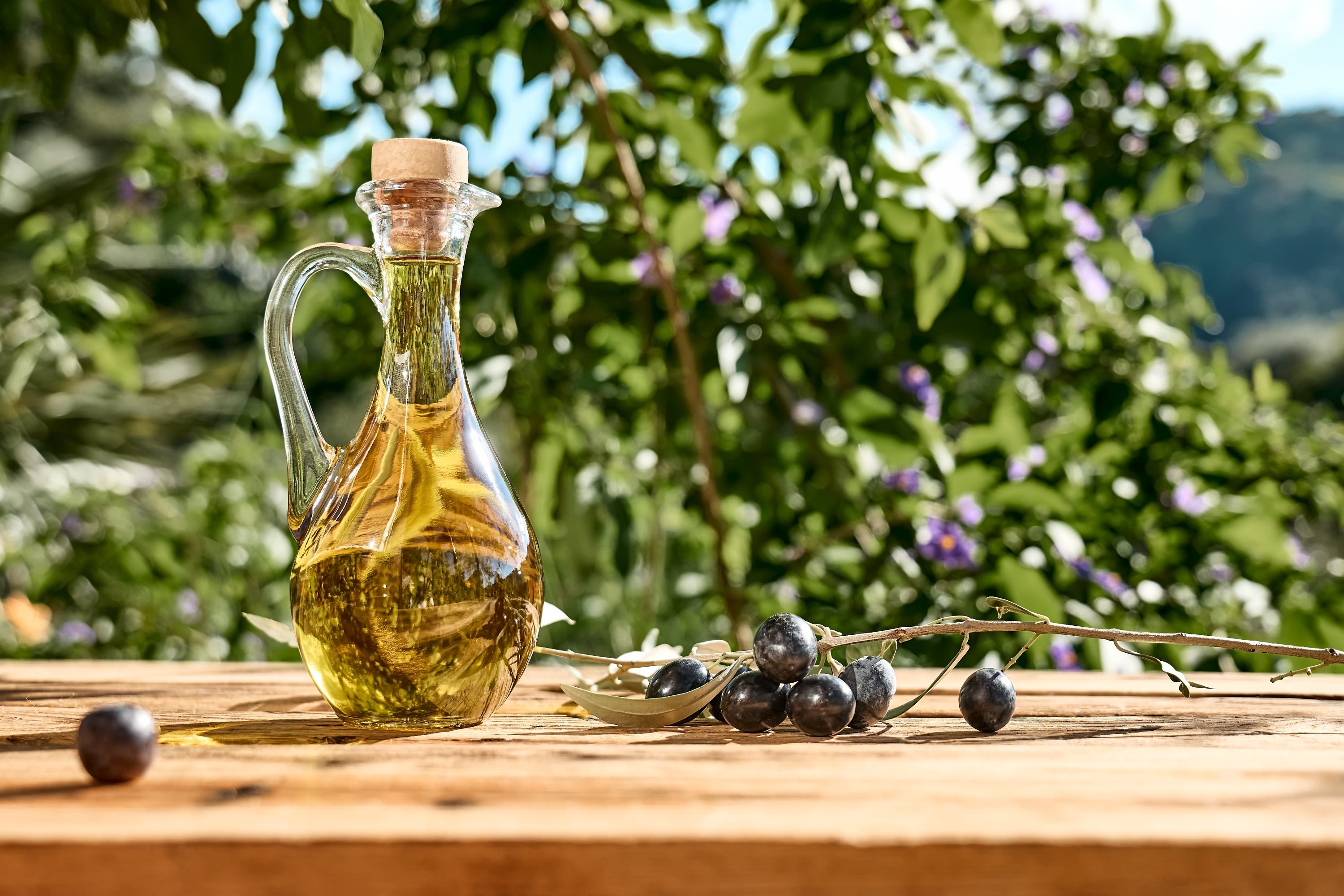
Türkiye’s 2,600-year olive oil heritage was introduced to the international gastronomy community for the first time at a special tasting event in London, one of the world's leading culinary capitals.
The gathering brought together British journalists, food writers, chefs, public relations professionals, artists and business leaders, offering them an opportunity to discover premium Turkish extra virgin olive oils from the Aegean regions of Urla and Milas while exploring the rich history and culture behind one of Anatolia's oldest agricultural traditions.
The tasting featured extra virgin olive oils from Oro di Milas and Köstem Çiftliği Organic Olive Oils. Rather than promoting individual brands, the event focused on presenting Türkiye’s centuries-old olive oil culture, production traditions and internationally recognized quality to influential voices in the global food industry.
Held at Zahter Restaurant, which has become known for showcasing Turkish cuisine in London, the event was viewed as an example of gastrodiplomacy, using food and culinary heritage to strengthen Türkiye’s international cultural presence. Guests sampled a range of premium extra virgin olive oils while learning about Anatolia's deep-rooted olive-growing tradition, its connection to healthy living and its enduring culinary legacy.
The event was hosted by journalist, international olive oil educator and sommelier Aynur Tattersall alongside Giulia Crouch, food writer for The Times and a certified olive oil sommelier.
Together, they guided participants through a professional tasting, demonstrating how to evaluate high-quality extra virgin olive oil by identifying key sensory characteristics such as fruitiness, bitterness and pungency. They emphasized that understanding authentic extra virgin olive oil is important not only for gastronomy but also for health.
During her presentation, Tattersall traced Türkiye’s olive oil history from the ancient olive oil workshop at Klazomenai in Urla to the international success of Milas olive oil. Although Türkiye is one of the world's leading producers of olives and olive oil, she said the country has yet to achieve the global brand recognition its premium extra virgin olive oils deserve.
"The challenge today is no longer simply producing high-quality olive oil," Tattersall said. "It is about sharing Anatolia's thousands of years of history, culture and healthy lifestyle with the world."
She added that gastronomy has become one of the most effective forms of cultural diplomacy, helping countries tell their stories through food.
Presentations highlighted Türkiye’s long history of olive cultivation, dating back millennia. Guests were introduced to the ancient olive oil workshop at Klazomenai in Urla on Türkiye's Aegean coast, which dates to the sixth century B.C. and is considered one of the world's oldest known olive oil production facilities.
Speakers noted that the site's remarkably advanced pressing systems remain visible today, illustrating Anatolia's pioneering role in olive oil production. Participants were reminded that olive oil has long been more than a food product, serving as an integral part of Mediterranean civilizations, cultures and ways of life for thousands of years.
The event also spotlighted extra virgin olive oils produced from the Memecik olive variety grown in the Milas district of Muğla province.
Known for their high polyphenol content, pronounced fruitiness and balanced bitterness and pungency, Milas olive oils became the first Turkish olive oil to receive the European Union's Protected Designation of Origin (PDO) status. Speakers said the designation recognizes not only the product's quality but also the region's unique geography and centuries-old production traditions.
They also noted that Türkiye has strengthened its position among the world's leading olive and olive oil producers in recent years. Participants agreed that with stronger international promotion and branding, the country's premium extra virgin olive oils could generate significantly greater added value in global markets.
Following the tasting, guests were served a menu inspired by Anatolian cuisine, prepared by Zahter Restaurant using premium extra virgin olive oil throughout.
Yasemin Mutlu, manager of Zahter Restaurant, said olive oil is central to both the restaurant's philosophy and her own daily life.
"We don't use any other cooking oil in our kitchen," Mutlu said. "Every dish we serve is prepared with extra virgin olive oil and it's the only oil we use at home as well. For us, olive oil is not just an ingredient – it is the foundation of our culture, our healthy lifestyle and Turkish cuisine."
Industry representatives said Türkiye is expected to record another strong olive harvest in the coming season, making international promotion more important than ever to ensure the country's growing production reaches its full value in global markets.
They described the London event as a successful example of gastrodiplomacy, helping position Turkish extra virgin olive oil more prominently on the international culinary stage.
The event concluded with a shared message: Türkiye’s future lies not only in producing exceptional olive oil but also in transforming its ancient olive-growing heritage into a compelling global brand and cultural story.