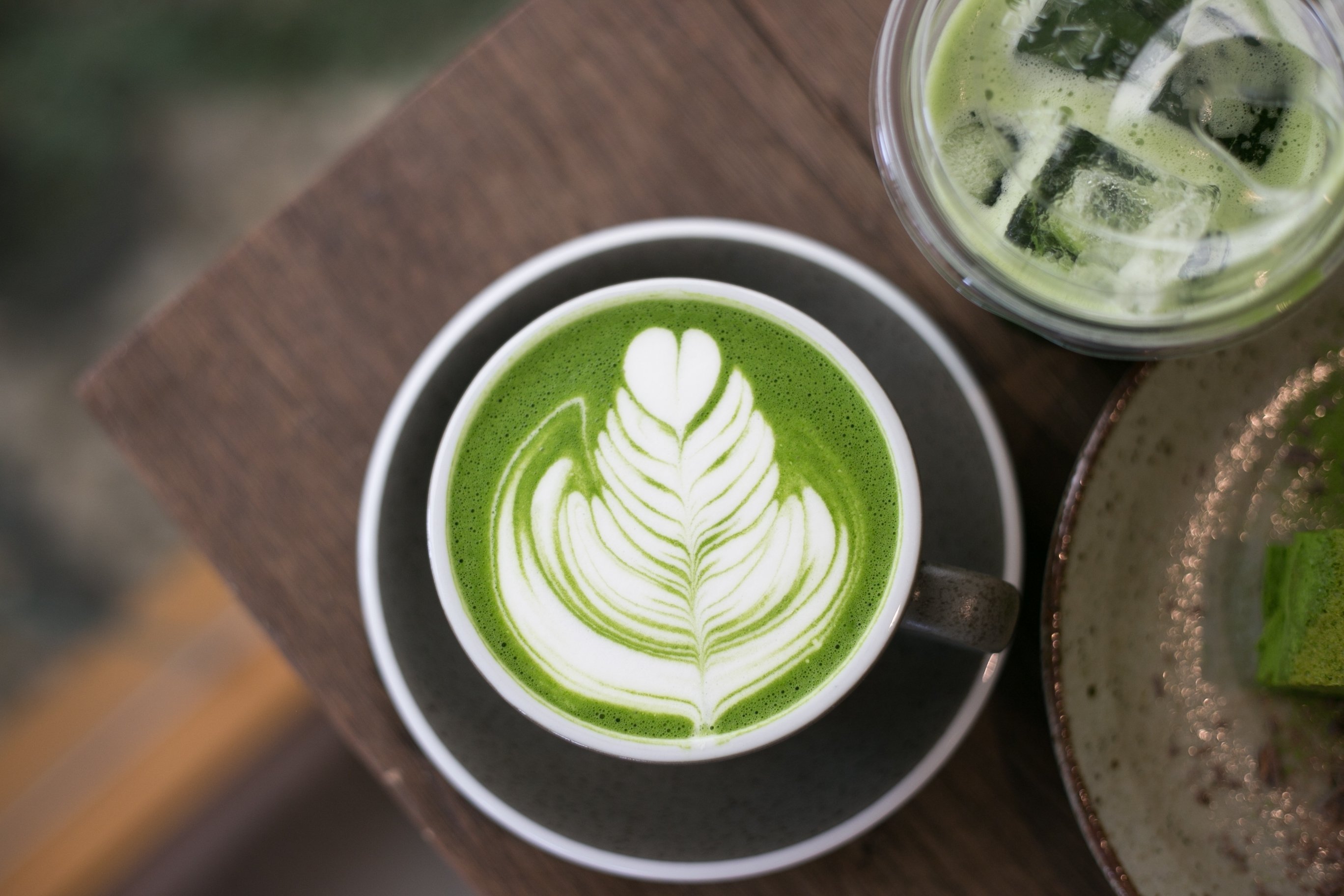
For centuries in Japan, matcha existed within a very different rhythm of life.
Nothing about it was meant to be rushed. Weeks before harvest, tea plants were shaded from the sun to intensify their flavor and vivid green color. Their youngest leaves were hand-picked, steamed, dried, and slowly ground into an exceptionally fine powder using traditional stone mills. This process can take an hour to produce just a small amount of tea.
Even in Japan, matcha occupied only a small corner of the country’s tea culture. Everyday life revolved around sencha, a loose-leaf green tea served at home and in restaurants. Matcha belonged elsewhere: in tea ceremonies, moments of hospitality and practices shaped by centuries of ritual.
Matcha was, in many ways, a product defined by patience.
Today, it is sold in takeaway cups layered with flavored syrups and handed across cafe counters in minutes. It has become a worldwide phenomenon, inspiring lines outside cafes, dominating social media feeds and challenging coffee’s long-held place in daily routines across major cities.
It has traveled so far from its original context in such a short time.
Not long ago, finding matcha required knowing exactly where to look. A handful of Japanese tea houses and specialty cafés served it to customers seeking something different from espresso. It felt niche, almost hidden.
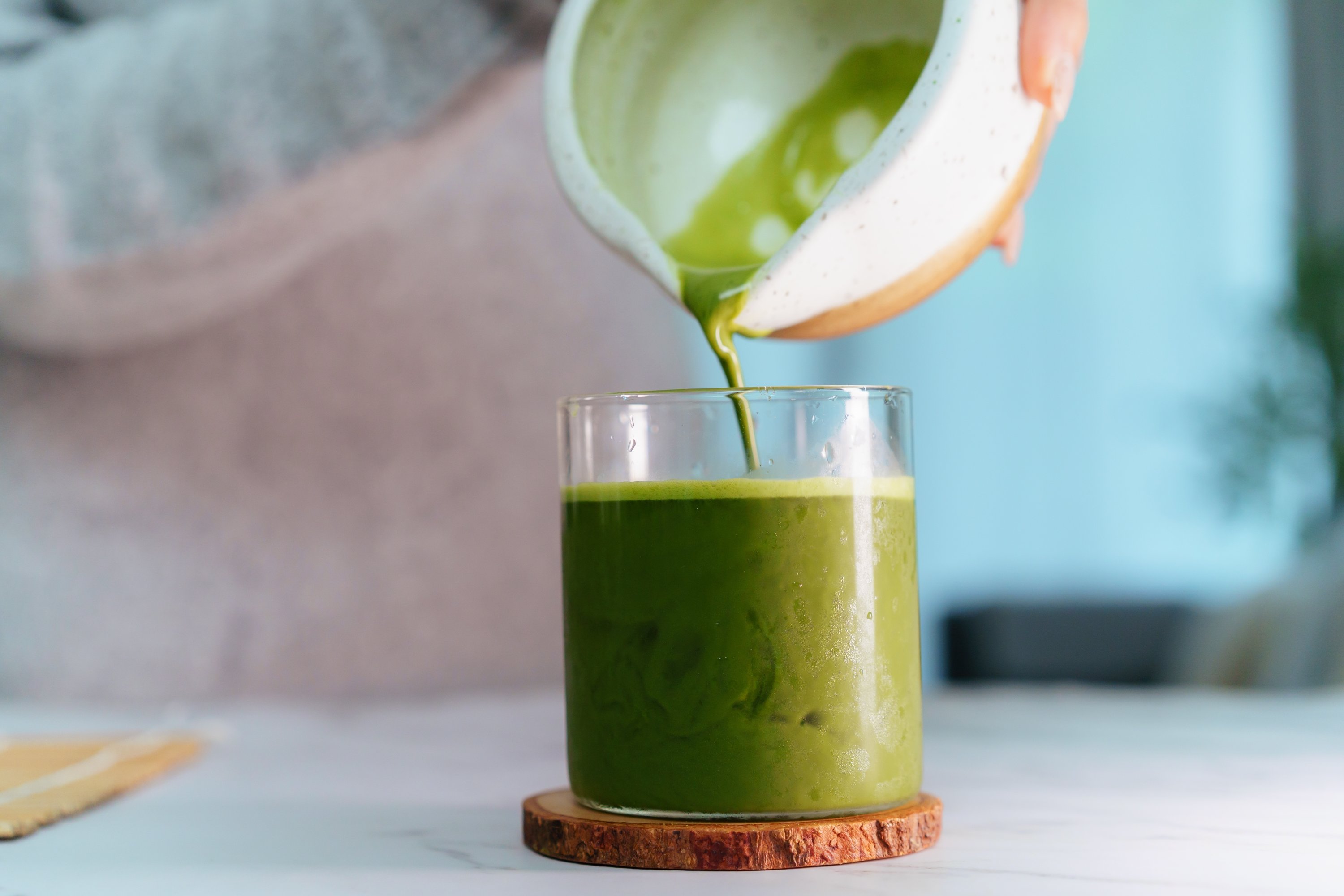
Today, matcha is everywhere. On a sunny afternoon in Paris’s ninth arrondissement, it won’t be long before you see someone with an iced matcha latte in hand. Signs advertise ceremonial-grade lattes. Bakeries pair pastries with iced matchas. Cafes seem to appear faster than customers can try them. New openings are announced constantly. Outside places like Creamy Daily and Jirisan, customers often line up before opening. They wait for iced matchas topped with thick layers of cream, seasonal fruit purées and carefully arranged presentation. Many reach for their cameras before they reach for the straw.
The same trend has unfolded in New York, Los Angeles, and London. What began in specialty cafes spread more and more to independent coffee shops, then to bakery chains and international brands. Today, matcha occupies permanent space on menus that used to revolve almost entirely around espresso.
It is no longer just an alternative to coffee. It is replacing it.
Students carry matcha into lectures. Office workers begin their mornings with matcha. Entire cafes have built their identity around this single ingredient that, until recently, was unfamiliar to much of the world.
Food trends usually don’t last. Activated charcoal disappeared almost as quickly as it arrived. Rainbow-colored desserts faded from social media feeds. Dalgona coffee dominated lockdown kitchens in 2020 before quietly vanishing. Countless trends have enjoyed brief moments of fame, only to be replaced by the next craze.
Matcha seemed destined to follow the same cycle. But instead, it stayed.
Matcha’s rise was, perhaps, a matter of perfect timing. It emerged at the intersection of several trends: a growing appreciation for artisanal beverages, health and wellness and a social media culture that prizes the visually distinctive. Matcha offered more than novelty. It fit naturally into existing routines. For coffee drinkers, it became a different way to begin the morning. For gym-goers, it became part of a health-conscious lifestyle. Its bright green colour makes it visually striking.
It became a habit. People stopped ordering matcha out of curiosity and began incorporating it into their daily lives. That is what turns a trend into a part of culture.
As demand grew, the drink evolved. Outside Japan, matcha has become sweeter, colder and considerably richer than its traditional counterpart. Strawberry matchas, blueberry creams, coconut milk, lavender syrups and cloud-like foams now appear alongside more traditional preparations. For some, these adaptations represent cultural dilution, a centuries-old drink reshaped to satisfy social media and consumer tastes.
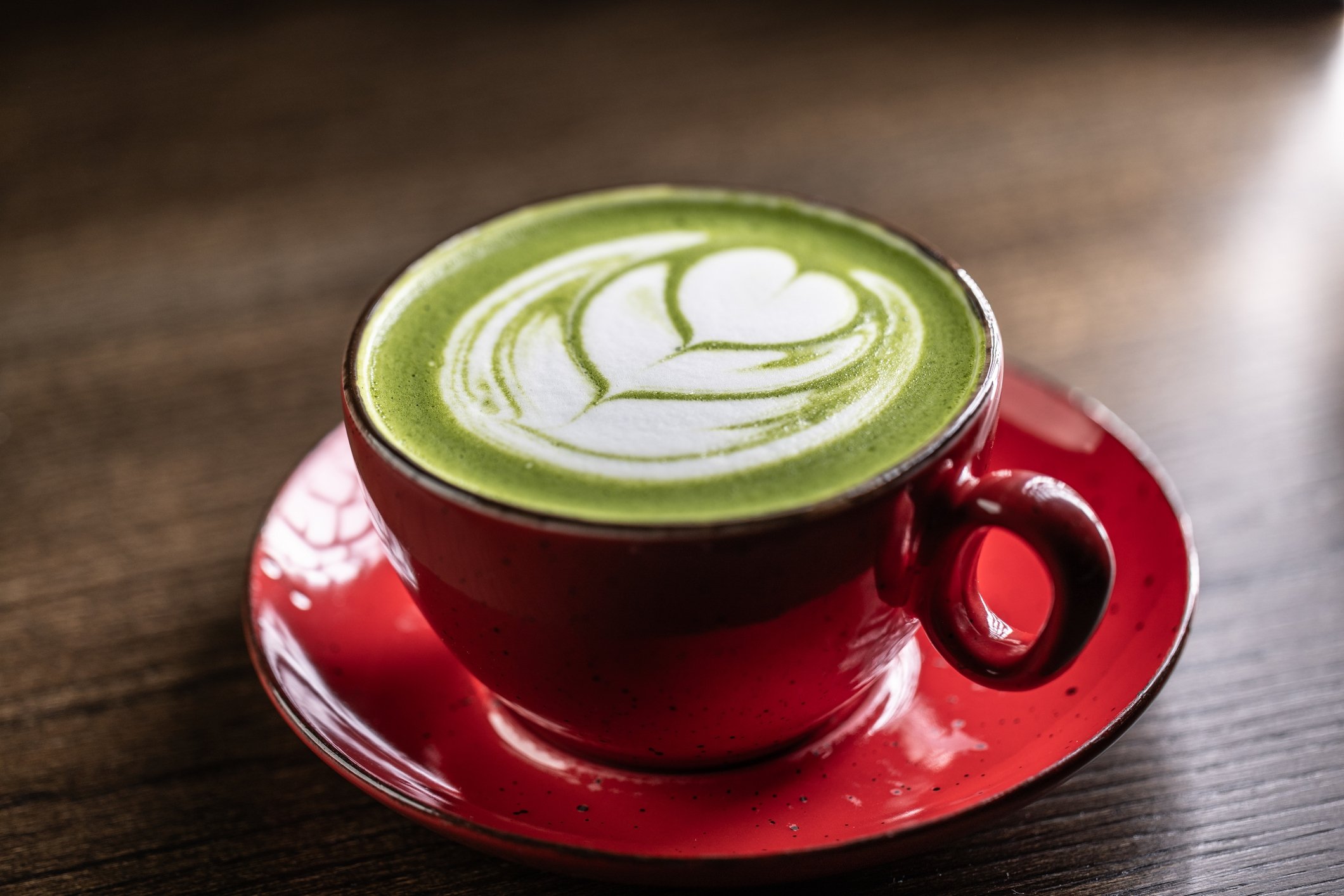
Others see something more familiar. Pizza changed as it crossed borders. Sushi evolved through creations like California rolls as it became popular worldwide. Coffee itself transformed from a simple espresso into caramel macchiatos, frappuccinos and pumpkin spice lattes. Food rarely remains unchanged when it travels. Matcha may simply be following the same path. Its popularity owes as much to reinvention as it does to tradition.
The boom in matcha has brought consequences that many consumers remain unaware of.
Unlike coffee, high-quality matcha cannot be rapidly scaled. The finest varieties still require shaded tea fields, careful harvesting and slow stone grinding. Production remains labor-intensive, while international demand continues to accelerate.
Markets that barely existed a decade ago now compete for limited supplies.
That imbalance has pushed prices upward and forced producers to decide whether to prioritize quality or quantity. Some farmers have expanded production. Others worry that the race to meet global demand may come at the expense of the qualities that once made matcha distinctive.
There is something striking about watching a drink once associated with silence, precision and deliberate preparation become one of the world’s most photographed drinks.
The story of matcha says as much about modern culture as it does about tea itself. Modern consumers rarely adopt traditions intact. They adapt them to contemporary habits, preferences and platforms. Matcha became portable, customizable and aesthetically pleasing enough to circulate across millions of social media feeds, yet practical enough to become someone’s everyday order. That may explain why it endured.
Many food crazes thrive on novelty and disappear once the excitement fades. Matcha survived because it found a place in people’s daily lives. It satisfies the rituals that coffee once dominated while appealing to a generation drawn to wellness and visual culture.
Its future may look very different from its past. The bowl of tea once prepared slowly in Japanese tea rooms now appears in takeaway cups across Paris, London and New York. Yet perhaps that has always been the story of food as it travels. It does not simply cross borders. It is reshaped by the people who adopt it and, in turn, it becomes part of their everyday routines.