Daily Sabah logo

Politics
Diplomacy Legislation War On Terror EU Affairs Elections News Analysis
TÜRKİYE
Istanbul Education Investigations Minorities Expat Corner Diaspora
World
Mid-East Europe Americas Asia Pacific Africa Syrian Crisis Islamophobia
Business
Automotive Economy Energy Finance Tourism Tech Defense Transportation News Analysis
Lifestyle
Health Environment Travel Food Fashion Science Religion History Feature Expat Corner
Arts
Cinema Music Events Portrait Reviews Performing Arts
Sports
Football Basketball Motorsports Tennis
Opinion
Columns Op-Ed Reader's Corner Editorial
PHOTO GALLERY
JOBS ABOUT US RSS PRIVACY CONTACT US
© Turkuvaz Haberleşme ve Yayıncılık 2026

Daily Sabah - Latest & Breaking News from Turkey | Istanbul

  • Politics
    • Diplomacy
    • Legislation
    • War On Terror
    • EU Affairs
    • Elections
    • News Analysis
  • TÜRKİYE
    • Istanbul
    • Education
    • Investigations
    • Minorities
    • Expat Corner
    • Diaspora
  • World
    • Mid-East
    • Europe
    • Americas
    • Asia Pacific
    • Africa
    • Syrian Crisis
    • Islamophobia
  • Business
    • Automotive
    • Economy
    • Energy
    • Finance
    • Tourism
    • Tech
    • Defense
    • Transportation
    • News Analysis
  • Lifestyle
    • Health
    • Environment
    • Travel
    • Food
    • Fashion
    • Science
    • Religion
    • History
    • Feature
    • Expat Corner
  • Arts
    • Cinema
    • Music
    • Events
    • Portrait
    • Reviews
    • Performing Arts
  • Sports
    • Football
    • Basketball
    • Motorsports
    • Tennis
  • Gallery
  • Opinion
    • Columns
    • Op-Ed
    • Reader's Corner
    • Editorial
  • TV
  • Life
  • Health
  • Environment
  • Travel
  • Food
  • Fashion
  • Science
  • Religion
  • History
  • Feature
  • Expat Corner

Animal-to-human diseases may surge 12-fold by 2050: Researchers

by Deutsche Presse-Agentur - dpa

LONDON Nov 05, 2023 - 11:46 am GMT+3
Edited By Buse Keskin
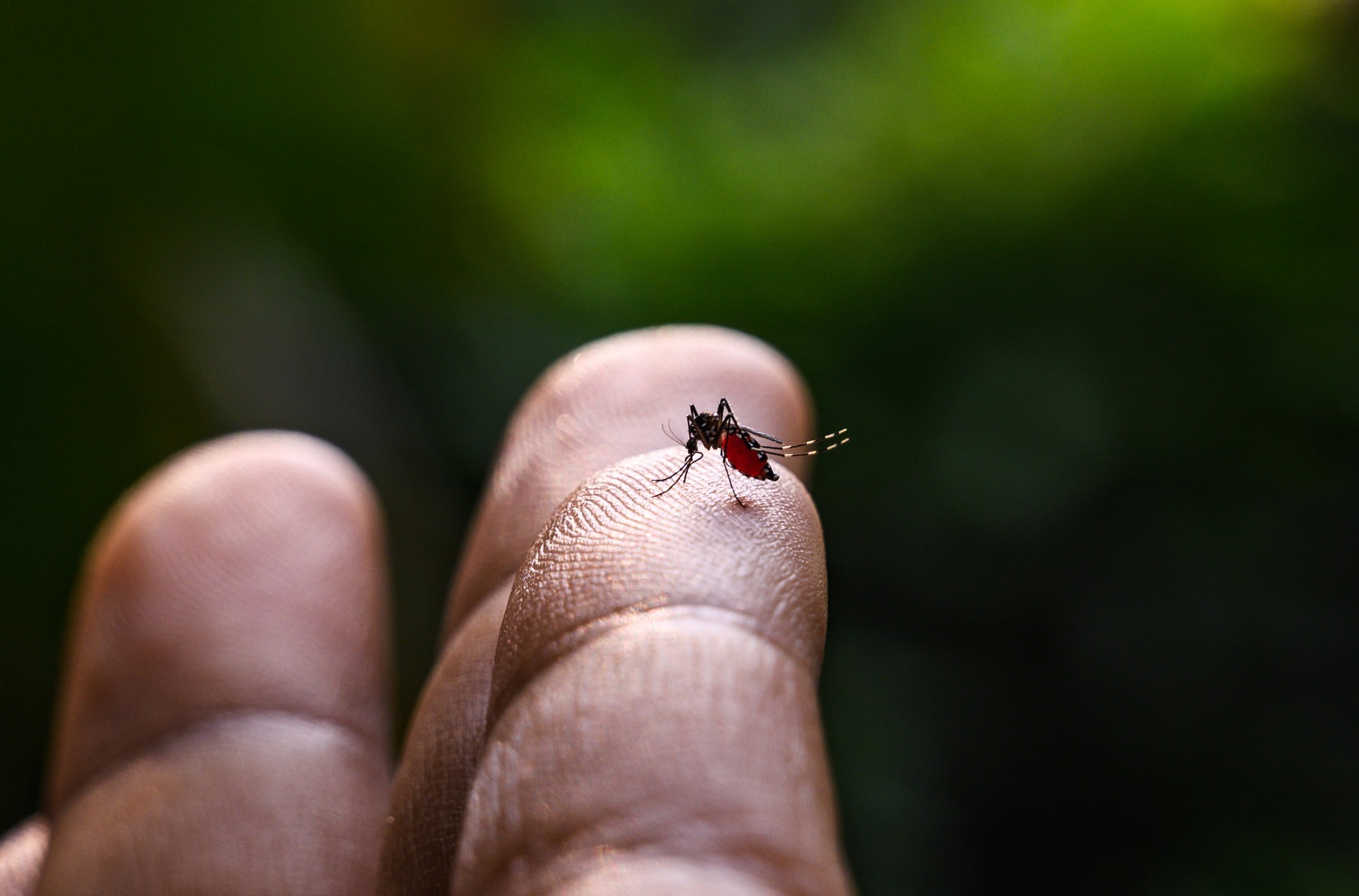
The Aedes albopictus is an epidemiologically important vector for the transmission of many viral pathogens, including the yellow fever virus, dengue fever, and Chikungunya fever. (Getty Images Photo)
by Deutsche Presse-Agentur - dpa Nov 05, 2023 11:46 am
Edited By Buse Keskin

Researchers have warned that certain diseases transmitted from animals to humans could potentially lead to 12 times more fatalities in 2050 compared to the numbers recorded in 2020.

Experts from U.S. biotech company Ginkgo Bioworks called for "urgent action" to address the risk to global public health.

Epidemics caused by zoonotic diseases – also known as spillovers – could be more frequent in the future due to climate change and deforestation, they warned.

The team's analysis looked at historical trends for four particular viral pathogens.

These were filoviruses, which include the Ebola virus and Marburg virus, SARS Coronavirus 1, Nipah virus and Machupo virus, which causes Bolivian hemorrhagic fever.

The study did not include COVID-19, which caused the global pandemic in 2020 and is likely to have originated in bats.

It examined over 3,150 outbreaks between 1963 and 2019, identifying 75 spillover events in 24 countries.

The database covered epidemics reported by the World Health Organization (WHO), outbreaks occurring since 1963 that killed 50 or more people and historically significant events, including the flu pandemics of 1918 and 1957.

The events caused 17,232 deaths, with 15,771 caused by filoviruses and occurring mostly in Africa.

Researchers said epidemics have been increasing by almost 5% every year between 1963 and 2019, with deaths up by 9%.

"If these annual rates of increase continue, we would expect the analyzed pathogens to cause four times the number of spillover events and 12 times the number of deaths in 2050 than in 2020," they added.

Researchers also suggested the figures are likely to be underestimated due to the strict inclusion criteria for the pathogens in the analysis and the exclusion of COVID-19.

They said the evaluation of evidence suggests recent epidemics sparked by zoonotic spillovers "are not an aberration or random cluster" but follow "a multi-decade trend in which spillover-driven epidemics have become both larger and more frequent."

The team added that "urgent action is needed to address a large and growing risk to global health" based on historical trends.

The findings of the study have been published in the journal BMJ Global Health.

  • shortlink copied
  • KEYWORDS
    diseases animal to human
    The Daily Sabah Newsletter
    Keep up to date with what’s happening in Turkey, it’s region and the world.
    You can unsubscribe at any time. By signing up you are agreeing to our Terms of Use and Privacy Policy. This site is protected by reCAPTCHA and the Google Privacy Policy and Terms of Service apply.
    No Image
    100 bird species living in eastern Türkiye photographed in study
    PHOTOGALLERY
    • POLITICS
    • Diplomacy
    • Legislation
    • War On Terror
    • EU Affairs
    • News Analysis
    • TÜRKİYE
    • Istanbul
    • Education
    • Investigations
    • Minorities
    • Diaspora
    • World
    • Mid-East
    • Europe
    • Americas
    • Asia Pacific
    • Africa
    • Syrian Crisis
    • İslamophobia
    • Business
    • Automotive
    • Economy
    • Energy
    • Finance
    • Tourism
    • Tech
    • Defense
    • Transportation
    • News Analysis
    • Lifestyle
    • Health
    • Environment
    • Travel
    • Food
    • Fashion
    • Science
    • Religion
    • History
    • Feature
    • Expat Corner
    • Arts
    • Cinema
    • Music
    • Events
    • Portrait
    • Performing Arts
    • Reviews
    • Sports
    • Football
    • Basketball
    • Motorsports
    • Tennis
    • Opinion
    • Columns
    • Op-Ed
    • Reader's Corner
    • Editorial
    • Photo gallery
    • DS TV
    • Jobs
    • privacy
    • about us
    • contact us
    • RSS
    © Turkuvaz Haberleşme ve Yayıncılık 2021