Daily Sabah logo

Politics
Diplomacy Legislation War On Terror EU Affairs Elections News Analysis
TÜRKİYE
Istanbul Education Investigations Minorities Expat Corner Diaspora
World
Mid-East Europe Americas Asia Pacific Africa Syrian Crisis Islamophobia
Business
Automotive Economy Energy Finance Tourism Tech Defense Transportation News Analysis
Lifestyle
Health Environment Travel Food Fashion Science Religion History Feature Expat Corner
Arts
Cinema Music Events Portrait Reviews Performing Arts
Sports
Football Basketball Motorsports Tennis
Opinion
Columns Op-Ed Reader's Corner Editorial
PHOTO GALLERY
JOBS ABOUT US RSS PRIVACY CONTACT US
© Turkuvaz Haberleşme ve Yayıncılık 2025

Daily Sabah - Latest & Breaking News from Turkey | Istanbul

  • Politics
    • Diplomacy
    • Legislation
    • War On Terror
    • EU Affairs
    • Elections
    • News Analysis
  • TÜRKİYE
    • Istanbul
    • Education
    • Investigations
    • Minorities
    • Expat Corner
    • Diaspora
  • World
    • Mid-East
    • Europe
    • Americas
    • Asia Pacific
    • Africa
    • Syrian Crisis
    • Islamophobia
  • Business
    • Automotive
    • Economy
    • Energy
    • Finance
    • Tourism
    • Tech
    • Defense
    • Transportation
    • News Analysis
  • Lifestyle
    • Health
    • Environment
    • Travel
    • Food
    • Fashion
    • Science
    • Religion
    • History
    • Feature
    • Expat Corner
  • Arts
    • Cinema
    • Music
    • Events
    • Portrait
    • Reviews
    • Performing Arts
  • Sports
    • Football
    • Basketball
    • Motorsports
    • Tennis
  • Gallery
  • Opinion
    • Columns
    • Op-Ed
    • Reader's Corner
    • Editorial
  • TV
  • Life
  • Health
  • Environment
  • Travel
  • Food
  • Fashion
  • Science
  • Religion
  • History
  • Feature
  • Expat Corner

Study finds link between Neanderthal genes, severe COVID-19 patients

by ASSOCIATED PRESS

BERLIN Sep 30, 2020 - 6:15 pm GMT+3
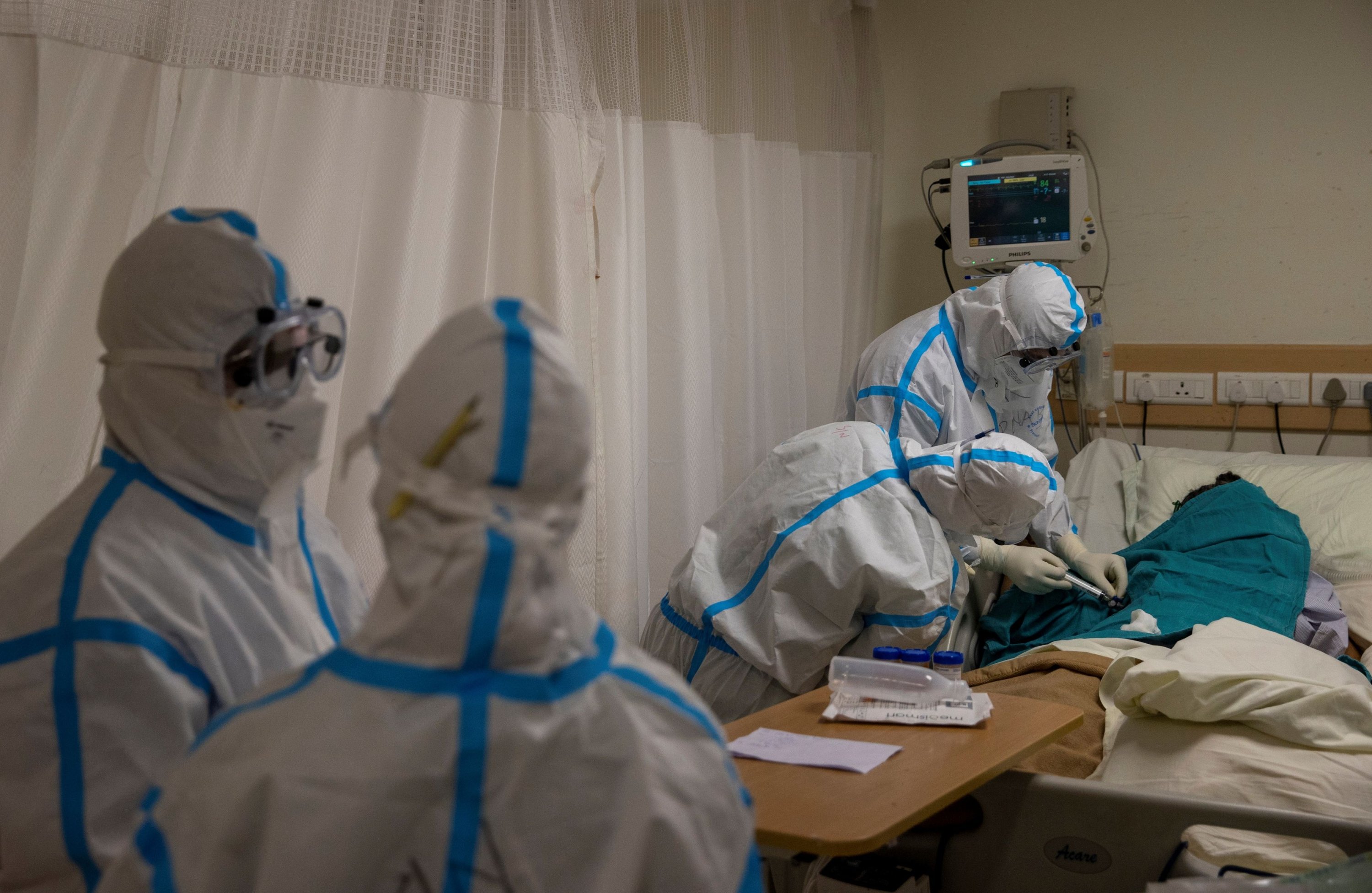
Medical workers treat a patient suffering from the coronavirus disease (COVID-19), at the intensive care unit of the Max Smart Super Speciality Hospital in New Delhi, India, Sept. 5, 2020. (Reuters Photo)
by ASSOCIATED PRESS Sep 30, 2020 6:15 pm

Scientists say genes that some people have inherited from their Neanderthal ancestors may increase their likelihood of suffering severe forms of COVID-19.

A study by European scientists published Wednesday by the journal Nature examined a cluster of genes that have been linked to a higher risk of hospitalization and respiratory failure in patients who are infected with the new coronavirus.

Researchers Hugo Zeberg and Svante Paabo determined that the genes belong to a group, or haplotype, which likely came from Neanderthals. The haplotype is found in about 16% of the population in Europe and half the population in South Asia, while in Africa and East Asia it is non-existent.

Modern humans and Neanderthals are known to have interbred at various points in history, resulting in an exchange of genes that can still be found today.

The genes are one of several risk factors for COVID-19, including age, gender and preexisting conditions like obesity, diabetes and heart problems.

Zeberg and Paabo, who work at the Karolinska Institute in Sweden and the Max Planck Institute for Evolutionary Anthropology in Germany, noted that the prevalence of the particular Neanderthal gene group is highest in people from Bangladesh, where 63% are estimated to carry a copy of the haplotype.

They cited studies from the U.K. showing that people of Bangladeshi descent have about two times higher risk of dying from COVID-19 than the general population.

"It is striking that the genetic heritage from the Neanderthals has such tragic consequences during the current pandemic," Paabo said in a statement. "Why this is must now be investigated as quickly as possible.”

But Andre Franke, director of the Institute of Clinical Molecular Biology at the University of Kiel, Germany, said the findings have no immediate impact on the treatment of COVID-19.

In a comment ahead of the study’s final publication, Franke said one interesting question arising from the study is why the haploytpe – unlike most Neanderthal genes – survived until today.

"Perhaps it’s good for a very active immune system if one doesn’t have other risk factors,” he suggested.


  • shortlink copied
  • KEYWORDS
    neanderthal covid-19 severe covid-19
    The Daily Sabah Newsletter
    Keep up to date with what’s happening in Turkey, it’s region and the world.
    You can unsubscribe at any time. By signing up you are agreeing to our Terms of Use and Privacy Policy. This site is protected by reCAPTCHA and the Google Privacy Policy and Terms of Service apply.
    No Image
    Sandstorms cast dangerous haze over Middle East
    PHOTOGALLERY
    • POLITICS
    • Diplomacy
    • Legislation
    • War On Terror
    • EU Affairs
    • News Analysis
    • TÜRKİYE
    • Istanbul
    • Education
    • Investigations
    • Minorities
    • Diaspora
    • World
    • Mid-East
    • Europe
    • Americas
    • Asia Pacific
    • Africa
    • Syrian Crisis
    • İslamophobia
    • Business
    • Automotive
    • Economy
    • Energy
    • Finance
    • Tourism
    • Tech
    • Defense
    • Transportation
    • News Analysis
    • Lifestyle
    • Health
    • Environment
    • Travel
    • Food
    • Fashion
    • Science
    • Religion
    • History
    • Feature
    • Expat Corner
    • Arts
    • Cinema
    • Music
    • Events
    • Portrait
    • Performing Arts
    • Reviews
    • Sports
    • Football
    • Basketball
    • Motorsports
    • Tennis
    • Opinion
    • Columns
    • Op-Ed
    • Reader's Corner
    • Editorial
    • Photo gallery
    • DS TV
    • Jobs
    • privacy
    • about us
    • contact us
    • RSS
    © Turkuvaz Haberleşme ve Yayıncılık 2021