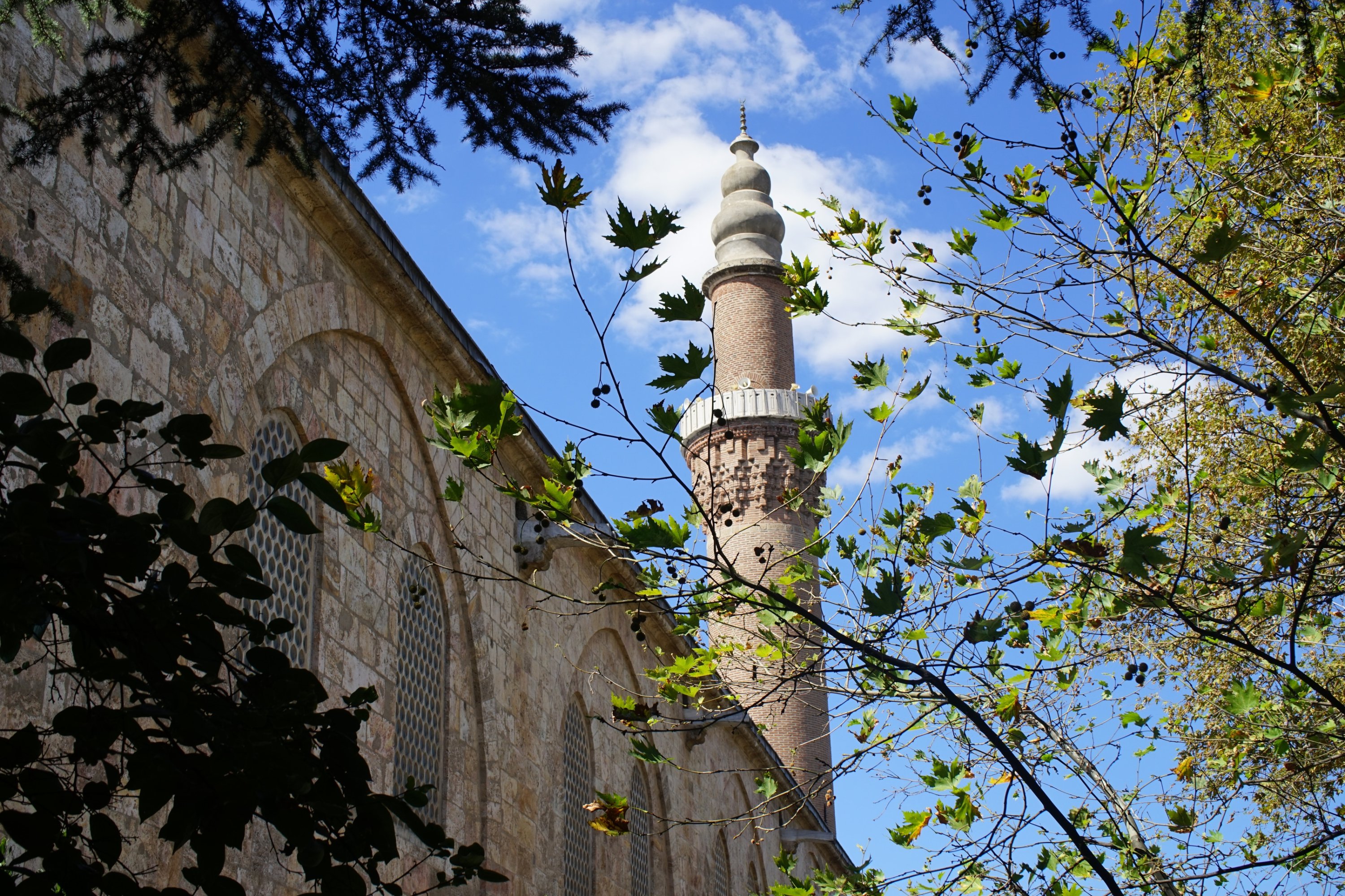
The route from Söğüt to Bursa preserves the memory of the Ottoman Empire’s formative years through tombs, mosques, religious lodges, baths and fortresses that reflect the military, religious and social history of the period.
Stretching through Söğüt, Bilecik, Yenişehir, Inegöl and Kestel before reaching Bursa, the route follows the military and political process that culminated in the Ottoman conquest of Bursa. Its historic structures offer glimpses into the architectural, religious and social life of the period when the Ottoman Principality was developing into a state.
One of the key stops in Söğüt is the tomb of Ertuğrul Ghazi, the father of Osman I, also called Osman Ghazi, founder of the Ottoman Principality and a Seljuk frontier commander.
According to the Bilecik Provincial Directorate of Culture and Tourism, the tomb dates to the late 13th century. It was initially built as an open grave by Osman I and was later converted into a tomb by Sultan Mehmed I, also known as Mehmed Çelebi. The surrounding area also contains the graves of members of Ertuğrul Ghazi’s family and prominent figures from the Kayı tribe.
Kuyulu Mescit, located beside the Söğüt Stream, is also associated with Ertuğrul Ghazi. According to local accounts, it stands where Ertuğrul Ghazi first pitched his tent after arriving in the area with his tribe. The mosque takes its name from a well inside and is believed to have been rebuilt on the same foundations during the reign of Abdulhamid II.
Another prominent structure in Söğüt, Hamidiye Mosque, belongs to a much later period. Commissioned by Sultan Abdulhamid II between 1903 and 1905, the mosque reflects the neoclassical architectural characteristics of the late Ottoman period.
In Bilecik, the tomb of Sheikh Edebali is one of the important centers of Ottoman foundation memory. The tomb of Sheikh Edebali, Osman I’s father-in-law and a prominent scholar of his time, stands at one of the highest points of old Bilecik. It is believed to have been built during the reign of Orhan Ghazi.
Orhangazi Mosque, located just below the tomb, is another important early Ottoman structure. Although its exact construction date is unknown, it is attributed to the reign of Osman I. Its minaret, built on a rock about 30 meters from the main building, is one of its distinctive features.
Yenişehir, incorporated into Ottoman territory during the reign of Osman I, became an important settlement during the formation of the state. Its Ottoman-era heritage includes the Koca Sinan Pasha Complex and Postinpuş Baba Lodge. The Koca Sinan Pasha Complex was built in the 16th century, while Postinpuş Baba Lodge is among the structures dating to the early Ottoman period.
Köprühisar, another stop along the route, preserves traces of the area’s former defenses through its castle remains.
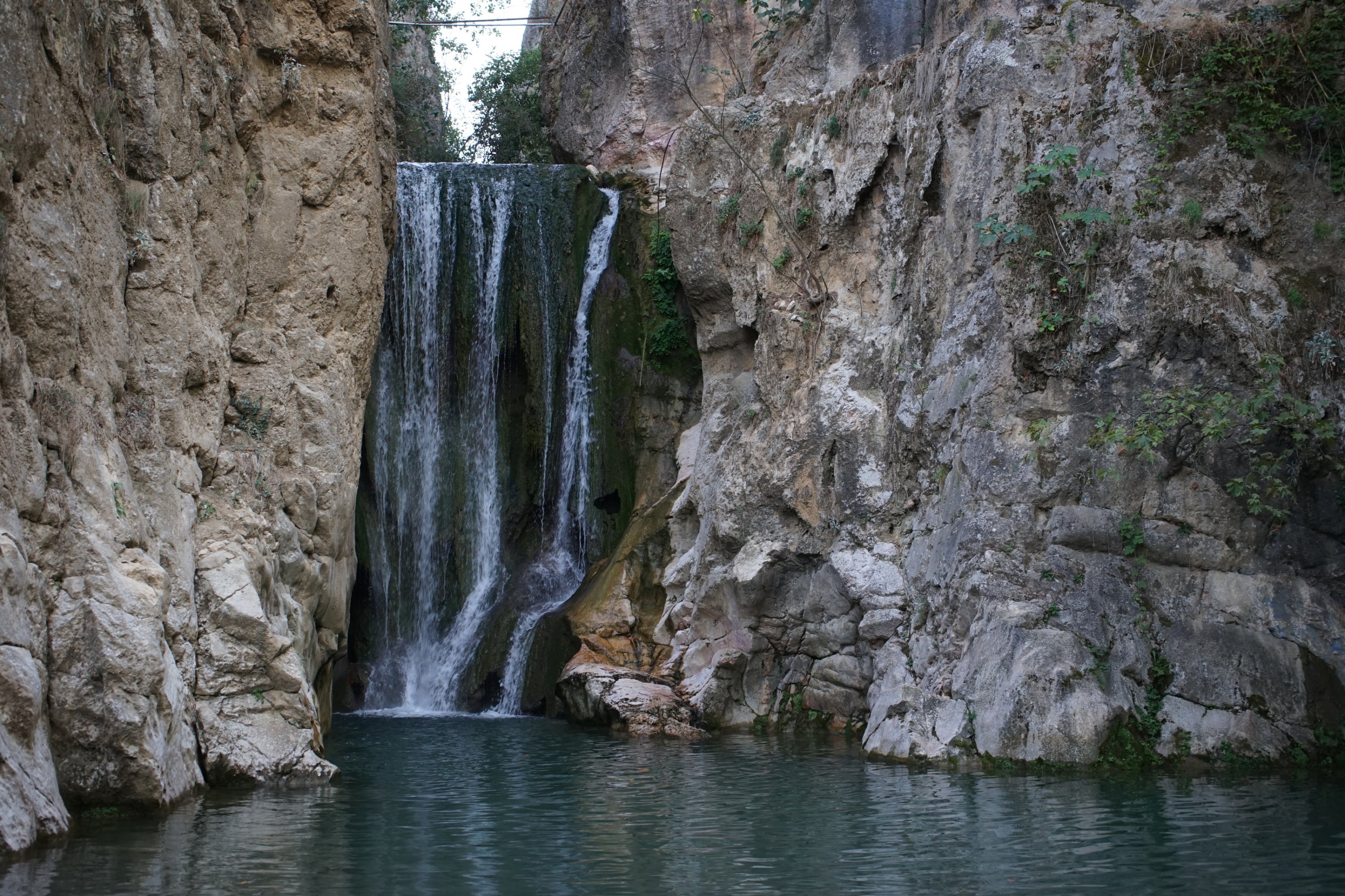
The Orhan Gazi Mosque in Yarhisar is another example of early Ottoman architecture in the region, while the Orhan Bathhouse forms part of the historic settlement. Yarhisar Waterfall is also visited as one of the route’s natural stops.
The tomb of Aydoğdu Bey in Yenişehir’s Koyunhisar area is another site associated with the struggles of the Ottoman foundation period. Aydoğdu, Osman I’s nephew, was killed during the Battle of Dimbos.
In Inegöl, the İshak Pasha Mosque adds another important Ottoman religious structure to the route. The mosque’s most notable features for visitors include a relic known as the Sacred Beard, or Sakal-ı Şerif.
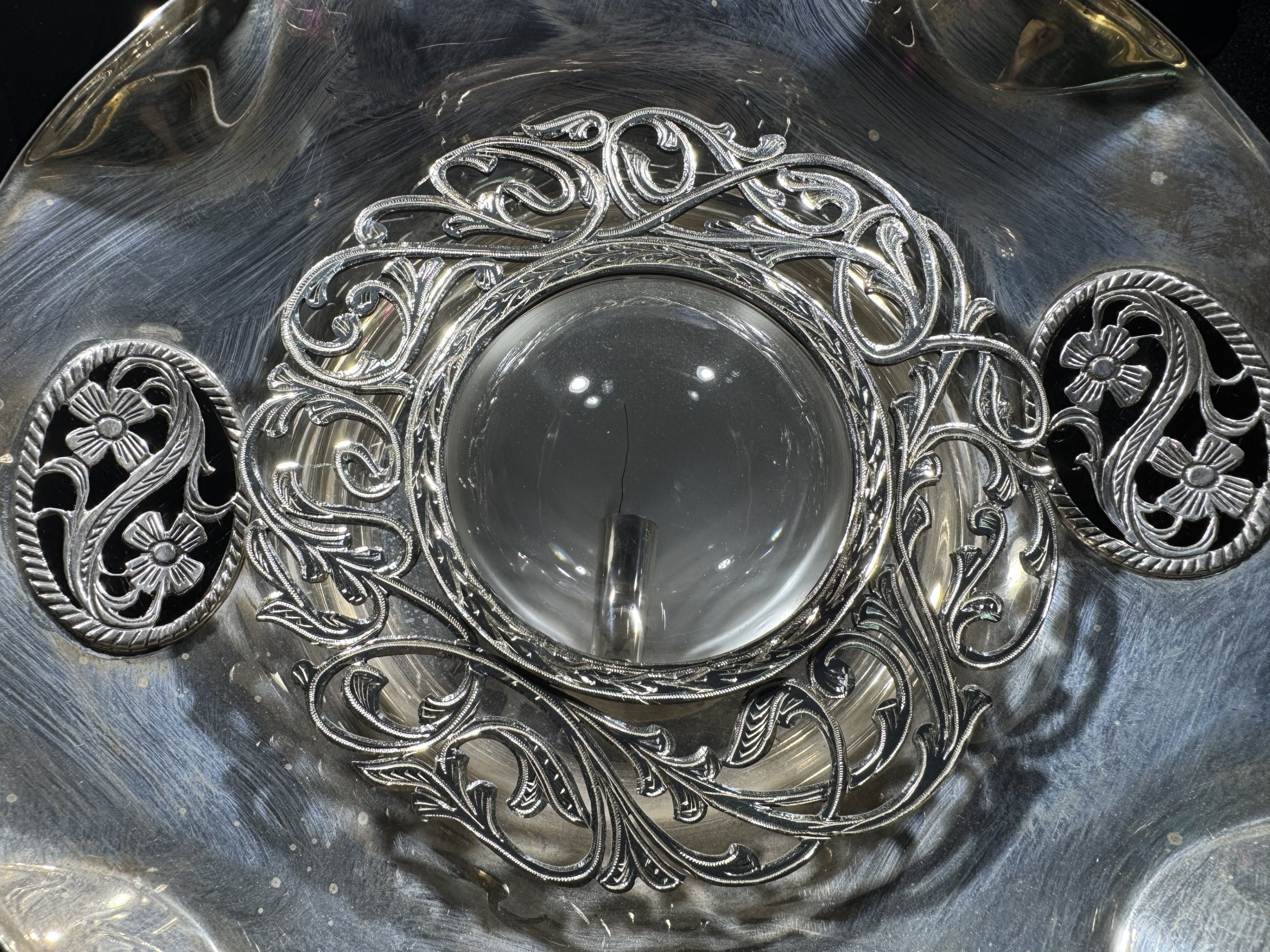
As the route approaches Bursa, its fortresses highlight the military and strategic importance of the region.
Kestel Castle, dating to the Byzantine period, was used as a strong defensive point during the early Ottoman era. The remains of the ancient walls of Kite Castle, located around the present-day Ürünlü neighborhood, also reflect the area’s strategic importance.
Balabanbey Castle, east of Bursa, is directly associated with the siege and conquest of the city. According to Yıldırım Municipality records, the castle was among the first structures built by Osman I during the siege of Bursa and was used under the command of Balaban Bey to blockade the city.
The tomb of Geyikli Baba, a great scholar of Islam, in Kestel is another spiritual stop along the route. Geyikli Baba, one of the warrior dervishes of the Ottoman foundation period, is traditionally believed to have participated in the conquest of Bursa during the reign of Orhan Ghazi. Following the conquest, Orhan Ghazi is said to have granted him land in the present-day Babasultan area to establish a lodge.
The Bursa section of the route centers on the historic area within the city’s citadel. After Bursa came under Ottoman rule in 1326, the area became an important center of political memory for the Ottoman dynasty and the new capital.
Following the city’s surrender to Orhan Ghazi on April 6, 1326, Bursa became the Ottoman capital.
The Üftade Mosque and Tomb are among the important structures reflecting Bursa’s later spiritual heritage. The mosque was built by Üftade Mehmed Muhyiddin in the 16th century and rebuilt after being damaged in the 1855 earthquake. The tomb opposite the mosque contains the sarcophagi of Üftade and members of his family.
Şehadet Mosque is another prominent historic structure in the citadel. The mosque is among the buildings preserving architectural and historical traces of Bursa’s early Ottoman period and contains the inscription stone of the former Kaleiçi Orhan Mosque.
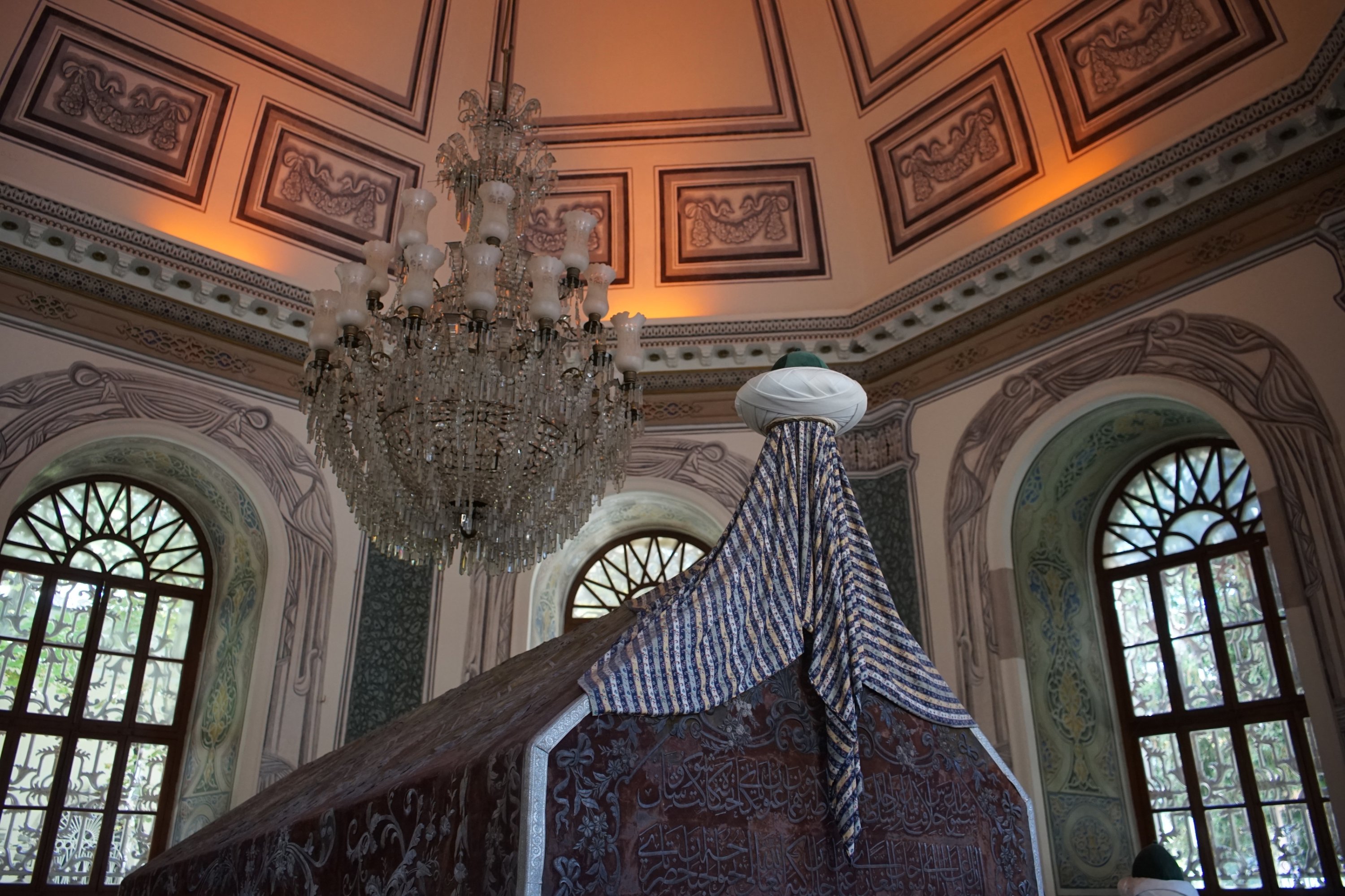
The tombs of Osman I and Orhan Ghazi are among the most powerful symbols of the Ottoman dynasty in Bursa. Osman I, who died before the conquest of Bursa, was buried after the conquest in a structure known as Gümüşlü Kümbet, in accordance with his wishes. Orhan Ghazi, who conquered Bursa, was later buried beside his father.
Another important structure along the route from the citadel toward the city center is Ghazi Orhan Mosque. Built by Orhan Bey in 1339, the mosque reflects early Ottoman architectural features and stands east of the Grand Mosque, in the historic bazaar area.
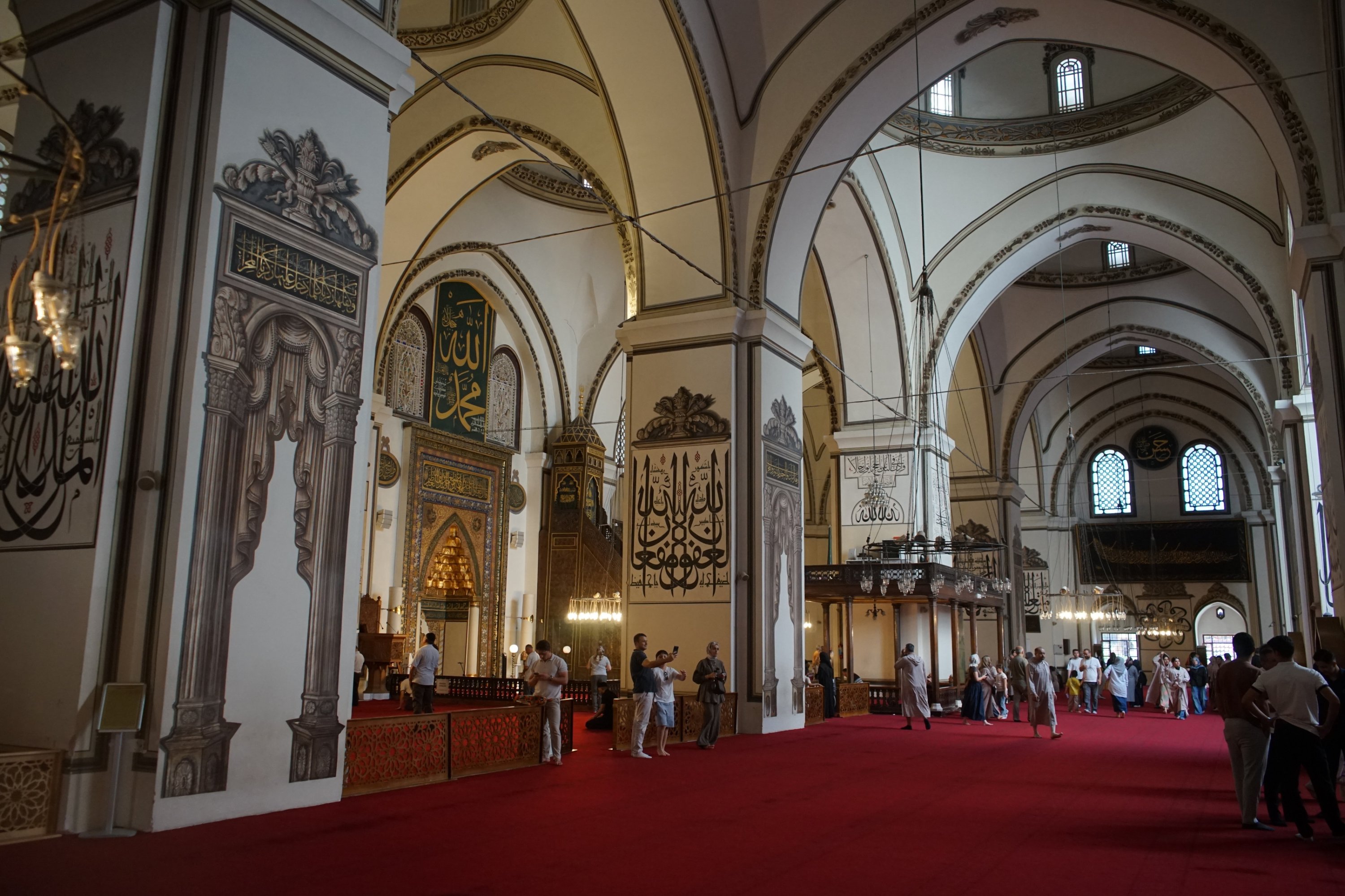
The Grand Mosque, or Ulu Cami, is one of the strongest symbols of Bursa’s identity as an Ottoman capital. Commissioned by Bayezid I between 1396 and 1400, the mosque is known for its 20 domes, calligraphy and architectural features.
The route from Söğüt through Bilecik, Yenişehir, Yarhisar, İnegöl and Kestel to Bursa therefore represents more than a military path of conquest. It traces the transformation of the Ottoman Beylik from its foundation to Bursa’s emergence as a capital and the cultural heritage that developed over the centuries.
From Ertuğrul Ghazi and Sheikh Edebali to Osman I and Orhan Ghazi and from Geyikli Baba and Üftade to mosques, baths and complexes reflecting early Ottoman architecture, the sites along the route preserve tangible traces of Bursa’s journey of conquest.