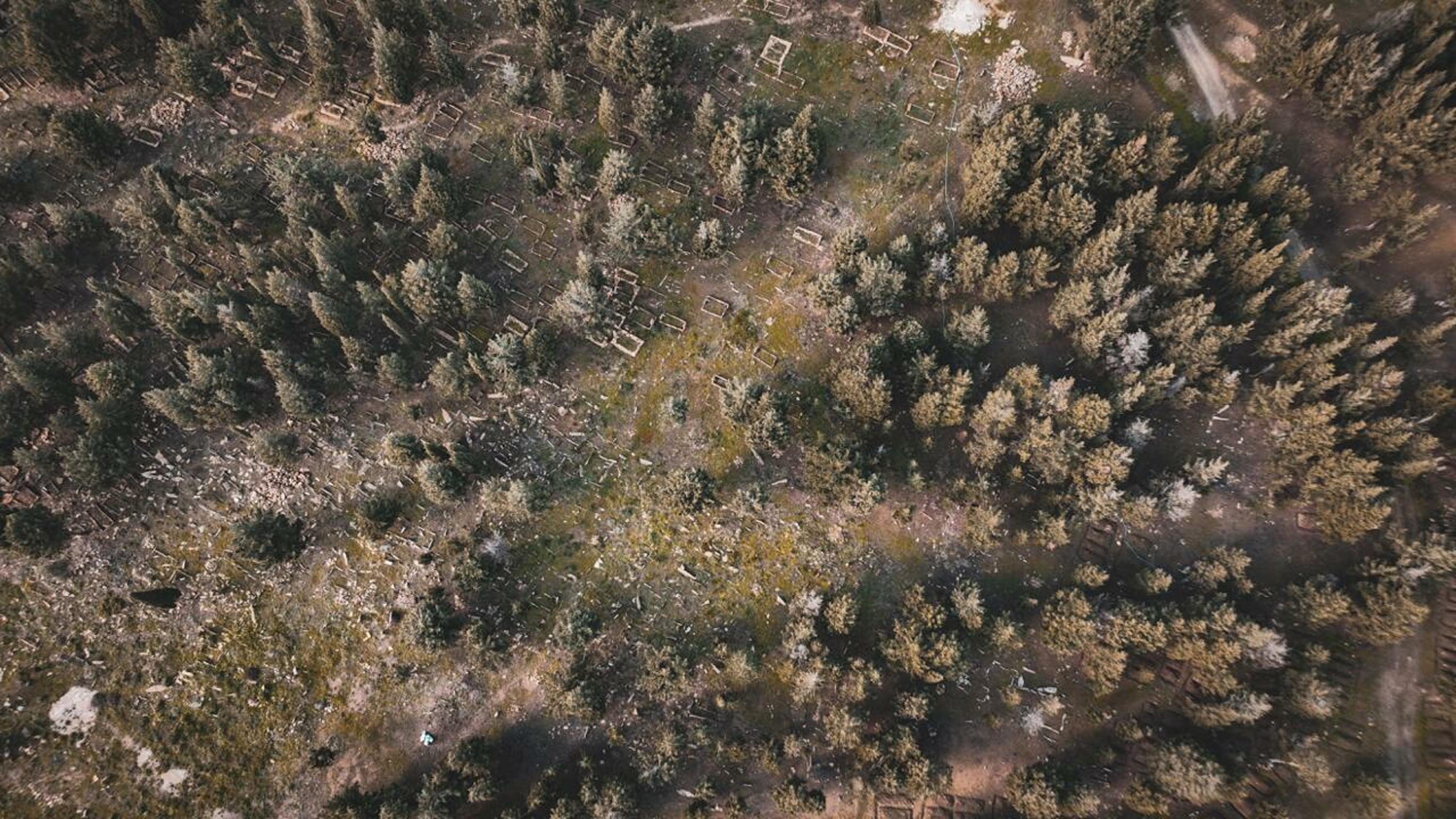
A vast historic Turkish cemetery believed to date back to the 14th century has been uncovered by archaeologists on the Gallipoli Peninsula, shedding new light on the earliest Turkish presence in Europe, officials said.
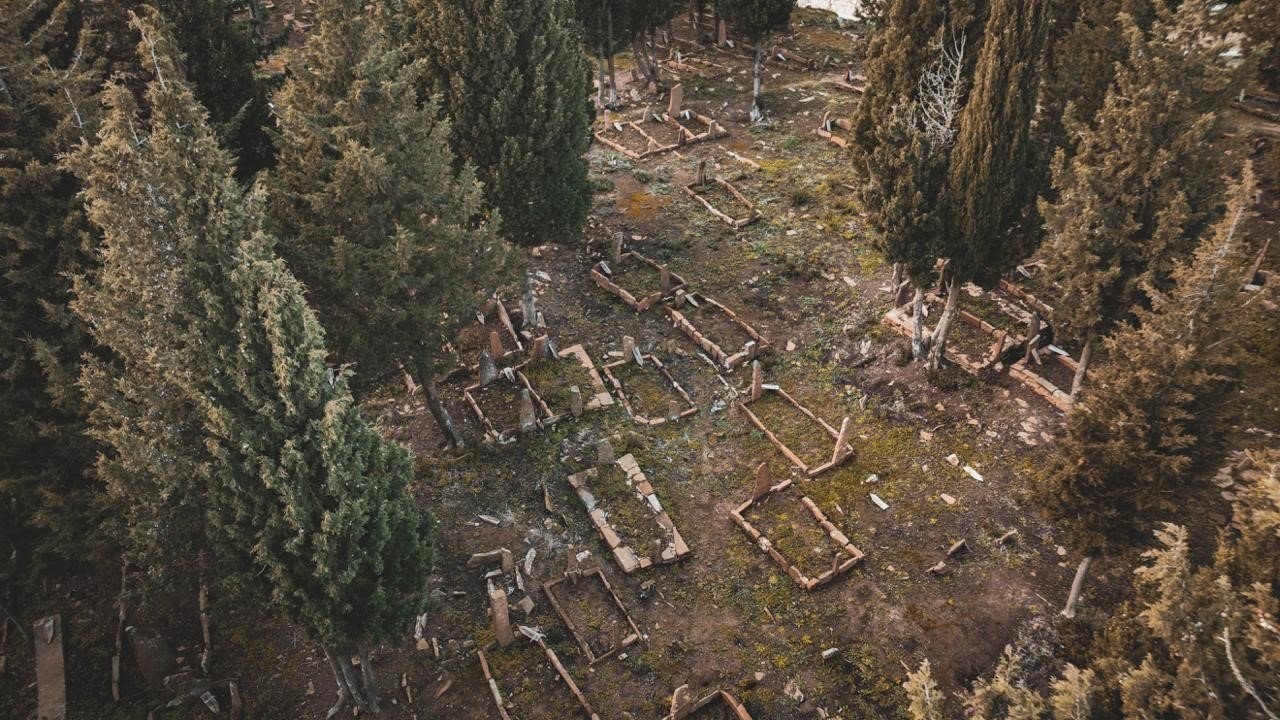
The discovery was made during restoration and survey work carried out by the Gallipoli Historical Site Directorate at the Küçükanafarta Historic Turkish Cemetery in Çanakkale’s Eceabat district. Researchers identified 8,731 graves spread across a 100-decare area, with burial forms resembling Central Asian Turkish traditions.
Gallipoli Historical Site President Ismail Kaşdemir said the cemetery is believed to belong to the first Turkish raiders who crossed from Anatolia into the southeastern Europe region in the 1300s, describing the find as a major milestone for Turkish history.
“This discovery opens a new chapter,” Kaşdemir told reporters in Küçükanafarta village. “These graves represent the seal of the Turkish nation and document an early and permanent Turkish presence in these lands.”
Kaşdemir said the burial styles closely match Turkish-Islamic traditions seen across Anatolia and Central Asia, noting that the site carries symbolic importance comparable to the Ahlat Cemetery in eastern Türkiye.
“Just as Ahlat reflects Turkish presence in Anatolia, this cemetery reflects the roots of Turkish history in Thrace, the Balkans and Europe,” he said.
Following the identification of the site, officials consulted historians, art historians and universities, conducting carbon dating and structural analysis of the gravestones. The findings confirmed that the cemetery dates back to the 14th century.
About three-quarters of the work at the site has been completed, Kaşdemir said, adding that restoration efforts will soon be finalized to preserve the cemetery and open it to visitors.
Once completed, the site is expected to become a significant historical destination alongside the peninsula’s well-known sites, he added.
Some gravestones rise several meters above ground and resemble balbal stones, a distinctive feature of early Turkic burial culture. One of the oldest sampled graves measures up to four meters in height, with nearly two meters extending underground.
“All scientific evidence confirms this is a cemetery belonging to early Turkish settlers from the 1300s,” Kaşdemir said. “These graves stand as a historical record and a lasting testament to Turkish heritage in this region.”