Daily Sabah logo

Politics
Diplomacy Legislation War On Terror EU Affairs Elections News Analysis
TÜRKİYE
Istanbul Education Investigations Minorities Expat Corner Diaspora
World
Mid-East Europe Americas Asia Pacific Africa Syrian Crisis Islamophobia
Business
Automotive Economy Energy Finance Tourism Tech Defense Transportation News Analysis
Lifestyle
Health Environment Travel Food Fashion Science Religion History Feature Expat Corner
Arts
Cinema Music Events Portrait Reviews Performing Arts
Sports
Football Basketball Motorsports Tennis
Opinion
Columns Op-Ed Reader's Corner Editorial
PHOTO GALLERY
JOBS ABOUT US RSS PRIVACY CONTACT US
© Turkuvaz Haberleşme ve Yayıncılık 2026

Daily Sabah - Latest & Breaking News from Turkey | Istanbul

  • Politics
    • Diplomacy
    • Legislation
    • War On Terror
    • EU Affairs
    • Elections
    • News Analysis
  • TÜRKİYE
    • Istanbul
    • Education
    • Investigations
    • Minorities
    • Expat Corner
    • Diaspora
  • World
    • Mid-East
    • Europe
    • Americas
    • Asia Pacific
    • Africa
    • Syrian Crisis
    • Islamophobia
  • Business
    • Automotive
    • Economy
    • Energy
    • Finance
    • Tourism
    • Tech
    • Defense
    • Transportation
    • News Analysis
  • Lifestyle
    • Health
    • Environment
    • Travel
    • Food
    • Fashion
    • Science
    • Religion
    • History
    • Feature
    • Expat Corner
  • Arts
    • Cinema
    • Music
    • Events
    • Portrait
    • Reviews
    • Performing Arts
  • Sports
    • Football
    • Basketball
    • Motorsports
    • Tennis
  • Gallery
  • Opinion
    • Columns
    • Op-Ed
    • Reader's Corner
    • Editorial
  • TV
  • Life
  • Health
  • Environment
  • Travel
  • Food
  • Fashion
  • Science
  • Religion
  • History
  • Feature
  • Expat Corner

Istanbul’s Sulukule Gate: Centuries of history etched in stone

by Daily Sabah with AA

ISTANBUL Oct 13, 2026 - 3:21 pm GMT+3
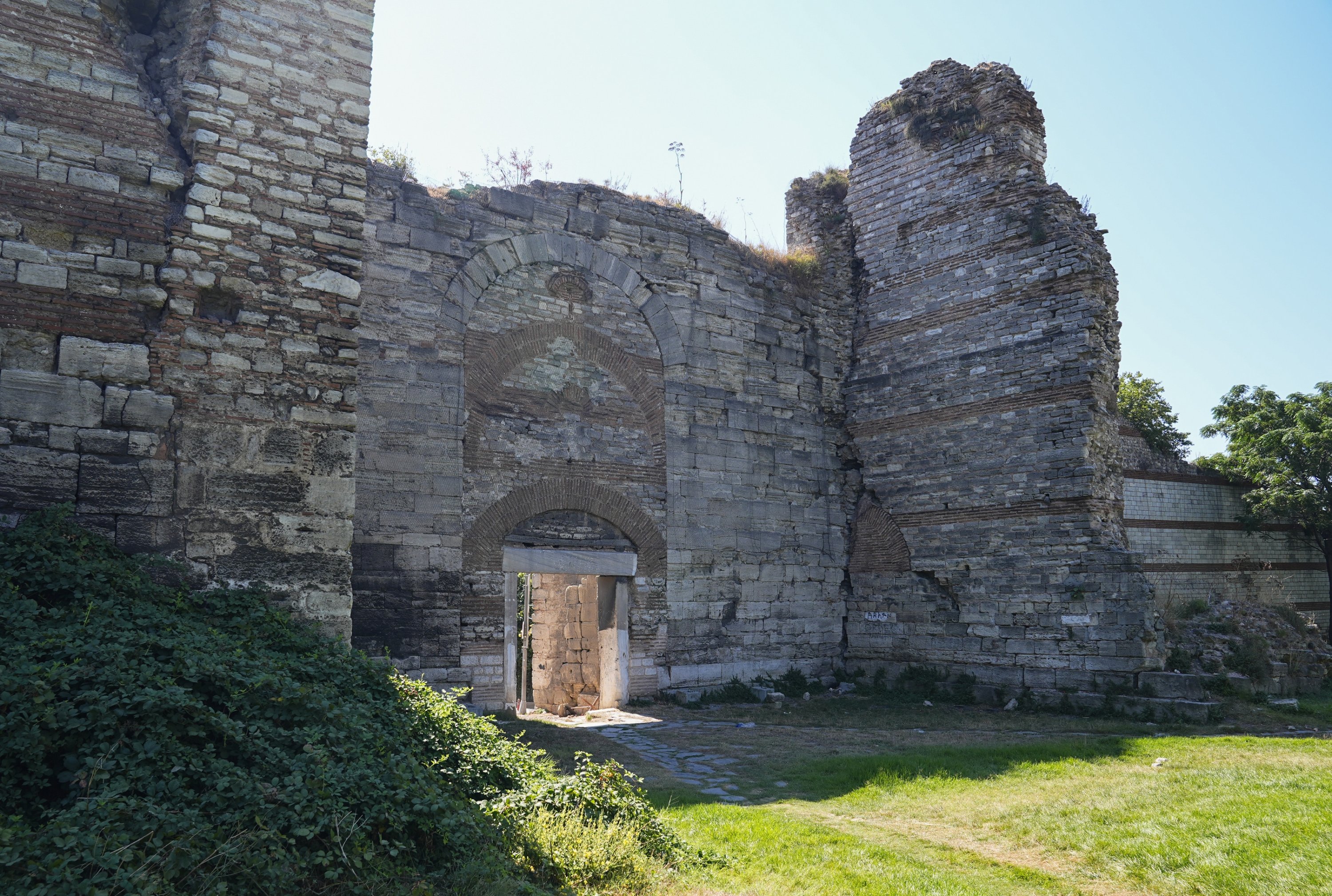
A general view of Sulukule Gate, which dates to the Byzantine period, Istanbul, Türkiye, Oct. 13, 2026. (AA Photo)
by Daily Sabah with AA Oct 13, 2026 3:21 pm

From Byzantine defenses to the Ottoman conquest of 1453, an ancient passage through the city walls now anchors daily neighborhood life

Today, Sulukule Gate may look like a modest passage through Istanbul’s ancient walls, but its history stretches from the Byzantine era to the Ottoman period. Over the centuries, it witnessed sieges, the changing rhythms of city life and the conquest of Constantinople in 1453.

Named after the stream that once flowed beneath the walls, Sulukule Gate stands along the Theodosian Walls between Topkapı and Edirnekapı. The streambed and the surrounding terrain made the area a strategically significant point in Istanbul’s land defenses.

By 1453, Sulukule Gate had become one of the busiest fronts of the siege of Constantinople. As Sultan Mehmed II’s forces besieged the walls between Topkapı and Edirnekapı, the gate and its surroundings came under heavy cannon fire. The route people use in their daily lives today was once part of a battlefield where Ottoman cannons pounded the walls in an attempt to breach the city’s defenses.

The gate’s story did not end with the conquest. Sealed off with masonry for centuries during the Ottoman period, Sulukule Gate was reopened toward the end of the 19th century. Over time, it became part of Istanbul’s everyday life, along with the surrounding residential neighborhood.

The Lykos Stream, which originated in Bayrampaşa and passed beneath the city walls, is believed to have given the gate and its surroundings their present-day name. It was also known as the Pempton Gate during the Byzantine period.

Today, daily life unfolds beside the same walls once battered by cannon fire. Sulukule Gate, once part of a siege that helped determine the city’s fate, still stands as a gateway to Istanbul’s past, bearing traces of the conquest.

Home for all

Art historian Elif Rana Kabalıoğlu told Anadolu Agency (AA) that the area had been known as Sulukule since the reign of Sultan Mehmed II.

A stream had flowed through the area since the early Byzantine period, Kabalıoğlu said; however, it began to dry up during the Ottoman period.

Pointing to architectural features reflecting the gate’s different historical periods, Kabalıoğlu said a cross can be seen on the marble lintel above the entrance.

“We can see a cross on the marble lintel above our gate. These gates were periodically repaired by the Eastern Romans, or Byzantines, because the walls suffered serious damage from earthquakes, fires and, as we have mentioned, sieges,” she said.

The repairs were carried out by emperors and, at times, military commanders or bureaucrats, she said. The gate was also repaired during the Ottoman period, and an inscription commemorating the work can be seen on the lintel.

Kabalıoğlu said Sulukule Gate’s history extended beyond military defense and sieges, with the surrounding neighborhood home to different communities from the Eastern Roman period through the Ottoman era.

During the Eastern Roman Empire, Roma communities living outside the city walls were eventually allowed to settle inside after helping the emperor quell internal unrest, she said.

“The Roma people had arrived here during the Migration Period. They were a nomadic community living outside the city walls,” Kabalıoğlu said. They were barred from entering the city until they helped the emperor. “Once they provided that assistance, the emperor granted them permission to settle within the walls,” she said.

They later began moving into areas largely inhabited by Jewish, Greek and other Christian communities, she added.

“There was no major change during the Ottoman period. We still see Roma residents living predominantly in this area, known as the Sulukule neighborhood,” she said.

Many Roma residents lived in houses built directly against the city walls and earned their living through trades such as muleteering, blacksmithing, farriery and copperworking, Kabalıoğlu added.


  • shortlink copied
  • Last Update: Oct 13, 2026 4:23 pm
    KEYWORDS
    sulukule gate istanbul ottoman empire byzantine empire
    The Daily Sabah Newsletter
    Keep up to date with what’s happening in Turkey, it’s region and the world.
    You can unsubscribe at any time. By signing up you are agreeing to our Terms of Use and Privacy Policy. This site is protected by reCAPTCHA and the Google Privacy Policy and Terms of Service apply.
    No Image
    Turkey: The land of cats
    PHOTOGALLERY
    • POLITICS
    • Diplomacy
    • Legislation
    • War On Terror
    • EU Affairs
    • News Analysis
    • TÜRKİYE
    • Istanbul
    • Education
    • Investigations
    • Minorities
    • Diaspora
    • World
    • Mid-East
    • Europe
    • Americas
    • Asia Pacific
    • Africa
    • Syrian Crisis
    • İslamophobia
    • Business
    • Automotive
    • Economy
    • Energy
    • Finance
    • Tourism
    • Tech
    • Defense
    • Transportation
    • News Analysis
    • Lifestyle
    • Health
    • Environment
    • Travel
    • Food
    • Fashion
    • Science
    • Religion
    • History
    • Feature
    • Expat Corner
    • Arts
    • Cinema
    • Music
    • Events
    • Portrait
    • Performing Arts
    • Reviews
    • Sports
    • Football
    • Basketball
    • Motorsports
    • Tennis
    • Opinion
    • Columns
    • Op-Ed
    • Reader's Corner
    • Editorial
    • Photo gallery
    • DS TV
    • Jobs
    • privacy
    • about us
    • contact us
    • RSS
    © Turkuvaz Haberleşme ve Yayıncılık 2021