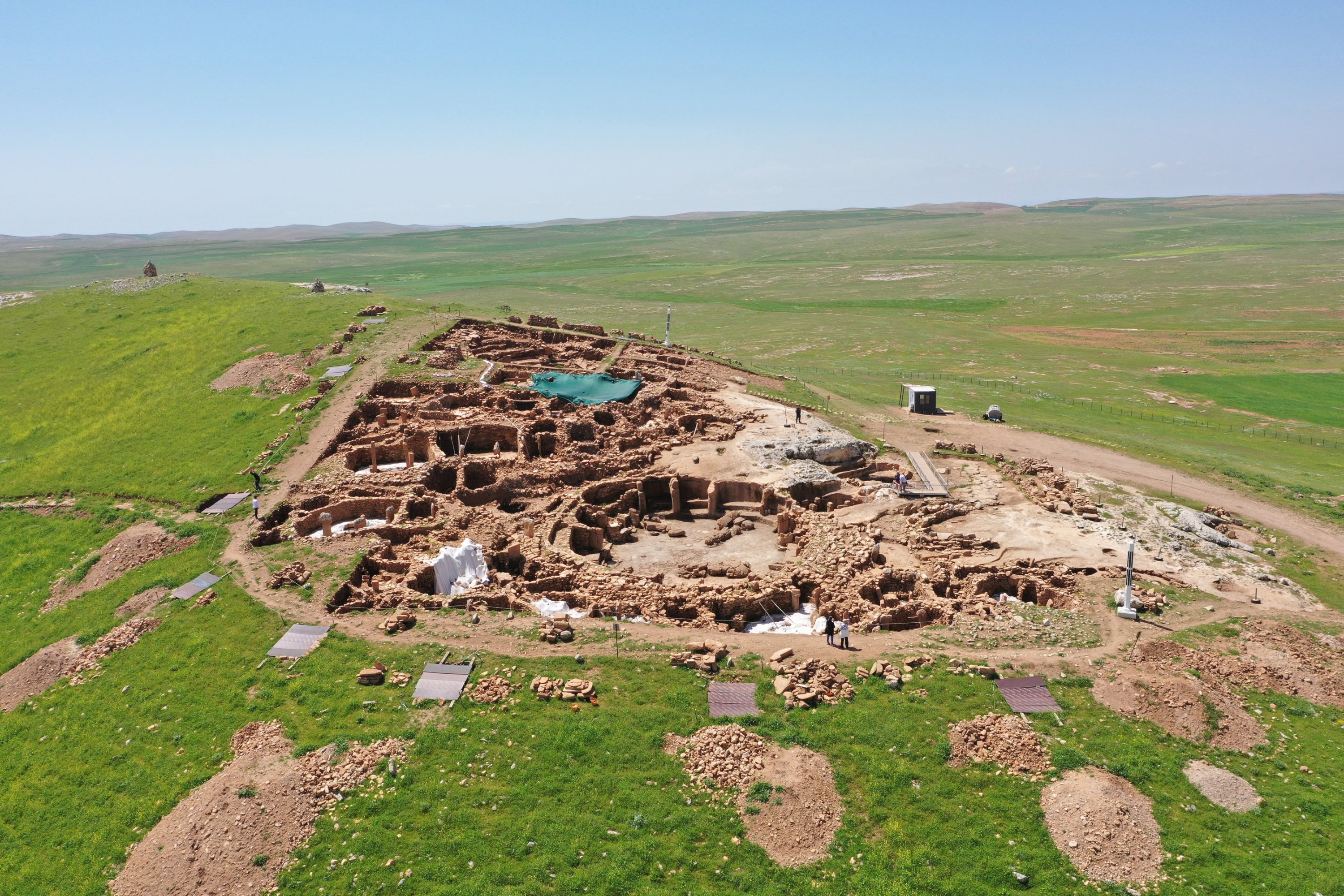
Professor Necmi Karul, coordinator of the Taş Tepeler Project and head of the Karahantepe excavations, stated that they have found strong evidence of intensive gazelle consumption among people who lived in Karahantepe 12,000 years ago and that legumes also played an important role in their diet.
Within the scope of the Taş Tepeler Project – one of the most comprehensive archaeological initiatives in the history of the Turkish republic – Karahantepe has become one of the most significant excavation sites in Şanlıurfa, southeastern Türkiye, where work has been ongoing for seven years.
At the site, which contains more than 250 T-shaped standing stones from the Neolithic period similar to those at Göbeklitepe (a UNESCO World Heritage Site), numerous artifacts have been discovered, ranging from three-dimensional human sculptures to animal depictions.
Located 46 kilometers (28 miles) from the city center in Tek Tek Mountains National Park, the archaeological site is being rapidly developed in parallel with both scientific research and growing visitor interest.
Karul told Anadolu Agency (AA) that they plan to complete preparations by the end of May and resume excavations at Karahantepe.
During this period, they have continued laboratory and archival work to transform last year’s findings into scientific knowledge. Karul noted that they have encountered new data on dietary habits and have had the opportunity to compare Göbeklitepe and Karahantepe.
Karul said: “In both settlements, we found evidence of predominantly gazelle consumption. However, at Göbeklitepe, we were able to identify a much wider variety of animals from different ecological zones – from plains to high mountain areas – and determine their proportions. In terms of plant remains, we initially assumed grain consumption, but we observed that legumes held a significant place in the diet of the people living here. We will expand this data further in the coming season.”
Karul also mentioned efforts to promote Türkiye’s Taş Tepeler Project internationally, noting that an exhibition titled “The Discovery of Society” in Berlin has attracted the attention of foreign experts.
He pointed out that Karahantepe has also been included in the gastronomy segment of the Şanlıurfa Culture Road Festival, adding: “This shows that archaeology can reflect the full diversity of human life in the past into the present. Taş Tepeler, and especially Karahantepe, has become a field where everyone can connect with the past.”
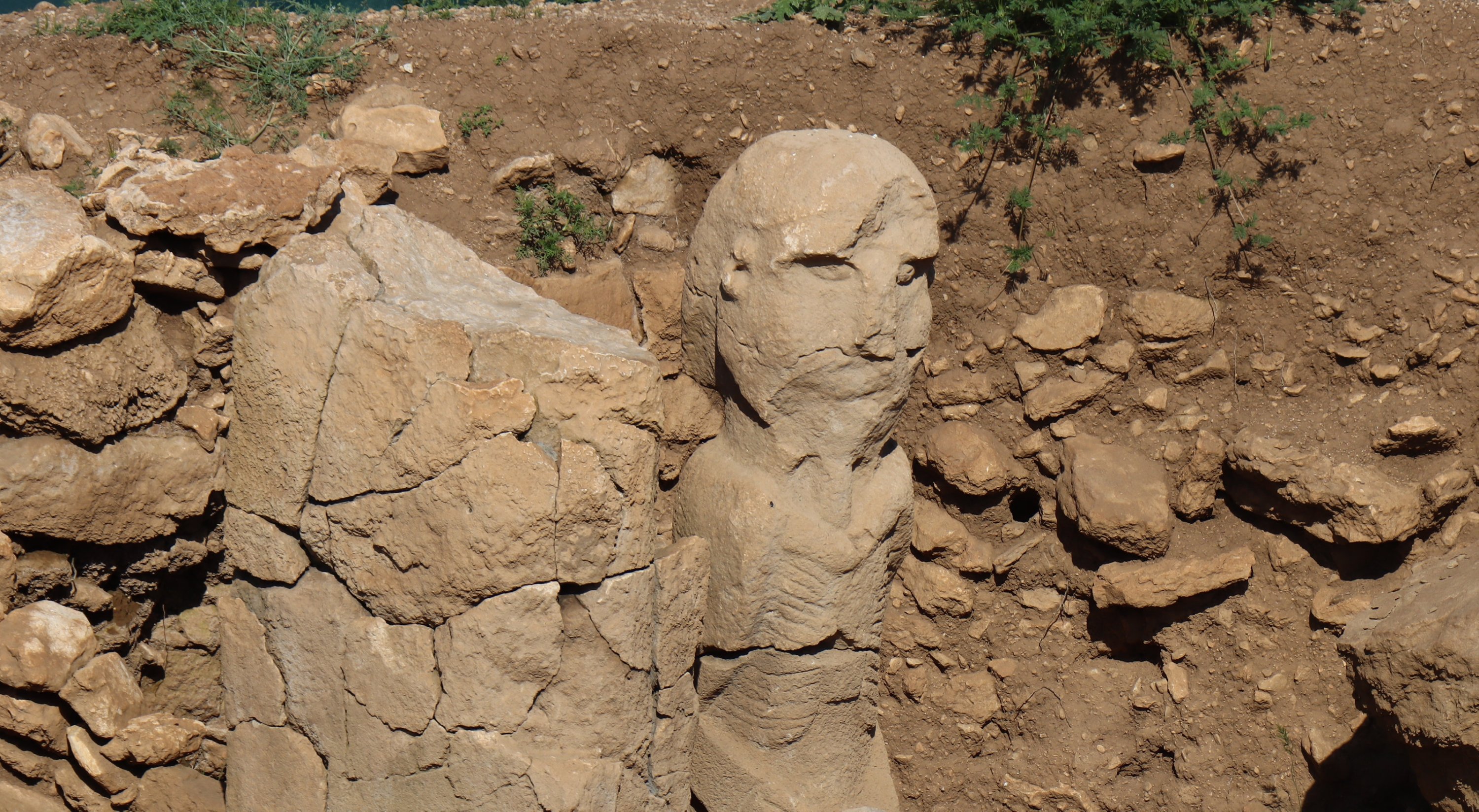
Karul stated that, after Göbeklitepe, often referred to as the “point zero of history,” there is no need to assign a similar label to Karahantepe.
He continued: “Göbeklitepe is one of the settlements dated to the beginning of sedentary life. It would not be correct to expect an earlier settlement because this corresponds to the Ice Age. For people to live year-round in the same place, they needed sufficient surrounding resources. This began around 12,000 years ago, and Karahantepe was also settled around this time. I want to emphasize that ‘being older’ is not particularly meaningful here. A settlement being 100 years older would not change the role Göbeklitepe and Karahantepe play in human history. These are the most monumental settlements dated to the beginning of known sedentary life in the world. They bring us closest to people of 12,000 years ago, especially through their symbols.
"When compared to contemporary settlements around the world, the level achieved at that time was far more advanced. We see the success of the people living in this region 12,000 years ago in art, technology and engineering. This success was not limited to that period; there are many settlements in Anatolia that show its continuation. Just as Göbeklitepe and Karahantepe stand out within the Neolithic Age, this continuity also distinguishes Anatolia from other regions of the world. From this perspective, the true, ancient past can be better understood, and the reasons behind today’s cultural diversity can be more clearly appreciated.”
Karul emphasized that they have obtained data allowing them to analyze not only what people consumed at Karahantepe but also differences between settlements.
Referring to the “Taş Tepeler Ecology Project,” which began last week, he said teams have been working in the field for 15 days, studying present-day ecology as part of the project.
“We are trying to understand and document whatever the living environment contains, and our geological research is also part of this. Therefore, Taş Tepeler should not be seen as just an excavation project; it is much more comprehensive. This work includes environmental studies from the past to present, archaeological sites and excavations, regional inventories, documentation of preserved traditional life in the area and cultural heritage management that brings this knowledge to society. This requires many people and experts working together simultaneously, as these sites have quickly attracted attention. This interest obliges us both to protect the sites and to make them accessible,” he explained.
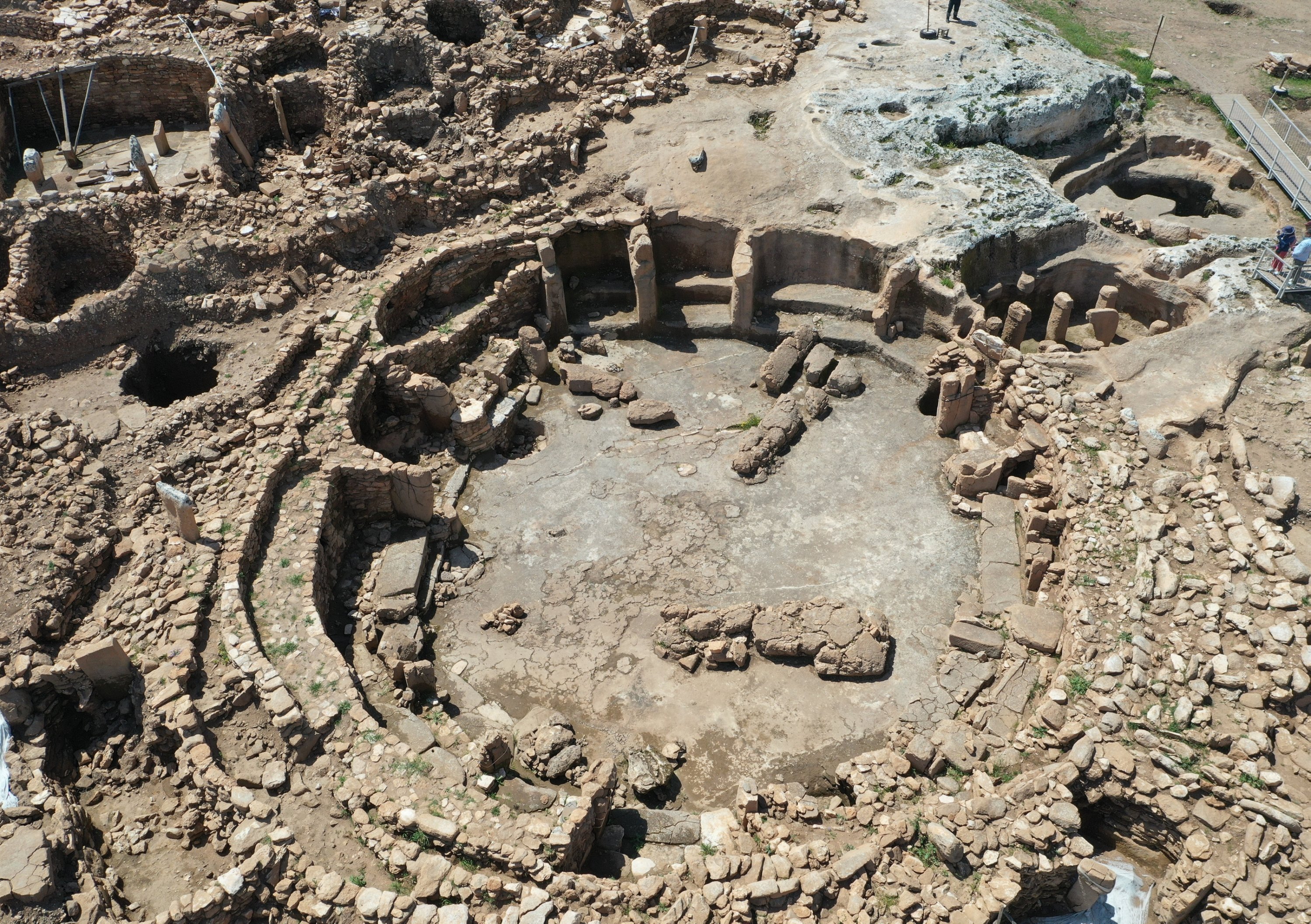
Karul noted that a protective roof will be built over Karahantepe and that enclosing such a site involves not only preserving what has been uncovered but also adhering to certain principles, adding that they have reached the final stage.
Highlighting that Karahantepe covers an area of 12 hectares, Karul said: “We are excavating 6,000 square meters, but even within that area, there are deeper layers beneath. Therefore, it is not really possible to predict how long this will take. The duration of such projects is determined by what lies underground. Each year, we obtain highly impressive finds, new information, and data from these sites. We are working at full capacity. If you ask me, the excavations at Karahantepe should never end.”