Daily Sabah logo

Politics
Diplomacy Legislation War On Terror EU Affairs Elections News Analysis
TÜRKİYE
Istanbul Education Investigations Minorities Expat Corner Diaspora
World
Mid-East Europe Americas Asia Pacific Africa Syrian Crisis Islamophobia
Business
Automotive Economy Energy Finance Tourism Tech Defense Transportation News Analysis
Lifestyle
Health Environment Travel Food Fashion Science Religion History Feature Expat Corner
Arts
Cinema Music Events Portrait Reviews Performing Arts
Sports
Football Basketball Motorsports Tennis
Opinion
Columns Op-Ed Reader's Corner Editorial
PHOTO GALLERY
JOBS ABOUT US RSS PRIVACY CONTACT US
© Turkuvaz Haberleşme ve Yayıncılık 2025

Daily Sabah - Latest & Breaking News from Turkey | Istanbul

  • Politics
    • Diplomacy
    • Legislation
    • War On Terror
    • EU Affairs
    • Elections
    • News Analysis
  • TÜRKİYE
    • Istanbul
    • Education
    • Investigations
    • Minorities
    • Expat Corner
    • Diaspora
  • World
    • Mid-East
    • Europe
    • Americas
    • Asia Pacific
    • Africa
    • Syrian Crisis
    • Islamophobia
  • Business
    • Automotive
    • Economy
    • Energy
    • Finance
    • Tourism
    • Tech
    • Defense
    • Transportation
    • News Analysis
  • Lifestyle
    • Health
    • Environment
    • Travel
    • Food
    • Fashion
    • Science
    • Religion
    • History
    • Feature
    • Expat Corner
  • Arts
    • Cinema
    • Music
    • Events
    • Portrait
    • Reviews
    • Performing Arts
  • Sports
    • Football
    • Basketball
    • Motorsports
    • Tennis
  • Gallery
  • Opinion
    • Columns
    • Op-Ed
    • Reader's Corner
    • Editorial
  • TV
  • Life
  • Health
  • Environment
  • Travel
  • Food
  • Fashion
  • Science
  • Religion
  • History
  • Feature
  • Expat Corner

Scientists discover plastic-degrading microorganisms in Arctic

by Anadolu Agency

LONDON May 19, 2023 - 1:44 pm GMT+3
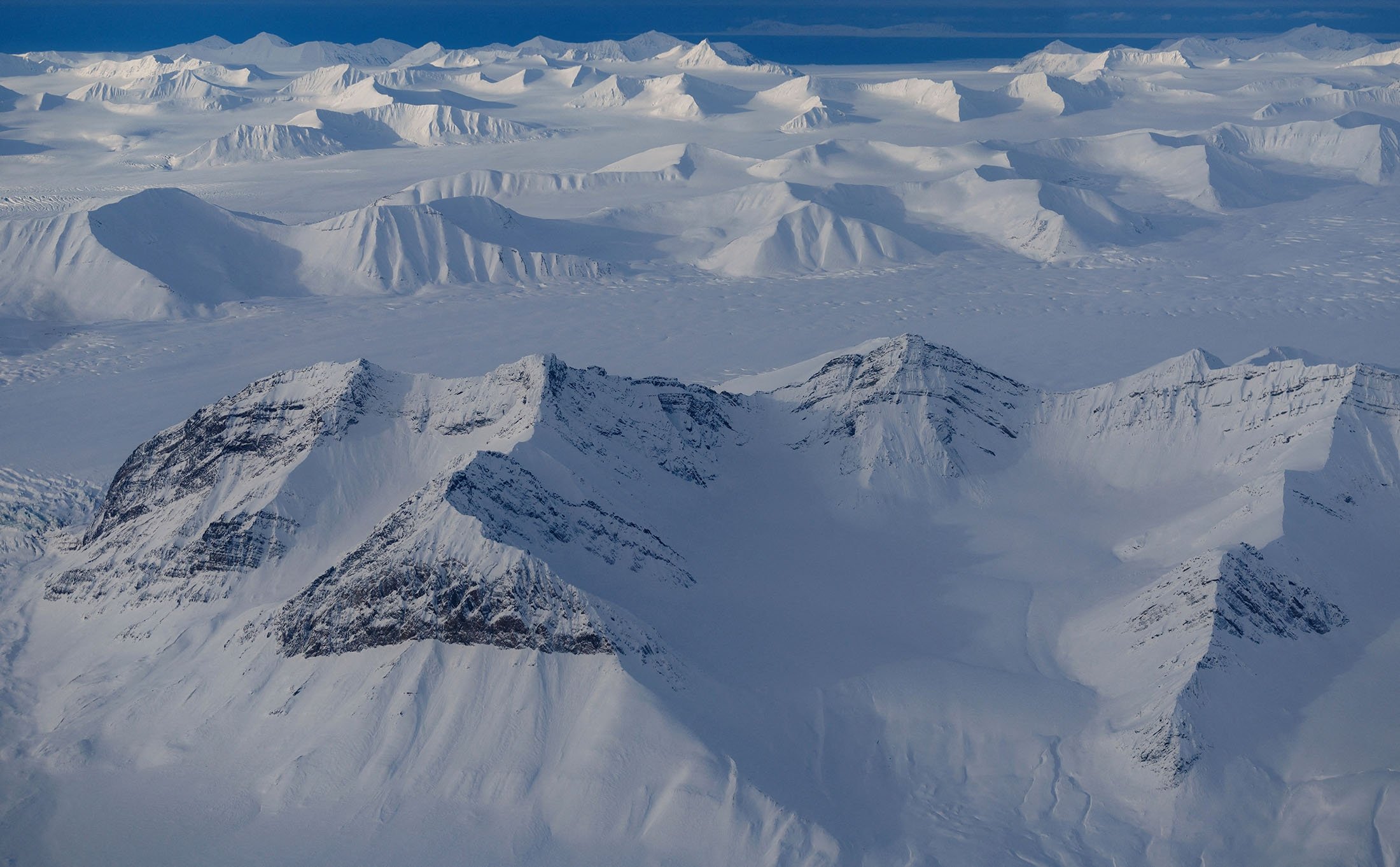
An aerial view shows snowcapped mountains of the arctic landscape near Longyearbyen, Svalbard, Norway, April 5, 2023. (Reuters Photo)
by Anadolu Agency May 19, 2023 1:44 pm

Researchers from Switzerland have discovered microorganisms in the Alps and the Arctic that can break down plastic even at low temperatures, according to research published in the Frontiers in Microbiology.

Using plastics buried in Alpine and Arctic soils, as well as plastics collected from Arctic terrestrial environments during their laboratory incubation, scientists from the Swiss Federal Institute WSL isolated 34 microbial strains and tested their degradation abilities at 15 degrees Celsius (59 degrees Fahrenheit).

Non-biodegradable polyethylene (PE), which is heavily used in packaging and consumer products, could not be degraded by the microorganisms tested. However, while more than half of the tested microorganisms produced biodegradable polyester-polyurethane at 15 degrees Celsius, they were able to degrade every plastic except two types of PE.

The study was also encouraging, showing for the first time that several taxa can degrade plastics, as well as showing that they can degrade at lower temperatures than previous studies.

Previous microbial plastic degradation has mostly been studied at temperatures above 20 degrees Celsius.

Microorganisms hold significant potential for achieving a sustainable plastics economy.

According to the Organization for Economic Co-operation and Development (OECD), approximately 460 million tons of plastic are produced worldwide each year. In this context, the demand for the most important raw materials, crude oil and plastic, continues to increase. It is estimated that the amount of plastic production could double by 2050 with increasing demand.

The United Nations Environment Program (UNEP) predicts that plastic pollution can be reduced by 80% by 2040, by implementing these three changes, which are reuse, recycling and product redirection and diversification.

According to WWF, only 10% of the plastics used in the world go to recycling.

  • shortlink copied
  • Last Update: May 19, 2023 3:46 pm
    KEYWORDS
    environment plastic plastic waste microorganisms
    The Daily Sabah Newsletter
    Keep up to date with what’s happening in Turkey, it’s region and the world.
    You can unsubscribe at any time. By signing up you are agreeing to our Terms of Use and Privacy Policy. This site is protected by reCAPTCHA and the Google Privacy Policy and Terms of Service apply.
    No Image
    Flamingos paint Türkiye's Gediz Delta pink in Spring migration
    PHOTOGALLERY
    • POLITICS
    • Diplomacy
    • Legislation
    • War On Terror
    • EU Affairs
    • News Analysis
    • TÜRKİYE
    • Istanbul
    • Education
    • Investigations
    • Minorities
    • Diaspora
    • World
    • Mid-East
    • Europe
    • Americas
    • Asia Pacific
    • Africa
    • Syrian Crisis
    • İslamophobia
    • Business
    • Automotive
    • Economy
    • Energy
    • Finance
    • Tourism
    • Tech
    • Defense
    • Transportation
    • News Analysis
    • Lifestyle
    • Health
    • Environment
    • Travel
    • Food
    • Fashion
    • Science
    • Religion
    • History
    • Feature
    • Expat Corner
    • Arts
    • Cinema
    • Music
    • Events
    • Portrait
    • Performing Arts
    • Reviews
    • Sports
    • Football
    • Basketball
    • Motorsports
    • Tennis
    • Opinion
    • Columns
    • Op-Ed
    • Reader's Corner
    • Editorial
    • Photo gallery
    • DS TV
    • Jobs
    • privacy
    • about us
    • contact us
    • RSS
    © Turkuvaz Haberleşme ve Yayıncılık 2021