Daily Sabah logo

Politics
Diplomacy Legislation War On Terror EU Affairs Elections News Analysis
TÜRKİYE
Istanbul Education Investigations Minorities Expat Corner Diaspora
World
Mid-East Europe Americas Asia Pacific Africa Syrian Crisis Islamophobia
Business
Automotive Economy Energy Finance Tourism Tech Defense Transportation News Analysis
Lifestyle
Health Environment Travel Food Fashion Science Religion History Feature Expat Corner
Arts
Cinema Music Events Portrait Reviews Performing Arts
Sports
Football Basketball Motorsports Tennis
Opinion
Columns Op-Ed Reader's Corner Editorial
PHOTO GALLERY
JOBS ABOUT US RSS PRIVACY CONTACT US
© Turkuvaz Haberleşme ve Yayıncılık 2025

Daily Sabah - Latest & Breaking News from Turkey | Istanbul

  • Politics
    • Diplomacy
    • Legislation
    • War On Terror
    • EU Affairs
    • Elections
    • News Analysis
  • TÜRKİYE
    • Istanbul
    • Education
    • Investigations
    • Minorities
    • Expat Corner
    • Diaspora
  • World
    • Mid-East
    • Europe
    • Americas
    • Asia Pacific
    • Africa
    • Syrian Crisis
    • Islamophobia
  • Business
    • Automotive
    • Economy
    • Energy
    • Finance
    • Tourism
    • Tech
    • Defense
    • Transportation
    • News Analysis
  • Lifestyle
    • Health
    • Environment
    • Travel
    • Food
    • Fashion
    • Science
    • Religion
    • History
    • Feature
    • Expat Corner
  • Arts
    • Cinema
    • Music
    • Events
    • Portrait
    • Reviews
    • Performing Arts
  • Sports
    • Football
    • Basketball
    • Motorsports
    • Tennis
  • Gallery
  • Opinion
    • Columns
    • Op-Ed
    • Reader's Corner
    • Editorial
  • TV
  • Life
  • Health
  • Environment
  • Travel
  • Food
  • Fashion
  • Science
  • Religion
  • History
  • Feature
  • Expat Corner

Sun reaches solar maximum, more auroras expected: NASA

by Deutsche Presse-Agentur - dpa

WASHINGTON Oct 17, 2024 - 11:43 am GMT+3
Edited By Ayşe Sena Aykın
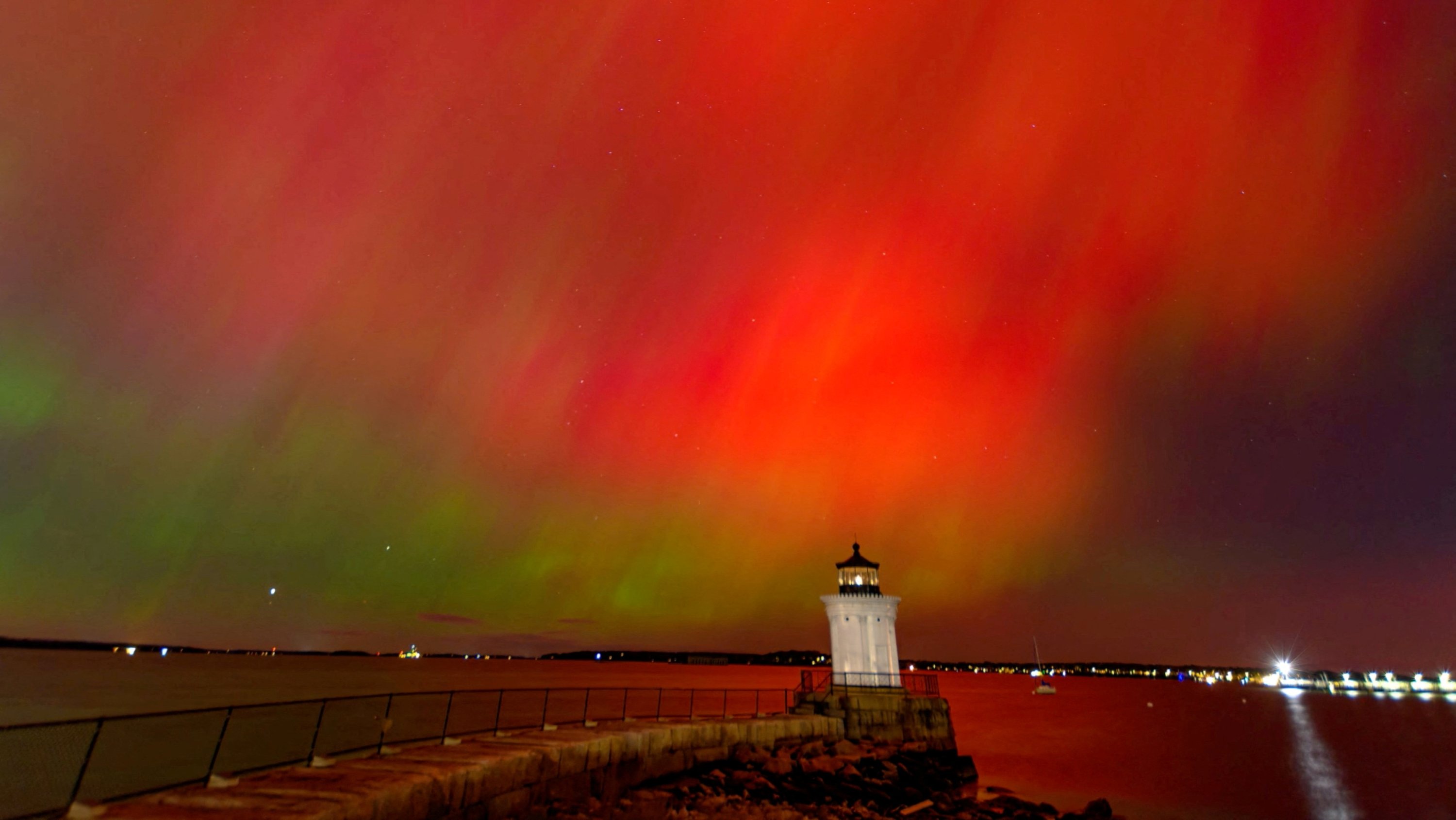
The northern lights, also known as aurora borealis, light up the sky in Portland, Maine, U.S., Oct. 10, 2024. (Reuters Photo)
by Deutsche Presse-Agentur - dpa Oct 17, 2024 11:43 am
Edited By Ayşe Sena Aykın

U.S. space agency NASA on Tuesday said that the sun has reached its solar maximum period, which could continue for another year, leading to opportunities to spot auroras over the next several months.

NASA researchers explained that the current solar maximum, which began around two years ago, may still have more time to run, but final confirmation will depend on further analysis of the data collected so far. This phase usually lasts about three to four years, scientists said.

Solar activity follows an 11-year cycle, fluctuating between periods of calm and heightened activity. During a solar maximum, increased solar flares and coronal mass ejections (CMEs) lead to a surge in geomagnetic storms, often resulting in stunning displays of northern lights or auroras.

"This announcement doesn't mean that this is the peak of solar activity we'll see this solar cycle," said Elsayed Talaat, director of space weather operations at the National Oceanic and Atmospheric Administration (NOAA). "While the sun has reached the solar maximum period, the month that solar activity peaks on the sun will not be identified for months or years."

In recent days, bright red and green auroras were visible across various regions, including Germany, the United States, Britain and even as far south as the Mediterranean region.

These natural light shows occur when charged particles from CMEs interact with the Earth's magnetic field, triggering geomagnetic storms that light up the sky.

Although the likelihood of witnessing these colourful lights is greatest during peak solar activity, NASA scientists said that auroras can still be observed as the solar cycle wanes.


  • shortlink copied
  • Last Update: Oct 17, 2024 2:43 pm
    KEYWORDS
    nasa space agency solar power sun aurora
    The Daily Sabah Newsletter
    Keep up to date with what’s happening in Turkey, it’s region and the world.
    You can unsubscribe at any time. By signing up you are agreeing to our Terms of Use and Privacy Policy. This site is protected by reCAPTCHA and the Google Privacy Policy and Terms of Service apply.
    No Image
    Charcoal production in Turkey's northwestern province Edirne
    PHOTOGALLERY
    • POLITICS
    • Diplomacy
    • Legislation
    • War On Terror
    • EU Affairs
    • News Analysis
    • TÜRKİYE
    • Istanbul
    • Education
    • Investigations
    • Minorities
    • Diaspora
    • World
    • Mid-East
    • Europe
    • Americas
    • Asia Pacific
    • Africa
    • Syrian Crisis
    • İslamophobia
    • Business
    • Automotive
    • Economy
    • Energy
    • Finance
    • Tourism
    • Tech
    • Defense
    • Transportation
    • News Analysis
    • Lifestyle
    • Health
    • Environment
    • Travel
    • Food
    • Fashion
    • Science
    • Religion
    • History
    • Feature
    • Expat Corner
    • Arts
    • Cinema
    • Music
    • Events
    • Portrait
    • Performing Arts
    • Reviews
    • Sports
    • Football
    • Basketball
    • Motorsports
    • Tennis
    • Opinion
    • Columns
    • Op-Ed
    • Reader's Corner
    • Editorial
    • Photo gallery
    • DS TV
    • Jobs
    • privacy
    • about us
    • contact us
    • RSS
    © Turkuvaz Haberleşme ve Yayıncılık 2021