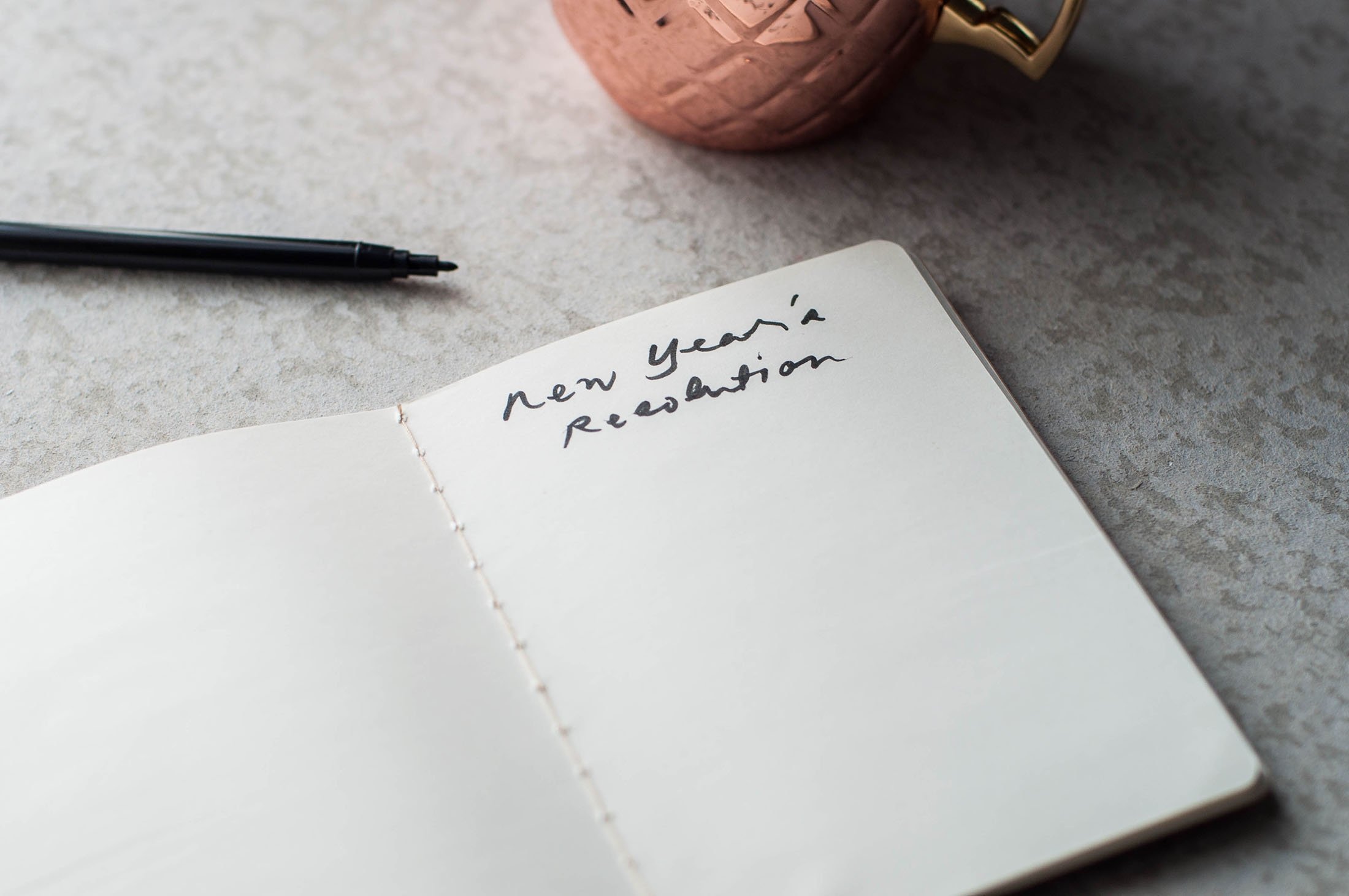
We all have goals we want to achieve in our lives, and when a new year rolls around, many of us make promises to ourselves that we will begin making progress on them. However, setting New Year’s Resolutions is an excellent opportunity to commit to creating new habits to reach your goal or end old patterns that no longer serve you. Either way, keeping your resolutions means creating new habits that will stick.
As a personal development geek, I have done research on what has been prescribed as the best methods to make sure you stick to those promises you make to yourself this year! So, here are ten tips to realize your resolutions.
This means deciding exactly what you want and how you will do it. In other words, what are the daily, weekly and monthly habits you will be incorporating to reach your goal? If you are trying to quit something, it also benefits from having healthy habits as substitutions.
It is essential to write down your resolutions to make your intentions more permanent and visible. Having a resolutions journal and writing down the personal reasons behind why you want to achieve your goals is helpful for always keeping these thoughts at the forefront of your mind. Think of who and how it will benefit, and then figure out how you will achieve it by preparing a roadmap.
No matter how grand your New Year’s resolutions may be, it is best to break them down into bite-sized and achievable tasks. We all want to make significant changes, which is done through consistency. So be realistic by ensuring that what you have set out for yourself is achievable and enjoyable, and create milestones along the way.
The only way you will get something you want to be done is to spend the time doing it. To do so, it is best to schedule the time to make progress. If you wish to do something daily towards your goal, weekly or whatnot, planning the time as you would any other essential obligations is an excellent strategy to remain committed to your resolutions.
Telling others your intentions, or even better, having an accountability buddy to possibly share the actual change with, or at least the personal experiences you are having, is a great motivator to stick to the new habits you want to shape. In addition, writing your goals down or preparing a vision board for what you wish to place somewhere constantly visible is another way to continually remind yourself of the intentions you set at the beginning of the year.
As the adage goes, “You can’t improve what you don’t measure.’ So have a system to track your progress for a visible reference of your success. This alone serves as an excellent way to motivate oneself to check off a task achieved and to see a “chain-link” of checkmarks. But it also allows for understanding the circumstances of when and how you succeed best and optimizing accordingly.
Most goals and resolutions are the same and tend to be the main target, but enjoying the process of getting there should be just as if not more important. Have your mindset focus on the momentum rather than the end goal, and celebrate yourself for each step you take. Set mini-milestones of achievement along the way, and use every opportunity to celebrate your success. No matter how large or small you decide to reward yourself, acknowledge your success in sticking to the path, you have chosen.
If, for some reason, you find you have lost motivation and are not as consistent as you hoped to be in making progress on your goals, then set aside some time to understand why your inspiration wavered. Problem-solve the factors that could have contributed to your loss of drive and find ways to create a new pattern for progress. See if you can’t find win-win situations or double up on good habits or experiences.
You can also reward yourself for failing to stick to a resolution by having a reset routine to boost you back on track. If you find you are burnt out or overwhelmed by the new way, take a conscious break from it. Do something good for yourself and relax to return to your progress-driven schedule rejuvenated.
The only way to achieve something is to do it, and in most cases, that means repeatedly. If something is challenging initially, it will become more accessible in time and consistency rather than skill being more critical in making personal progress. The momentum you push on something will get you to your goal while building your confidence. This means that you get to feel good about what you are achieving every single time you do it!