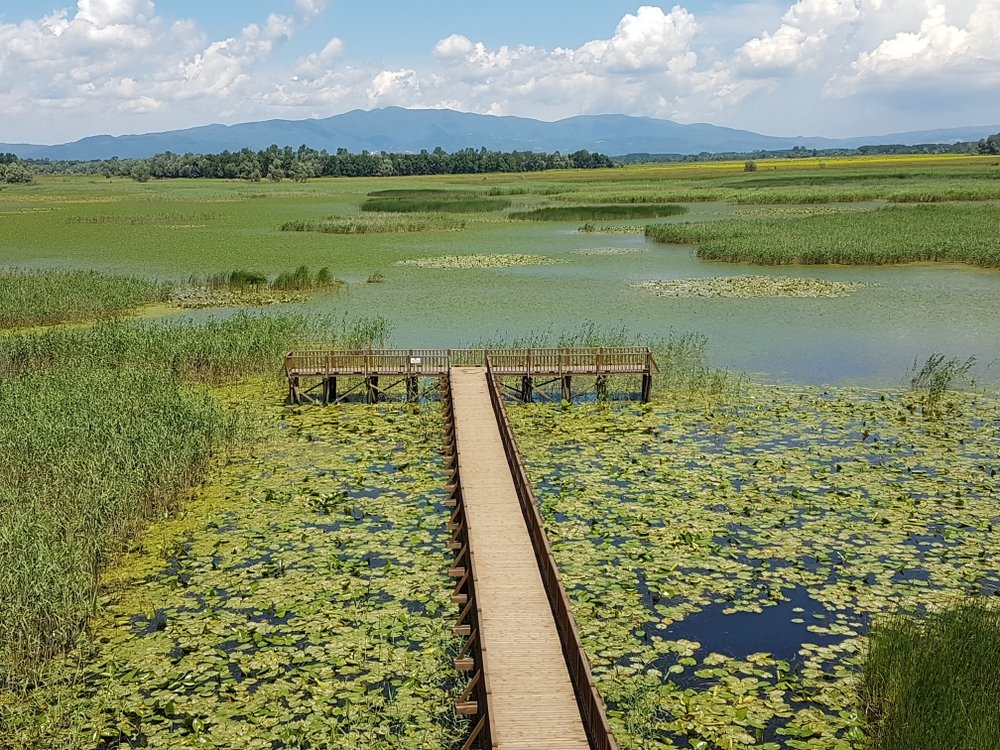
Located in the western Black Sea region of Türkiye, Düzce stands out as a city that beautifully intertwines rich cultural heritage with breathtaking natural landscapes. Offering visitors an immersive experience of history and nature, Düzce is a year-round destination boasting a diverse range of attractions.
With roots tracing back to the 1390s B.C., the area now known as Düzce gained prominence during the Roman and Byzantine periods. The city’s historical richness is evident in sites like the ancient city of Konuralp and its proximity to natural wonders such as Efteni Lake, various plateaus and waterfalls. These features create a dynamic route for exploration across all seasons.
After rapid development during the Republican era, Düzce attained provincial status. The city was devastated by the 1999 earthquake but has since been rebuilt with an identity that harmonizes with nature.
Samandere Waterfall Nature Monument
Located about 26 kilometers (16 miles) from the city center, Samandere Waterfall Nature Monument is one of Türkiye’s first officially registered natural monuments. Protected since 1988 by the General Directorate of Forestry, the site draws visitors with its unique geological formations, rich plant life and stunning water features. Covering approximately 10 hectares, the monument is defined by three main formations: a large waterfall, a natural bridge and the “witch’s cauldron.” The waterfall cascading between rocks creates a spectacular scene, especially vibrant with seasonal greenery, making it a favorite spot for nature photographers. The valley also features walking trails, viewing terraces and picnic areas.
Güzeldere Falls Nature Park
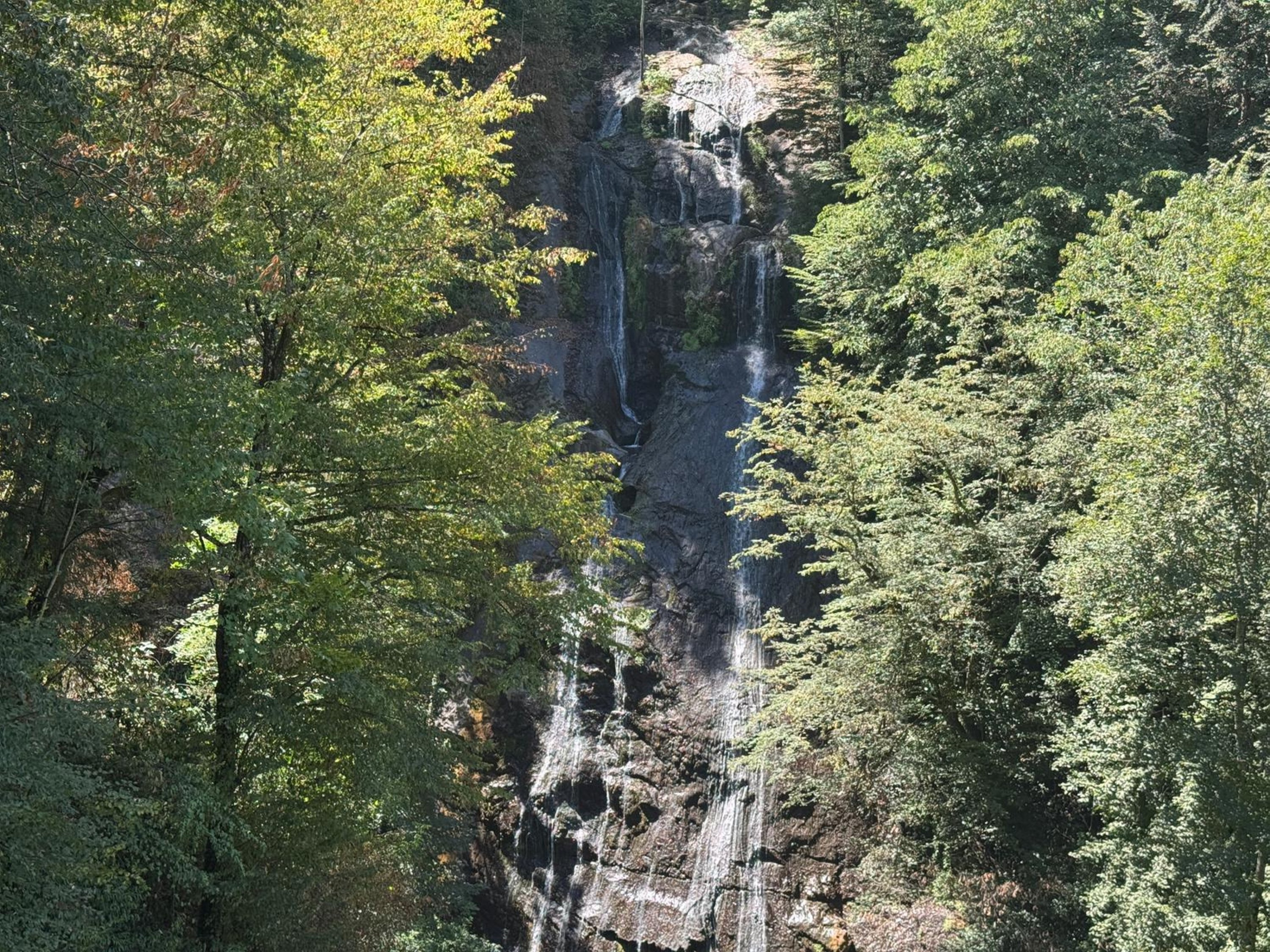
Situated south of the popular Efteni Lake, Güzeldere Waterfall Nature Park is among Düzce’s most visited natural sites. The waterfall plunges from a height of around 135 meters (440 feet), ranking it among Türkiye’s tallest. Designated as a nature park in 1993, it spans 23 hectares. The park has become increasingly popular with photographers, campers and outdoor sports enthusiasts, especially during spring and summer.
Efteni Lake
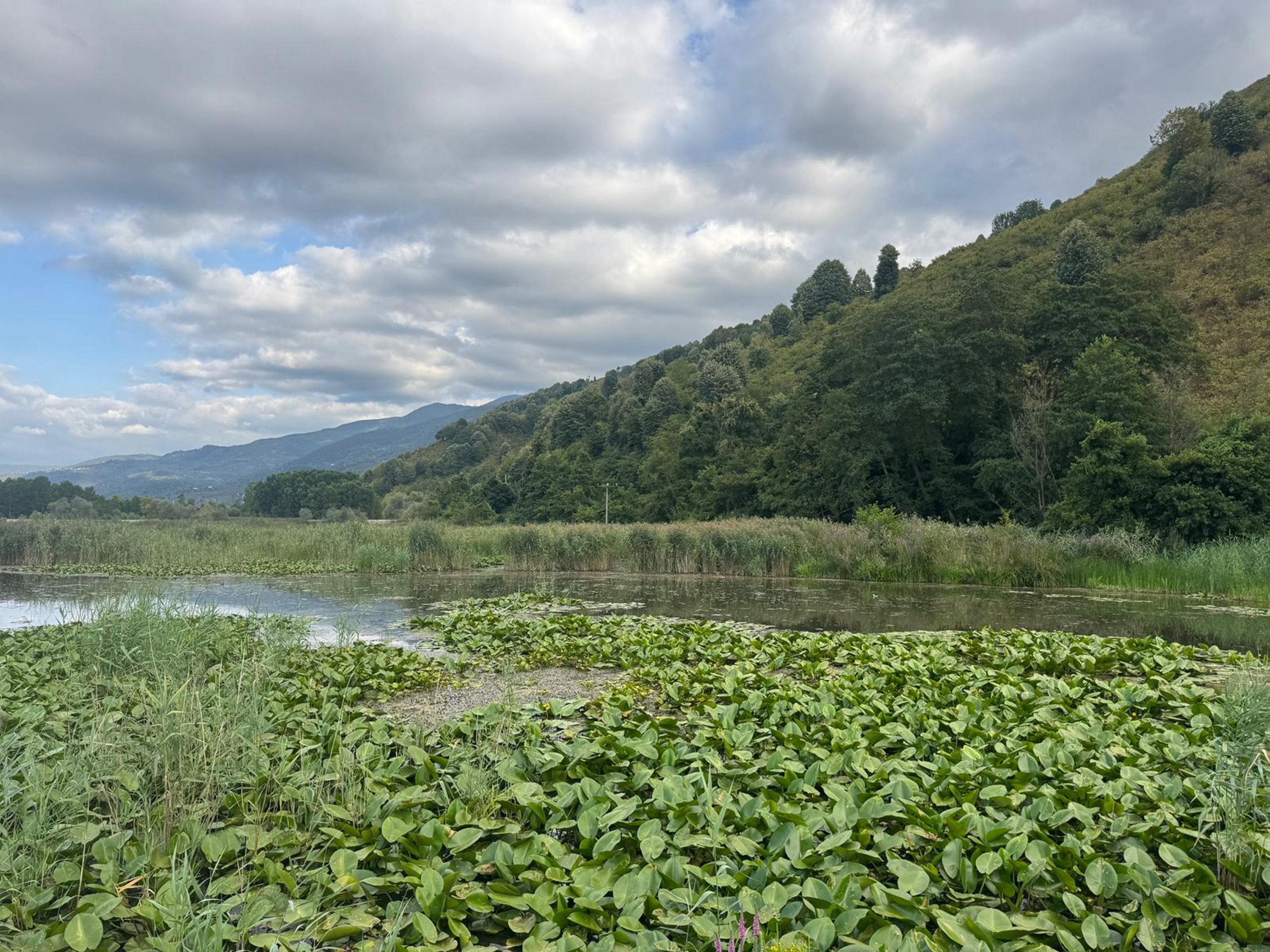
Efteni Lake and its surrounding area serve as a rare stopover for migratory birds due to their rich plant life and water resources. The ecosystem includes reed beds, open water surfaces, swamps and mudflats, creating diverse habitats for approximately 150 bird species. Visitors can often spot storks, wild ducks, white herons, redshanks and swans. The lake is an ideal location for birdwatching and nature photography.
Balıklı Plateau
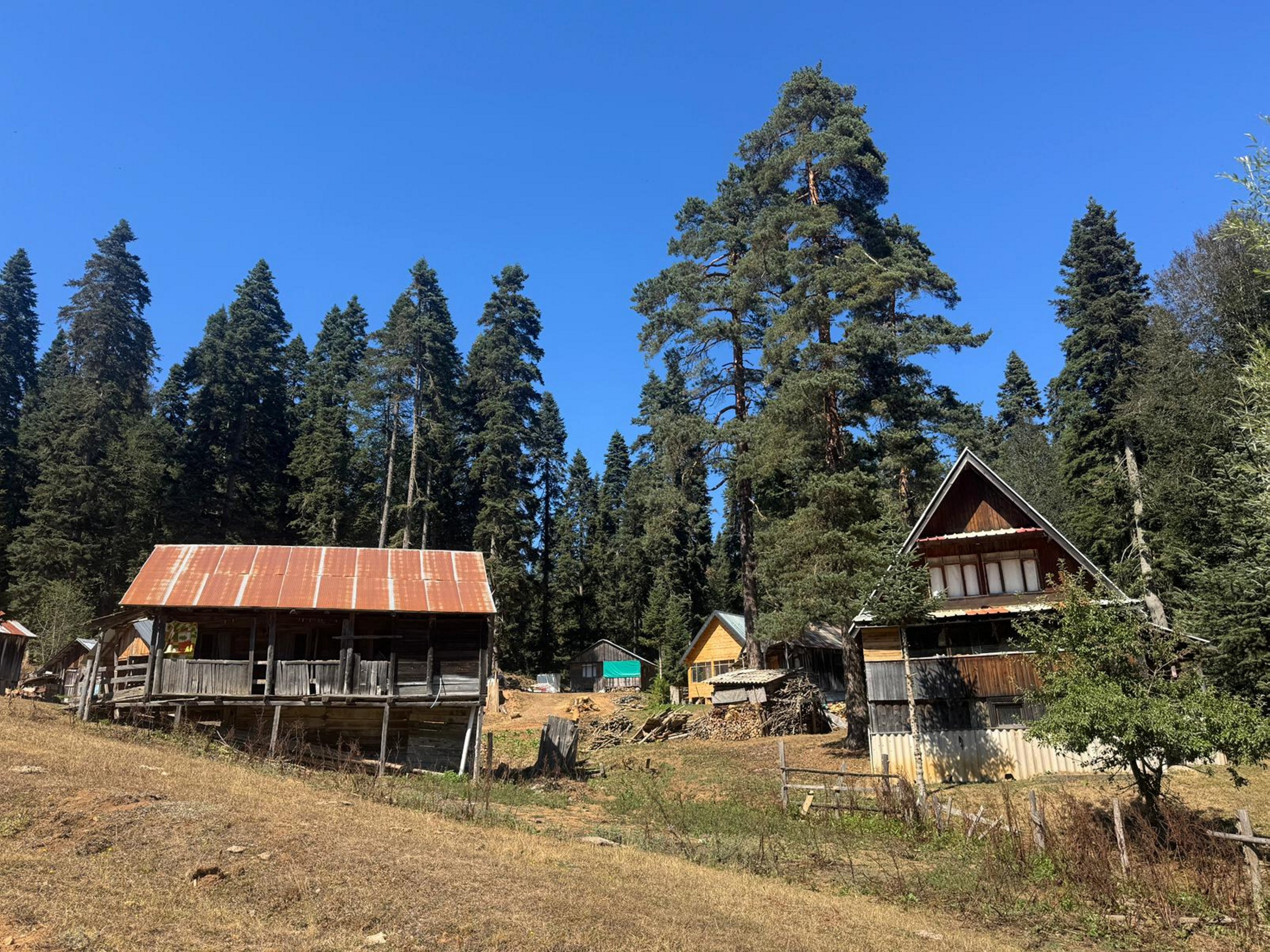
Located within the Kaynaşlı district, about 38 kilometers from the city center, Balıklı Plateau is one of Düzce’s premier high-altitude natural areas. Sitting at around 1,400 meters in elevation and surrounded by dense forests, it attracts visitors throughout the year. Named after a natural pool filled with fish at its center, the plateau offers a tranquil atmosphere and cool climate, making it a hot spot for campers, caravan enthusiasts and photographers during the summer months. The plateau also hosts traditional summer festivals featuring local cuisine, folk dances and cultural events, making it a significant cultural and natural attraction. It connects with other nearby plateaus such as Pürenli, Topuk and Kardüz, contributing to regional tourism.
Akçakoca Central Mosque
Akçakoca Central Mosque blends traditional Turkish and contemporary architectural elements. Its distinctive roof, inspired by the Turkish otağ (nomadic tent), is supported by octagonal corners reminiscent of Seljuk architecture, replacing the typical single-roof design.
Akçakoca Genoese Castle
Dating back to the Roman and Byzantine eras, Akçakoca Genoese Castle is both an archaeological and a natural protected site. Listed on UNESCO’s World Heritage Tentative List, the castle is surrounded by two beaches with private sandy shores. Visitors enjoy its lush greenery, sea views and fjord-like natural formations.
Historic houses of Akçakoca
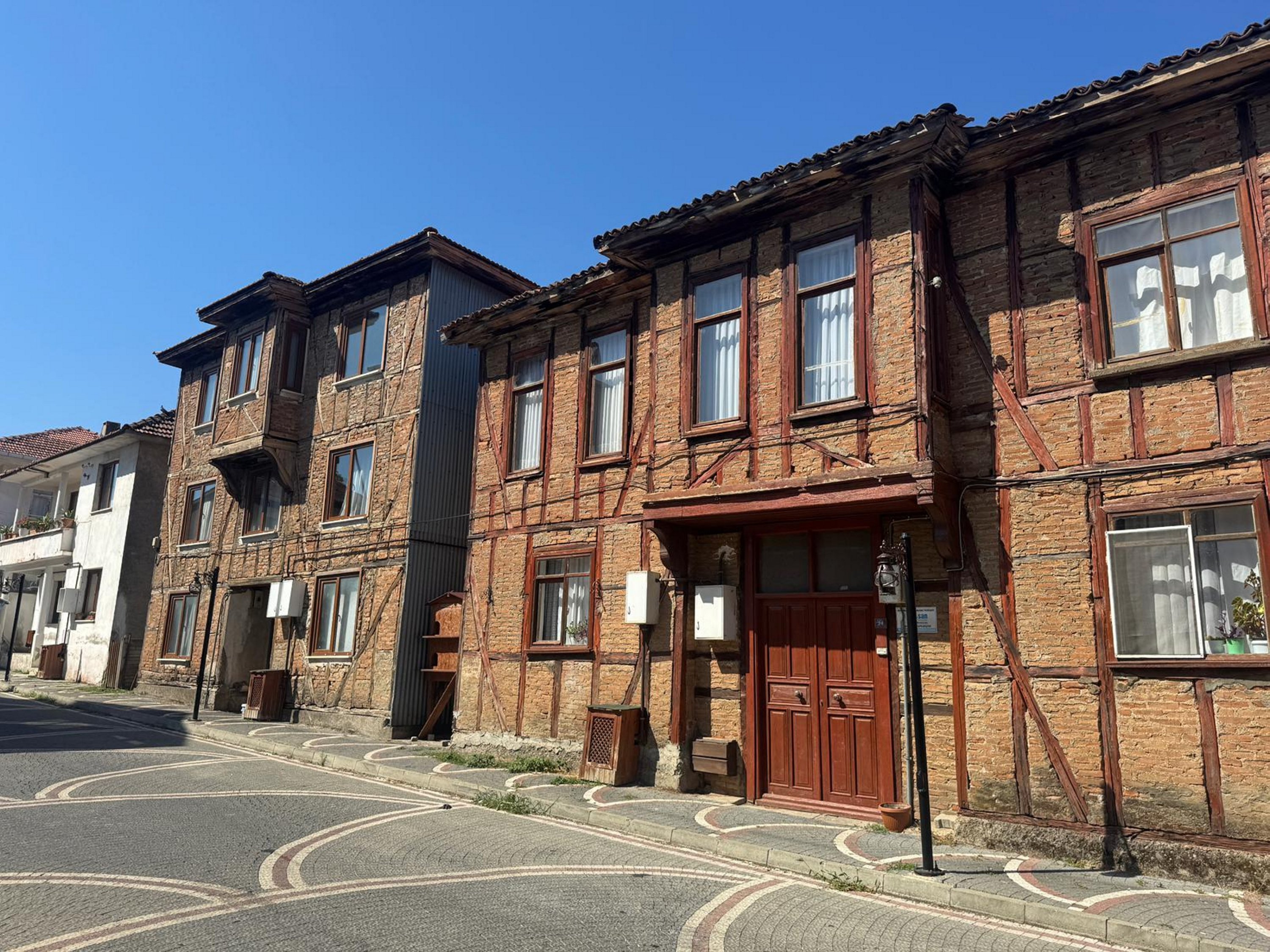
Akçakoca and its villages feature remarkable examples of civil architecture. The historic houses, some 150-200 years old, showcase varied architectural styles reflecting their construction periods. Most are located in Yukarı Mahallesi, one of the city’s oldest neighborhoods. Among these, the Mehmet Arif Bey Mansion stands out with its 28 rooms. The Akçakoca Local Market in Yukarı Mahallesi offers handmade wooden crafts, traditional textiles, ceramics and regional delicacies such as spinach pide, Melengüçek dessert, hazelnut paste, chestnut honey and jams.
Hemşin Mosque
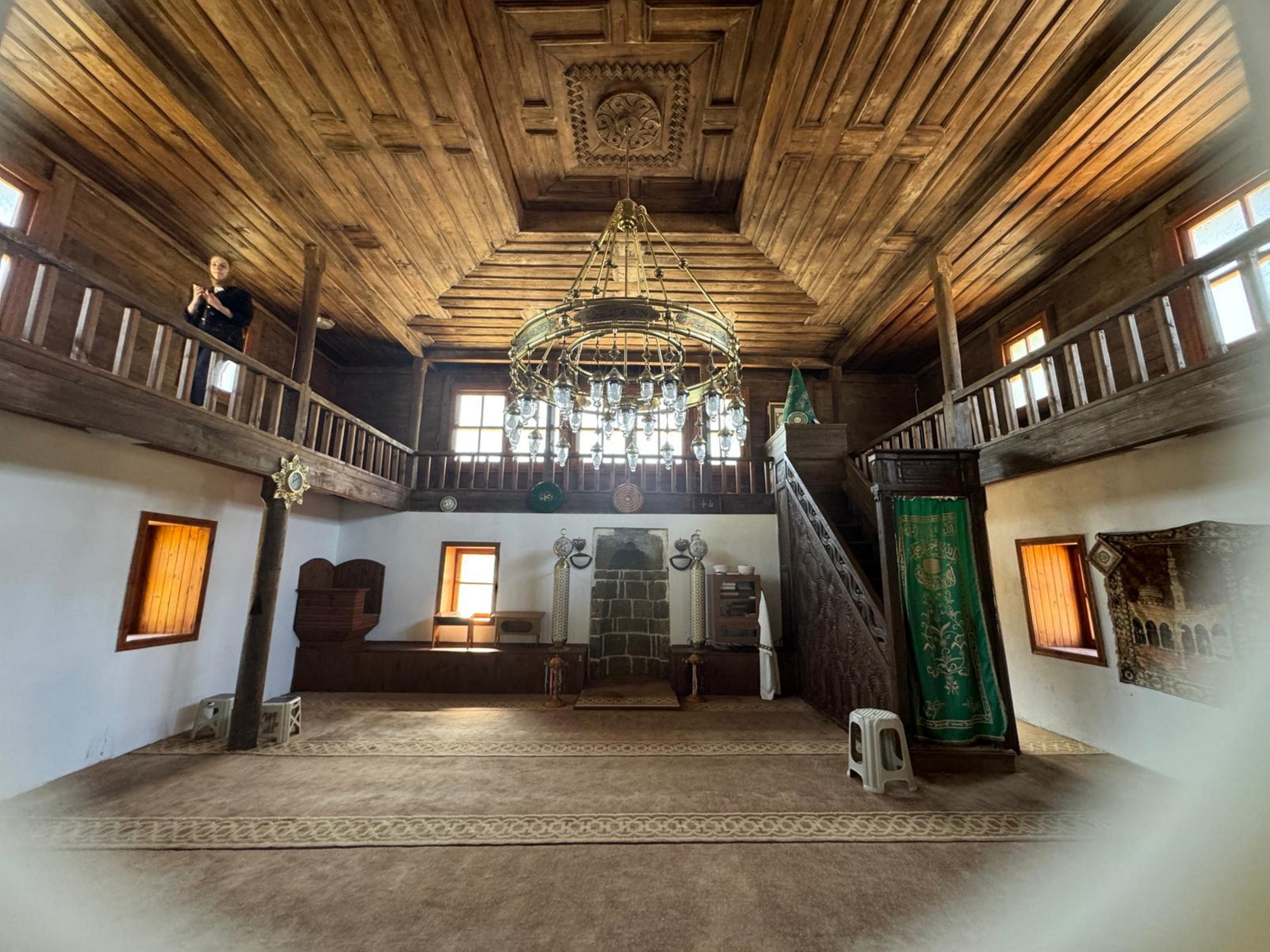
Situated in Akçakoca, Hemşin Mosque is a prime example of the “çantı” construction technique (a nail-free building method). Built in 1877 by Hemshin immigrants from Artvin after the Ottoman-Russian War, the mosque features stonework on its first floor and the çantı technique on the second. The wooden minaret, intricate ceiling details, mihrab and minbar highlight its architectural beauty.
Prusias ad Hypium
A significant Roman settlement, Prusias ad Hypium offers a rich historical experience through its theater, city walls and columned streets. Ongoing excavations since 2003, led by Düzce University’s Archaeology Department, have uncovered remarkable artifacts now displayed at the Konuralp Museum. The ancient city, located in the Konuralp neighborhood, dates back to the third century B.C. Significant structures such as aqueducts, baths, bridges and the theater were built between the first century B.C. and A.D. second century. The theater, seating about 5,000 spectators, features typical Roman architectural elements and advanced engineering techniques, earning it the nickname “the Ephesus of the western Black Sea.”
Sarıkaya Cave
Approximately 11 kilometers from the Yığılca district center and 35 kilometers from the Düzce city center, Sarıkaya Cave captivates nature lovers with its geological features and scenic beauty. The 717-meter-long cave consists of active and fossil sections.
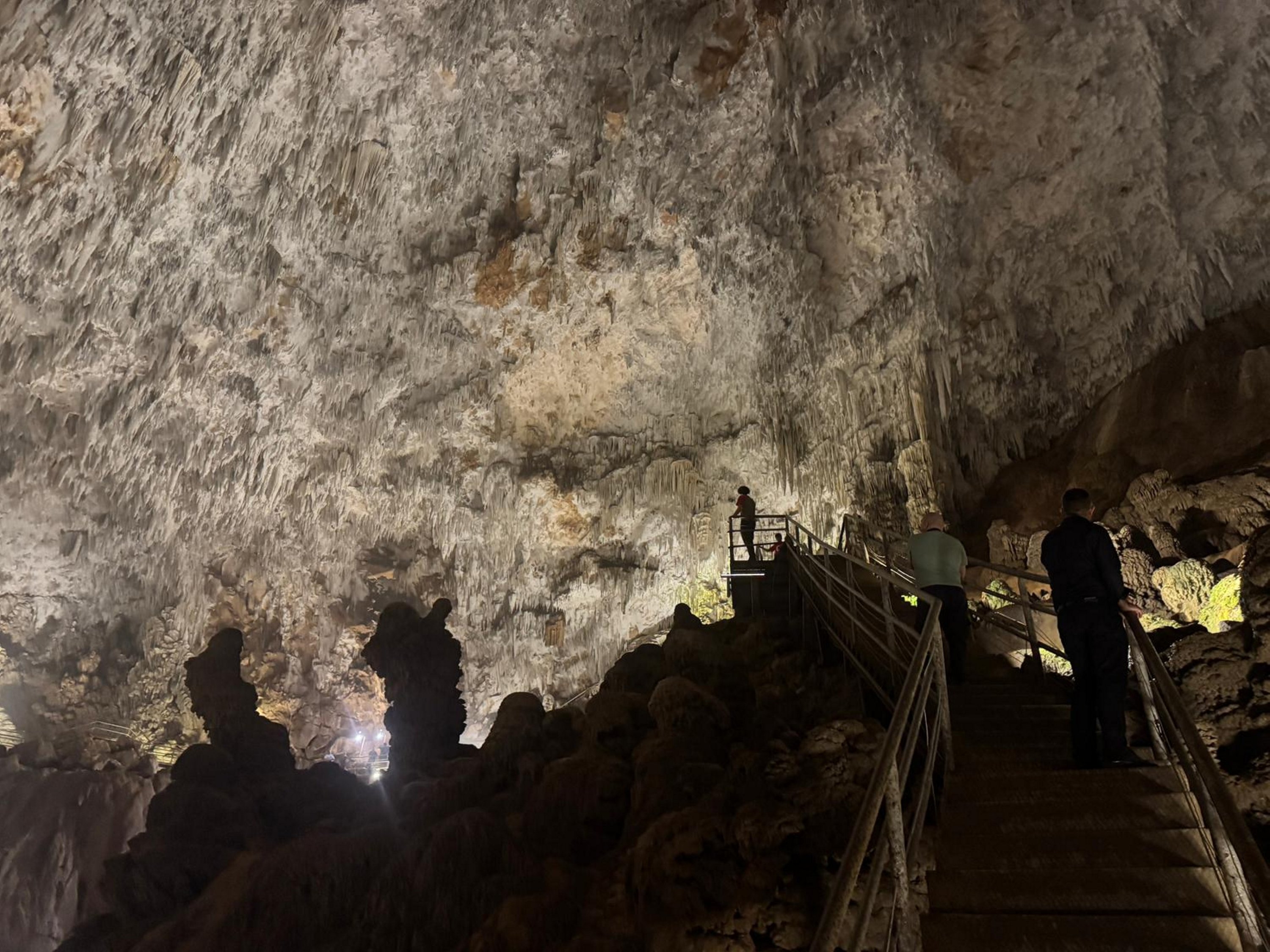
A small stream inside has sculpted impressive stalactites, stalagmites, columns and dripstone pools. Registered as a natural heritage site, the cave is open for guided visits year-round, with walking and discovery tours held during summer. It forms part of Düzce’s cave tourism triangle alongside Fakıllı and Aksu caves.