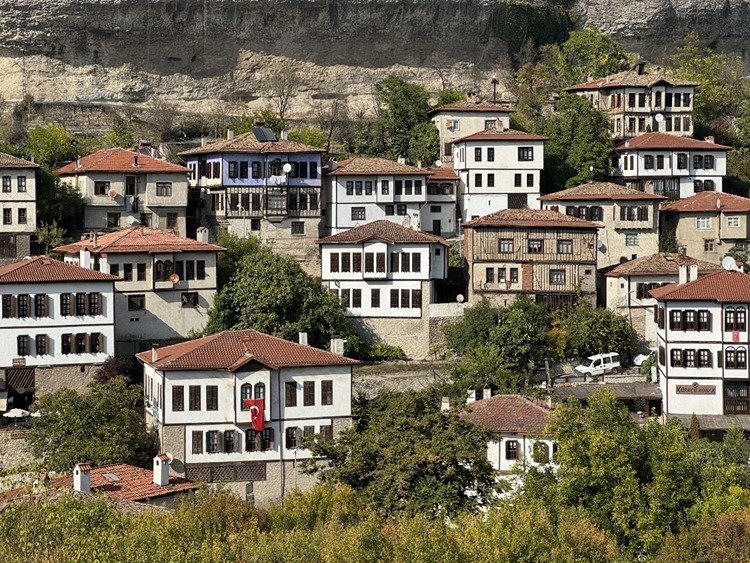
Karabük, a province in northwestern Türkiye, stands out on travel itineraries thanks to the golden hue of saffron, the strength of iron and the magic of nature. Its Safranbolu district offers visitors a journey that intertwines history and natural beauty, with Ottoman heritage, scenic highlands, canyons and traditional handicrafts.
Safranbolu, home to inns, baths, mosques and mansions from the Ottoman era, has been recognized as a UNESCO World Heritage Site. The district is often called “the city where time stands still” due to its remarkably preserved historic architecture.

Renowned historian and author, professor Ilber Ortaylı, has described Safranbolu as “Türkiye’s Italy.” Every October, the district celebrates the saffron flower – used for centuries in medicine, cosmetics and gastronomy and giving Safranbolu its name – through the Saffron Festival. The festival features saffron harvesting events, local culinary showcases, exhibitions and cultural activities that highlight Safranbolu’s traditions, cultural heritage and natural beauty.
Located just 8 kilometers (4.97 miles) north of Karabük’s provincial center, Safranbolu has been under preservation since 1975 and on the UNESCO list since 1994. Hıdırlık Hill, offering panoramic views of the city, features historic terraces and tombs and was once a site for Ottoman ceremonies, rain prayers and Hıdırellez celebrations. It was also the first settlement area for Turks arriving in Safranbolu.
Visitors can explore Safranbolu’s vibrant marketplaces and historical streets, including:
Yemeniciler Arastası (Shoemakers Bazaar): Known for handmade leather shoes (yemeni) and leather goods.
Demirciler Çarşısı (Blacksmiths’ Bazaar): Preserving traditional blacksmithing.
Sipahioğlu Arastası: Offers copper and wood crafts, local souvenirs, and artisanal products.
Kazdağlı Square: Featuring local delicacies like saffron and Turkish delight, along with boutique cafes and restaurants.

Built in the late 18th century, the three-story mansion belonged to Hacı Mehmet Efendi, a high-ranking Ottoman official. Now a museum, it showcases traditional Safranbolu life, including clothing, kitchenware and woodcraft, giving visitors insight into the daily life and architectural style of the era.
Constructed by Grand Vizier Köprülü Mehmet Pasha in 1661–1662, the mosque features a courtyard sundial set on a stone base and protected by iron bars. Its Arabic numeral dial marks the hours of the day, reflecting Ottoman craftsmanship.
Approximately 11 kilometers from Safranbolu, Yörük Village preserves traditional Turkish village life and architecture. Its stone-and-wood Ottoman-era mansions earned it protection from the Ministry of Culture and Tourism in 1997. The village contains 93 registered historic structures and has attracted artists, writers, and journalists who have restored Ottoman homes.
Notable figures with roots in Yörük Village include opera singer Leyla Gencer, her relative fashion designer Cemil İpekçi, and the grandmother of prominent Turkish broadcaster Gülgün Feyman.
Hadrianopolis in Eskipazar, founded in the first century B.C., became a religious and commercial center during Roman and Byzantine times. Excavations have revealed mosaics, especially those depicting birds and deer, among the best-preserved examples of early Christian art in Anatolia. The site also features a theater, baths, city walls, aqueducts and vaulted structures.

Ersin Çelikbaş, head of excavations and a lecturer at Karabük University, noted that Hadrianopolis is one of the rare Anatolian cities where nature and history converge. Archaeological work began with rescue digs in 2003 and full scientific excavations in 2006, uncovering insights about settlements in the Western Black Sea region, historically called Paphlagonia.
Şeker (Sugar) Canyon, in Yenice district, stretches about 6.5 kilometers with steep cliffs, rich flora and the clear waters of the Şeker Brook. Part of the Yenice Forest ecosystem, it is among Europe’s most biodiverse regions and offers trails for hiking, camping, photography, and nature observation.
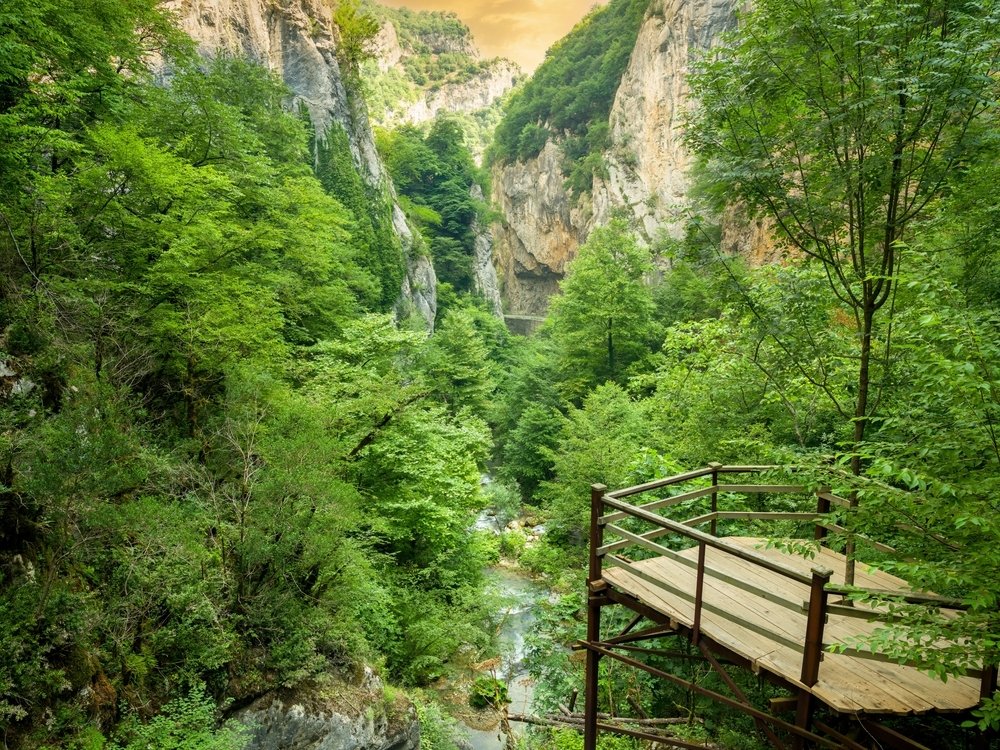
Ihlamur Terrace, also in Yenice, provides sweeping views of valleys, forests and canyons, named after the linden trees surrounding it. Recent developments include walking paths, viewing platforms, a cafeteria and a plant museum, offering educational opportunities for students, researchers, and nature photographers.