Türkiye’s place in the yachting industry extends beyond its coastline. The country builds vessels for international buyers, maintains a network of marinas and shipyards, and draws visitors to sailing destinations along the Aegean and Mediterranean. Bringing these elements closer together could open a further avenue for growth in both tourism and maritime services.
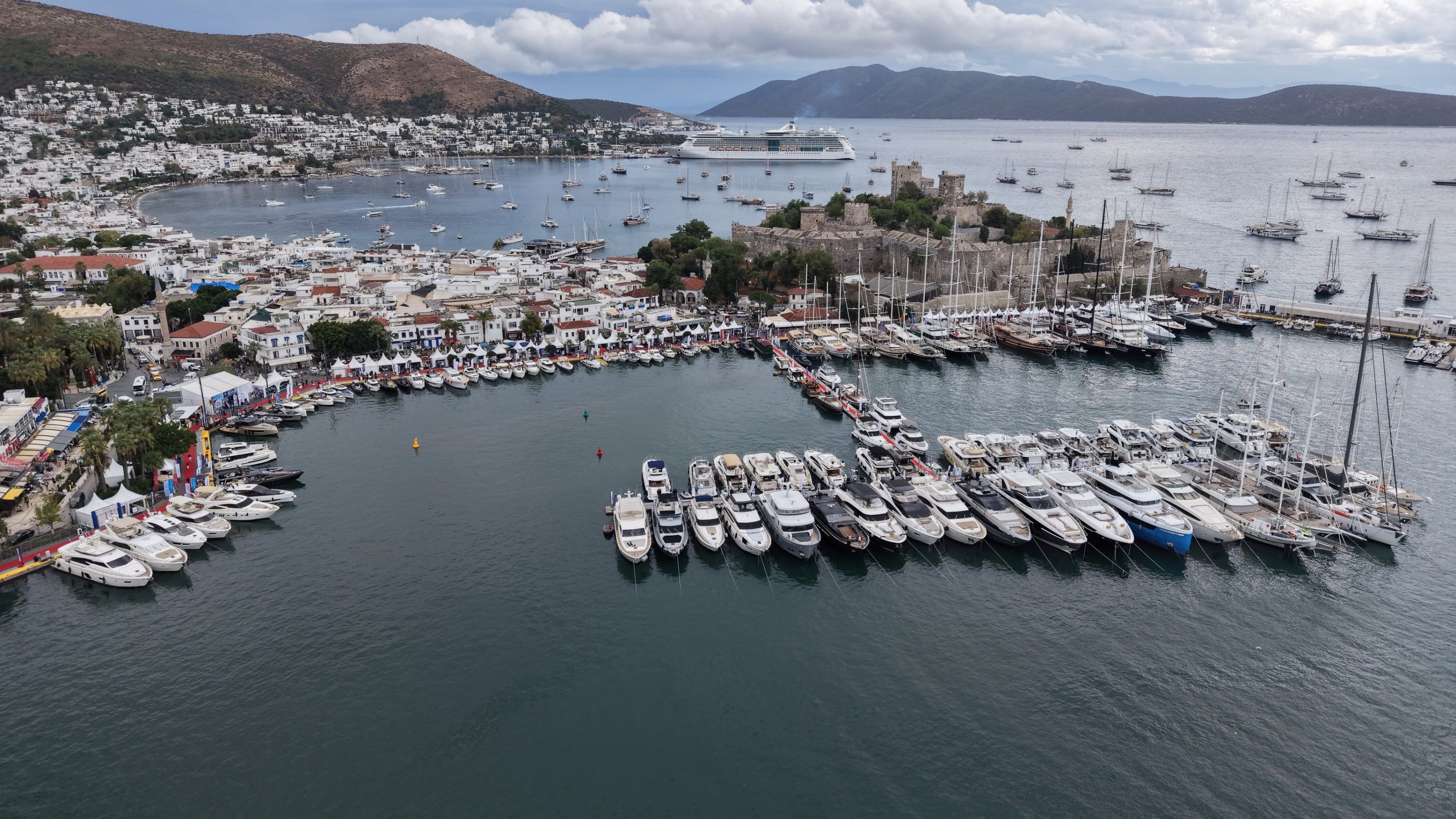
The opportunity was on display at the Bodrum Boat Show, held from Oct. 14 to 18, as boatbuilders, brokers and prospective buyers gathered in a town long associated with sailing holidays and traditional wooden gulets. The event offered a glimpse of an industry that links Türkiye’s established maritime traditions with a modern manufacturing sector and an international market for yacht ownership and chartering.
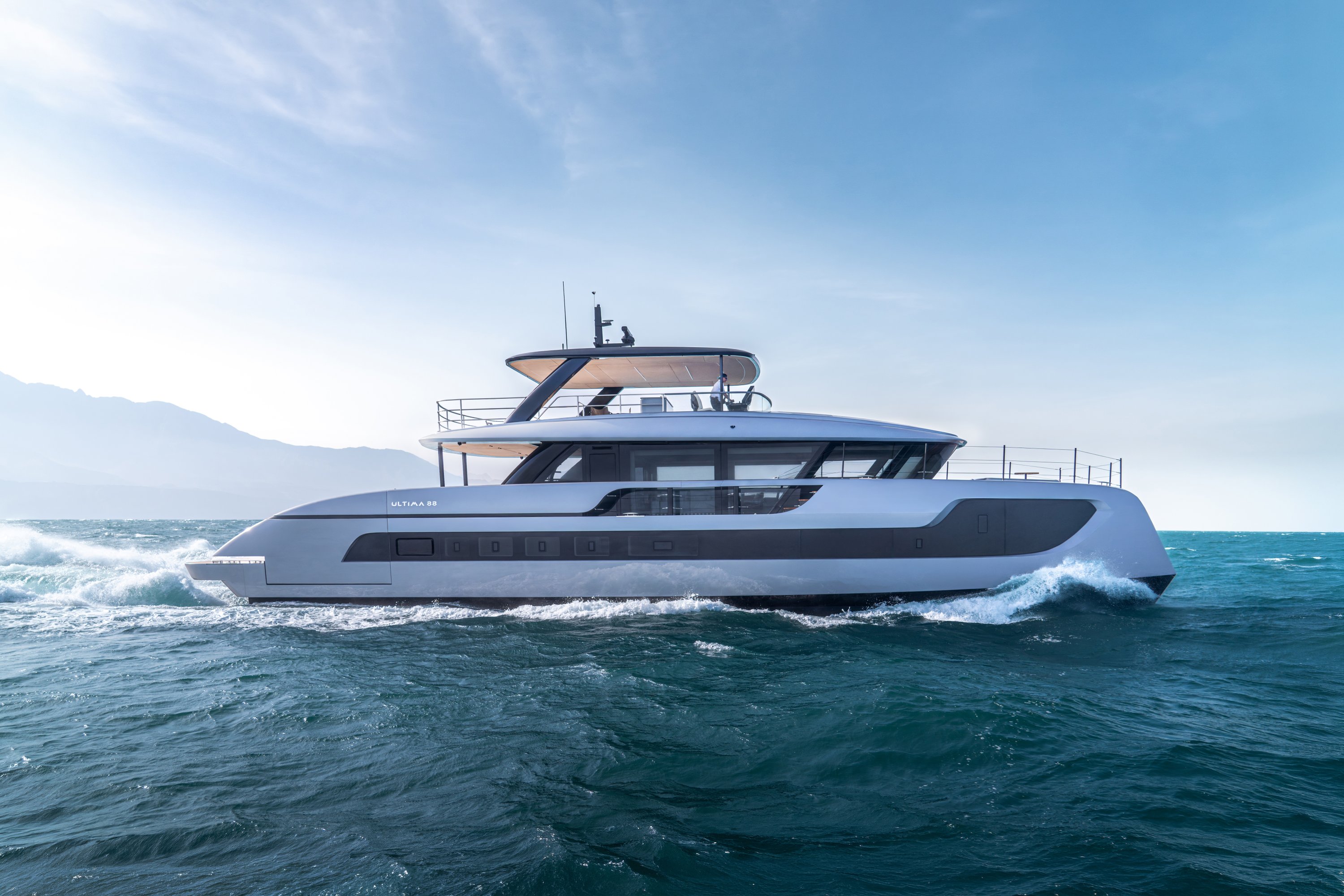
For Beril Hasdemir, regional manager of Sunreef Yachts, which specializes in customized luxury catamarans, demand is also shaped by changing ideas about how people spend time on the water.
“People want more space on the sea,” she said. Some customers view a yacht as more than a leisure purchase, she added. “Wherever you park, you have a home.” Some of the company’s international customers live aboard their boats, treating them as mobile residences rather than occasional holiday retreats.
While this remains a specialized market, it illustrates the range of activity that yachting can generate, from charter holidays and marina services to maintenance and provisioning. For Türkiye, the opportunity is to capture a larger share of that activity by connecting its manufacturing capabilities with its appeal as a destination.
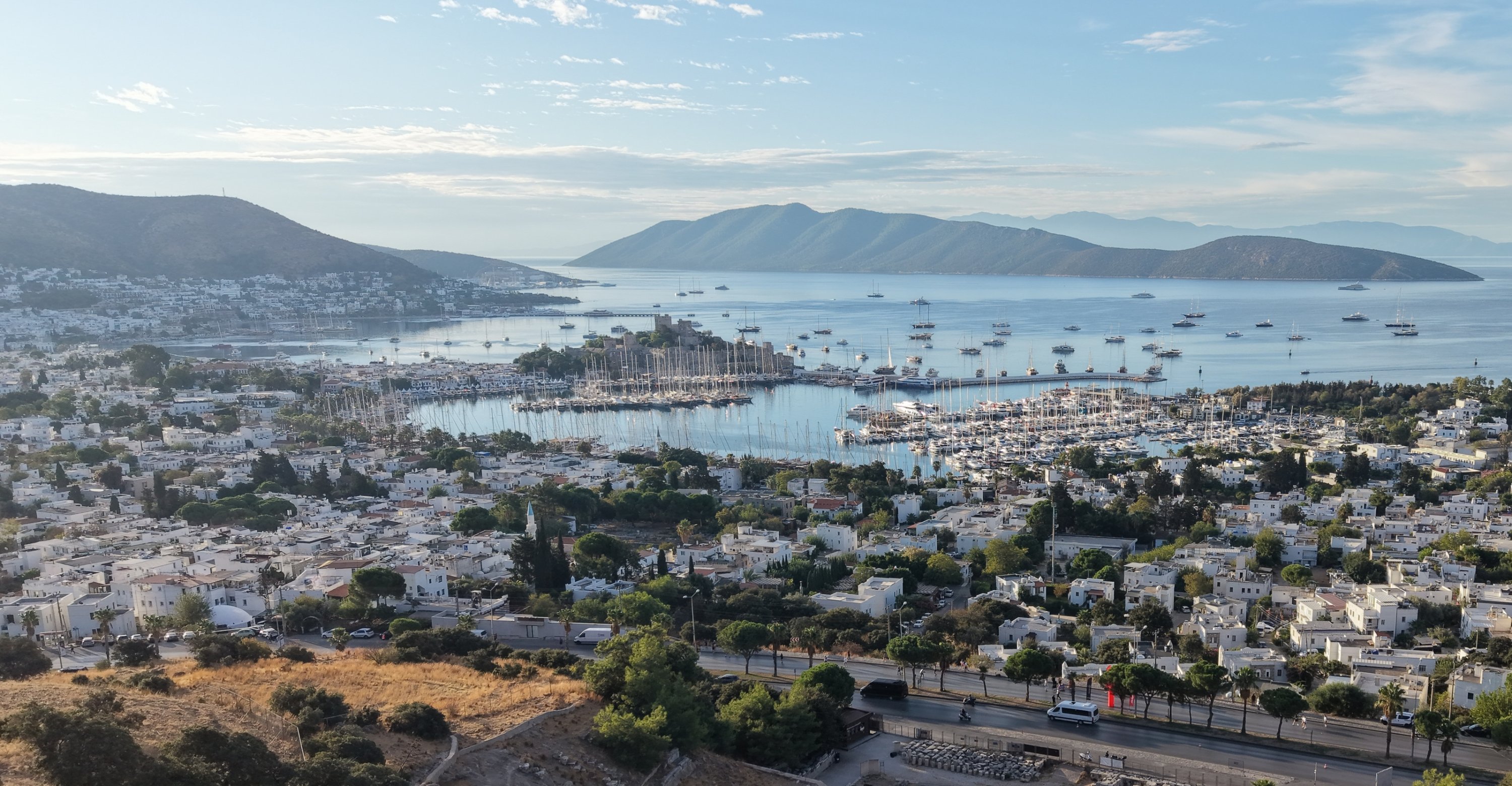
Türkiye’s western and southern coastlines offer a network of ports, sheltered bays and sailing routes linking destinations such as Bodrum, Datça, Marmaris, Göcek, Fethiye, Kaş and Antalya. Bodrum, with its established blue-cruise tradition and proximity to the Greek islands, is well placed to serve as a gateway to the eastern Aegean.
Yet the country’s position in yachting is not based on tourism alone. According to a 2024 yacht-market report, Türkiye ranked second globally in superyacht production, behind Italy. The report put exports of yachts, boats and vessels at $442.4 million in 2024, an increase of 8.52% from the previous year.
That industrial base creates opportunities beyond the sale of vessels. Maintenance, repair, refitting, equipment supply and brokerage can all benefit when more yachts are based in the country. Charter operations can provide another link, bringing visitors to Turkish ports while creating demand for local businesses.
Hasdemir said Sunreef’s charter department receives inquiries from customers interested in Türkiye, although the company does not currently have a charter vessel based in the country. She said she would like to see a local fleet established.
Her experience offers one indication of potential interest, rather than a measure of the market as a whole. Still, the connection between yacht production and tourism is worth considering: A country that builds vessels for international customers can also seek to attract their owners and charter clients to its own marinas.
The economic effects of yachting can extend beyond the marina. Visitors traveling between ports may use restaurants, shops and local services in several coastal communities, while vessel owners and charter operators create demand for skilled workers and specialist suppliers.
Hasdemir said Türkiye could raise its international profile by promoting maritime tourism alongside its established tourism campaigns. She also pointed to the value of coordination among public institutions responsible for tourism, transport, trade and taxation.
The opportunity is not confined to luxury yachts. Charter holidays, sailing schools and smaller boats offer ways to experience the coast without the expense of ownership. Hasdemir said she sees growing interest among Turkish customers, including some who might previously have chosen a hotel holiday.
A broader range of boating experiences could help diversify coastal tourism and bring more visitors into contact with the businesses and communities that support it. For destinations such as Bodrum, the ambition is to complement the traditional holiday season with activity connected to yacht services, sailing and maritime events.
That development also depends on preserving the coastline itself. Waste management, responsible anchoring and protection of marine habitats will remain important as boating activity expands. Hasdemir said some of Sunreef’s catamarans use electric motors, solar panels and battery systems to reduce reliance on conventional engines or generators in certain conditions. Such technologies can help limit some environmental impacts, alongside effective oversight of vessels and marina facilities.
The Bodrum Boat Show provided a platform for bringing manufacturers, buyers and maritime businesses together. Its longer-term contribution will depend on the commercial relationships it helps establish and the extent to which those connections continue beyond the event.
Türkiye already has two important components of a larger yachting economy: the capacity to build vessels for international markets and a coastline that attracts visitors from abroad. Developing closer links between the two could help extend the value of each, giving yacht manufacturing, tourism and maritime services a more connected role in the country’s coastal economy, Hasdemir said.