The western Turkish province of Manisa, the third-largest city in the Aegean region by population and economic size, blends deep historical roots with a vibrant cultural heritage that continues to shape daily life. Known in antiquity as Sypylos, the city has been home to successive civilizations, from the Lydians to the Romans, Byzantines and Ottomans.
Manisa’s history stretches back to antiquity. The region, known as Sypylos in early records, flourished under the Lydian Kingdom and later became an important urban center during the Roman and Byzantine periods. Located along major trade and political routes, it developed as a strategic hub linking Anatolia to the wider Mediterranean world.
During the 14th century, Manisa served as the capital of the Saruhanids, founded by Saruhan Bey in 1313. Its most prominent era came under Ottoman rule, when it became a key training ground for imperial princes between 1437 and 1595. Sixteen Ottoman princes, including future sultans such as Murad II, Mehmed the Conqueror, Suleiman the Magnificent, Selim II, Murad III, Mehmed III, and Mustafa I, governed the province as part of their administrative training.
These princes and their entourages left behind a lasting legacy of charitable works, including mosques, madrassas, inns, baths, fountains, bridges, hospitals and libraries that still shape the city’s architectural landscape.
One of Manisa’s most important archaeological treasures is the ancient city of Sardes, once the capital of the Lydian Kingdom. Often credited as one of the earliest places where coinage was invented, Sardes lies at the foothills of the Gediz Plain and preserves layers of Greek, Roman and Byzantine history.
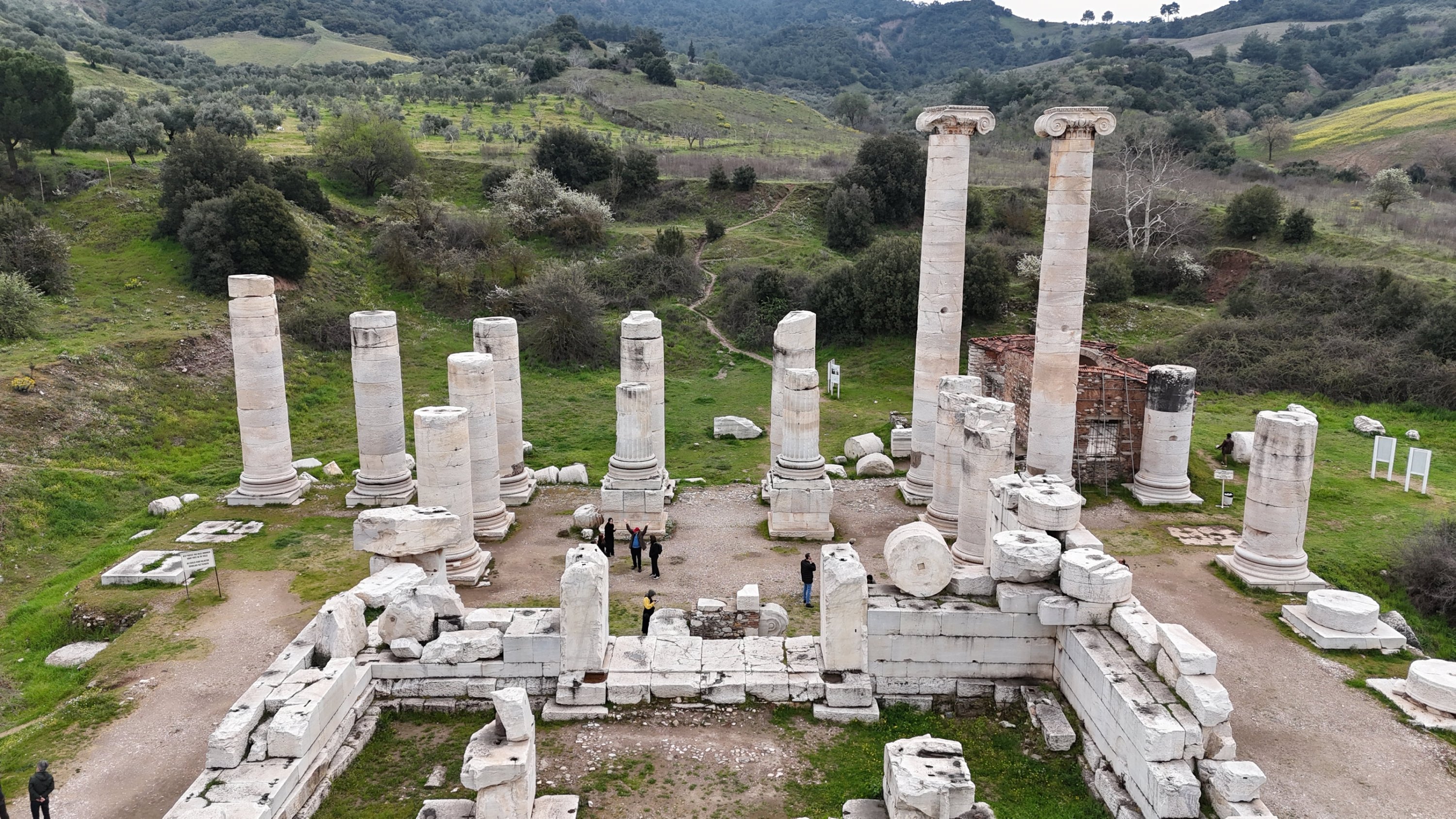
The city’s monumental structures include the Temple of Artemis, regarded as one of the largest and most impressive temples in Anatolia. Originally begun in the third century B.C. and later used during the Roman period, its massive surviving columns reflect its architectural scale and significance.
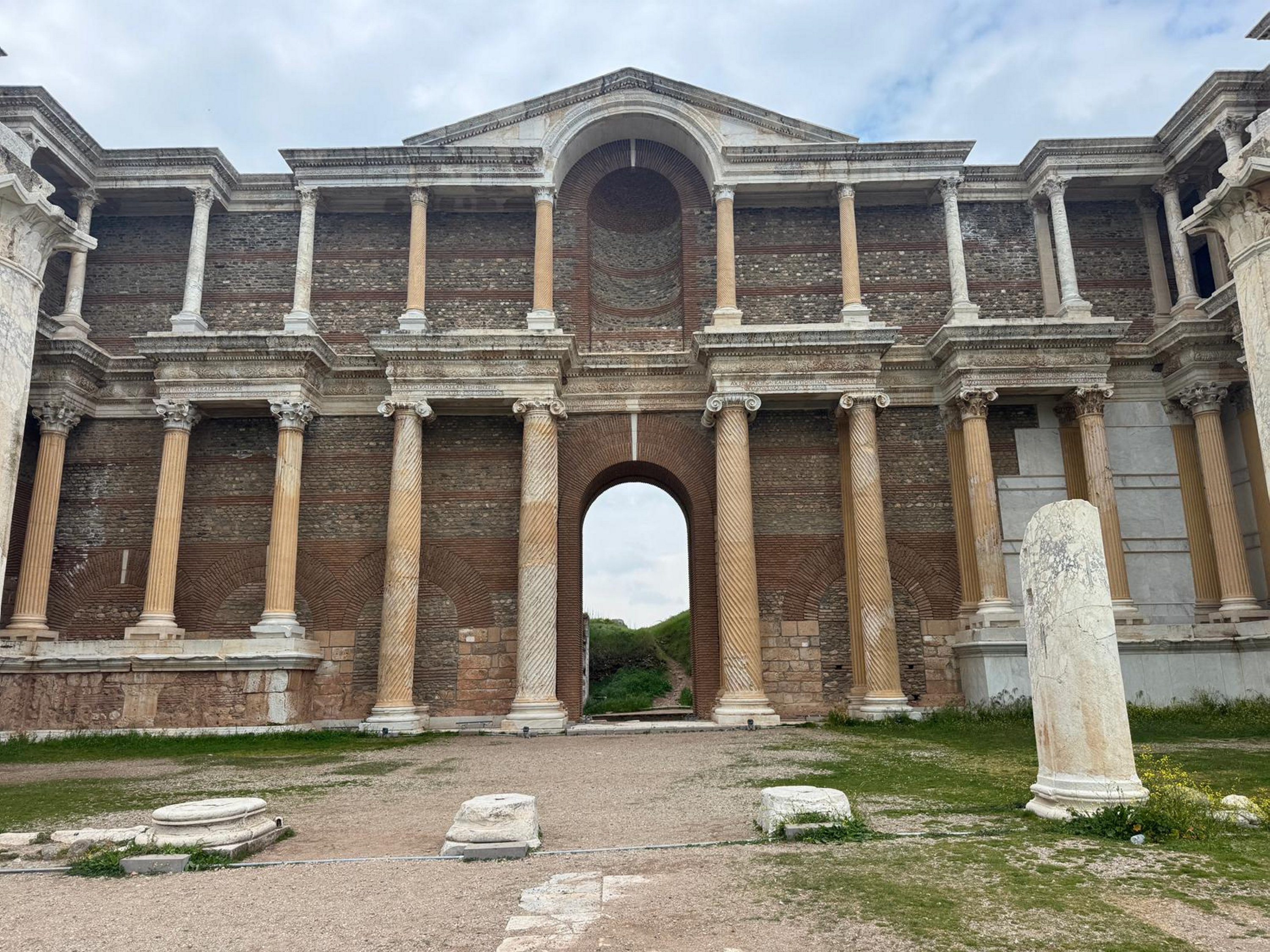
Another major discovery is the Sardes Synagogue, considered one of the largest ancient synagogues in the world. Dating to the A.D. third century, it features mosaic floors, marble decorations and Hebrew inscriptions, highlighting the presence and prosperity of the Jewish community in Roman-era Sardes. The synagogue was part of a larger complex that included a gymnasium and bathhouse, illustrating the city’s multicultural structure.
Archaeological excavations, ongoing since 1958, have also revealed sections of Lydian fortifications, palace remains and evidence linked to King Croesus and conflicts with the Persian Empire. Researchers have uncovered what are believed to be some of the earliest silver coins in the world, underscoring Lydia’s economic innovation and influence.
Near Sardes lies the vast burial landscape of the Tumuli of Bin Tepe, part of the Gediz Plain near Salihli. Known as the royal necropolis of Lydia, the area contains hundreds of burial mounds dating to the seventh and sixth centuries B.C.
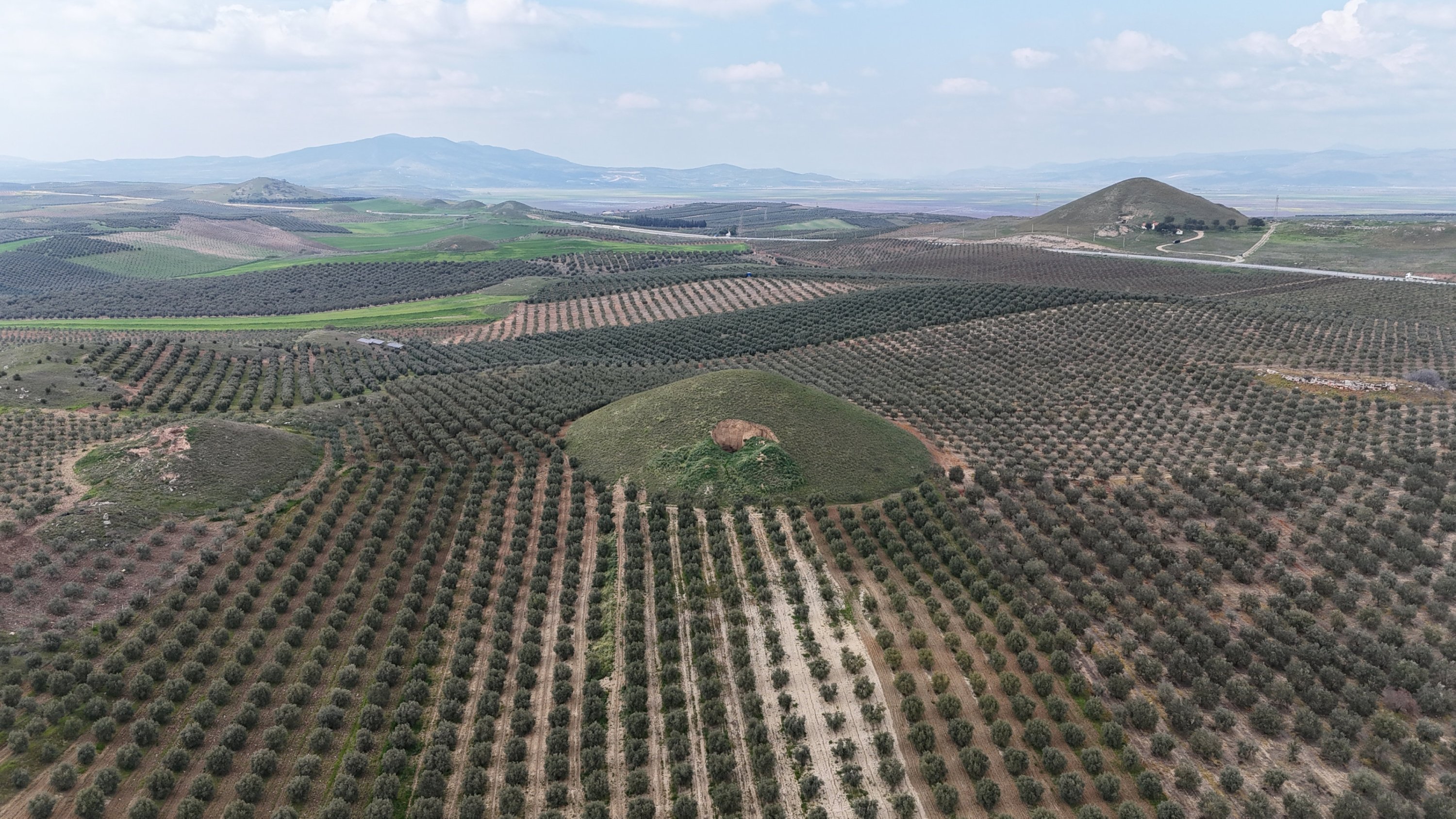
The largest of these, attributed to King Alyattes, measures roughly 355 meters (1,165 feet) in diameter and rises more than 60 meters high. European travelers once called the site “the pyramids of Anatolia.” These monumental earth mounds reflect the wealth and burial traditions of the Lydian elite, built on a scale that mirrors their social status.
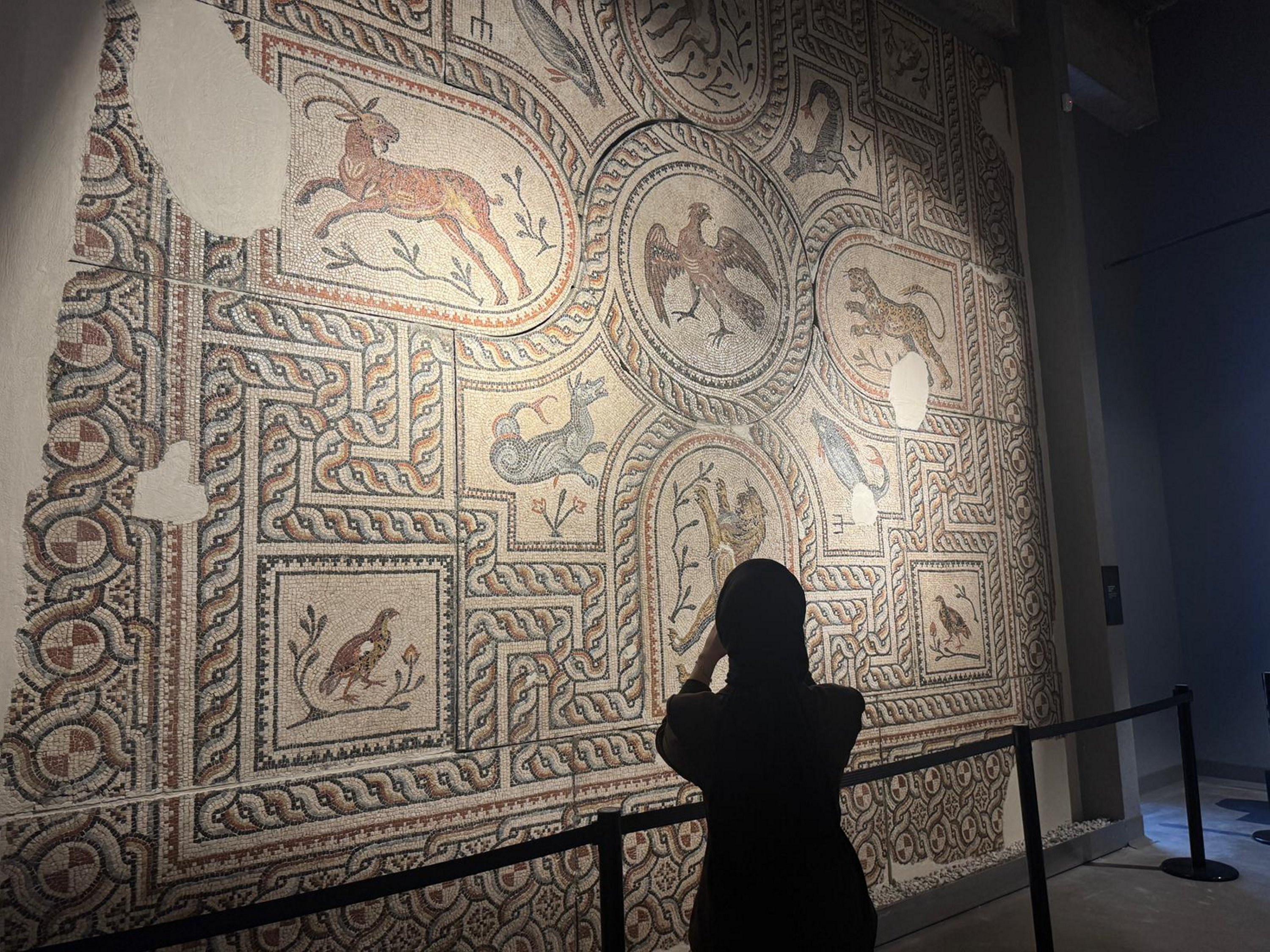
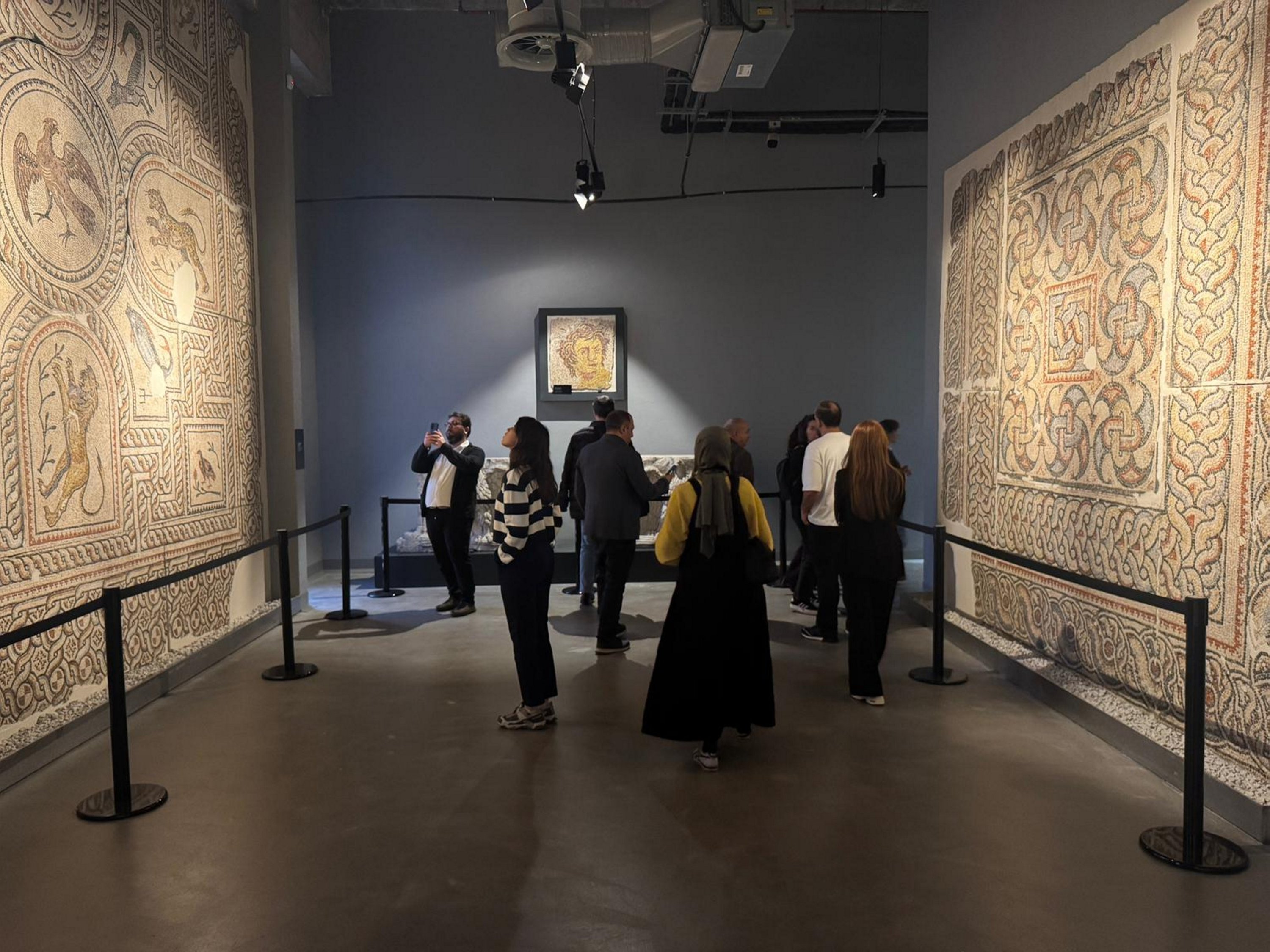
Artifacts from Sardes and Bintepeler are housed in the Manisa Museum. The museum displays objects spanning from the Bronze Age to the Byzantine period, including sculptures, architectural fragments, mosaics, glassware, ivory items and everyday pottery.
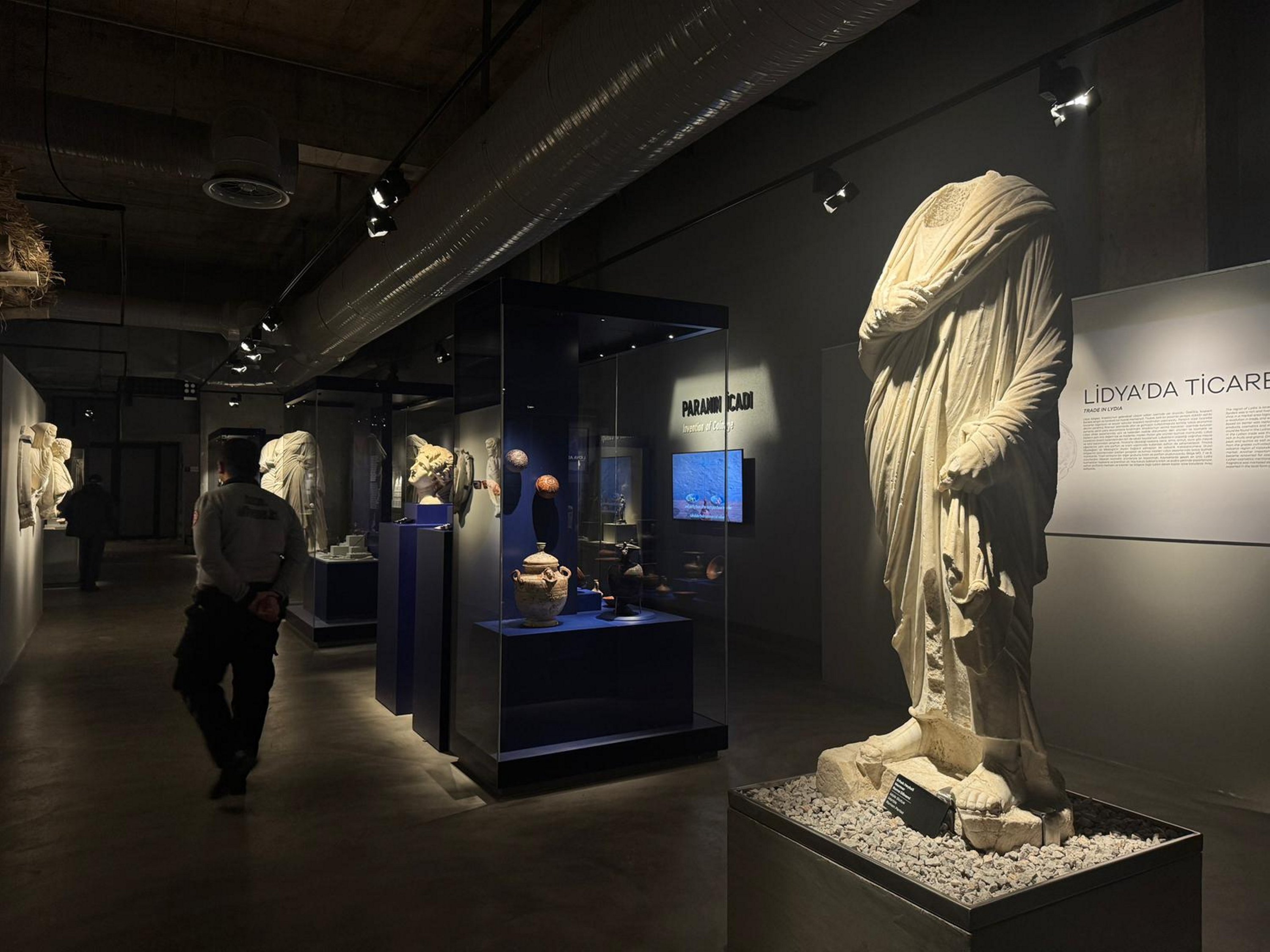
Finds from the tumuli – such as sarcophagi, grave steles and burial goods – provide key insights into Lydian royal customs and funerary traditions.
Manisa is also home to the Kula-Salihli UNESCO Global Geopark, Türkiye’s first and only UNESCO-certified geopark. Covering about 300 square kilometers (115 square miles), the area features volcanic cones, basalt columns, lava fields and fairy-chimney-like formations known as Kula Fairy Chimneys.
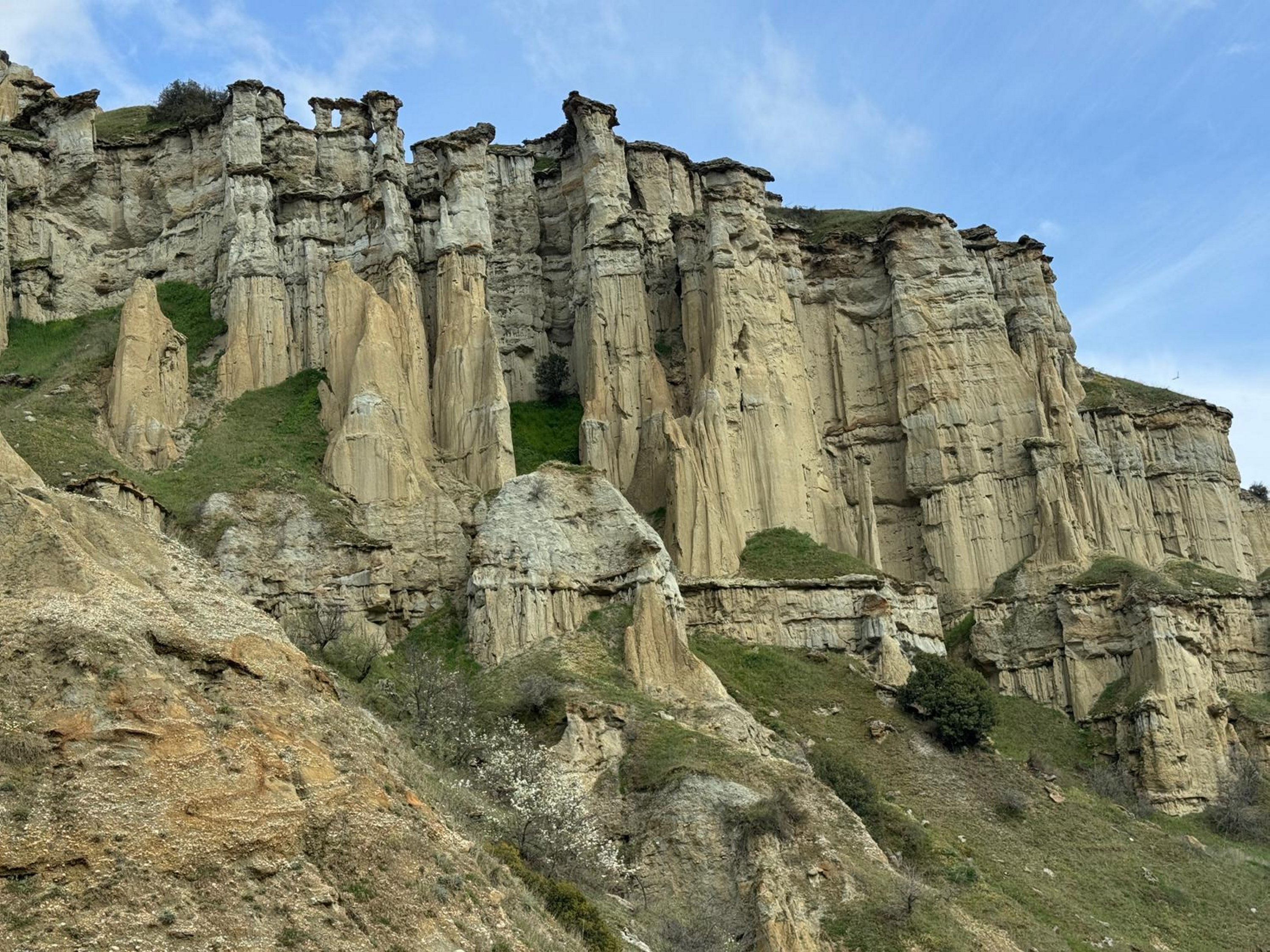
Ancient geographer Strabo referred to the region as “Katakekaumene,” meaning “Burnt Land,” due to its volcanic terrain. The area has been geologically active for millions of years, with the last eruption occurring around 4,700 years ago. It also preserves prehistoric human footprints, adding to its scientific significance.
The district of Kula preserves some of the best examples of Ottoman-era civil architecture in western Anatolia. The Kula Houses, dating mostly to the 18th and 19th centuries, feature timber frames with mudbrick infill, bay windows and narrow streets that reflect traditional urban life and craftsmanship.
In the city center, historic Ottoman structures such as Yeni Han and Kurşunlu Han continue to serve modern cultural and artisanal functions. The Muradiye Mosque complex, associated with Mimar Sinan’s school of architecture, and the grand Sultan Mosque complex built under Ayşe Hafsa Sultan, mother of Suleiman the Magnificent, remain major landmarks.
One of Manisa’s most distinctive cultural events is the Mesir Macunu (Paste) Festival, which traces its origins to a 16th-century healing paste prepared for Hafsa Sultan using 41 herbs and spices. The tradition evolved into a public distribution ceremony and later into a large-scale festival.
Recognized in 2012 on UNESCO’s Intangible Cultural Heritage list, the festival attracts tens of thousands of participants each year. During the celebration, mesir paste is scattered from the minarets of the Sultan Mosque, drawing crowds who gather to catch it as part of a centuries-old ritual believed to bring health and good fortune.
This year marks the 486th edition of the festival, scheduled for April 22-26, with the final distribution taking place on April 26.