Perched on steep hillsides where lush forests meet the Black Sea, the northern Turkish city of Giresun is emerging as a destination for travelers seeking nature, outdoor experiences and cultural heritage.
Home to numerous civilizations since antiquity, Giresun takes its name from the cherry cultivation that flourished in the region during ancient times. Today, the city offers visitors a different atmosphere in every season, combining scenic landscapes, historical landmarks and regional cuisine.
Located within easy reach of both Trabzon Airport and Ordu-Giresun Airport, Giresun is about a 45-minute drive from Ordu and roughly 90 minutes from Trabzon.
Among the city's most popular attractions are Giresun Castle, Giresun Island – the only inhabited island in the eastern Black Sea, the Zeytinlik historic district, the highland plateaus of Kulakkaya, Kümbet and Bektaş, Kuzalan Falls, Mavigöl (Blue Lake) and the Göksu Travertines.
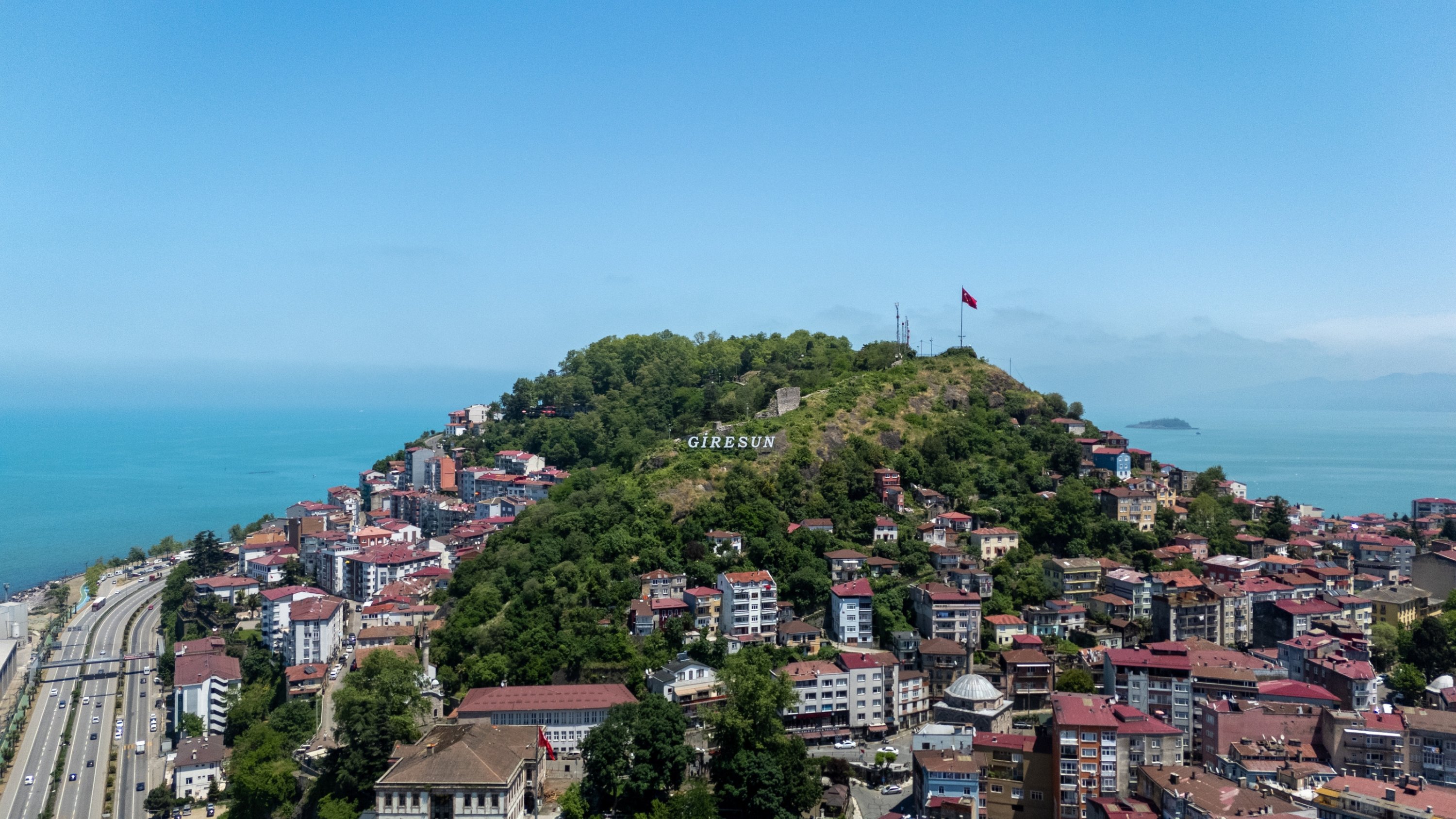
Rising about 100 meters (330 feet) above sea level, Giresun Castle is one of the city's best-known landmarks, offering sweeping views of the Black Sea and the surrounding urban landscape.
Known in ancient sources as "Kerasus," the fortress is believed to have been built by King Pharnaces I of Pontus during the second century B.C. Today, the remains of its walls resemble an open-air museum.
The castle preserves traces of the Hellenistic and Roman periods, while shaded walking paths beneath centuries-old plane trees and tea gardens overlooking the Black Sea make it a popular destination for both history enthusiasts and visitors seeking scenic views. Recent improvements have also transformed the site into a recreational park.
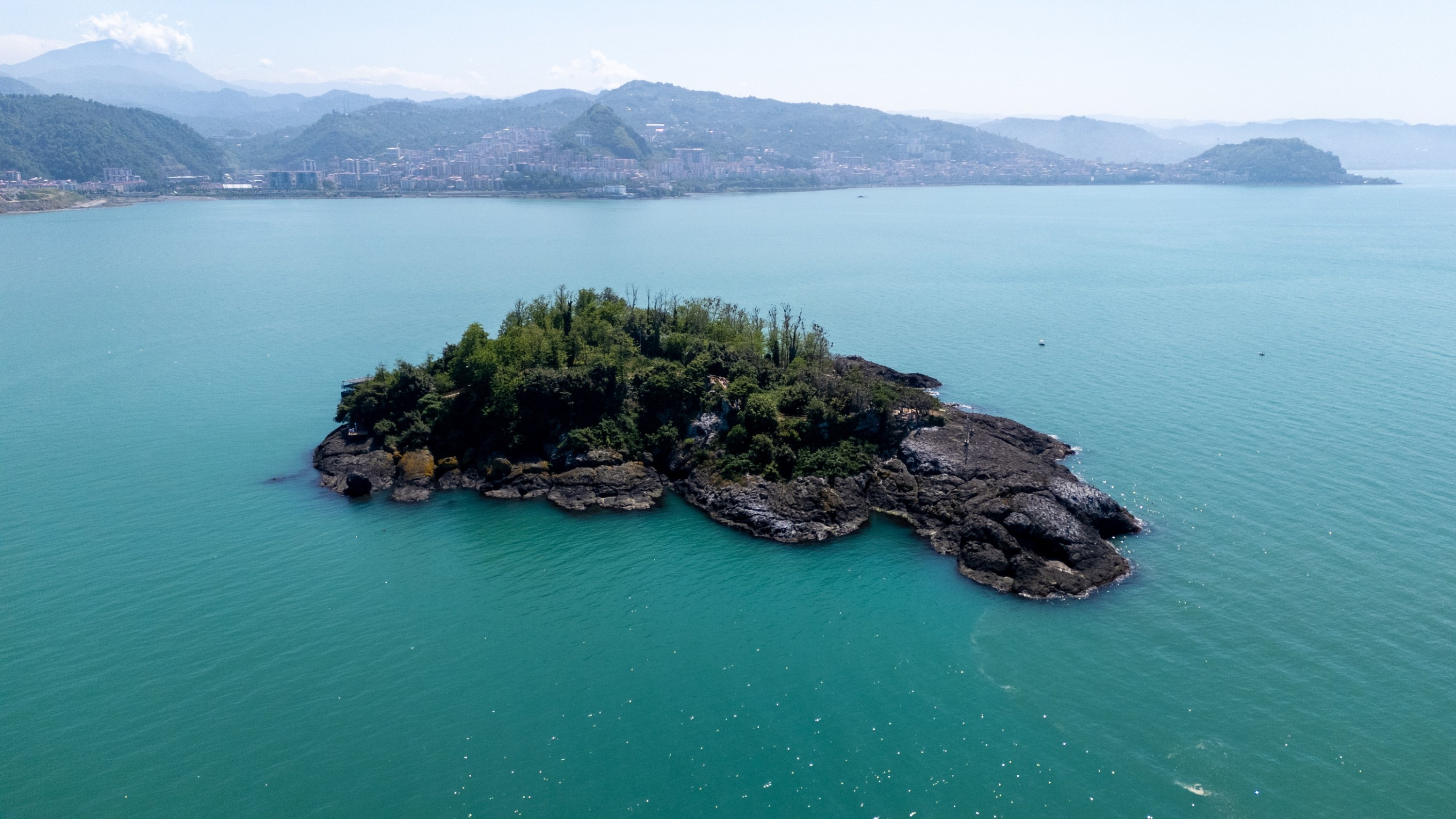
Located about 2.5 kilometers (1.6 miles) offshore, Giresun Island is the only island in the eastern Black Sea suitable for human habitation.
Known as "Aretias" in antiquity, the island is associated with Greek mythology. Legends say it was visited by the Amazons and that Hercules and the Argonauts stopped there during their quest for the Golden Fleece.
During the summer, visitors can reach the island by boat tour to explore Byzantine-era fortifications and church ruins. The island also serves as an important habitat for seabirds, including gulls and cormorants, allowing visitors to observe nesting and breeding colonies.
For travelers seeking the region's mountain landscapes, the highland plateaus surrounding Giresun provide a striking contrast to the coastline.
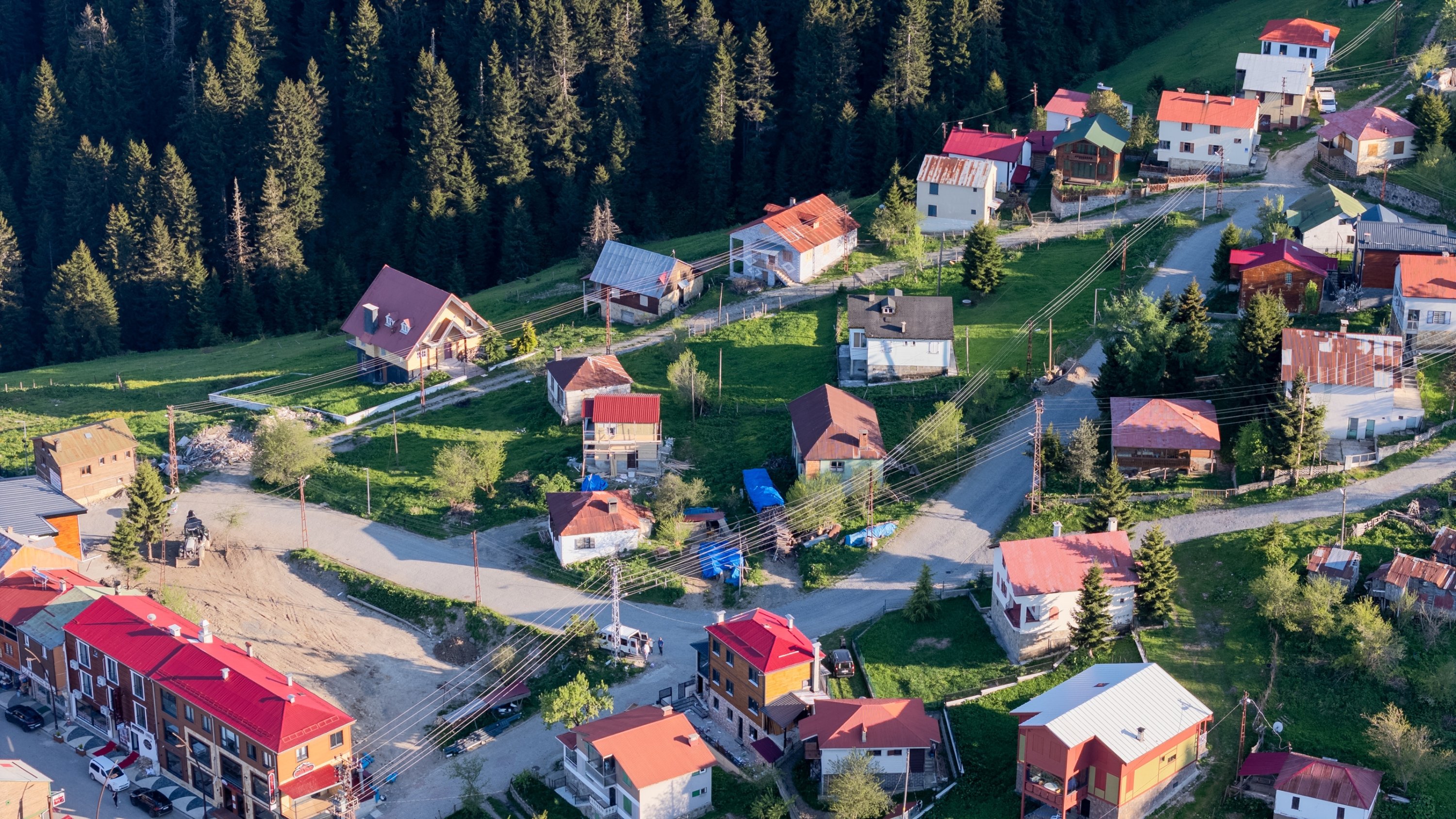
Kulakkaya Plateau, about 45 kilometers (28 miles) from the city center, is among the area's most popular destinations. The plateau reflects the traditional lifestyle of the Black Sea highlands while offering accommodation options and visitor facilities.
Known for its cool mountain air, peaceful atmosphere and regional cuisine, Kulakkaya has become a favored retreat for visitors looking to escape urban life.
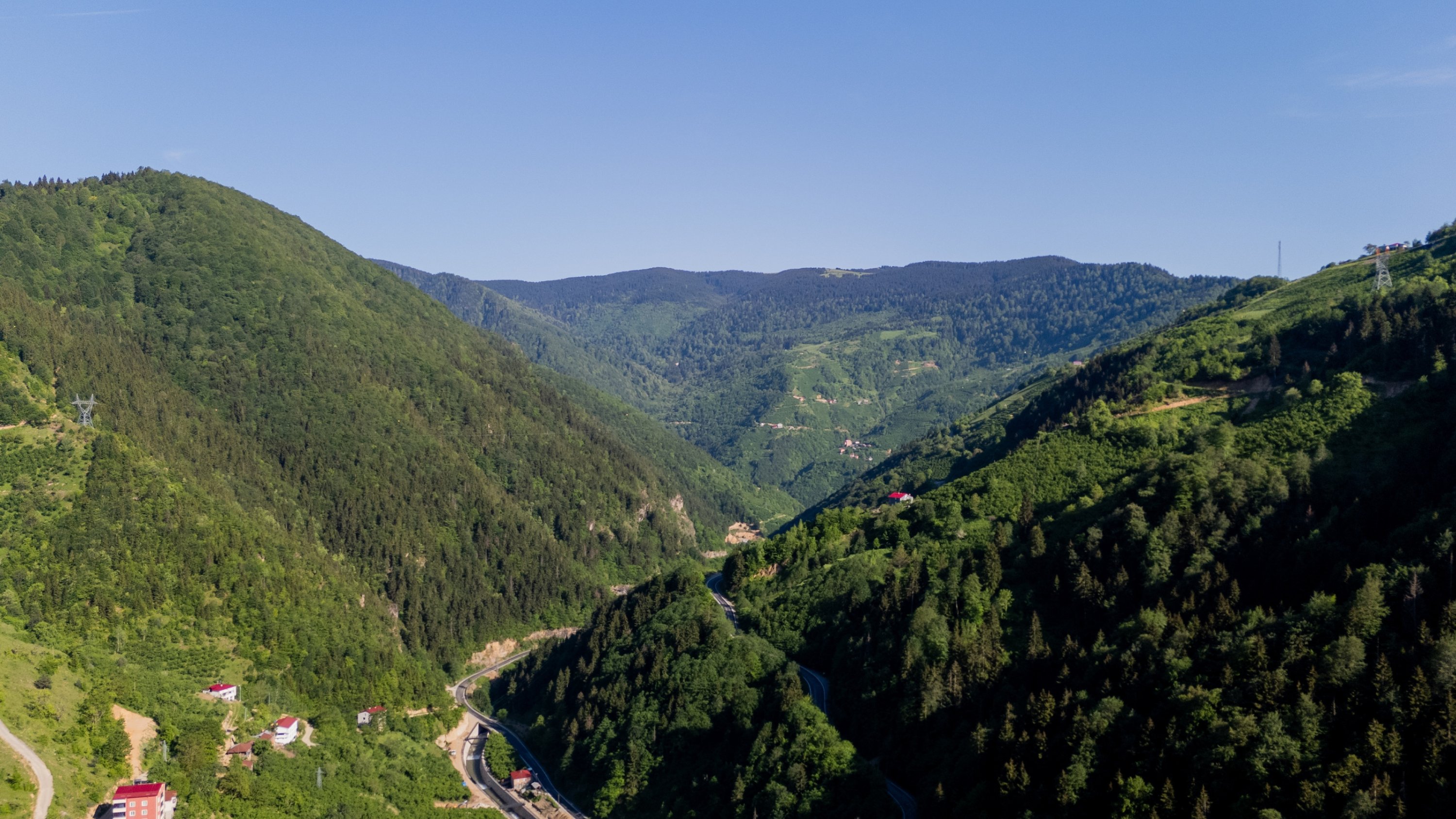
In recent years, Kuzalan Nature Park in Giresun's Dereli district has become one of the province's leading ecotourism destinations.
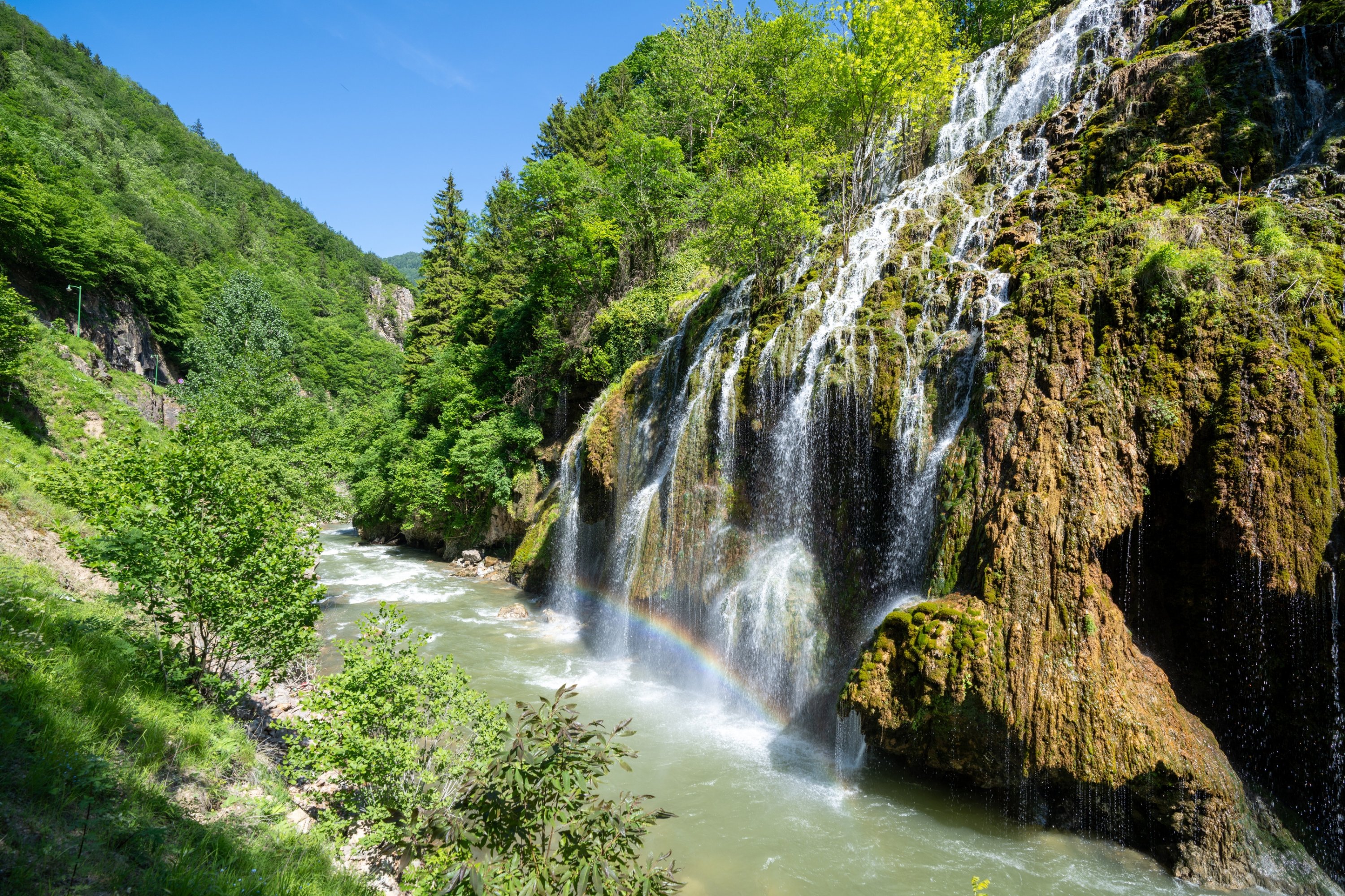
The park is home to Kuzalan Falls, where water cascades about 20 meters (66 feet) into a forested valley. Observation terraces and hiking trails make the site especially popular among photographers and nature lovers.
Nearby, Blue Lake draws visitors with its vivid turquoise waters, a seasonal phenomenon created by the area's limestone-rich geology and mineral content. The lake's striking colors, particularly during summer and autumn, have made it a favorite destination for photographers and social media users.
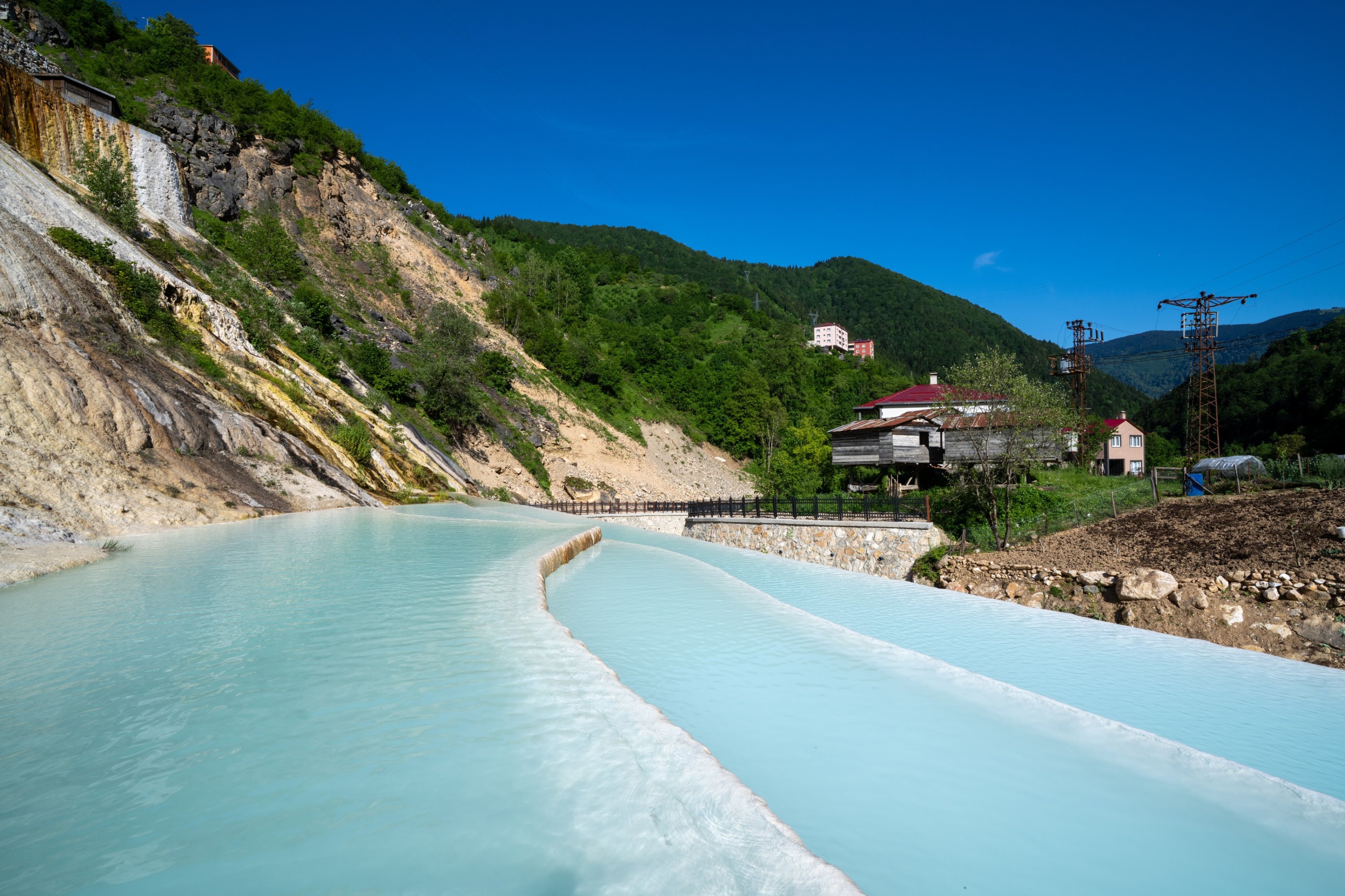
Adjacent to the lake, the Göksu Travertines feature white mineral terraces and shallow pools formed by calcium-rich waters. Often referred to as the "Pamukkale of the Black Sea," the site has been developed with walking paths and rest areas, adding another attraction to the region's growing ecotourism offerings.
Often referred to as Türkiye's "hazelnut capital," Giresun is also gaining recognition as a culinary destination.
The province is renowned for its registered Giresun Tombul hazelnuts, widely regarded among the world's highest-quality hazelnut varieties.
The local cuisine ranges from seafood to wild edible plants and includes several geographically registered specialties, such as Çamoluk sugar beans, Görele ice cream, Alucra kid kebab, Giresun nettles and the kadayıf dessert made with hazelnut paste.
Giresun also stands out for its plant-based dishes, reflecting the region's rich biodiversity. Traditional recipes such as karalahana diblesi (rice with black cabbage), taflan kavurması (sauteed cherry laurel), melocan kavurması (sauteed wild shoots) and sakarca dishes offer vegetarian options that appeal to travelers interested in local and healthy cuisine.