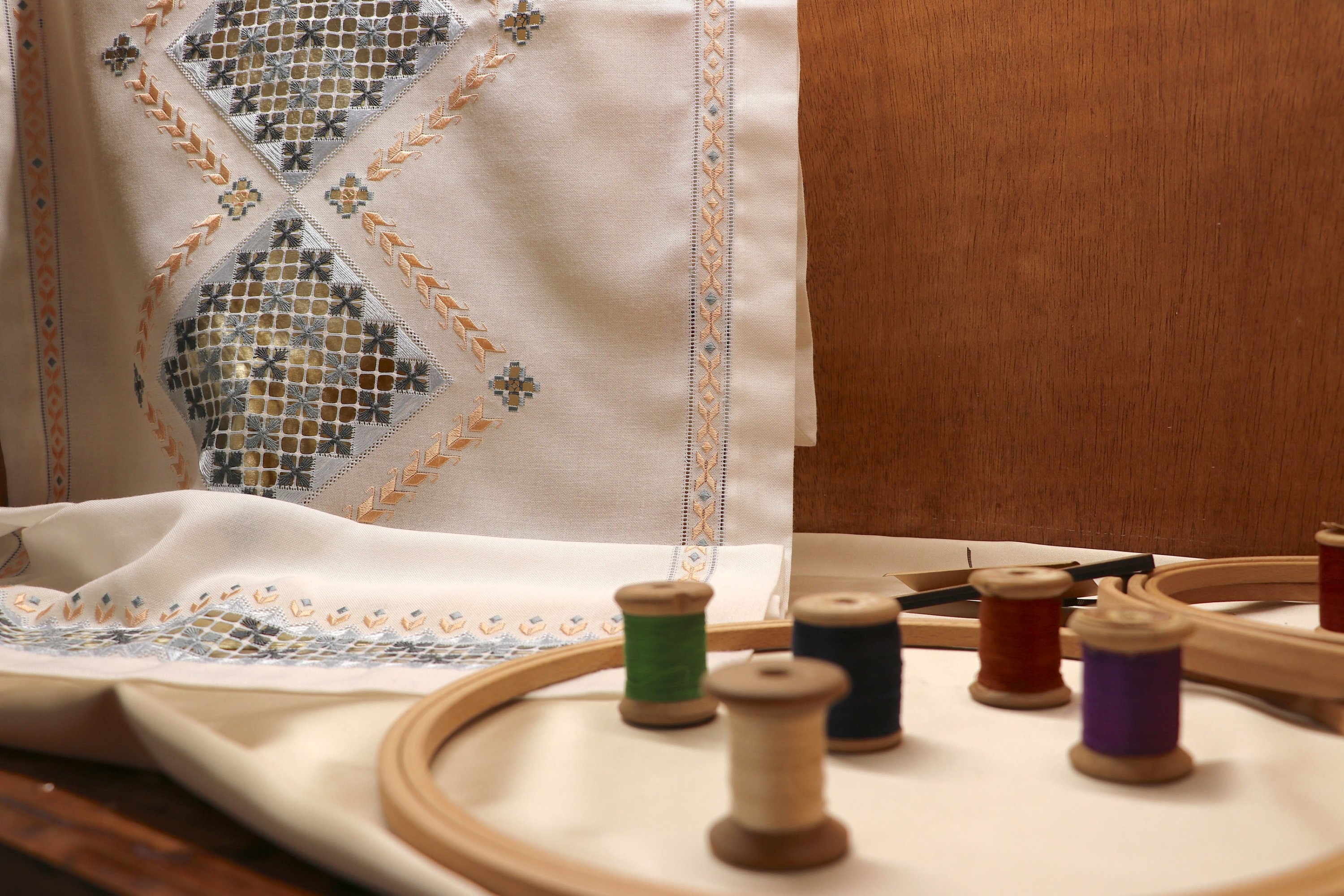
Antep embroidery, a traditional Turkish needlework recognized worldwide and recently inscribed on UNESCO’s Representative List of the Intangible Cultural Heritage of Humanity, will now be preserved and passed down to future generations as a cultural legacy.
Dating back to the 19th century, Antep embroidery was historically created by young women as part of their dowries, showcasing their skill and craftsmanship. The art form has been carefully transmitted from generation to generation and continues to survive today.
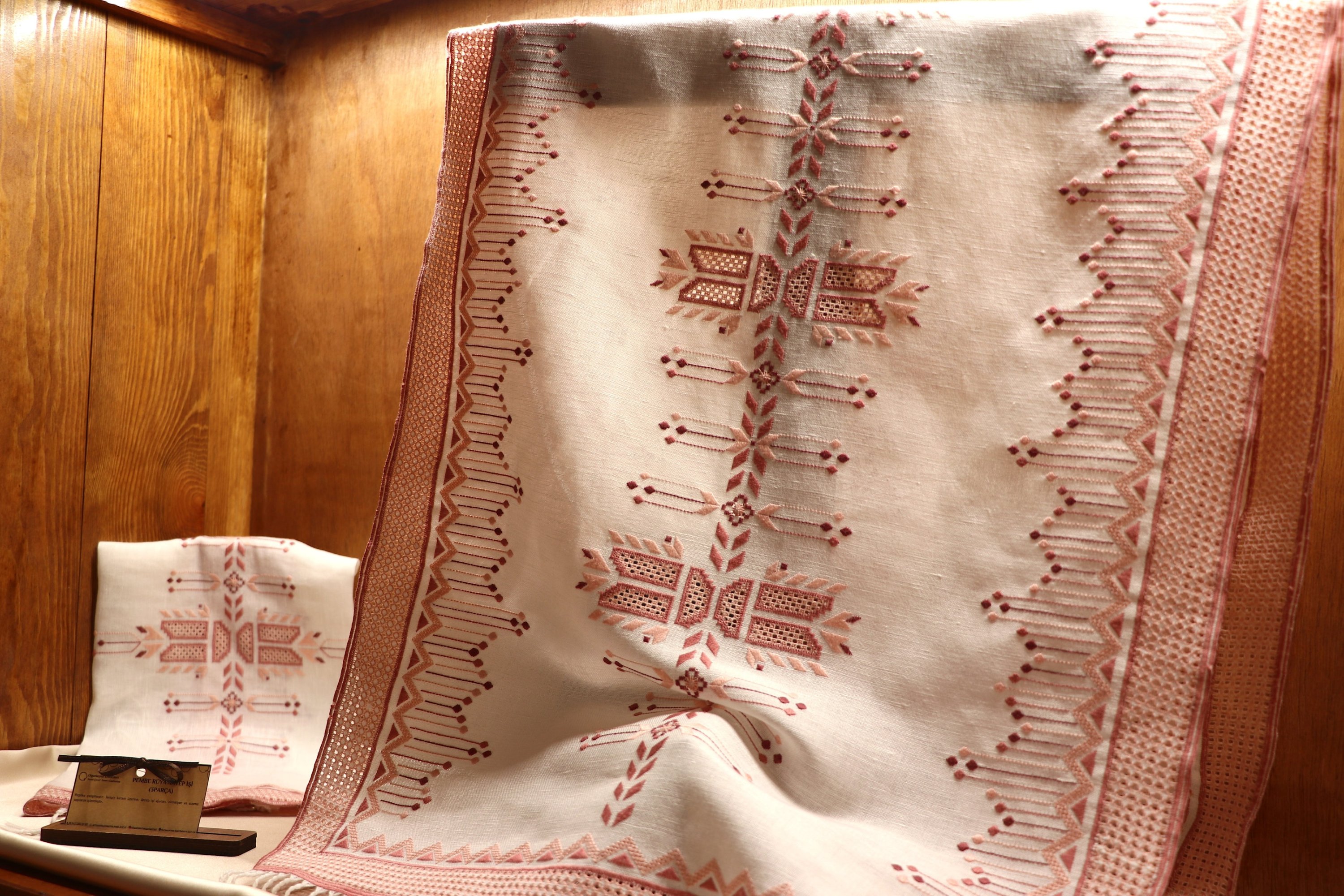
The craft was officially added to UNESCO’s list during the organization’s 20th meeting, held from Dec. 13-18, 2025. Its inclusion highlights the global significance of this traditional textile art.
“Through UNESCO recognition, we aim to introduce this heritage to the world and ensure it is preserved and passed on to future generations,” said local experts who actively preserve and teach this intangible cultural heritage.
Filiz Muştu, master instructor of Antep embroidery at the Nurel Enver Taner Gaziantep Vocational Training Institute, told Anadolu Agency (AA) that their courses teach women traditional handicrafts.
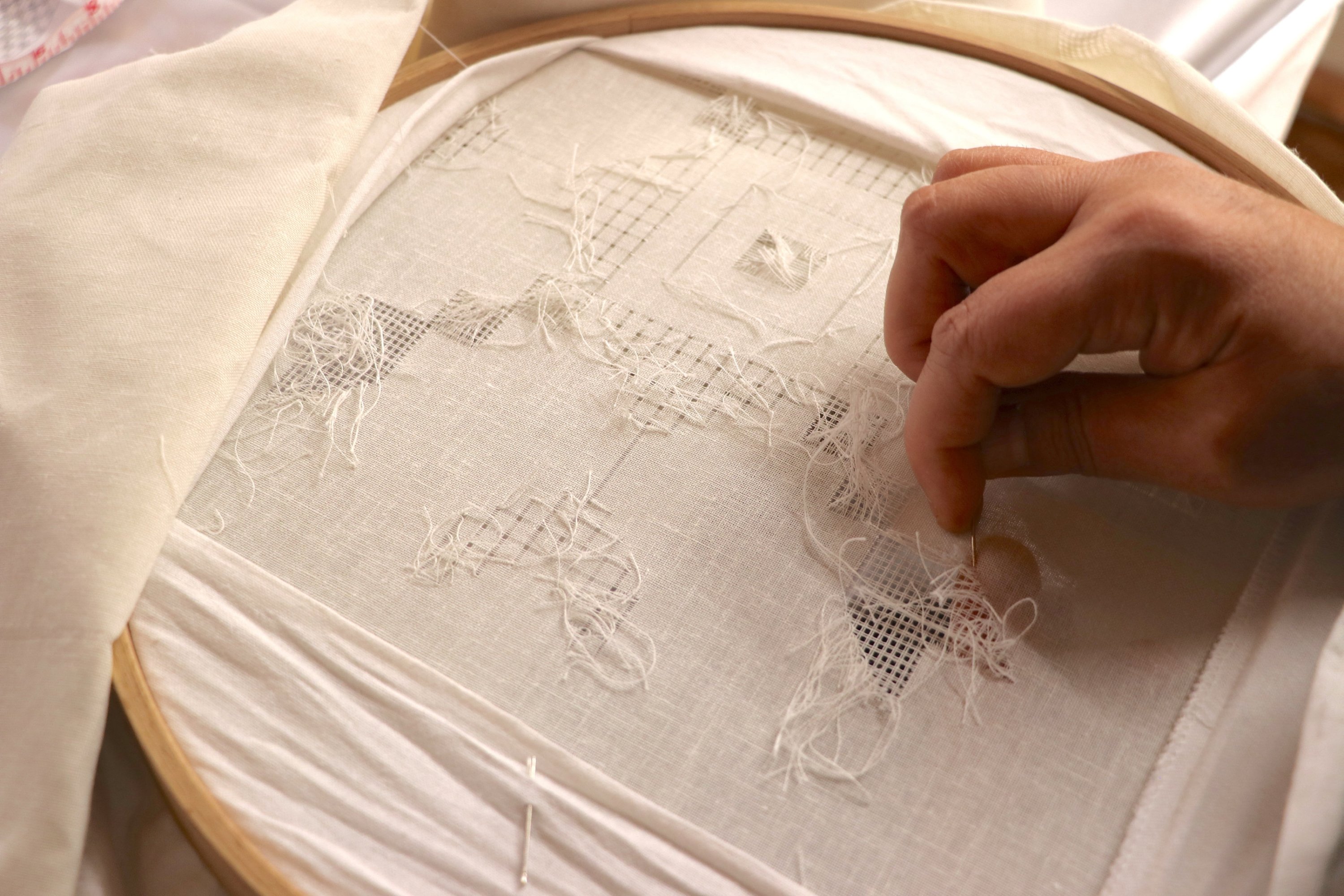
Muştu emphasized that the defining feature of Antep embroidery is the pulling of threads, which distinguishes it from other types of needlework. She explained the process: “We first pull the threads, then begin the embroidery. The fabric is pierced, and the motifs are worked over the holes to fill them. Afterward, we clean the edges and finish the stitching. In a single motif, approximately the size of a lentil, we pierce one hole nine times with the needle. It’s very time-consuming. People say we are ‘digging wells with a needle,’ and that’s exactly what we do. It used to be part of dowries and stored in chests, rarely used. Today, it’s incorporated into clothing and other items, allowing for modern adaptations.”
Master instructor Kevser Işitemiz highlighted the importance of promoting Antep embroidery internationally.
“Through cooperation with the Directorate General of Lifelong Learning and the Maturation Institutes and under the leadership of Gaziantep Mayor Fatma Şahin, we are delighted that this invaluable heritage has received global recognition. As masters, we will continue to contribute everything we can to preserve and transmit our traditions,” Işitemiz said.
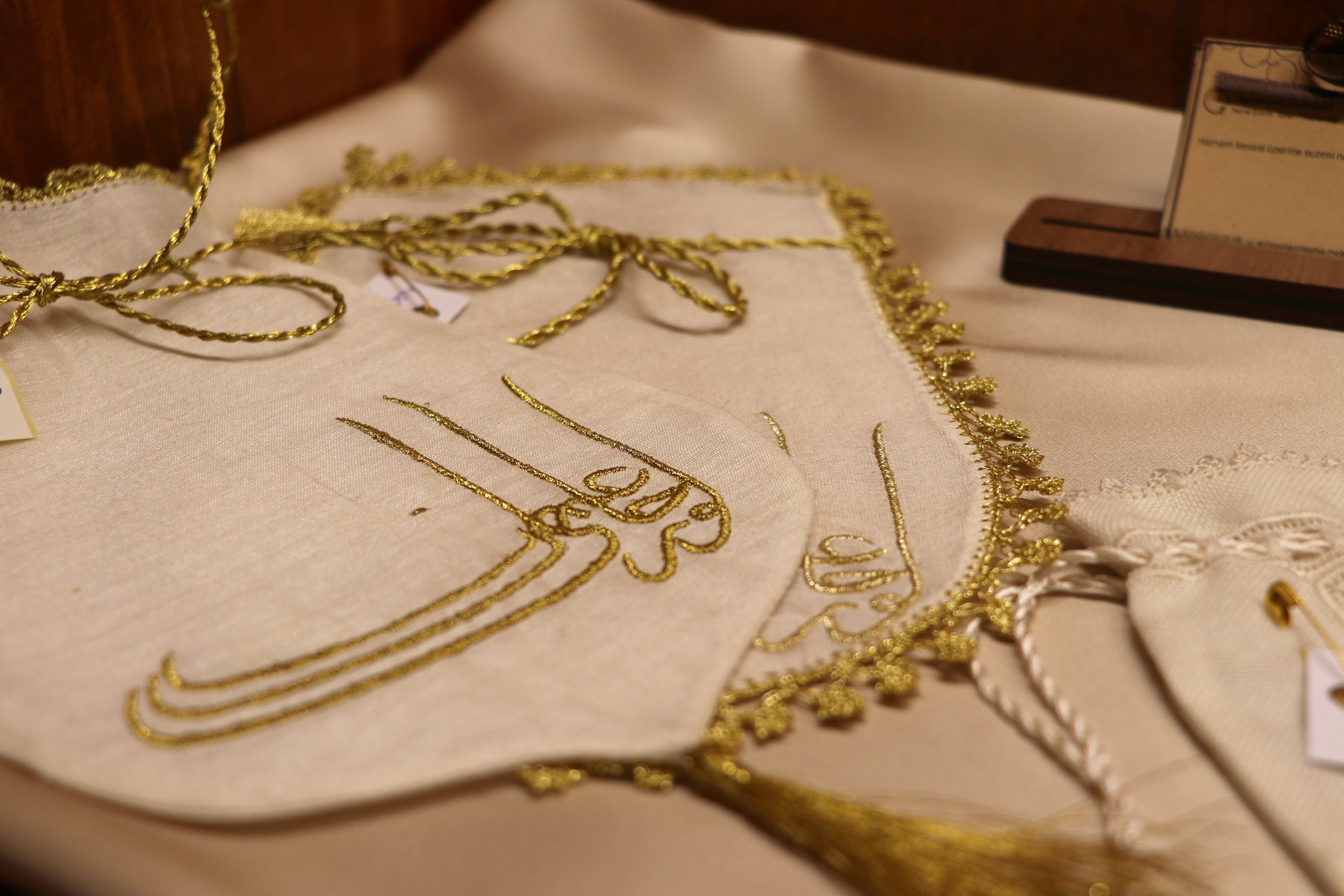
She added that projects to teach the craft to younger generations will continue.
“We want the new generation to learn it too. We already produce clothes, covers and other items, and we’ll keep experimenting. Some of our young students even surprise us; while we thought they might not be interested, they modernize everything. We can imagine using the embroidery on earring tips, hairpins, or belts, making it more widespread and contemporary.”