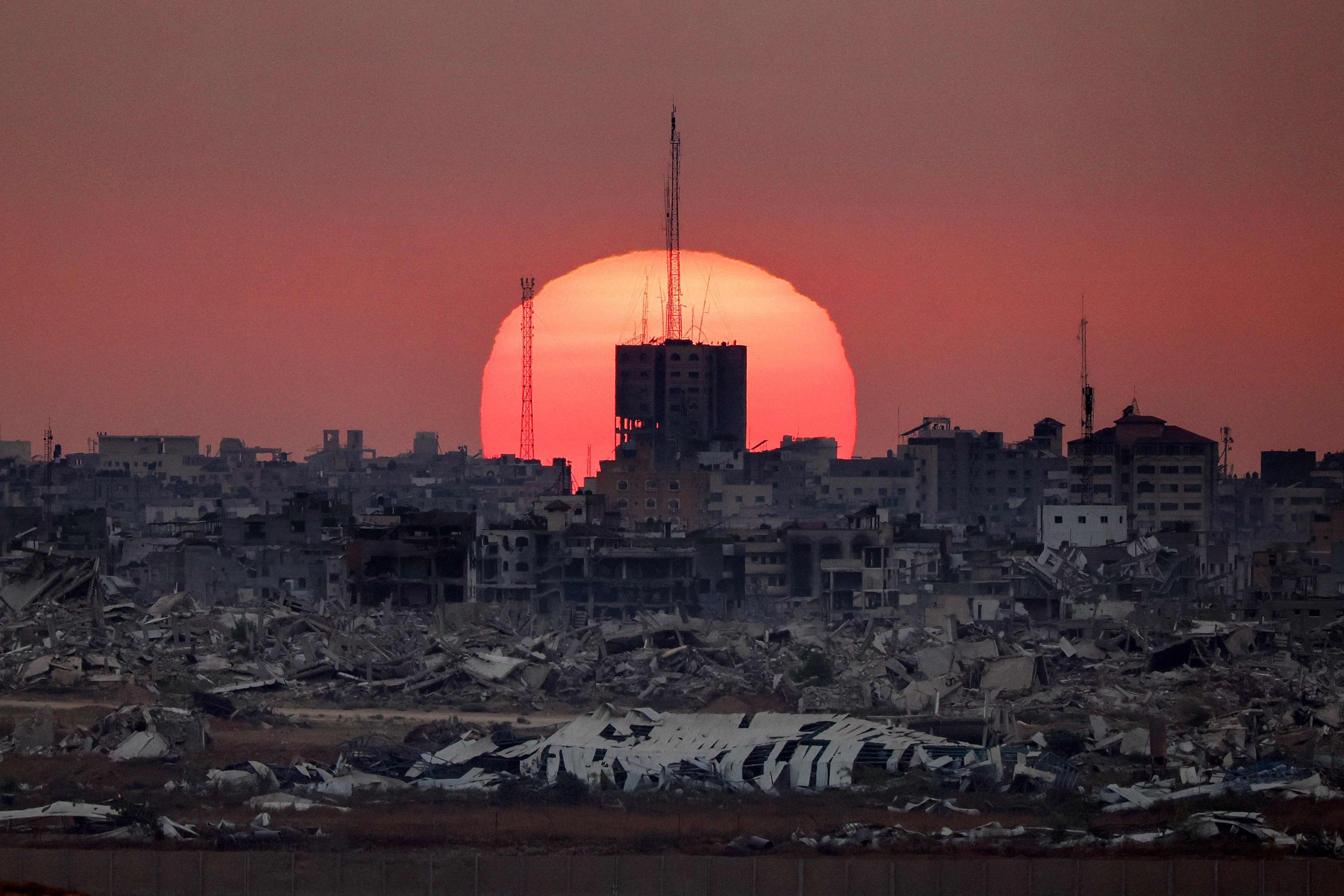
As 2025 draws to a close, it stands as a year in which a system of domination over Palestinians, decades in the making, became harder than ever to obscure.
What unfolded over the past 12 months did not represent an abrupt rupture, but rather the further exposure of a long-standing structure sustained by military force, diplomatic shielding and political impunity.
The year began with a cease-fire announced in January 2025, brokered through regional mediation and framed around the exchange of hostages and detainees. Internationally, the agreement was welcomed as a rare opening toward de-escalation. For Palestinians, however, it offered little beyond a brief reprieve. The blockade on Gaza remained firmly in place, the occupation went unchallenged, and humanitarian access continued to be tightly restricted. The cease-fire paused violence without addressing its causes.
By February, the agreement had been eroded in practice. Israeli surveillance flights continued over Gaza, while raids, arrests and lethal operations intensified across the West Bank. International statements urged restraint from “both sides,” reinforcing a familiar diplomatic symmetry that failed to reflect realities on the ground.
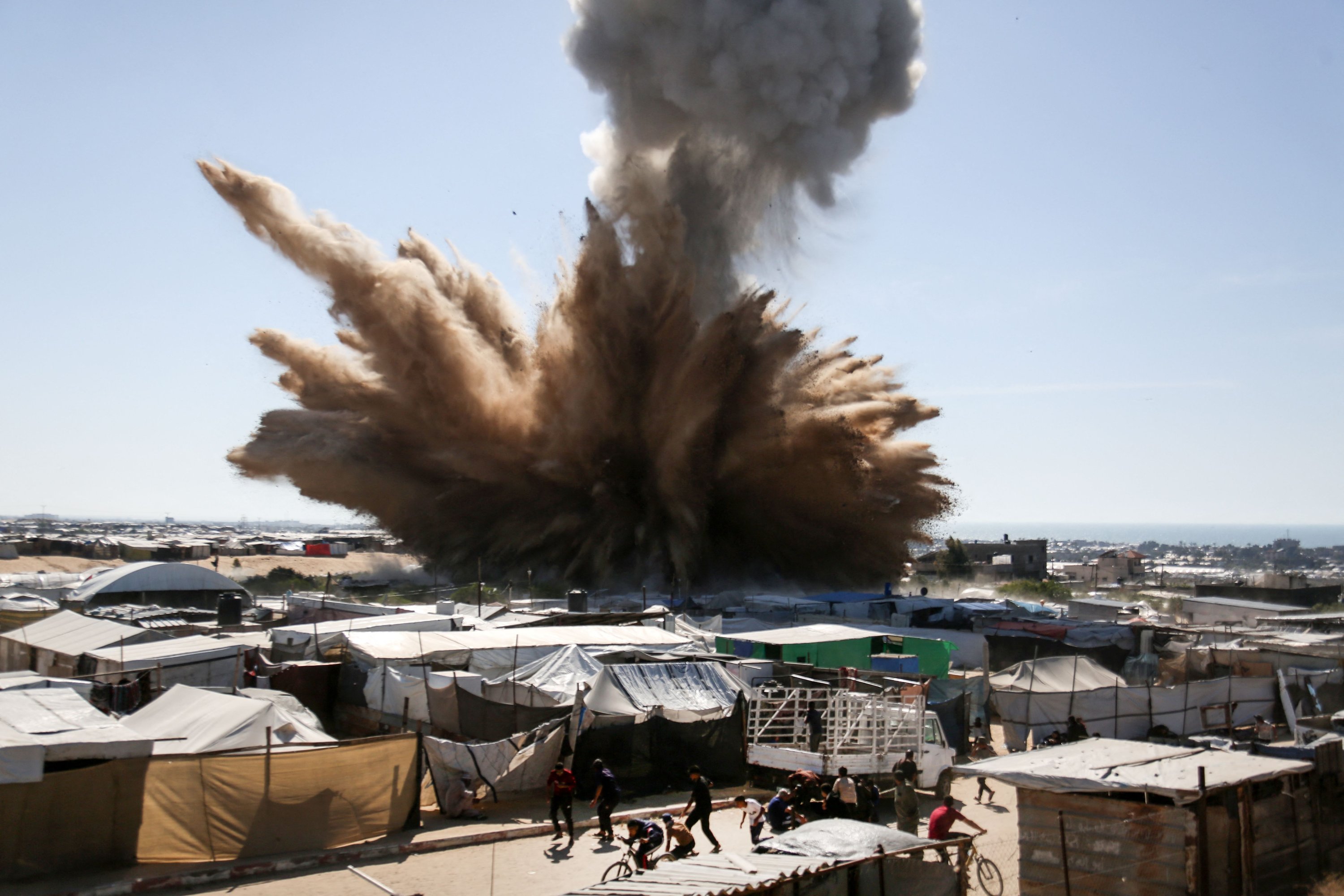
In March, the cease-fire collapsed entirely. Israel launched a renewed and extensive military campaign in Gaza, citing the unresolved hostage issue. Airstrikes quickly expanded into ground operations. Civilian infrastructure – hospitals, refugee camps, water and power facilities – was repeatedly struck. At this stage, the scale and pattern of destruction could no longer be framed solely through the language of self-defense. What emerged was a strategy that imposed severe and indiscriminate costs on a civilian population.
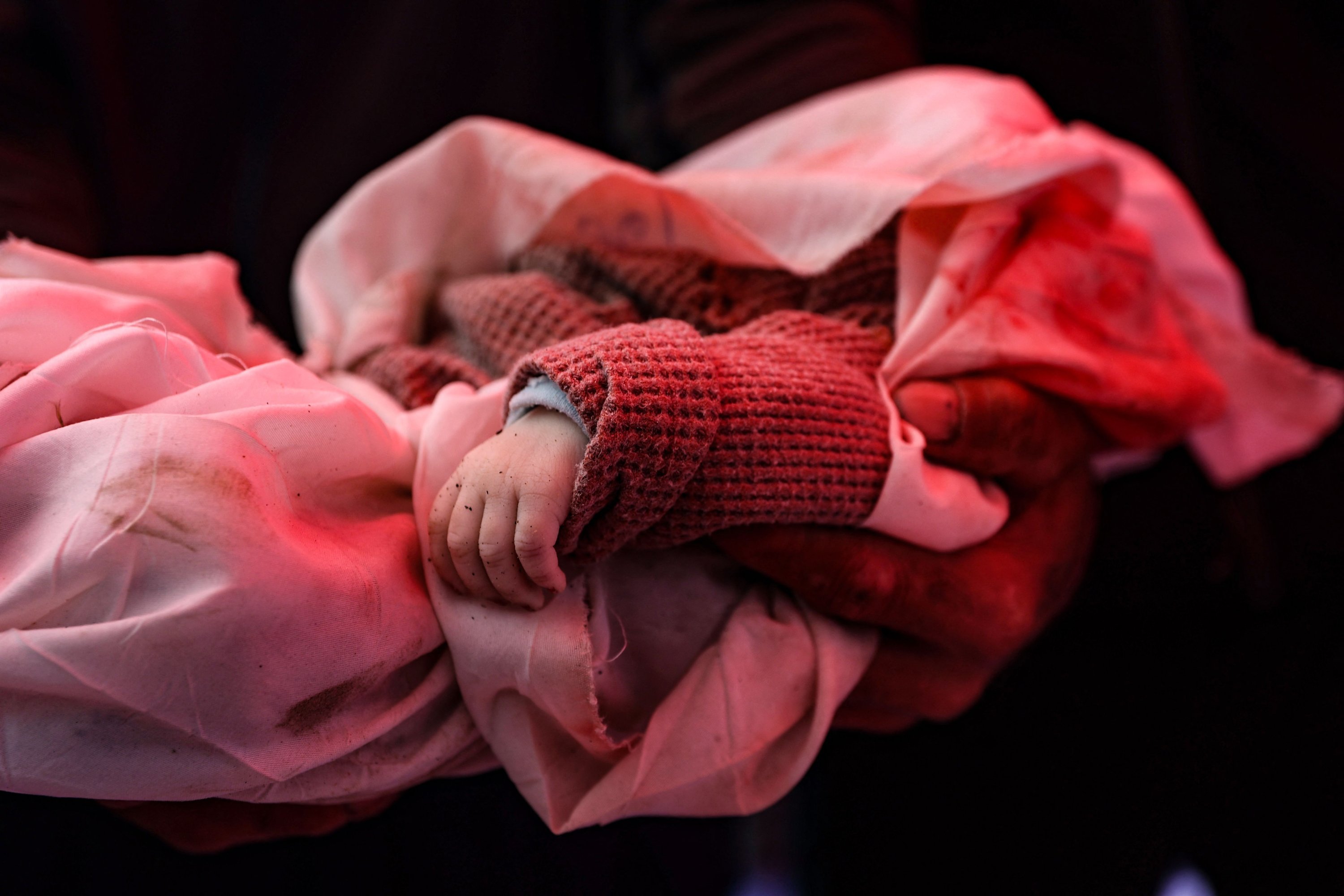
April and May marked a further deterioration of humanitarian conditions. Aid corridors were curtailed, access to food and clean water sharply limited, and famine warnings escalated. International organizations issued detailed reports documenting violations of humanitarian law. Yet, these findings produced little accountability. Legal norms existed, but enforcement mechanisms remained absent.
In June, rising tensions between Israel and Iran briefly shifted international focus toward the risk of regional escalation. Gaza, once again, became a secondary concern, absorbed into a broader geopolitical narrative in which Palestinian lives were treated as peripheral to larger strategic calculations.
By summer, the war had faded from headline prominence even as it continued on the ground. Casualty figures became routine data points. Gaza was increasingly described not as a society under siege, but as a humanitarian management problem. Meanwhile, settlement expansion in the West Bank accelerated, with several outposts receiving formal legal recognition. These developments further undermined the viability of a negotiated two-state solution.
Autumn brought renewed diplomatic attention to the United Nations. In 2025, international recognition of Palestine reached an unprecedented level, surpassing 145 states. What began in Europe spread across Latin America, Africa and Asia. For the first time in years, declarations in favor of Palestinian statehood were backed by coordinated diplomatic action.
At the U.N. General Assembly, multiple resolutions calling for a permanent cease-fire, unimpeded humanitarian access, and condemnation of settlement activity passed by overwhelming margins. Numerically, global opinion was clear. Institutionally, however, these measures remained non-binding.
The decisive moment came with renewed efforts to secure full U.N. membership for Palestine. These initiatives were blocked in the Security Council by U.S. vetoes, justified through familiar "concerns" about timing, negotiations and security. The result was a stark reminder of the structural limits of the international system: recognition without protection, legitimacy without enforcement.
Although Palestine’s status within the U.N. was incrementally expanded, allowing greater participation and visibility, it remained without voting rights or access to binding mechanisms. By year’s end, Palestine was recognized by much of the world, yet still lacked the institutional power required to translate recognition into protection.
The final months of 2025 closed under a fragile cease-fire. Violence subsided unevenly, but Gaza remained devastated. The West Bank entered the new year more fragmented than before.
The record of 2025 is clear. This is no longer simply a territorial dispute or a failed peace process. It is a test of the international order’s capacity to apply its own legal and moral standards consistently. There is no neutral position in such a chronology. Prolonged injustice, sustained in full view, ultimately implicates not only its direct perpetrators but also those who enable it through silence or inaction.