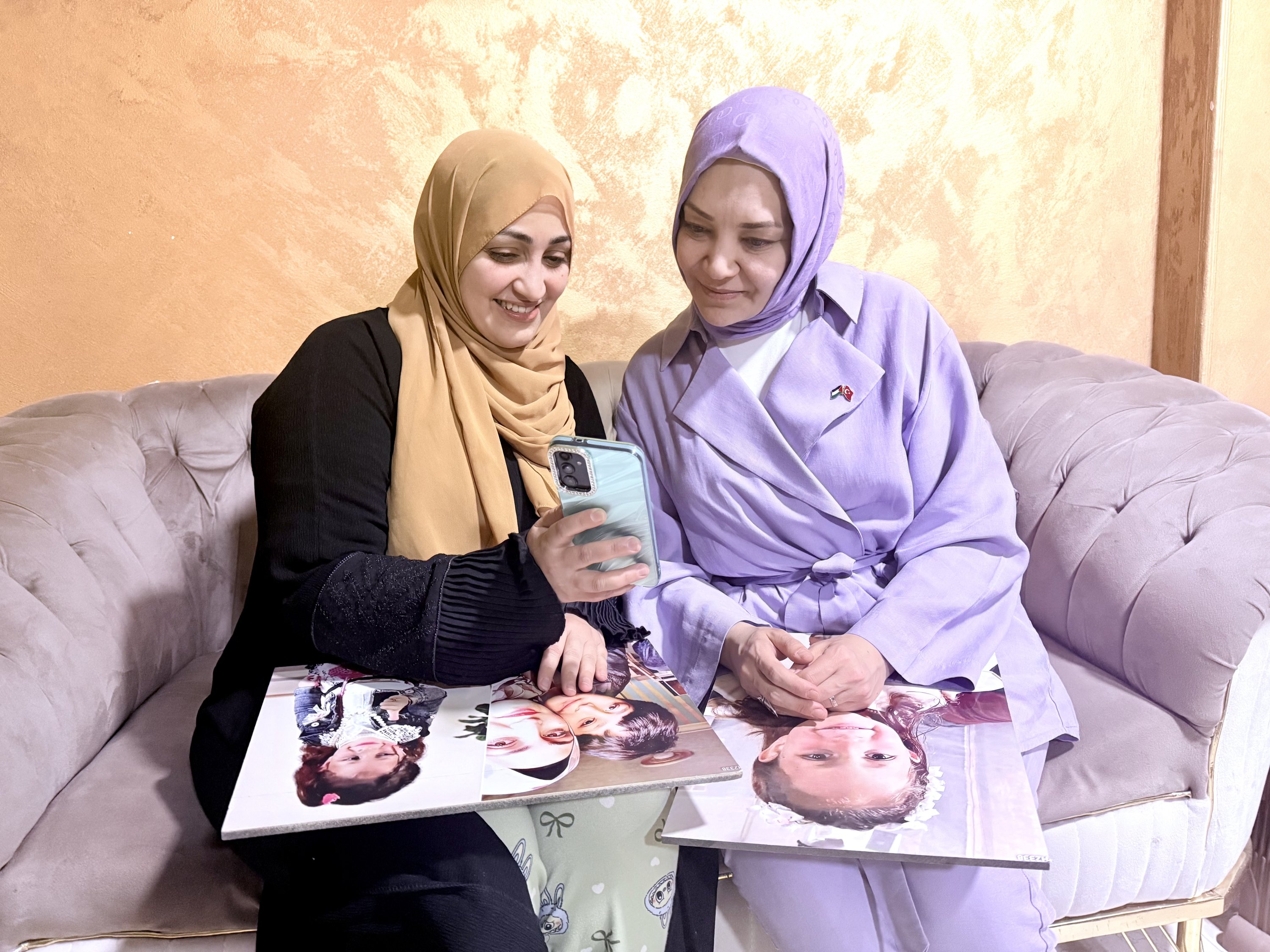
Rania has managed to fit so much pain into her 31 years of life that one begins to understand, once again, why the mountains in the Quran declined to bear the burden of servitude. And yet, as Rania recounts what she has lived through, almost as if telling an ordinary story, you find yourself at a loss, unsure where to look or how to respond.
Her husband, Ahmad, spent 26 months in the prisons of terrorist Israel, subjected to torture. “He was a gentle man when he went in,” she says. “When he came out, neither could we recognize him, nor could he remember us. The occupiers’ torture turned him into a baby, someone who had lost his mind, who didn’t even know his own name.”
Rania was just 19 when she first held her baby in her arms. Her daughter Mira was only two weeks old when occupying forces killed her. I already knew about the infant Kerim, whose legs were burned with cigarettes, and about babies left to die in incubators. But I cannot describe to you the weight of listening, face to face, to a mother who has lived this pain in flesh and blood.
“I was in shock for months,” Rania says. “I couldn’t accept it. They shattered our dreams and killed them in the most horrific, merciless ways.”
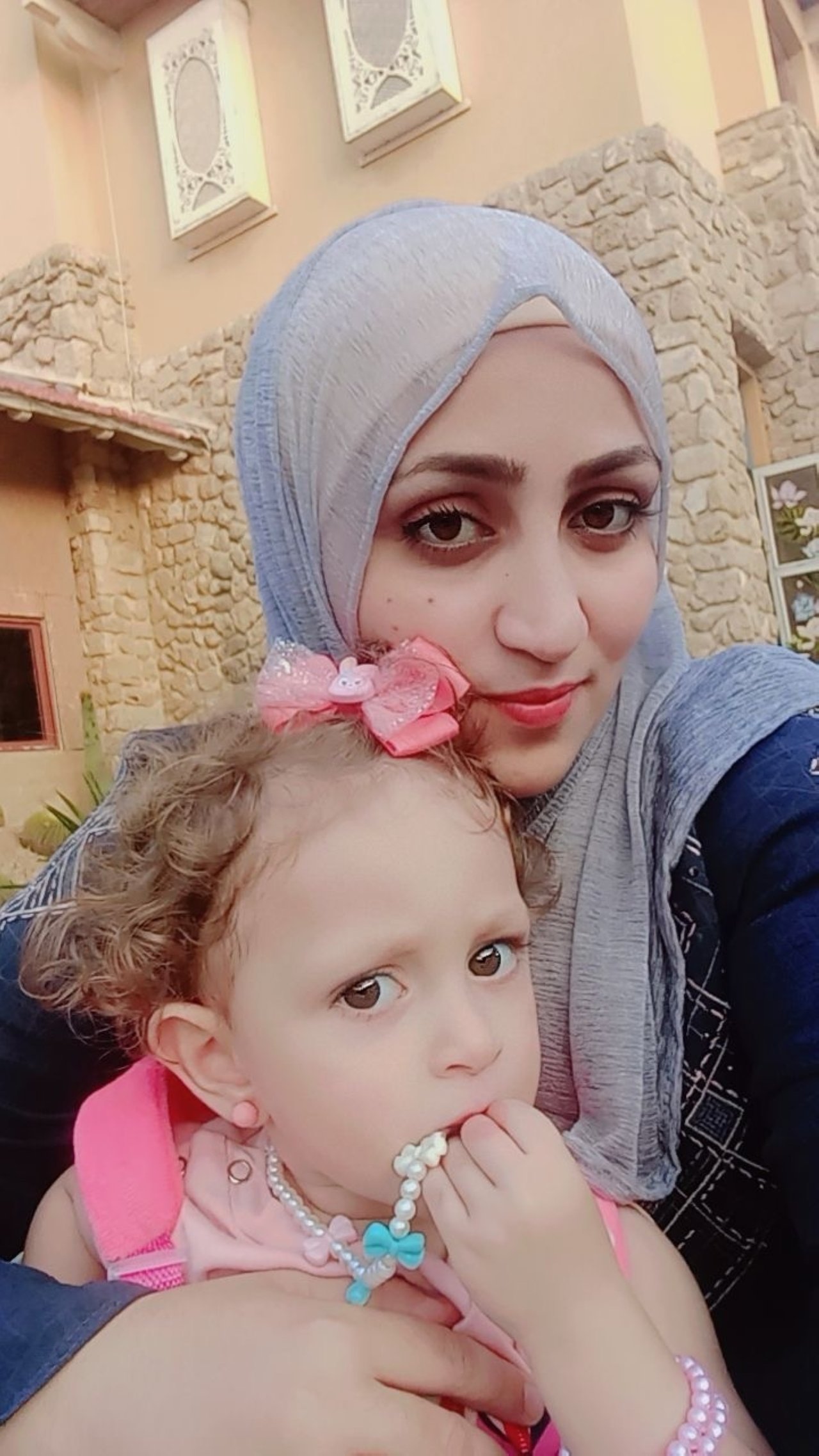
She later had more children. Her son Omar is now 9 and her daughter Jude is 4. Rania is now trying to hold on to life with them. When she sends me photos of Jude, she adds a note: “I take pictures of her when she looks her best, so that my heart won’t hurt more for her.”
About three years ago, the place they were living in Gaza was destroyed in a bombing. They suffered many losses. Jude was injured as she was pulled out from under the rubble. Can you imagine the trial of a mother who lost her 2-week-old baby, only to face such devastation again with her other children?
“If I were to tell you the story of the moment we were targeted,” she says, “I would need an encyclopedia just to describe the horror, and even then, I wouldn’t be able to do justice to the intensity of that moment. Most of my friends were martyred along with their families. They were completely erased from the population registry. My family is now living under extremely harsh conditions in a camp. Water is scarce, aid rarely reaches us and for even the smallest necessity, they have to walk kilometers through the rubble. No matter how much I try to explain, I cannot. Please forgive me.”
And in the face of all this oppression, there we are, whose bread and water, whose warmth and comfort, whose simple pleasures remain intact. Perhaps we should be forgiven for our inadequacy and seek refuge in God’s mercy.
From baby Mira to Rania, millions of Muslims have either been killed or condemned to a fate worse than death. I have spoken to so many people from Gaza, not one of them was without gratitude on their lips. It is we who are lacking. May God grant us completeness.