Daily Sabah logo

Politics
Diplomacy Legislation War On Terror EU Affairs Elections News Analysis
TÜRKİYE
Istanbul Education Investigations Minorities Expat Corner Diaspora
World
Mid-East Europe Americas Asia Pacific Africa Syrian Crisis Islamophobia
Business
Automotive Economy Energy Finance Tourism Tech Defense Transportation News Analysis
Lifestyle
Health Environment Travel Food Fashion Science Religion History Feature Expat Corner
Arts
Cinema Music Events Portrait Reviews Performing Arts
Sports
Football Basketball Motorsports Tennis
Opinion
Columns Op-Ed Reader's Corner Editorial
PHOTO GALLERY
JOBS ABOUT US RSS PRIVACY CONTACT US
© Turkuvaz Haberleşme ve Yayıncılık 2025

Daily Sabah - Latest & Breaking News from Turkey | Istanbul

  • Politics
    • Diplomacy
    • Legislation
    • War On Terror
    • EU Affairs
    • Elections
    • News Analysis
  • TÜRKİYE
    • Istanbul
    • Education
    • Investigations
    • Minorities
    • Expat Corner
    • Diaspora
  • World
    • Mid-East
    • Europe
    • Americas
    • Asia Pacific
    • Africa
    • Syrian Crisis
    • Islamophobia
  • Business
    • Automotive
    • Economy
    • Energy
    • Finance
    • Tourism
    • Tech
    • Defense
    • Transportation
    • News Analysis
  • Lifestyle
    • Health
    • Environment
    • Travel
    • Food
    • Fashion
    • Science
    • Religion
    • History
    • Feature
    • Expat Corner
  • Arts
    • Cinema
    • Music
    • Events
    • Portrait
    • Reviews
    • Performing Arts
  • Sports
    • Football
    • Basketball
    • Motorsports
    • Tennis
  • Gallery
  • Opinion
    • Columns
    • Op-Ed
    • Reader's Corner
    • Editorial
  • TV
  • Opinion
  • Columns
  • Op-Ed
  • Reader's Corner
  • Editorial

IMF warns of 'doomsday cycle' risk

by Kerem Alkin

Apr 20, 2023 - 12:05 am GMT+3
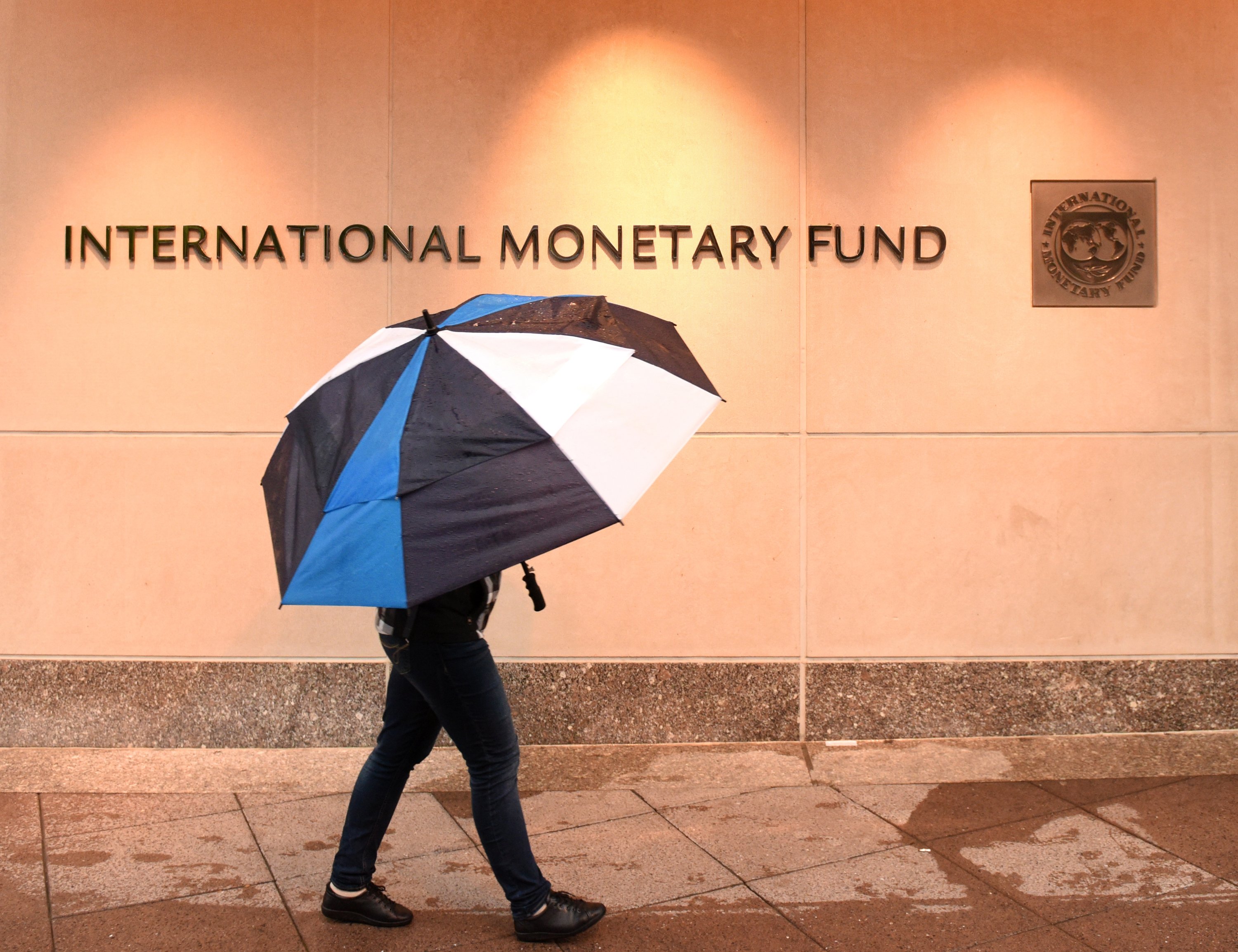
In most of the world's leading economies, increasing problems in the banking system, the asset-liability balance of the balance sheets, and the deposit-credit costs may adversely affect the financial situation of many banks and can cause the banking crisis to deepen. (Shutterstock Photo)
by Kerem Alkin Apr 20, 2023 12:05 am

The warning of a 'doomsday cycle' risk, where a global public debt crisis could coincide with a banking crisis, has garnered attention during the recent annual meetings of the IMF and World Bank

As you know, the week we ended was the "spring term" leg of the annual meetings held jointly by the International Monetary Fund (IMF) and the World Bank for years held in Washington. Naturally, the eyes and ears of the international economic and financial circles are on the statements from the IMF and World Bank senior officials and the details in the published reports.

Hence, the IMF's "doomsday cycle" warning naturally attracted a lot of attention. What is meant by this expression is the possibility a global public debt crisis could happen together with a global banking crisis. Because, concerns are being expressed more frequently that the United States, some leading European Union states, the United Kingdom, Brazil and even China, may enter a "spiral" in the next five years, especially in the ratio of public debt to national income.

Accordingly, leading central banks such as the U.S. Federal Reserve (FED) and the European Central Bank (ECB) continue to tighten their monetary policy in order to eliminate the stickiness in "core inflation," and therefore raise monetary policy interest rates, may also bring up a process that may trigger the doomsday cycle pointed out by the IMF. Since, while the two "black swans," namely the COVID-19 pandemic and the ongoing Russia-Ukraine war, have already triggered a lot of troubles and disruptions in the global supply chain, and while the world's leading economies are dealing with problems in production, productivity and efficiency, further tightening of the monetary policy will, in turn, trigger the risk of recession, decrease in tax revenues, growth in the budget deficit and more public borrowing.

IMF points to 2 risks

In addition, the increase in monetary policy interest rates will increase the cost of savings and the cost of credit. In most of the world's leading economies, increasing problems in the banking system, the asset-liability balance of the balance sheets, and the deposit-credit costs may adversely affect the financial situation of many banks and can cause the banking crisis to deepen. The deepening of the banking crisis, on the other hand, would adversely affect the bond investment appetite of banks, which are the most important buyers of government bonds in meeting the increasing need for public debt.

The situation at hand poses a challenge to the growing fiscal imbalance and public debt requirements of several prominent countries. The IMF highlights two fundamental risks that could trigger each other, leading to a potential doomsday cycle risk. What makes matters worse is that both developed and developing economies require financing for the imperative "clean energy transition" in response to the pressing climate crisis.

Hence, the pressure in debt markets will complicate the United Nations' sustainable development goals (SDG) and the clean and renewable energy transformation moves toward the climate crisis.

Türkiye, meanwhile, is among the countries with the best ratio of public debt to national income among the G-20 and Organisation for Economic Co-operation and Development (OECD) member countries, with its lasting success in the public fiscal discipline in the last 20-22 years. For this reason, it is critical for Ankara to maintain its fiscal discipline success.

After the devastating Feb. 6 earthquakes, or the "disaster of the century," Türkiye must use this advantage effectively in the restructuring of our 11 provinces and in healing wounds to build new smart, green and clean energy-oriented cities. While the risk of global public debt to the global gross domestic product (GDP) ratio being 100% or above between 2023 and 2028 is evident, it would be appropriate for the IMF and the World Bank to point out more concrete solutions to eliminate risks rather than identifying the risks.


About the author
Kerem Alkin is an economist, professor at Istanbul Medipol University.
  • shortlink copied
  • KEYWORDS
    imf world bank economy global economy economic crisis us fed ecb doomsday risk
    The Daily Sabah Newsletter
    Keep up to date with what’s happening in Turkey, it’s region and the world.
    You can unsubscribe at any time. By signing up you are agreeing to our Terms of Use and Privacy Policy. This site is protected by reCAPTCHA and the Google Privacy Policy and Terms of Service apply.
    No Image
    Every ten years: Floriade Expo 2022 in Netherlands
    PHOTOGALLERY
    • POLITICS
    • Diplomacy
    • Legislation
    • War On Terror
    • EU Affairs
    • News Analysis
    • TÜRKİYE
    • Istanbul
    • Education
    • Investigations
    • Minorities
    • Diaspora
    • World
    • Mid-East
    • Europe
    • Americas
    • Asia Pacific
    • Africa
    • Syrian Crisis
    • İslamophobia
    • Business
    • Automotive
    • Economy
    • Energy
    • Finance
    • Tourism
    • Tech
    • Defense
    • Transportation
    • News Analysis
    • Lifestyle
    • Health
    • Environment
    • Travel
    • Food
    • Fashion
    • Science
    • Religion
    • History
    • Feature
    • Expat Corner
    • Arts
    • Cinema
    • Music
    • Events
    • Portrait
    • Performing Arts
    • Reviews
    • Sports
    • Football
    • Basketball
    • Motorsports
    • Tennis
    • Opinion
    • Columns
    • Op-Ed
    • Reader's Corner
    • Editorial
    • Photo gallery
    • DS TV
    • Jobs
    • privacy
    • about us
    • contact us
    • RSS
    © Turkuvaz Haberleşme ve Yayıncılık 2021