Daily Sabah logo

Politics
Diplomacy Legislation War On Terror EU Affairs Elections News Analysis
TÜRKİYE
Istanbul Education Investigations Minorities Expat Corner Diaspora
World
Mid-East Europe Americas Asia Pacific Africa Syrian Crisis Islamophobia
Business
Automotive Economy Energy Finance Tourism Tech Defense Transportation News Analysis
Lifestyle
Health Environment Travel Food Fashion Science Religion History Feature Expat Corner
Arts
Cinema Music Events Portrait Reviews Performing Arts
Sports
Football Basketball Motorsports Tennis
Opinion
Columns Op-Ed Reader's Corner Editorial
PHOTO GALLERY
JOBS ABOUT US RSS PRIVACY CONTACT US
© Turkuvaz Haberleşme ve Yayıncılık 2025

Daily Sabah - Latest & Breaking News from Turkey | Istanbul

  • Politics
    • Diplomacy
    • Legislation
    • War On Terror
    • EU Affairs
    • Elections
    • News Analysis
  • TÜRKİYE
    • Istanbul
    • Education
    • Investigations
    • Minorities
    • Expat Corner
    • Diaspora
  • World
    • Mid-East
    • Europe
    • Americas
    • Asia Pacific
    • Africa
    • Syrian Crisis
    • Islamophobia
  • Business
    • Automotive
    • Economy
    • Energy
    • Finance
    • Tourism
    • Tech
    • Defense
    • Transportation
    • News Analysis
  • Lifestyle
    • Health
    • Environment
    • Travel
    • Food
    • Fashion
    • Science
    • Religion
    • History
    • Feature
    • Expat Corner
  • Arts
    • Cinema
    • Music
    • Events
    • Portrait
    • Reviews
    • Performing Arts
  • Sports
    • Football
    • Basketball
    • Motorsports
    • Tennis
  • Gallery
  • Opinion
    • Columns
    • Op-Ed
    • Reader's Corner
    • Editorial
  • TV
  • Opinion
  • Columns
  • Op-Ed
  • Reader's Corner
  • Editorial

Sanctions exacerbate injustice in global trade landscape

by Kerem Alkin

Dec 02, 2023 - 12:05 am GMT+3
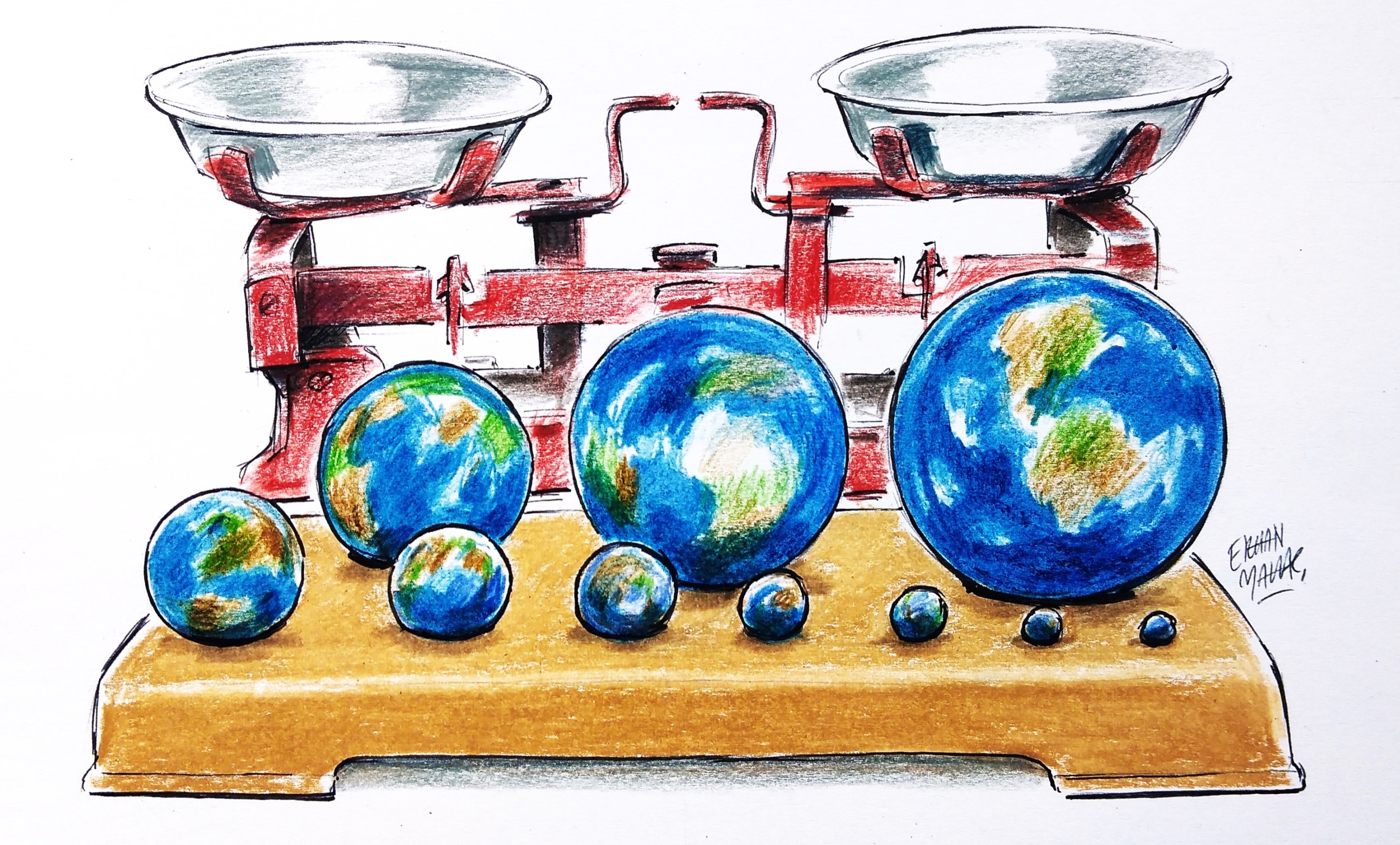
"Nations resistant to or immune from the specified sanctions exploit the situation, engaging in unfair competition. This allows them to acquire raw materials, intermediate products or final goods at a lower cost, affording them a competitive advantage that remains unaddressed." (Illustration by Erhan Yalvaç)
by Kerem Alkin Dec 02, 2023 12:05 am

In the global supply chain restructuring, questioning dependence on specific geographies or countries is crucial, as arbitrary sanctions often favor advantaged regions

As you are aware, the G-7 countries, with a notable emphasis on the United States, have been employing a sanction mechanism. The intensity of these sanctions has significantly escalated since the 2000s, targeting countries perceived to have substantial disagreements in international economics and politics or whose stance contradicts the post-World War II international order.

These sanctions, largely independent of United Nations decisions, not only raise questions in terms of international law but also introduce a series of injustices within the international economic-political system. This is due to the fact that sanctions imposed solely at the discretion of one country, without U.N. endorsement, allow that same country to exhibit flexibility toward nations it considers friends and allies.

If these sanctions were to be sanctioned by the U.N. and represented the collective stance of the global community, it would prevent practices leading to unfair competition among nations. What is even more perplexing is that, since these sanctions lack U.N. backing, some countries asserting non-compliance face intimidation, while others, making similar declarations, go unchallenged. This situation significantly erodes respect and trust in the entire global economic-political system.

However, successive global and regional geopolitical developments indicate that we are going through a period when trust in the global economic-political system and the neutrality of the system are needed most.

Top countries' self-interest sanctions

The sanctions attempted by certain influential nations in line with their interests lead to the country subjected to sanctions offering its globally exported products to the international market at a price 10% lower than their normal value under the best conditions to economically survive. This percentage can even reach up to 30%, depending on the extent of the sanctions. In this scenario, countries willingly complying with or unintentionally adhering to the sanctions are naturally unable to purchase these significantly cost-reduced products from the sanctioned country.

Conversely, nations resistant to or immune from the specified sanctions exploit the situation, engaging in unfair competition. This allows them to acquire raw materials, intermediate products or final goods at a lower cost, affording them a competitive advantage that remains unaddressed.

Hence, countries attempting to unilaterally impose sanctions, devoid of U.N. endorsement, must grasp that such actions ultimately serve no purpose other than exacerbating injustice within the global system.

What is even more disconcerting is that these unilateral measures erode trust in the already fragile global order.

In a context where the global supply chain is undergoing a search for restructuring, questioning dependence on specific geographies or countries is crucial. In such instances, sanctions that are arbitrarily designed from the outset tend to favor regions and countries with a significant advantage in the global system. Upon reflection three, five or 10 years later, it becomes evident that even the country imposing sanctions arbitrarily finds itself involved in a process contrary to its own interests.

To rebuild trust in the multilateral system, it is imperative for someone to contemplate this matter deeply and thoughtfully.


About the author
Kerem Alkin is an economist, professor at Istanbul Medipol University.
  • shortlink copied
  • KEYWORDS
    global trade sanctions united nations injustice inequality
    The Daily Sabah Newsletter
    Keep up to date with what’s happening in Turkey, it’s region and the world.
    You can unsubscribe at any time. By signing up you are agreeing to our Terms of Use and Privacy Policy. This site is protected by reCAPTCHA and the Google Privacy Policy and Terms of Service apply.
    No Image
    Icelandic volcano spews lava across Reykjanes Peninsula
    PHOTOGALLERY
    • POLITICS
    • Diplomacy
    • Legislation
    • War On Terror
    • EU Affairs
    • News Analysis
    • TÜRKİYE
    • Istanbul
    • Education
    • Investigations
    • Minorities
    • Diaspora
    • World
    • Mid-East
    • Europe
    • Americas
    • Asia Pacific
    • Africa
    • Syrian Crisis
    • İslamophobia
    • Business
    • Automotive
    • Economy
    • Energy
    • Finance
    • Tourism
    • Tech
    • Defense
    • Transportation
    • News Analysis
    • Lifestyle
    • Health
    • Environment
    • Travel
    • Food
    • Fashion
    • Science
    • Religion
    • History
    • Feature
    • Expat Corner
    • Arts
    • Cinema
    • Music
    • Events
    • Portrait
    • Performing Arts
    • Reviews
    • Sports
    • Football
    • Basketball
    • Motorsports
    • Tennis
    • Opinion
    • Columns
    • Op-Ed
    • Reader's Corner
    • Editorial
    • Photo gallery
    • DS TV
    • Jobs
    • privacy
    • about us
    • contact us
    • RSS
    © Turkuvaz Haberleşme ve Yayıncılık 2021