The machinery of Israel’s war on Gaza does not end at the bombed ruins of cities; it continues behind barbed wire and concrete walls. What happens in its prisons and military camps reveals the deeper architecture of a genocidal system – one that treats Palestinian life not as human, but as disposable. From Gaza’s rubble to the Sde Teiman detention camp in the Negev desert, the same logic of domination, dehumanization and erasure defines the state’s conduct.
Since October 2023, thousands of Palestinians, men, women and even minors, have been taken from Gaza to secret detention sites across Israel. The most infamous is Sde Teiman, a military base turned desert prison. Testimonies from released detainees, Israeli whistleblowers and international rights groups describe scenes of horror: prisoners kept blindfolded for weeks, shackled until their wrists rot, beaten and sexually humiliated, denied food, water and medical care. Doctors have admitted to amputating limbs destroyed by handcuffs. The Red Cross has been denied access. No lawyers, no charges, no sunlight – only the cold certainty of impunity.
In July 2024, a Palestinian detainee was tortured so brutally inside Sde Teiman that even the military’s own medics could not conceal it. The man’s body bore broken ribs, a punctured lung and an internal rectal tear – injuries consistent with sexual assault. The perpetrators were not rogue extremists; they were Israeli reservist soldiers acting inside a state-run facility.
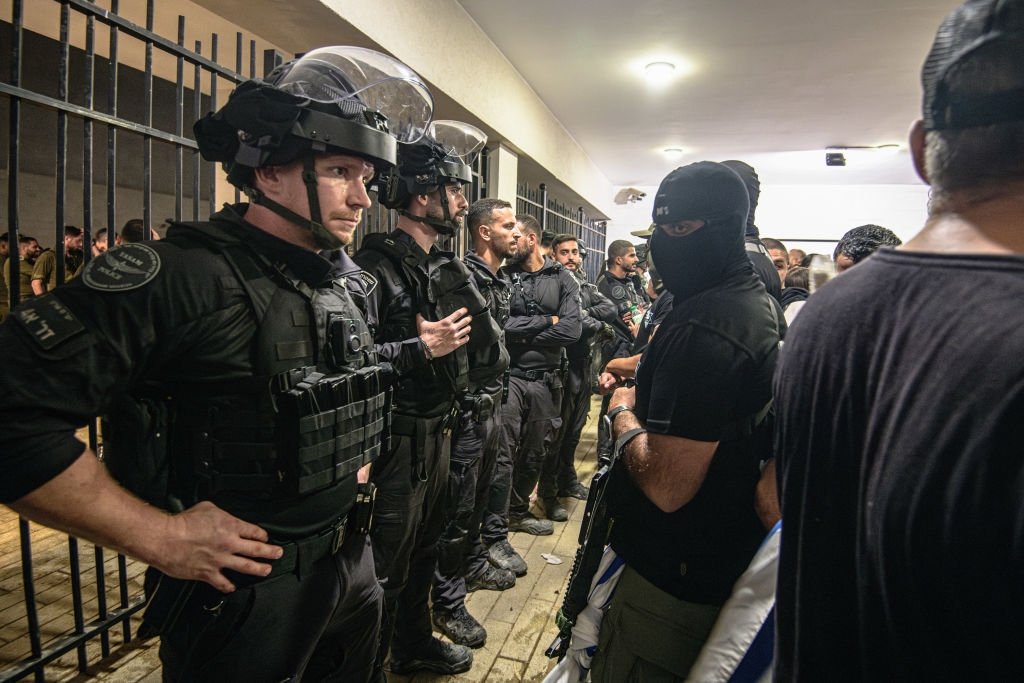
When the case leaked, military police raided Sde Teiman and detained nine reservists. Five were later indicted for “severe abuse.” It should have been a moment of reckoning. Instead, it exposed how deeply violence against Palestinians is normalized. Far-right politicians hailed the accused as “heroes,” protesters gathered outside courtrooms chanting for their release, and Israeli TV pundits framed the abuse as “an understandable outburst of rage.”
Human-rights groups called the camp a “torture factory,” and foreign diplomats quietly warned that Israel was violating the Geneva Conventions. But Israel’s leadership treated the revelations not as a crime, but as a public-relations problem. The system moved not to protect the victims, but to silence those investigating.
At the heart of that silencing was Attorney General Gali Baharav-Miara, the country’s top legal authority. She had insisted that the Sde Teiman abuses be prosecuted under military law, that evidence be preserved, and that Israel remain bound by international norms even in wartime. For this, she became a target.
By March 2025, Prime Minister Benjamin Netanyahu’s government – already waging a campaign to curb judicial independence – moved to dismiss her. Justice Minister Yariv Levin accused her of “weakening national morale” and “interfering with security operations.” In August, the Cabinet voted to remove her from office; the Supreme Court immediately froze the decision, warning that the move threatened the rule of law itself.
Then, in November 2025, Levin formally barred Baharav-Miara from overseeing the Sde Teiman and video-leak investigations, claiming a “conflict of interest.” In reality, it was a purge, a warning to every prosecutor and officer who might still believe in accountability. The woman who sought justice for a tortured Palestinian was punished for doing her job.
Sde Teiman is not an exception. It is the mirror of a broader policy – a microcosm of a genocidal state that devalues Palestinian life at every level: in the airstrikes that flatten hospitals, in the sieges that starve families, and in the prisons that break bodies and erase names.
Israel insists it is defending itself. Yet, the systematic torture, the concealment of deaths and the political persecution of those who investigate are not acts of defense. They are the administrative grammar of genocide, carried out not in chaos but in bureaucratic order.
Today, the five soldiers still await trial. The attorney general remains sidelined. And the desert winds of Sde Teiman carry the same cries that echo from Gaza’s ruins.
If genocide has a geography, it is not only in the war zones, it is in the prisons where silence replaces justice. And as long as those prisons stand, Israel’s crimes will not remain buried beneath the sand.