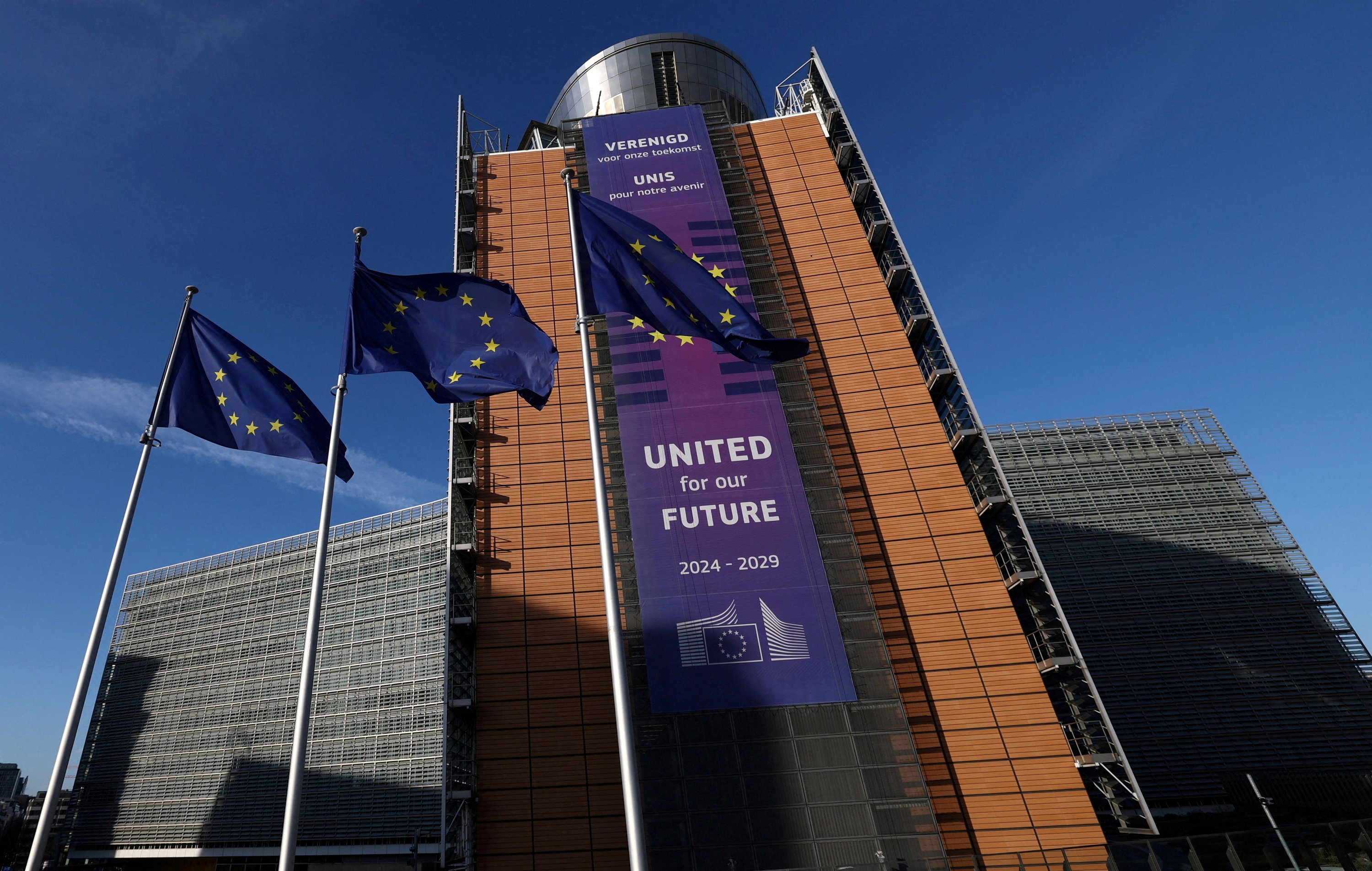
The European Union has been suffering the most from the ongoing destruction of the order-based liberal international system, which was the main reason for its establishment. The union was founded through the promotion of liberal norms and the strategic political calculations of Western European states, which represented the more liberal part of the continent. It has been considered the most successful regional integration project in the modern era. Although the EU reached its zenith after the collapse of the ideological bipolar world system, it began to weaken later on.
On the one hand, the EU has faced numerous conventional challenges, including intensified global rivalry, the rise of non-Western powers, and economic and regional crises. On the other hand, it now faces internal and international challenges, including climate change, new technologies, artificial intelligence and migration. As a result, the influence of the EU in the international system declined.
The EU and the European continent have divided along different parameters. First of all, the EU and the European continent are divided internally, both along east-west and north-south lines. Relatively problem-free northern states do not want to share the burden of the southern tier countries, which are close to Africa and the Middle East. Generally, southern countries are much more vulnerable than the northern ones.
The second parameter of division is in the transatlantic alliance, the division between the United States and the European continent. During the second Trump administration, the U.S. decided to distance itself from the Old World, asking its European partners to share the burden, especially regarding the defense budget. After the “America First” political discourse, the common interests and expectations of the two sides have begun to widen.
As a result of the intensified global rivalry, Europe, which is caught between the U.S., Russia and China, lost its economic, military and technological superiority. The U.S., which does not guarantee European security, is not willing to provide its security umbrella over Europe.
However, Europe cannot challenge one of these three global powers in all sectors. Militarily, Russia is a vital threat to Europe. Especially after the invasion of Ukraine, many European states have been concerned about further Russian expansionism. Europe is largely dependent on either the U.S. or China technologically. Militarily, Europe still needs the support of the U.S.
After explaining these divisions, it is necessary to underline that there is considerable confusion in European countries. The EU representatives and the European countries have been cutting the branch that they sit on. They are unable to improve and defend a common position against the odds of international politics, such as the invasion of a territory or violations of basic human rights by a state.
Europe has criticized the U.S. or Russia on certain issues, while supporting other actors on the same matters. For example, European countries have strongly condemned Russia for invading Ukraine, yet they support Israel’s expansionist policies. They are determined to impose sanctions on Russia for its aggressive actions, but continue to back Israel in its attacks against civilians in the Gaza Strip and neighboring countries. Europe expresses concern over the loss of civilian lives in Ukraine, yet remains largely indifferent to the killing of more than 20,000 children in Gaza. European states have defended the sovereignty of states, territorial integrity, the protection of civilian infrastructure, and opposed war crimes, crimes against humanity, and the killing of civilians in Ukraine. However, they support the targeting of schools and hospitals, the killing of children, the use of hunger as a weapon, and the cutting of water and electricity in Gaza.
Similarly, European states do not allow any peaceful protest against the State of Israel. They have been punishing their own citizens for anti-Israeli protests. However, they encourage Iranians to protest their regime. For Europeans, it is all right when the U.S. claims the territory of a state, but they oppose it when the U.S. claims control of Greenland, which officially belongs to Denmark.
Ultimately, European states have not opposed violations of international principles in many countries. These inconsistent approaches have resulted in Europe showing selective solidarity toward the rest of the world. In other words, the rest of the world no longer trusts Europe. European states advocate the implementation of international norms only when it serves their own interests. Therefore, they must reconsider their current stance on all crisis areas and adopt a coherent, lawful approach toward every issue. Otherwise, Europe will continue to face setbacks in the future.