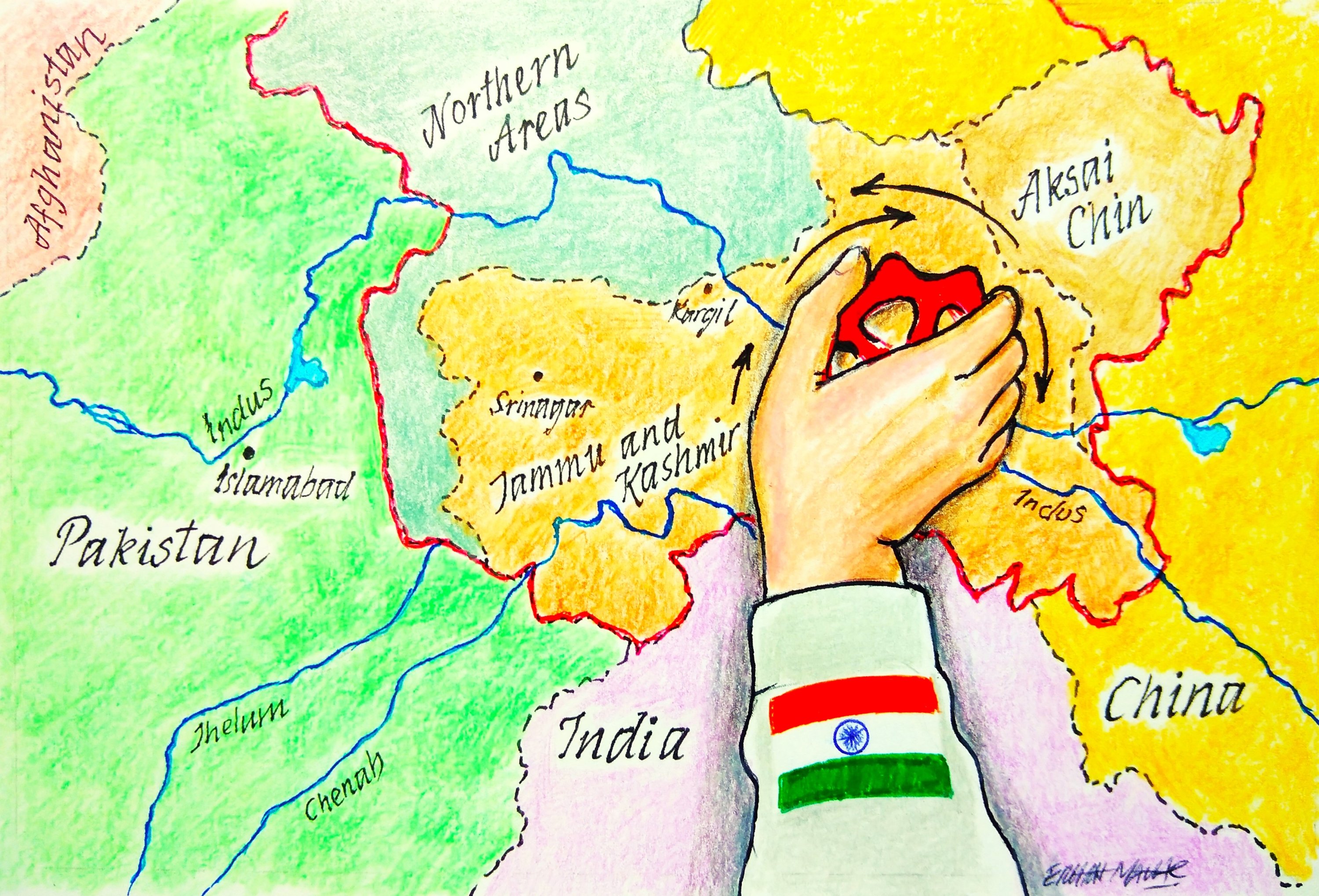
The Permanent Court of Arbitration (PCA) clarifications in The Hague about the Indus Waters Treaty (IWT) have been welcomed in Pakistan. However, the water crisis underscores a serious problem: India's unilateral measures constitute a direct threat to the IWT’s core principles, international law and regional stability. This sets an alarming precedent, potentially jeopardizing cooperative water-sharing and global treaty trust at risk.
The 1960 IWT, set up by the World Bank, has been a groovy example of cooperation, helping two rival countries share water despite mutual distrust. Its instruments, such as the Permanent Indus Commission, impartial experts and special courts, were to ensure that technical arguments remained politically independent. These tools are now muzzled by politics. The signal that India may withdraw from the IWT following the May 2025 war with Pakistan, without prior consultation with its treaty counterpart, is a direct blow to the invincibility of the treaty. According to Pakistan’s Foreign Office, this move violates both international law and the treaty, which does not allow either side to unilaterally withdraw from it.
The current legal case stems from Pakistan’s concerns about India’s construction of water projects on Western rivers that are part of Pakistan's territory. The PCA’s current declarations confirm that India must comply with the mandated design rules, ensuring that flowing or storing water does not harm people living downstream in Pakistan. The court made it clear that India must keep its promises by following these design rules, rather than merely assuring that it will be careful in its operations. This supports Pakistan’s legal argument. Even though India withdrew from the legal proceedings, they are still ongoing and the decisions remain in effect.
At the same time, India has withdrawn from the Impartial Expert process it initially requested. This back-and-forth approach, starting legal proceedings and then quitting when things get tough, raises concerns about consistency and risks complicating the IWT’s established dispute-resolution framework. In contrast, Pakistan has stayed involved and demonstrated its commitment to following the rules.
Indian Home Minister Shri Amit Shah has also informed the Indigenous people that the treaty shall never be restored, which demonstrates the severity of the crisis. It has nothing to do with a technical argument but rather a definite political decision to employ water as a weapon. Using a vital resource in this way raises concerns about governance and the principles of responsible management. For a country that wants to be a world leader, India's actions demonstrate a serious lack of respect for the importance of treaties, which underpin the global system. What investor or partner will trust a country that openly says it plans to break a binding agreement?
The implications extend beyond South Asia: permitting a country to abandon a treaty undermines global confidence in agreements. India's conduct threatens the core principle that agreements should take precedence, which may spur others to breach agreements on matters such as rivers and climate change. Pakistan has acted peacefully, opting to cooperate with the Court of Arbitration and the Impartial Experts instead of adopting aggressive means and pulling out of the treaty. This way of acting strengthens its moral and legal position. Stability is put at risk when one side leaves the process.
The world's organizations, particularly the World Bank and parties interested in a stable system of rules and regulations, cannot stand by and watch it. Other countries should also take action. When such a breach goes unaddressed, it sends the message that strong nations have the freedom to violate treaties whenever they choose, making it even harder to rely on international cooperation at a critical moment.
The solution is clear, but it is politically difficult for New Delhi. India should end its suspension and, in all respects, participate in resolving disputes under the IWT. Technical problems, such as how spillways are built and how much water is stored, can be resolved within the treaty’s rules, as the PCA’s process shows. Trying to control water alone could worsen conflict, harm millions of people, and undermine a legal agreement that has kept peace for 65 years. This is not due to any mistake, but to a clear political choice. Now, it is a test for international law as nationalism grows. Hopefully, wise thinking and respect for the law will prevail worldwide, and the land will not suffer further harm.