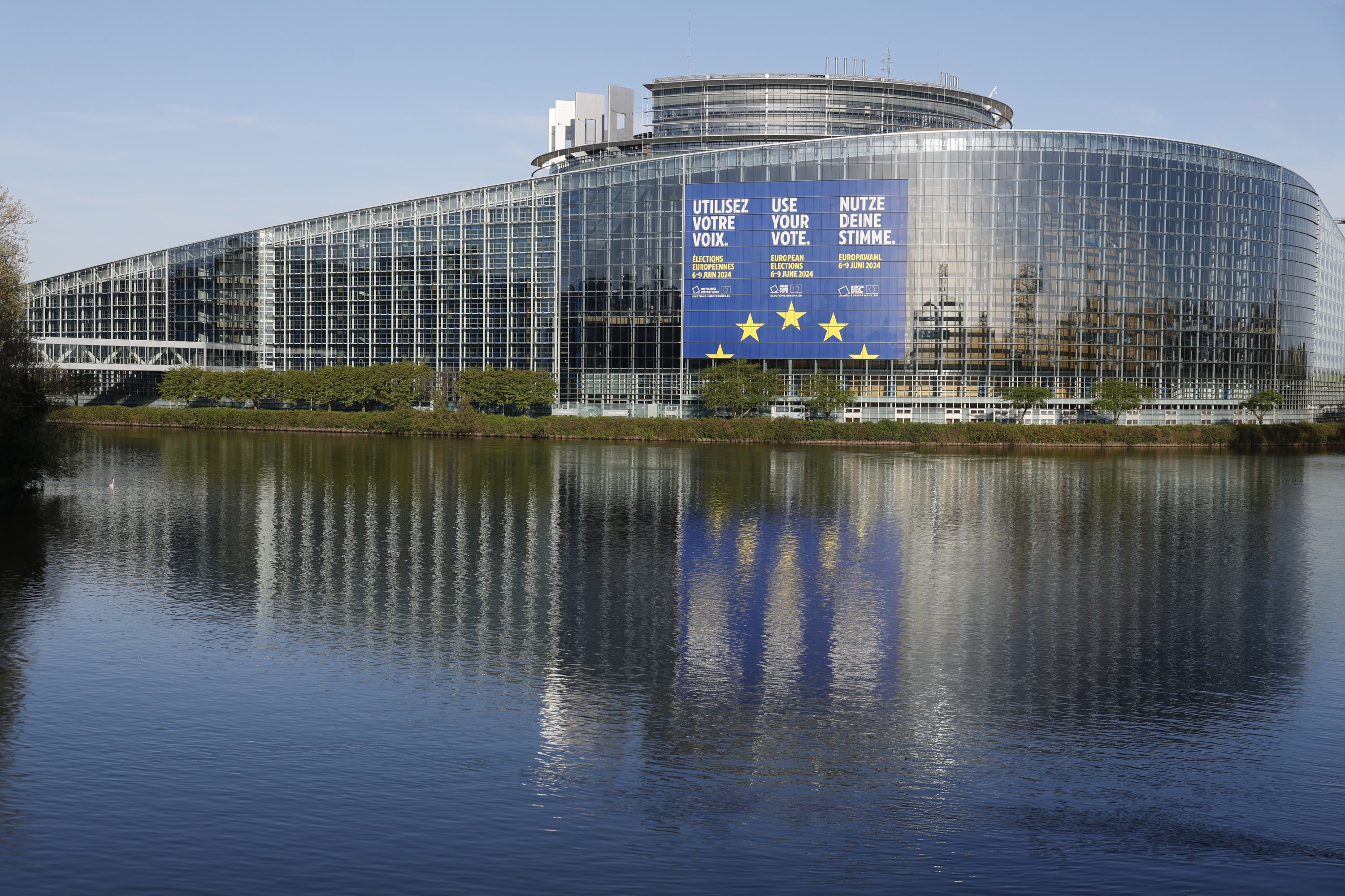
The recent elections for the European Parliament (EP) have marked significant shifts in the political landscape of Europe, highlighting both the resilience of established conservative forces and the rising influence of far-right parties. The election results, which will shape the legislative branch of the European Union for the next five years, reflect the evolving priorities and concerns of European voters.
The conservatives, maintaining their position as the leading political group in the EP, have signaled stability and continuity in European governance. This outcome suggests that a substantial portion of the European electorate supports a vision of the EU that emphasizes traditional values, economic stability and a cautious approach to integration. The conservatives' success can be seen as a mandate to continue their policies, which often focus on fiscal responsibility, market-friendly reforms and a measured response to the challenges posed by globalization and technological change.
This conservative victory is crucial for several reasons. Firstly, it provides a counterbalance to the more radical elements within the Parliament, ensuring that any legislative proposals are tempered by a pragmatic and centrist approach. Secondly, it helps in maintaining a unified stance on critical issues such as trade, security and foreign policy. The conservative leadership can be expected to advocate for a strong, cohesive EU that can assert its influence on the global stage.
Moreover, the conservative hold on the European Parliament is likely to foster a more predictable and stable political environment, which is essential for economic growth and investor confidence. Businesses and markets generally favor stability, and a conservative-led Parliament is likely to pursue policies that support economic expansion, job creation and innovation.
The breakthrough of far-right parties in the European Parliament represents a significant shift in the political dynamics of the EU. This surge can be attributed to several factors, including widespread dissatisfaction with the status quo, economic disparities, and concerns over immigration and cultural identity. The far-right's gains reflect a growing sentiment among certain segments of the population that the traditional parties have failed to address their needs and concerns adequately.
This development has profound implications for European politics. The increased presence of far-right parties in Parliament means that their views and policies will have a greater platform and influence in legislative discussions. These parties typically advocate for stricter immigration controls, greater national sovereignty and skepticism toward deeper European integration. Their presence could lead to more contentious and polarized debates within Parliament, potentially slowing down the legislative process and complicating efforts to reach consensus on key issues.
The far-right's rise has already had immediate political repercussions, as evidenced by French President Emmanuel Macron's decision to call snap legislative elections. This move indicates the extent to which the far-right's gains have unsettled the traditional political order and prompted mainstream leaders to seek renewed mandates from their electorates. Macron's decision can be seen as an attempt to consolidate his political position and counter the growing influence of far-right elements within France and the broader EU.
The fact that millions of Europeans participated in these elections highlights the continued importance of the European Parliament as a democratic institution. High voter turnout is a positive indicator of democratic engagement and suggests that European citizens are invested in the future direction of the EU. This engagement is critical for the legitimacy of the European Parliament and its ability to effectively represent the diverse interests of the 27-member bloc.
However, the varied electoral outcomes across different member states also underscore the challenges of forging a unified European identity and policy framework. The divergent political landscapes within the EU reflect the complex and often conflicting priorities of its member states, which can complicate efforts to achieve cohesive and coordinated policies.
The new composition of the European Parliament presents both challenges and opportunities for the EU. On the one hand, the presence of a strong conservative bloc alongside a significant far-right contingent could lead to fragmented legislative processes. On the other hand, this diversity of representation could also foster more robust debates and lead to more innovative and comprehensive solutions to the issues facing the EU.
The conservatives' leadership will need to navigate these dynamics carefully, building coalitions and finding common ground with other political groups to advance their legislative agenda. They will also need to address the underlying issues that have fueled the rise of the far-right, such as economic inequality, immigration and cultural identity, to ensure long-term stability and cohesion within the EU.
The recent EP elections have set the stage for a complex and dynamic political landscape over the next five years. The conservatives' continued dominance provides a measure of stability, while the far-right's gains highlight the need for addressing deep-seated issues within European societies. The ability of the European Parliament to effectively govern and implement policies will depend on its members' willingness to engage in constructive dialogue and collaboration, navigating the diverse and often competing interests of the European electorate.