Food poisoning has recently become a hot topic in public discussion. Too often, people dismiss it as "just a brief stomach upset," but the reality is far more serious.
This article provides a clear and accessible overview of food poisoning – what it is, where it comes from, how it affects the public and examples from Türkiye, Europe and global authorities such as the Centers for Disease Control and Prevention (CDC).
Food poisoning is an illness caused by consuming food and drinks contaminated with microorganisms (bacteria, viruses, parasites) or chemicals/toxic substances, resulting in symptoms such as nausea, vomiting, diarrhea, abdominal cramps and fever.
Mild cases may be resolved on their own within a few days. However, severe consequences, including kidney failure, brain damage and even death, can occur, especially in children, the elderly, pregnant women and those with chronic illnesses.
According to the World Health Organization (WHO), approximately 600 million people worldwide (almost one in 10) contract foodborne illnesses each year, and 420,000 die. Thirty percent of these deaths occur in children under 5. CDC data show that approximately 48 million people in the United States experience food poisoning each year; 128,000 of them are hospitalized, and 3,000 die. In Europe, there were about 78,000 confirmed salmonellosis cases in 2023, with numbers returning to pre-pandemic levels. In Türkiye, there has been a significant increase in both mass food poisoning cases and the number of patients seeking emergency services and hospitals in recent years.
The causes can generally be categorized into three groups: chemical poisonings, natural toxins and microbiological hazards. Chemical poisonings are caused by substances such as methyl alcohol (methanol), pesticides, heavy metals and improperly used cleaning chemicals. Methanol is a highly toxic form of alcohol used in industry that can cause blindness and death when consumed. When methanol is used in place of or alongside ethyl alcohol, the "counterfeit alcohol" tragedy occurs. Both unregistered production and the reliance on counterfeit alcohol for economic reasons pose a serious public health problem.
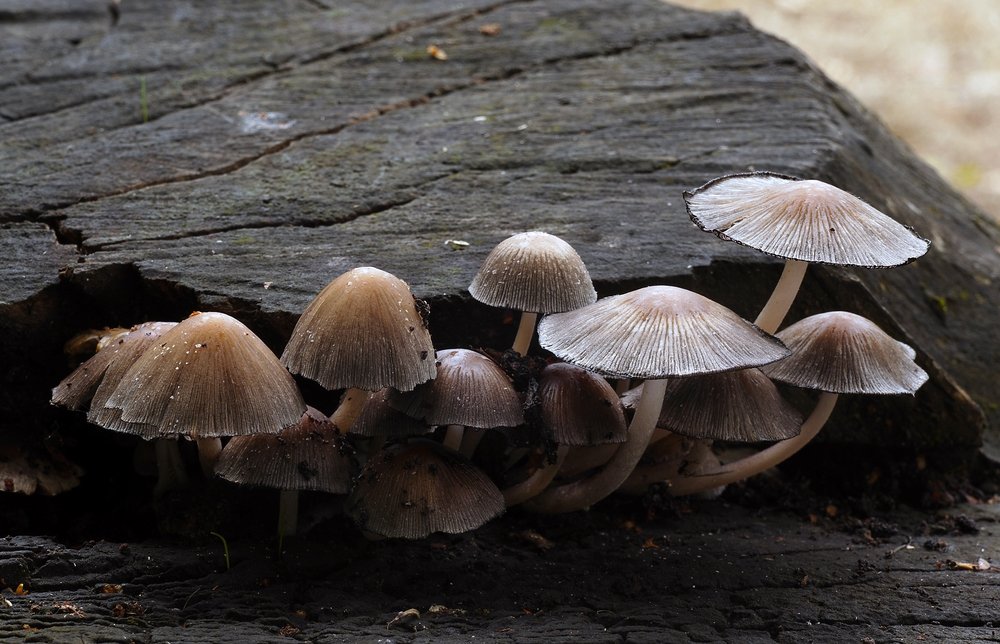
Natural toxins include toxic mushrooms and toxic wild plants, such as belladonna mixed with spinach. Mushroom poisoning is common, although the number of recorded cases is believed to be an underestimation. In 2024 and 2025, reports of increased mushroom poisoning across many countries became frequent. Deadly cases often involve species such as Amanita phalloides (“death cap”), and mushroom toxins do not disappear during cooking or boiling, making foraging extremely risky.
Heavy metals, such as lead, cadmium and mercury, can leach into food through industrial waste, old water networks or contaminated irrigation water. In the long term, exposure can cause nervous system damage, kidney failure and developmental delays in children. Similarly, the misuse of pesticides, spraying too close to harvest or overdosing, also increases the risk of residues in fruits and vegetables. These chemical hazards are more likely to cause long-term effects, such as cancer and hormonal disorders, rather than acute poisoning.
Toxic plants have also been responsible for serious cases of food poisoning. One widely reported incident in Türkiye involved toxic weeds mixed into spinach. In the 2019 poisonings in Istanbul, official statements indicated that the problem stemmed not from spinach itself but from belladonna and similar plants mixed in. In November 2025, in Niğde, 11 members of a family were hospitalized after consuming what they thought was spinach but was actually deadly belladonna. These cases highlight the importance of weed control in the field, good agricultural practices and careful visual inspections during harvesting and packaging.
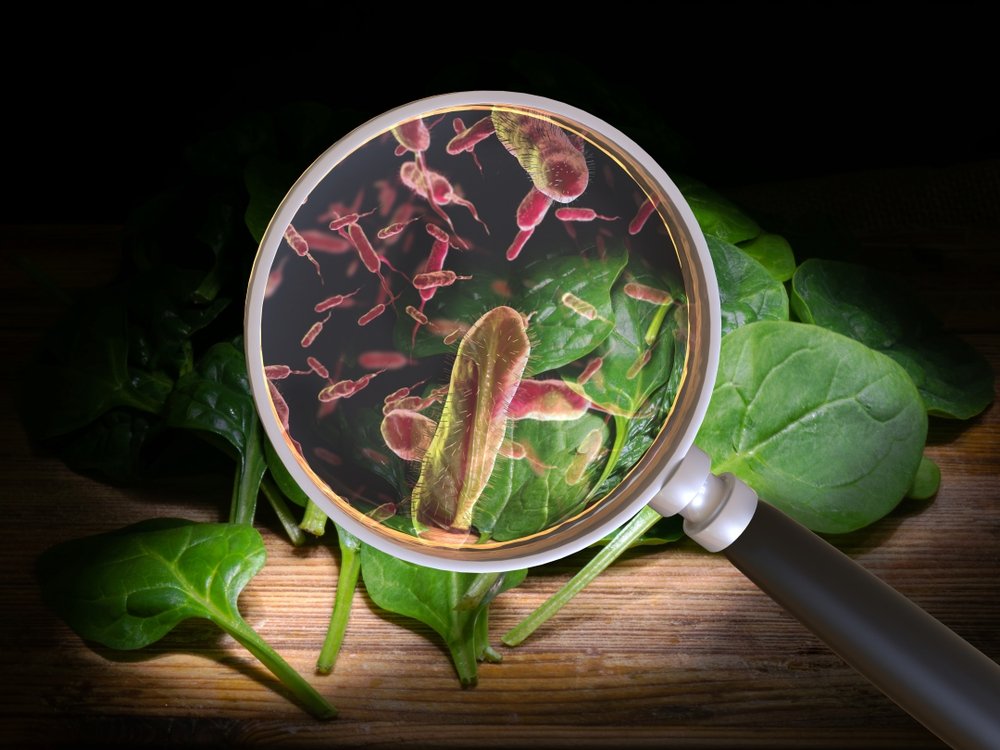
Microbiological poisonings, caused by bacteria, viruses and parasites, account for the majority of food poisoning worldwide. According to the CDC, agents such as norovirus, Salmonella, Campylobacter, E. coli and Clostridium perfringens are major contributors in the U.S. Hot weather and disruptions to the transportation or service chain, particularly during summer months, increase the likelihood of mass food poisoning events. Clostridium perfringens is frequently linked to large batches of food cooling slowly at room temperature, insufficient reheating and breaks in time-temperature control. Other bacteria are common causes of mass poisoning due to poor hygiene, inadequate cooking or cold chain failures. Symptoms generally include rapid-onset abdominal cramps and watery diarrhea, which may be severe in the elderly and other vulnerable groups.
Climate change and water issues also contribute to foodborne illnesses caused by viral and parasitic pathogens. Water shortages, heavy rainfall and flooding can directly affect drinking water safety. According to the European Environment Agency, heavy rainfall, floods and droughts can increase the prevalence of Cryptosporidium in water supplies, as rainfall can overwhelm treatment plants and carry the parasite into drinking water. In 2024, an outbreak occurred in Devon, England, affecting hundreds of people due to Cryptosporidium contamination in the drinking water network, prompting boil-water warnings for approximately 26,000 residents. Infection causes diarrhea, abdominal pain and weight loss, with more severe symptoms in individuals with weakened immune systems.
In addition, contaminated drinking water and sewage can spread pathogens such as norovirus, hepatitis A and Giardia. This risk is especially high when water levels in dams decrease and contaminated runoff from upstream basins enters the supply, highlighting the interconnected impact of environmental conditions on food and water safety.
Traceability means recording and monitoring a food item’s entire journey “from farm to fork.” It includes tracking source farm, processing and packaging facility, batch/lot numbers and finally distribution route and final sale points.
EU Regulation 178/2002 requires all food businesses to maintain "one step back, one step forward" traceability. This involves answering questions such as: Who is the supplier of the product? To whom is it sold? Which batch? Which date? Which quantity? Such measures allow for rapid, targeted recalls, prevention of wider outbreaks and reduction of unnecessary economic losses.
In the U.S., under the Food Safety Modernization Act (FSMA), high-risk food traceability rules are about to be strengthened, with full implementation expected around 2026.
But in Türkiye, although legislation includes traceability requirements, professional bodies note challenges in consistency of audits, accuracy of records and digitalization and monitoring, especially in small businesses and mass catering operations.
Despite the complexity of the problem, individuals can reduce their risk by prioritizing basic hygiene and safe food practices. Many bacteria and viruses can be eliminated with simple handwashing using soap and water. It is important to avoid unlabeled or homemade alcohol, as methanol poisoning can cause irreversible damage. Wild mushrooms should never be consumed, as even experienced foragers cannot reliably distinguish toxic species. Leafy greens should be checked carefully, with weeds or unfamiliar leaves removed and all produce washed thoroughly in plenty of water. Caution is also advised with mass-catered meals. Food should be served piping hot, not lukewarm, and fresh-cut products should be handled properly, checking temperature, expiration dates and packaging integrity. If the safety of water is in doubt, it should be boiled before consumption. These precautions are especially important for vulnerable individuals and during official health advisories.
Food poisoning is not “bad luck,” it is a manageable risk. It affects millions each year, but, as the Salmonella Umbilo outbreak proved, strong surveillance and traceability systems can quickly identify sources of contamination, contain outbreaks and protect public health. It is not fate, it is a preventable risk when science, transparency, regulation and monitoring work together.